
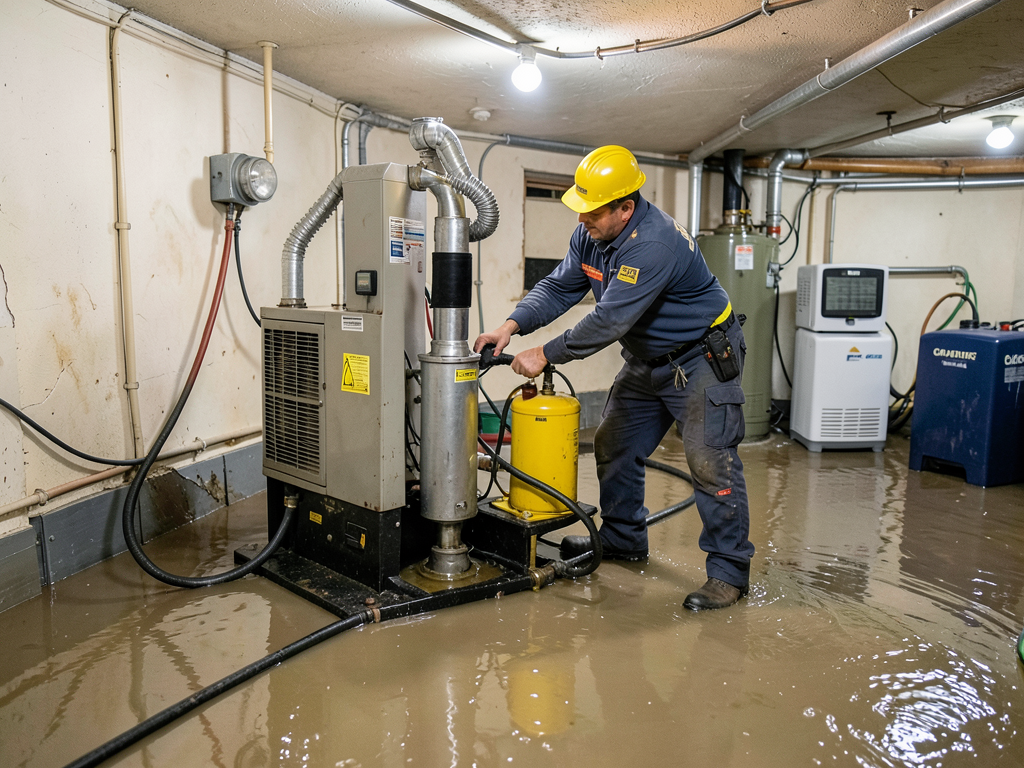
Professional Flooded Basement Cleanup in Greenwich, CT
When water fills your Greenwich Backcountry basement the clock starts ticking. Every hour of standing water increases structural damage and mold risk. That is why immediate action matters more than anything else.. Read more about Working with a Local Greenwich Restorer Who Handles Your Insurance Claim.
Heritage Water Damage Restoration Greenwich provides 24/7 emergency response with certified technicians who arrive within 60 minutes anywhere in the Backcountry and surrounding areas. We extract water, dry structures, and prevent secondary damage using industrial-grade equipment and IICRC S500 standards.. Read more about Certified Mold Testing and Remediation Services Throughout Greenwich.
Immediate 24/7 Emergency Response
Basement flooding does not wait for business hours. Our dispatch center operates around the clock with live operators ready to send a crew to your location immediately. When you call (475) 320-3777 a technician is already loading equipment onto the truck.
Our response vehicles carry everything needed for Category 1 through Category 3 water events including submersible pumps, truck-mounted extractors, commercial dehumidifiers, and antimicrobial treatments. We also bring moisture meters and thermal imaging cameras to detect hidden water behind walls and under flooring.
Our 5-Step Greenwich Basement Restoration Process
Every flooded basement follows the same critical path from emergency to restoration. Skipping any step risks long-term damage and costly repairs. EPA Mold Guidelines.
- Emergency Assessment
Our technician inspects the source, categorizes the water type, and documents damage for insurance purposes. We check for electrical hazards and structural instability before starting work.
- Water Extraction
We remove standing water using high-powered submersible pumps and truck-mounted extractors. For finished basements we use specialized wands to extract water from carpet and padding without tearing up flooring.
- Structural Drying
We place industrial dehumidifiers and air movers throughout the space. We monitor moisture levels daily using penetrating moisture meters until wood and concrete reach safe drying standards.. Read more about Managing the high humidity levels in your Greenwich crawl space.
- Cleaning and Sanitizing
We apply EPA-registered antimicrobial treatments to all affected surfaces. For Category 3 water events we remove contaminated materials and dispose of them according to Connecticut DEEP regulations.
- Restoration and Prevention
We coordinate with your insurance adjuster for repairs. We also recommend sump pump upgrades, French drain systems, and waterproofing solutions to prevent future flooding.
Common Causes of Greenwich Basement Flooding
Greenwich Backcountry properties face unique flooding risks due to local geography and infrastructure. Understanding these causes helps prevent future emergencies.
High water tables are common in Fairfield County especially near the Mianus River and Long Island Sound. During heavy rains groundwater pressure forces water through foundation cracks and floor joints. This hydrostatic pressure can push hundreds of gallons into your basement overnight.
Sump pump failures represent the most frequent cause of basement flooding in Greenwich. Power outages during storms disable electric pumps. Mechanical failures occur from lack of maintenance. Some homes have undersized or improperly installed systems that cannot handle heavy rainfall.
Coastal flooding affects properties near the Sound particularly during nor’easters and hurricanes. Storm surge can overwhelm municipal drainage systems causing backflow into basements through floor drains and sewer cleanouts.
Plumbing failures cause sudden flooding from burst pipes frozen during winter thaws or failed water heaters. These events release clean water initially but quickly become contaminated with dirt and debris from building materials.
Insurance Claims Assistance for Greenwich Properties
Navigating insurance claims after a flood adds stress to an already difficult situation. Our team handles the documentation process from start to finish.
We provide detailed damage assessments using Xactimate estimating software which most insurance companies accept. Our technicians photograph every affected area and create moisture maps showing the extent of water migration. We also document the drying process with daily readings from our moisture meters.
We work directly with major carriers including State Farm, Allstate, Chubb, and Travelers. Our experience with Fairfield County claims means we understand local building costs and code requirements. We can often bill your insurance company directly eliminating out-of-pocket expenses.
For high-value properties in Backcountry Greenwich we coordinate with specialty restoration teams for fine art, wine collections, and custom millwork. We understand that these assets require special handling and climate control during the restoration process.
Certified Experts You Can Trust
Heritage Water Damage Restoration Greenwich maintains IICRC certification for water damage restoration and mold remediation. Our technicians complete ongoing training in the latest restoration techniques and equipment operation.
We follow EPA guidelines for Category 3 water cleanup and comply with Connecticut DEEP regulations for hazardous waste disposal. Our company carries full liability insurance and workers compensation coverage protecting both our team and your property.
Local experience matters when choosing a restoration company. We understand Greenwich building codes, historic district requirements, and the specific challenges of Backcountry estates. We know which contractors to call for specialized repairs and how to navigate the permit process for basement reconstruction.
Preventing Future Basement Flooding
After restoring your basement we help you prevent future flooding through proven waterproofing solutions. The best protection combines multiple systems working together.
Exterior foundation waterproofing creates a barrier preventing water from entering through walls. This involves excavating around the foundation applying waterproof membranes and installing drainage boards. While expensive this solution lasts decades when properly installed.
Interior drainage systems collect water that penetrates the foundation and channel it to sump pumps. We install perforated pipe along basement walls connected to a sump pit with reliable backup power. For finished basements we use systems that work under flooring without major demolition.
Sump pump upgrades include battery backup systems that operate during power outages. We also install water-powered backup pumps that use municipal water pressure when electricity fails. Regular maintenance including cleaning the pit and testing the float switch prevents most mechanical failures.
Landscape grading directs surface water away from your foundation. We ensure soil slopes away from the house at least six inches over ten feet. We also install extensions on downspouts to carry roof runoff at least ten feet from the foundation.
Emergency Checklist for Greenwich Homeowners
Knowing what to do in the first 60 minutes after discovering basement flooding can save thousands in damage. Keep this checklist handy.
- Shut off electricity to the affected area if water contacts outlets or appliances
- Stop the water source if possible by shutting off the main valve
- Move valuable items to higher ground if safe to do so
- Document damage with photos before cleanup begins
- Call (475) 320-3777 for immediate emergency response
Never enter standing water if you suspect electrical hazards or contamination. Wait for professional assessment. Quick action combined with proper safety precautions prevents injuries and minimizes property damage.
Why Greenwich Backcountry Properties Need Specialized Service
Backcountry Greenwich presents unique restoration challenges due to property size, age, and construction methods. Many estates feature finished basements with custom millwork, home theaters, and wine cellars. These spaces require specialized drying techniques to prevent warping and mold growth.
Historic properties often have fieldstone foundations that allow water infiltration through mortar joints. Modern luxury homes may have complex waterproofing systems that fail during power outages. Both require different approaches to water extraction and structural drying.
Large properties mean more square footage to dry. A 3,000 square foot basement requires industrial dehumidifiers running for several days to reach proper moisture content. We use moisture mapping technology to track progress and ensure complete drying.
Local building codes require permits for basement reconstruction in Greenwich. We handle the permit process and ensure all repairs meet current code requirements. This includes proper vapor barriers, insulation, and egress windows for finished spaces.
Understanding Water Categories and Health Risks
Not all flood water poses the same health risks. The Institute of Inspection Cleaning and Restoration Certification classifies water into three categories based on contamination level.
| Category | Source | Health Risk | Cleanup Requirements |
|---|---|---|---|
| Category 1 | Clean water from pipes | Minimal | Extract and dry |
| Category 2 | Grey water from appliances | Moderate | Extract, sanitize, dry |
| Category 3 | Black water from sewage | High | Remove materials, disinfect |
Category 3 water contains harmful bacteria and requires full personal protective equipment. We remove contaminated materials and dispose of them according to Connecticut regulations. This includes drywall, insulation, and carpet that contacted black water.
Even Category 1 water becomes contaminated within 48-72 hours as it mixes with dirt and building materials. This is why rapid response prevents both structural damage and health hazards.
Advanced Technology for Complete Restoration
Modern restoration requires more than just pumps and fans. We use advanced technology to detect and eliminate moisture that causes future problems.
Thermal imaging cameras identify temperature differences that indicate moisture behind walls and under floors. This non-invasive technology locates hidden water without demolition. We can see exactly where moisture exists and target our drying efforts.
Moisture meters measure water content in wood, drywall, and concrete. We use penetrating meters for deep readings and non-penetrating meters for surface scans. These tools tell us when materials have reached safe drying levels.
Dehumidifiers with built-in hygrometers monitor humidity levels automatically. They adjust operation to maintain optimal drying conditions. This prevents over-drying which can damage wood and finishes.
Air scrubbers with HEPA filters remove airborne contaminants during the drying process. This improves indoor air quality and prevents cross-contamination to unaffected areas of your home.
Local Building Codes and Permit Requirements
Greenwich building codes require permits for basement reconstruction and waterproofing projects. The town enforces strict standards for finished basements including proper egress windows, vapor barriers, and electrical requirements.
Connecticut State Building Code Section 780 mandates specific requirements for sump pump discharge. Pumps must discharge at least ten feet from the foundation and cannot connect to sanitary sewer systems. Violations result in fines and required corrective work.
FEMA Flood Insurance Rate Maps identify high-risk flood zones in coastal Greenwich. Properties in these zones require special construction methods including elevated mechanical systems and flood-resistant materials. We understand these requirements and ensure compliance during restoration. FEMA Flood Insurance Information.
Local health departments regulate sewage cleanup and disposal. Category 3 water cleanup requires specific procedures to protect public health and prevent groundwater contamination. We maintain current certifications and follow all regulatory requirements.
Cost Factors for Basement Flood Restoration
Restoration costs vary based on water category, affected area size, and required repairs. Understanding these factors helps you plan and budget for recovery.
Water category determines the scope of work. Category 1 cleanup costs less than Category 3 because it requires fewer safety measures and material removal. Category 3 events often require complete demolition and reconstruction.
Finished basements cost more to restore than unfinished spaces. Carpeting, drywall, and millwork require specialized drying or replacement. We use injectidry systems to dry wall cavities without demolition when possible.
Structural damage increases costs significantly. Water weakens wood framing, corrodes metal fasteners, and damages concrete. We assess structural integrity and recommend repairs to ensure long-term safety.
Insurance coverage affects your out-of-pocket costs. Most policies cover sudden water damage but exclude groundwater flooding and surface water intrusion. We help you understand your coverage and maximize your claim.
Frequently Asked Questions
How long does basement flood cleanup take?
Initial water extraction takes 4-8 hours depending on volume. Complete structural drying requires 3-5 days with commercial equipment. Total restoration including repairs takes 2-6 weeks depending on damage extent and permit requirements.
Is mold growth guaranteed after basement flooding?
Mold can begin growing within 24-48 hours in warm conditions. However, professional drying within 48 hours prevents most mold growth. We use antimicrobial treatments and maintain proper humidity levels to inhibit mold development.
Can I clean up basement flooding myself?
Small clean water spills under 100 square feet can be handled with shop vacs and fans. However, larger events, contaminated water, or finished basements require professional equipment and expertise to prevent long-term damage and health risks.
Will my insurance cover basement flooding?
Coverage depends on the water source. Sudden pipe bursts are typically covered. Groundwater flooding and surface water intrusion usually require separate flood insurance. We help document damage and work with your adjuster to maximize coverage.
How can I prevent basement flooding?
Install reliable sump pumps with battery backup. Grade soil away from your foundation. Clean gutters and extend downspouts. Install French drains for chronic water problems. Regular maintenance prevents most flooding emergencies.
Call Now for Emergency Response
Water damage gets worse by the hour. The longer you wait the more it costs to fix. Our certified technicians are standing by ready to respond to your Greenwich Backcountry emergency.
Call (475) 320-3777 now for immediate dispatch. We answer 24/7 and arrive within 60 minutes anywhere in Greenwich including Backcountry, Old Greenwich, Riverside, and Cos Cob. Do not let water destroy your home and belongings. Pick up the phone and call (475) 320-3777 before the next storm hits.
{
“@context”: “https://schema.org”,
“@type”: “BlogPosting”,
“headline”: “Who to Call When Your Greenwich Backcountry Basement Floods”,
“description”: “24/7 emergency basement flood cleanup in Greenwich. Fast response for Backcountry estates. Call (475) 320-3777 for expert water extraction and structural drying.”,
“wordCount”: 2071,
“datePublished”: “2026-02-16T11:55:00.000Z”,
“dateModified”: “2026-02-16T11:55:00.000Z”,
“inLanguage”: “en-US”,
“mainEntityOfPage”: {
“@type”: “WebPage”,
“@id”: “https://heritagewaterdamagerestorationgreenwich.com”
},
“publisher”: {
“@type”: “LocalBusiness”,
“name”: “Heritage Water Damage Restoration Greenwich”,
“url”: “https://heritagewaterdamagerestorationgreenwich.com”
},
“author”: {
“@type”: “Organization”,
“name”: “Heritage Water Damage Restoration Greenwich”,
“url”: “https://heritagewaterdamagerestorationgreenwich.com”
},
“image”: {
“@type”: “ImageObject”,
“url”: “https://heritagewaterdamagerestorationgreenwich.com/wp-content/uploads/2026/03/who-to-call-when-your-greenwich-backcountry-baseme-1.png”
}
}
{
“@context”: “https://schema.org”,
“@type”: “LocalBusiness”,
“name”: “Heritage Water Damage Restoration Greenwich”,
“url”: “https://heritagewaterdamagerestorationgreenwich.com”,
“address”: {
“@type”: “PostalAddress”,
“addressLocality”: “Greenwich”
},
“areaServed”: {
“@type”: “City”,
“name”: “Greenwich”
}
}
{
“@context”: “https://schema.org”,
“@type”: “FAQPage”,
“mainEntity”: [
{
“@type”: “Question”,
“name”: “How long does basement flood cleanup take?”,
“acceptedAnswer”: {
“@type”: “Answer”,
“text”: “Initial water extraction takes 4-8 hours depending on volume. Complete structural drying requires 3-5 days with commercial equipment. Total restoration including repairs takes 2-6 weeks depending on damage extent and permit requirements.”
}
},
{
“@type”: “Question”,
“name”: “Is mold growth guaranteed after basement flooding?”,
“acceptedAnswer”: {
“@type”: “Answer”,
“text”: “Mold can begin growing within 24-48 hours in warm conditions. However, professional drying within 48 hours prevents most mold growth. We use antimicrobial treatments and maintain proper humidity levels to inhibit mold development.”
}
},
{
“@type”: “Question”,
“name”: “Can I clean up basement flooding myself?”,
“acceptedAnswer”: {
“@type”: “Answer”,
“text”: “Small clean water spills under 100 square feet can be handled with shop vacs and fans. However, larger events, contaminated water, or finished basements require professional equipment and expertise to prevent long-term damage and health risks.”
}
},
{
“@type”: “Question”,
“name”: “Will my insurance cover basement flooding?”,
“acceptedAnswer”: {
“@type”: “Answer”,
“text”: “Coverage depends on the water source. Sudden pipe bursts are typically covered. Groundwater flooding and surface water intrusion usually require separate flood insurance. We help document damage and work with your adjuster to maximize coverage.”
}
},
{
“@type”: “Question”,
“name”: “How can I prevent basement flooding?”,
“acceptedAnswer”: {
“@type”: “Answer”,
“text”: “Install reliable sump pumps with battery backup. Grade soil away from your foundation. Clean gutters and extend downspouts. Install French drains for chronic water problems. Regular maintenance prevents most flooding emergencies.”
}
}
]
}
{
“@context”: “https://schema.org”,
“@type”: “HowTo”,
“name”: “Greenwich Basement Flood Restoration Process”,
“step”: [
{
“@type”: “HowToStep”,
“position”: 1,
“name”: “Emergency Assessment”,
“text”: “Our technician inspects the source, categorizes the water type, and documents damage for insurance purposes. We check for electrical hazards and structural instability before starting work.”
},
{
“@type”: “HowToStep”,
“position”: 2,
“name”: “Water Extraction”,
“text”: “We remove standing water using high-powered submersible pumps and truck-mounted extractors. For finished basements we use specialized wands to extract water from carpet and padding without tearing up flooring.”
},
{
“@type”: “HowToStep”,
“position”: 3,
“name”: “Structural Drying”,
“text”: “We place industrial dehumidifiers and air movers throughout the space. We monitor moisture levels daily using penetrating moisture meters until wood and concrete reach safe drying standards.”
},
{
“@type”: “HowToStep”,
“position”: 4,
“name”: “Cleaning and Sanitizing”,
“text”: “We apply EPA-registered antimicrobial treatments to all affected surfaces. For Category 3 water events we remove contaminated materials and dispose of them according to Connecticut DEEP regulations.”
},
{
“@type”: “HowToStep”,
“position”: 5,
“name”: “Restoration and Prevention”,
“text”: “We coordinate with your insurance adjuster for repairs. We also recommend sump pump upgrades, French drain systems, and waterproofing solutions to prevent future flooding.”
}
],
“image”: “https://heritagewaterdamagerestorationgreenwich.com/wp-content/uploads/2026/03/who-to-call-when-your-greenwich-backcountry-baseme-1.png”
}
{
“@context”: “https://schema.org”,
“@type”: “BreadcrumbList”,
“itemListElement”: [
{
“@type”: “ListItem”,
“position”: 1,
“name”: “Home”,
“item”: “https://heritagewaterdamagerestorationgreenwich.com”
},
{
“@type”: “ListItem”,
“position”: 2,
“name”: “Blog”,
“item”: “https://heritagewaterdamagerestorationgreenwich.com/blog”
},
{
“@type”: “ListItem”,
“position”: 3,
“name”: “Who to Call When Your Greenwich Backcountry Basement Floods”
}
]
}
{
“@context”: “https://schema.org”,
“@type”: “Service”,
“serviceType”: “Water Damage Restoration”,
“provider”: {
“@type”: “LocalBusiness”,
“name”: “Heritage Water Damage Restoration Greenwich”,
“url”: “https://heritagewaterdamagerestorationgreenwich.com”
},
“areaServed”: {
“@type”: “City”,
“name”: “Greenwich”
},
“description”: “24/7 emergency basement flood cleanup in Greenwich. Fast response for Backcountry estates. Call (475) 320-3777 for expert water extraction and structural drying.”
}