





Stamford sits where the Rippowam River meets Long Island Sound, creating unique water damage vulnerabilities that catch property owners off guard. Coastal storm surge during nor'easters pushes tidal flooding into low-lying neighborhoods near Cummings Park and Shippan Point. The city's aging infrastructure, particularly in downtown districts built before 1960, contains cast iron pipes prone to sudden failure during freeze-thaw cycles.
Stamford's dense mix of historic homes and modern high-rises creates wildly different water damage scenarios. Victorian homes in the Waterside neighborhood have knob-and-tube wiring in walls that trap moisture after pipe breaks. Glass-facade condos along Washington Boulevard experience HVAC condensation line failures that flood multiple units vertically. The combination of coastal humidity, seasonal temperature swings from 15 to 95 degrees, and Connecticut's strict building codes requiring specific drying protocols makes professional water removal critical. Basements throughout Glenbrook and Belltown flood regularly during spring thaw when snowmelt overwhelms French drains installed in clay-heavy soil. Property owners who delay professional drying face mold colonization within 48 hours, turning a manageable water loss into a complete remediation project requiring wall demolition.
We've extracted water from Stamford properties since establishing our emergency response protocols for Fairfield County coastal communities. Our dispatch system routes the closest certified technician to your location, whether you're in Springdale, North Stamford, or downtown near Columbus Park. We maintain truck-mounted extraction units and trailer-mounted desiccant dehumidifiers specifically for Stamford's high-density building challenges.
What separates our operation from franchise restoration companies is direct insurance coordination from the first call. We photograph damage using thermal imaging that insurance adjusters trust, document moisture readings in real time, and submit preliminary estimates before you file a claim. Most Stamford customers never write a check because we bill insurance directly after scope approval. We know which carriers cover what perils and how to present water damage documentation that gets claims approved fast.
Our technicians hold IICRC Water Damage Restoration certification and Connecticut Home Improvement Contractor licenses. We don't subcontract drying or demolition. The crew that answers your 3 AM emergency call is the same team that monitors moisture levels daily until your property tests dry. We've worked with every major insurance carrier covering Stamford properties, from Travelers headquarters downtown to regional carriers writing coastal policies. When adjusters visit your property, they see professional documentation and equipment deployment that speeds approval. We've turned catastrophic pipe bursts in Turn of River condos into completed restorations in under two weeks because we control every phase of water removal, structural drying, and reconstruction in-house.

Our emergency response vehicles stage in Stamford to reach any neighborhood within one hour of your call. We arrive with truck-mounted extraction equipment, moisture meters, and thermal cameras ready to start water removal immediately. Fast response stops water from spreading into subfloors, wall cavities, and adjacent rooms where damage multiplies every hour.

We document water damage using insurance industry protocols and submit claims directly to your carrier. Most Stamford customers pay only their deductible because we handle adjuster communication, scope negotiations, and supplemental claims for hidden damage discovered during drying. You get professional restoration without upfront costs or reimbursement delays.
Every crew member holds Water Damage Restoration certification from the Institute of Inspection, Cleaning and Restoration Certification. We follow ANSI-approved drying standards, maintain continuing education in microbial remediation, and use EPA-registered antimicrobials. Our certifications mean insurance adjusters trust our moisture readings and drying documentation without question.
We handle water extraction, structural drying, mold prevention, demolition, and reconstruction with our own licensed crews. No subcontractors means no coordination delays, no communication gaps, and one point of contact from emergency call to final walkthrough. Stamford properties get faster completion and consistent quality across every restoration phase.
Water damage takes countless forms across Stamford's diverse housing stock and commercial buildings. A burst supply line in a Ridgeway colonial creates different challenges than sewage backup in a Glenbrook apartment or sprinkler activation in a Washington Boulevard office suite. We categorize water damage by contamination level and structural impact to deploy the right equipment and safety protocols.
Our service range covers every water emergency from clean water overflow to black water sewage contamination. We extract standing water using truck-mounted vacuums that remove thousands of gallons per hour, then transition to structural drying with commercial dehumidifiers and air movers. Thermal imaging locates hidden moisture in wall cavities and ceiling assemblies before it causes mold or rot. We handle insurance documentation, emergency board-up, content pack-out, and complete reconstruction after drying proves successful.
Different water sources require distinct approaches under IICRC standards. Category 1 clean water from supply lines needs rapid extraction and drying. Category 2 gray water from washing machines or dishwashers requires antimicrobial treatment during drying. Category 3 black water from sewage or flooding demands full contamination protocols including disposal of porous materials. Stamford's mix of residential, commercial, and industrial properties means we maintain equipment and expertise for all three categories.
Truck-mounted extraction units remove standing water from basements, crawl spaces, and flooded living areas within hours of arrival. We handle burst pipes, hot water heater failures, washing machine overflows, and storm flooding with industrial pumps that extract thousands of gallons before water wicks into framing or insulation. Immediate extraction stops ongoing damage and begins the drying timeline your insurance company uses to assess claims. Our crews arrive with moisture detection equipment to locate water in hidden areas like wall cavities and subfloors where standing water isn't visible.
Commercial dehumidifiers and air movers create controlled drying environments that remove moisture from building materials in 3-7 days depending on saturation levels. We monitor humidity and material moisture content daily using calibrated meters, documenting progress for insurance adjusters. Structural drying prevents mold growth, wood rot, and material swelling that leads to permanent damage. This phase separates successful restoration from properties that develop ongoing moisture problems. We adjust equipment placement and add desiccant dehumidifiers when Stamford's coastal humidity slows evaporation rates.
After structural materials test dry, we rebuild what water destroyed using licensed contractors who match existing finishes and meet Connecticut building codes. Reconstruction includes drywall replacement, flooring installation, cabinet refinishing, and painting. We handle permit applications for work requiring inspection and coordinate with Stamford building officials. Our in-house reconstruction eliminates the gap between drying completion and repair start that leaves properties exposed. You work with one company from emergency call through final walkthrough, and insurance covers the entire scope under one claim.
Stamford's location creates water damage patterns we see repeatedly across different neighborhoods. Coastal properties face tidal surge during hurricanes and nor'easters that push Long Island Sound into basements and first floors. Inland areas near the Rippowam River experience seasonal flooding when spring runoff exceeds drainage capacity. The city's age means many buildings contain original plumbing installed 50-100 years ago, creating failure points that burst without warning.
Winter freeze-thaw cycles crack foundation walls in older homes throughout Belltown and Ridgeway, allowing groundwater intrusion during spring thaw. High-rise buildings downtown experience HVAC condensation problems and supply line failures that flood multiple units vertically through floor penetrations. Property owners underestimate how quickly water spreads through modern building materials, particularly engineered lumber and laminate flooring that deteriorate rapidly when wet. These common scenarios require immediate professional response to prevent minor water loss from becoming major remediation projects.
Stamford's high water table means many basements rely on sump pumps to prevent chronic groundwater intrusion. When pumps fail during heavy rain or lose power during storms, basements flood within hours. We extract standing water, dry foundation walls and flooring, and recommend backup pump systems to prevent recurrence. Delayed response leads to mold growth on organic materials stored in basement spaces.
Burst supply lines in condos and apartments flood the unit where failure occurs, then spread through floor assemblies into units below. Water follows electrical chases and plumbing penetrations, creating damage several floors away from the source. We coordinate with property managers to isolate affected units, extract water from all impacted spaces, and document which unit owner bears responsibility based on failure location and building bylaws.
Properties near Cummings Beach and Shippan Point flood when tropical systems push Long Island Sound above normal high tide. Saltwater intrusion contaminates building materials and requires complete removal of affected drywall, insulation, and flooring. We handle contaminated material disposal following EPA guidelines and coordinate with FEMA adjusters when federal disaster declarations trigger National Flood Insurance Program claims.
Heavy rainfall overwhelms Stamford's combined sewer system, causing sewage to back up through basement floor drains and lower-level fixtures. Black water contamination requires removal of all porous materials that contacted sewage, antimicrobial treatment of hard surfaces, and air scrubbing to remove pathogens. We follow IICRC Category 3 water protocols and coordinate with the Stamford Water Pollution Control Authority to document municipal system failure for insurance claims.
Water emergencies create panic, but our response process brings immediate order to chaos. From your first call, you talk to a certified technician who asks specific questions about water source, affected areas, and safety hazards. We dispatch the nearest truck to your Stamford location and provide an accurate arrival time, usually within 60 minutes. While our crew travels, we contact your insurance carrier to open a claim and explain what emergency mitigation coverage pays for immediately.
When we arrive, expect a thorough assessment using moisture meters and thermal cameras before equipment deployment. We explain what we're doing at each step, show you moisture readings, and outline a drying timeline based on saturation levels. You receive daily updates on drying progress, insurance communication, and any additional damage we discover as materials dry. Our goal is zero surprises and complete transparency about timelines, costs, and what insurance covers. Most customers are shocked how fast we stabilize water damage when professional extraction and drying start within hours of the incident.
Our technician arrives with commercial extraction equipment and assessment tools within one hour of your emergency call. We locate the water source, stop ongoing flow if possible, and map affected areas using thermal imaging that sees moisture inside walls and ceilings. You receive an immediate verbal assessment of damage severity and expected drying timeline. We photograph everything for insurance documentation and begin water extraction while explaining our process. This initial response determines whether water damage remains manageable or spreads into a remediation project requiring demolition.
Expect daily site visits where we record moisture levels in affected materials and adjust dehumidifier placement based on drying progress. We send you and your insurance adjuster daily logs showing moisture content declining toward dry standards. Most customers appreciate seeing exactly when materials will test dry and reconstruction can begin. We handle all adjuster communication, scope discussions, and supplemental claims when hidden damage appears during drying. You stay informed without managing multiple contractors or insurance conversations.
After materials test dry, our reconstruction crew rebuilds affected areas to match existing finishes. We handle permits, coordinate inspections, and ensure work meets Connecticut building codes. You receive progress photos and timeline updates throughout reconstruction. The final walkthrough confirms every detail matches your expectations before we request final payment from your insurance carrier. Most Stamford customers are back in their restored space within 2-3 weeks of the initial emergency, with insurance covering all approved work beyond the deductible.
Water damage restoration follows strict protocols that insurance companies expect and building science requires. We've refined our process to move Stamford properties from emergency to completion faster than companies using outdated methods or subcontracted work.
Within one hour of dispatch, our crew arrives with truck-mounted extraction units that remove standing water from all affected areas. We use weighted extraction tools for carpets, floor squeegees for hard surfaces, and submersible pumps for deep standing water in basements. Thermal imaging locates water that spread beyond the visible wet area. We extract until no standing water remains and affected materials reach the lowest moisture content possible before dehumidification. This phase typically completes in 2-4 hours depending on water volume and building size.
Commercial dehumidifiers and air movers run continuously for 3-7 days, creating controlled evaporation that pulls moisture from building materials. We monitor moisture content daily using calibrated meters, documenting progress until materials reach dry standard. Drywall should read below 12% moisture content, wood framing below 15%, and concrete below 4% before equipment removal. We adjust equipment placement based on readings and add desiccant dehumidifiers when coastal humidity slows progress. Insurance adjusters visit during this phase to verify scope and approve reconstruction estimates.
After confirming all materials test dry, we remove equipment and begin reconstruction. Drywall replacement, flooring installation, painting, and finish work proceed on a schedule coordinated with your insurance timeline. We handle permit applications for work requiring Stamford building department approval and schedule required inspections. Final walkthrough confirms all work meets your expectations and matches pre-loss condition. We request final payment from your insurance carrier, and you're back in fully restored space typically within three weeks of the initial emergency call.
Professional water damage restoration follows technical standards developed by the Institute of Inspection, Cleaning and Restoration Certification and adopted by insurance carriers nationwide. The IICRC S500 Standard and Reference Guide for Professional Water Damage Restoration defines water categories, material classification, and drying protocols that separate legitimate restoration companies from general contractors claiming water damage expertise.
Connecticut requires Home Improvement Contractor licenses for restoration work exceeding $200, and Stamford enforces building permits for reconstruction involving structural elements, electrical, or plumbing. We maintain both credentials and pull permits before demolition or rebuild work begins. Insurance adjusters expect documentation following Xactimate estimating software conventions, which we use exclusively for scope development and pricing.
Water falls into three contamination categories under IICRC standards. Category 1 clean water from supply lines requires extraction and drying without antimicrobial treatment. Category 2 gray water from appliance discharge contains bacteria and requires antimicrobial application during drying. Category 3 black water from sewage or flooding carries pathogens requiring complete removal of porous materials and EPA-registered disinfection of all hard surfaces. We maintain different equipment for each category to prevent cross-contamination between jobs.
Material classification determines drying methods and timelines. Class 1 involves minimal water absorption in materials with low porosity. Class 2 affects entire rooms with significant moisture wicking into walls and flooring. Class 3 indicates saturation from overhead sources with water spreading through ceiling assemblies. Class 4 involves specialty drying for materials like hardwood, plaster, or stone that release moisture slowly. Stamford's housing stock includes all four classes depending on building age and construction methods. Our equipment inventory includes desiccant dehumidifiers for Class 4 materials that resist conventional drying, and we adjust protocols based on daily moisture readings rather than arbitrary timelines.
Category 1 clean water becomes Category 2 after 48 hours of contact with building materials due to bacterial growth. Category 2 gray water becomes Category 3 if it contacts sewage or sits longer than 72 hours. We assess water category at arrival and reassess if emergency response delays allow contamination escalation. Treatment protocols intensify as category rises, requiring antimicrobial application for Category 2 and complete porous material removal for Category 3 black water contamination.
Restoration costs depend on water volume, contamination category, material saturation class, and affected square footage. Category 3 sewage costs more than Category 1 supply line breaks due to disposal requirements and antimicrobial protocols. Class 4 specialty drying for hardwood floors costs more than Class 1 surface water on tile. Insurance covers all necessary mitigation and restoration beyond your deductible when water damage qualifies as a covered peril under your policy terms.
Structural drying takes 3-5 days for Class 1 and Class 2 water damage when extraction begins within 24 hours of loss. Class 3 and Class 4 saturation requires 5-10 days depending on building materials and Stamford's coastal humidity levels. We never remove equipment based on timelines alone. Materials must test at or below dry standard using calibrated moisture meters before drying equipment comes out and reconstruction begins.
Connecticut Home Improvement Contractor licenses require proof of insurance, background checks, and financial responsibility bonds. Stamford requires building permits for reconstruction involving structural changes, electrical work, or plumbing modifications. We maintain active licenses and handle all permit applications, ensuring your restoration meets local codes. Insurance companies verify contractor licensing before approving final payment, making proper credentials essential for claim settlement.
Heritage Water Damage Restoration Greenwich maintains emergency response capability across every Stamford neighborhood from the high-rises downtown to single-family homes in North Stamford's wooded hills. We've extracted water from Victorian houses in Shippan Point where coastal flooding occurs during tropical systems, and from modern condos along Washington Boulevard where HVAC failures flood multiple units through shared mechanical systems. Our crews know Stamford's geography, which neighborhoods flood during nor'easters, and where aging infrastructure creates recurring pipe failure.
Downtown Stamford's commercial corridor between Tresser Boulevard and Atlantic Street contains offices, retail, and residential towers where water damage spreads vertically through elevator shafts and stairwells. We've handled sprinkler activations in high-rises that affected six floors and supply line breaks in mechanical rooms that flooded parking garages. The Waterside and Glenbrook neighborhoods contain older housing stock with cast iron drain lines that crack and leak, requiring sewage cleanup protocols. Turn of River and Springdale properties sit at higher elevations but face basement flooding when sump pumps fail during power outages.
Ridgeway's established residential streets contain homes built between 1920 and 1970 with original plumbing showing age-related failures. We've responded to dozens of hot water heater ruptures and washing machine supply hose breaks in these neighborhoods. North Stamford properties near the New Canaan border often have finished basements vulnerable to groundwater intrusion through foundation cracks. Belltown's mix of apartments and single-family homes creates varied water damage scenarios from roof leaks to toilet overflows in multi-unit buildings.
Our service area extends beyond Stamford to cover Darien, New Canaan, and Greenwich properties within our 60-minute emergency response radius. We understand how Fairfield County's coastal location and aging housing stock create water damage patterns different from inland Connecticut communities. Whether you're near Cove Island Park dealing with tidal surge or in the Long Ridge section facing well pump failures, our response time and restoration expertise remain consistent across all Stamford service areas.
Our service area is designed to cover the entire region, ensuring that no matter where you are, we can get to you quickly and efficiently. We invite you to view our location on the map and see our central hub, from which we dispatch our rapid response teams. We are committed to serving our local community with speed, expertise, and a dedication to quality that you can always rely on.
Address:
Stamford, CT, 6905
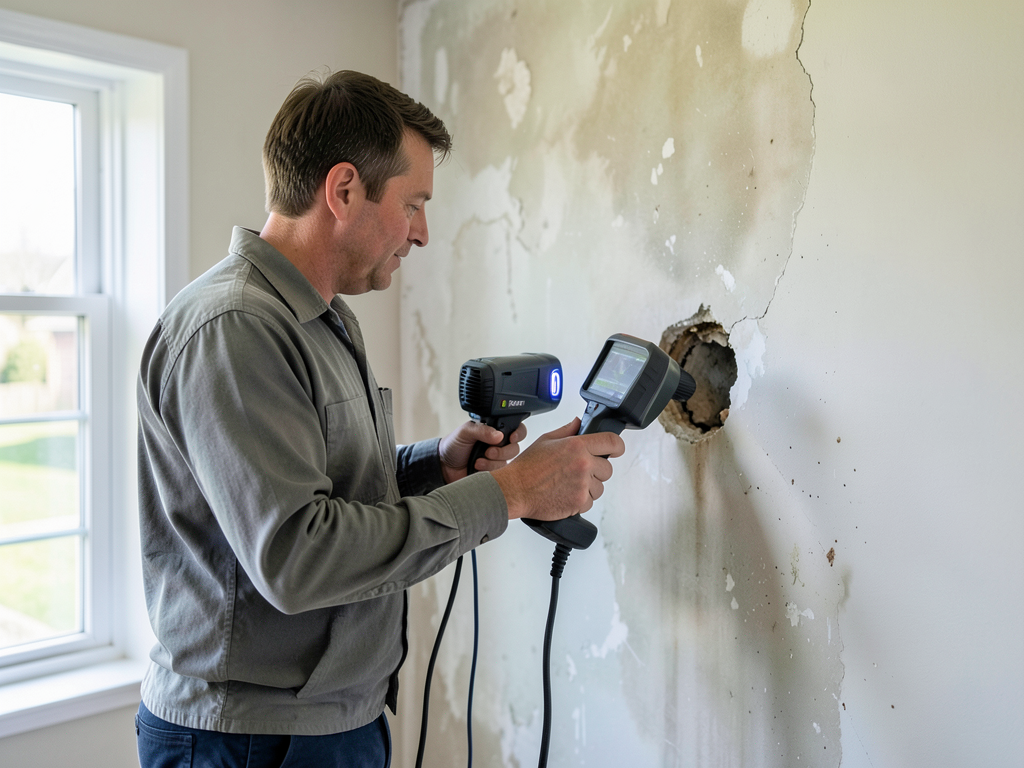
What happens to your home's resale value after a major water damage restoration Water damage strikes without warning in Greenwich. A burst pipe in a Riverside estate or a flooded basement in Cos Cob can…
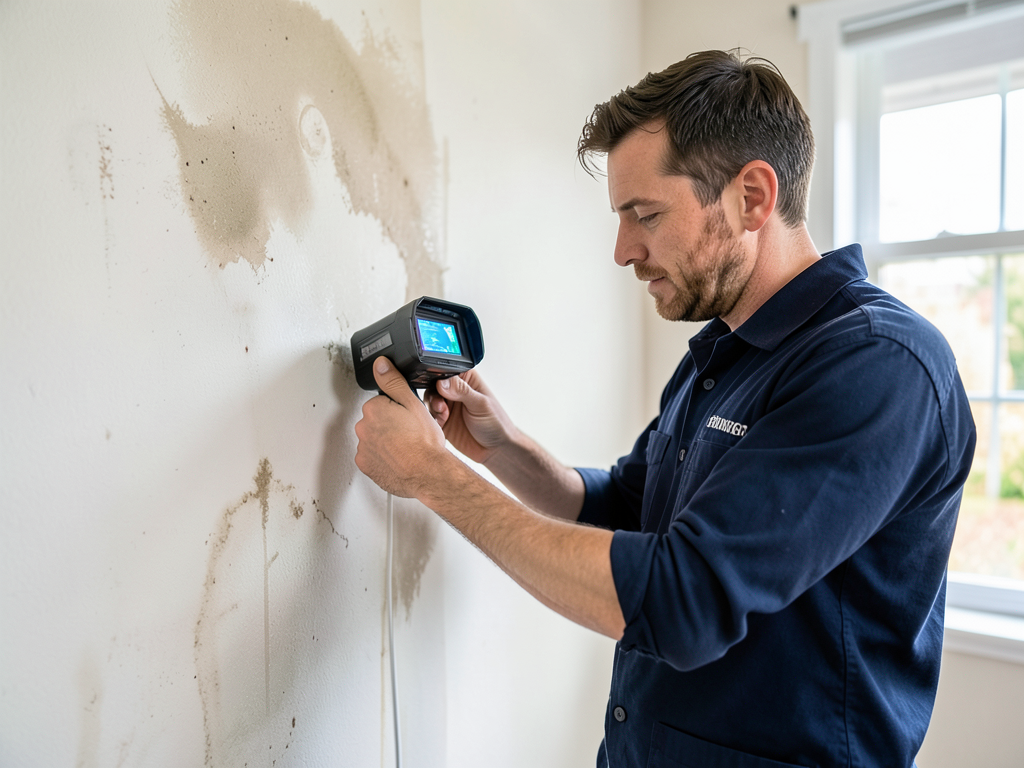
How the high mineral content in Greenwich water affects your plumbing and leak risk Greenwich…

Tracking down hidden water damage in your custom basement wet bar or wine tasting room…
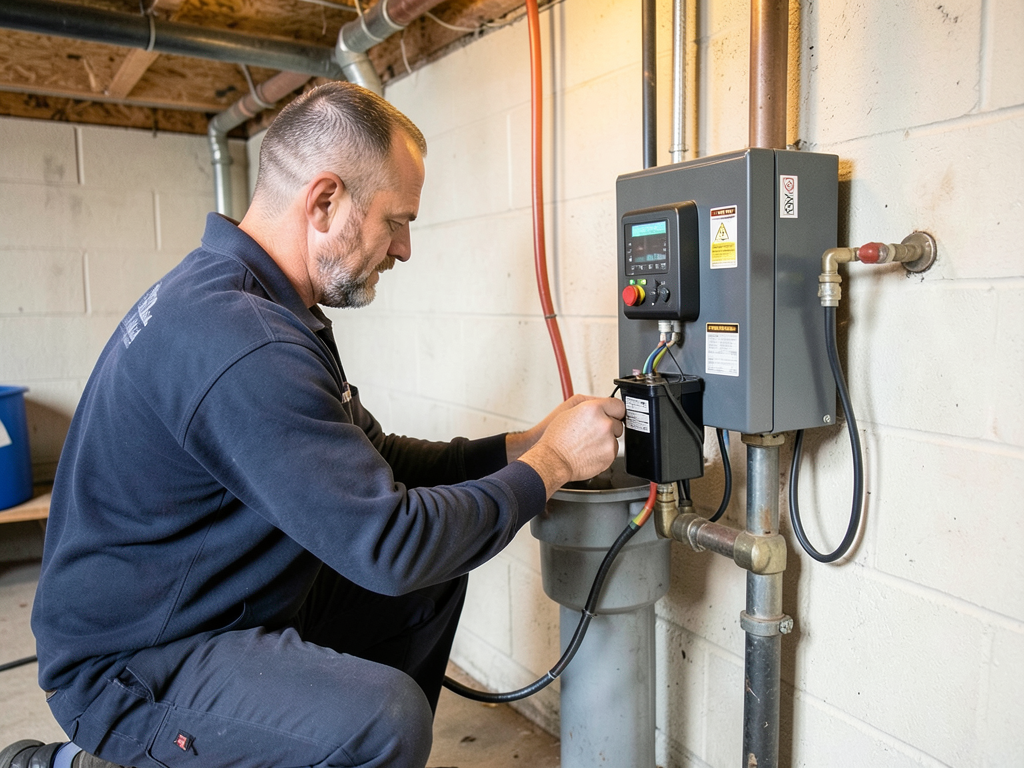
When coastal storms hit Greenwich and the power goes out, your basement's first line of…
Every minute counts when water spreads through your property. Call Heritage Water Damage Restoration Greenwich now at (475) 320-3777 for immediate dispatch. Our certified crews arrive within 60 minutes with commercial extraction equipment and begin stopping damage before it multiplies. We bill your insurance directly.