





West Haven's coastal location along Long Island Sound creates perfect conditions for water intrusion year-round. Nor'easters drive storm surge through shoreline neighborhoods like Beach Street and Ocean Avenue, flooding basements and first floors with saltwater that accelerates corrosion and mold growth. The city's aging housing stock, much of it built before 1960, contains cast iron pipes and outdated plumbing that fails without warning during Connecticut's brutal freeze-thaw cycles.
Winter temperatures that swing from 15 degrees to 45 degrees within days create ice dams on older roofs throughout neighborhoods like Allingtown and The Green. Melting snow backs up under shingles, saturating attics and running down interior walls. Spring rains overwhelm undersized French drains and sump pumps, particularly in areas with high water tables near the West River. Summer humidity above 70 percent creates condensation problems in poorly ventilated crawl spaces and basements, feeding mold colonies that spread through drywall and insulation. Connecticut's strict mold remediation regulations under Section 19a-332 require certified professionals to handle contamination exceeding 10 square feet, making fast professional response critical to avoid health department involvement and property devaluation.
National franchises send different crews to every call, staffed with whoever's available that shift. Heritage Water Damage Restoration Greenwich operates differently. Our same six certified technicians respond to every West Haven emergency, bringing an average of 12 years experience in coastal Connecticut water damage. They know which West Haven homes have basement slab foundations prone to hydrostatic pressure failures. They recognize which neighborhoods contain vermiculite insulation requiring asbestos protocols during attic drying. They understand how saltwater from Sound flooding requires different antimicrobial treatments than freshwater pipe bursts.
We maintain our equipment fleet in-house instead of renting from regional supply chains that run dry during major weather events. When Hurricane Isaias knocked out power to 12,000 West Haven homes in 2020, our diesel generators kept dehumidifiers running while competitors waited days for equipment availability. Our thermal imaging cameras detect moisture trapped behind tile and inside wall cavities that cheaper moisture meters miss, preventing callback mold issues months later.
Insurance coordination separates competent restorers from great ones. Our estimators write Xactimate scopes that match exactly what Connecticut adjusters approve, eliminating the supplement delays that leave your property half-dried for weeks. We photograph every step of mitigation and pack-out with timestamped documentation that satisfies the strictest carriers. When State Farm or Travelers pushes back on necessary antimicrobial treatment or cabinet removal, our project managers conference call with your adjuster using moisture readings and IICRC standards to get approvals same-day. You never negotiate with your insurance company alone.

Our dispatch center sends crews within one hour of your call, 24 hours a day including holidays. We stage equipment trucks in West Haven during nor'easter watches so response time drops to 30 minutes during active flooding. Every hour of delay allows water to spread through 300 additional square feet of flooring and migrate into adjacent rooms.

All Heritage technicians hold current Water Restoration Technician and Applied Structural Drying certifications from the Institute of Inspection, Cleaning and Restoration Certification. Our lead estimator maintains the Advanced Structural Drying credential, held by fewer than 400 professionals nationwide. This expertise prevents the under-drying that causes mold callbacks.
We bill your insurance carrier directly after collecting only your deductible, eliminating the cash flow burden of paying upfront and waiting months for reimbursement. Our estimators write supplements for additional damage discovered during demolition, getting approvals while work continues instead of stopping your project for paperwork delays.
We've restored water damage in over 400 West Haven properties from shoreline Colonials to Allingtown ranches. Our technicians know which neighborhoods contain polybutylene plumbing that requires full repipe after failures. We understand permitting requirements for West Haven Building Department and coordinate inspections during multi-trade repairs involving electrical or structural work.
Water damage isn't one problem. It's a cascade of connected failures that require different expertise at each stage. Surface water must be extracted within hours before it penetrates subflooring and wall cavities. Structural materials require controlled drying that removes moisture without causing secondary cracking or warping. Contaminated materials need proper removal following Connecticut environmental regulations to prevent mold litigation and health department violations.
Heritage provides complete water damage remediation from initial emergency response through final reconstruction. Our technicians extract standing water, dry structural materials to IICRC standards, remove contaminated contents, treat for microbial growth, and rebuild damaged areas using licensed contractors. You work with one company and one project manager instead of coordinating separate vendors for extraction, drying, mold treatment, and repairs. This integrated approach cuts your total restoration timeline by 40 percent compared to using multiple specialists who schedule around each other.
We categorize our services into three distinct phases that address water damage at different stages. Emergency mitigation stops active damage within hours of your call. Structural drying and decontamination removes moisture and treats affected materials over 3-7 days. Reconstruction and contents restoration returns your property to pre-loss condition within 2-4 weeks depending on damage extent.
Our emergency response teams arrive within 60 minutes with truck-mounted extraction systems that remove standing water at 150 gallons per minute. We place air movers and commercial dehumidifiers within the first hour to stop moisture migration into unaffected areas. Technicians document pre-existing conditions with photos and moisture mapping, then remove wet contents to our climate-controlled facility for pack-out drying. We install containment barriers to isolate damaged areas from clean spaces, protecting your family from exposure to contaminated materials. Water extraction and initial drying equipment placement happens the same day you call, preventing the secondary damage that doubles restoration costs.
Structural drying requires precision equipment and daily monitoring to prevent over-drying that cracks hardwood or under-drying that feeds mold growth. Our Applied Structural Drying technicians use thermal imaging cameras to map moisture inside wall cavities and subfloors invisible to surface meters. We inject heated air behind baseboards and drill controlled ventilation holes in cabinet toe kicks to dry trapped moisture. Desiccant dehumidifiers pull humidity below 30 percent in enclosed spaces where refrigerant units fail. Technicians document moisture levels twice daily using penetrating moisture meters calibrated to IICRC standards, adjusting equipment placement as readings drop toward dry goals. Complete structural drying typically requires 4-6 days depending on material saturation levels and building construction.
Connecticut requires licensed mold remediation contractors for projects exceeding 10 square feet of contamination. Heritage holds Connecticut Home Improvement Contractor and Mold Remediation licenses, allowing us to legally remove and dispose of contaminated materials without subcontracting to third parties. Our protocol follows IICRC S520 standards, beginning with HEPA-filtered negative air containment to prevent cross-contamination during demolition. Technicians wearing full PPE remove affected drywall, insulation, and subflooring at least 24 inches beyond visible growth. We HEPA vacuum all framing and treat remaining surfaces with EPA-registered antimicrobial solutions. Third-party hygienists perform clearance testing before reconstruction begins, providing documentation that satisfies insurance carriers and protects you from future liability.
West Haven's combination of coastal weather, aging infrastructure, and varied housing stock creates water damage risks that shift by neighborhood and season. Shoreline properties battle storm surge and nor'easter flooding that saturates foundations with corrosive saltwater. Inland homes contain 60-year-old plumbing systems with cast iron drain lines that corrode from inside, failing without visible warning signs. Winter freeze-thaw cycles stress roofing, gutters, and exterior water lines beyond design limits.
These aren't hypothetical risks. West Haven building permits show the city contains over 4,000 homes built before 1950, most with outdated plumbing, minimal insulation, and roof systems nearing replacement age. The West Shore neighborhood floods during spring tides combined with heavy rain. Allingtown's older ranches contain steel supply lines that rust through after 50 years. Forest Road area homes have shallow foundations that crack under frost heave, creating groundwater pathways into basements. Understanding which water damage threats affect your specific property type and location prevents catastrophic failures that insurance treats as negligence rather than sudden accidents.
West Haven temperatures drop below 20 degrees for extended periods each winter, freezing water inside pipes along exterior walls and in unheated crawl spaces. Expanding ice creates pressure that bursts copper and PEX lines, releasing 10-15 gallons per minute that floods multiple rooms within hours. Pipes typically fail at 3am when usage drops and water sits motionless in cold sections, causing maximum damage before discovery.
West Haven's high water table keeps sump pumps running continuously during spring snowmelt and heavy rain periods. Pumps rated for 3,000-hour lifespans fail after 18-24 months of constant use, flooding basements with groundwater contaminated by soil bacteria and sewage infiltration. Power outages during storms knock out pumps when they're needed most, allowing water tables to rise above basement slab level and flood through floor cracks.
Properties within one mile of Long Island Sound flood during nor'easters and tropical systems that push storm surge inland through streets and drainage systems. Saltwater floods basements, corrodes electrical systems, and deposits sediment that harbors bacteria. Coastal flood insurance through NFIP requires mitigation within 72 hours to avoid coverage denial, creating urgent timelines for extraction and documentation that most homeowners can't meet alone.
Appliance failures cause 30 percent of residential water damage claims in coastal Connecticut. Washing machine supply hoses rupture under normal water pressure after 5-7 years, flooding laundry rooms and adjacent spaces with 8-10 gallons per minute until someone discovers the failure and shuts off supply valves. Water heaters develop pinhole leaks in tanks after 10-12 years, slowly releasing water that saturates subflooring and promotes mold growth before visible damage appears.
Water damage creates panic. You're watching water spread across floors, wondering about structural damage, worrying about insurance coverage, and trying to protect valuables while water keeps flowing. You need someone to take control immediately and explain exactly what happens next.
Heritage operates on a crisis management model refined through 2,000 West Haven water damage responses. Our dispatch process eliminates confusion about who's coming, when they arrive, what they'll do, and what it costs. You speak directly with our operations manager, not an offshore call center reading scripts. We ask specific questions about water source, affected area size, and safety hazards to dispatch appropriate equipment. We provide your technician's name and direct cell number before they leave our facility. We explain insurance coordination and payment processes before crews arrive, eliminating surprise bills or coverage denials.
Every emergency response follows the same structure regardless of damage size. Extract standing water immediately. Place drying equipment within the first hour. Document conditions for insurance before moving anything. Start moisture monitoring within 24 hours. These consistent protocols prevent the chaos and missed steps that turn manageable water damage into total loss claims.
When you call Heritage's emergency line, our operations manager answers directly and gathers critical information about your water damage situation. We ask about water source, shut-off status, affected area size, and immediate safety concerns like electrical hazards or structural instability. Our manager explains exactly what equipment we'll bring and provides a guaranteed arrival time window, typically 45-60 minutes. You receive your lead technician's name and direct cell number so you can call with questions or access issues. Our technician calls 10 minutes before arrival to confirm access and parking. This communication protocol eliminates the anxiety of wondering when help will arrive or who's coming to your property.
Before starting any work beyond emergency water extraction, our technician contacts your insurance carrier to open your claim and verify coverage for proposed mitigation services. We conference call you with your adjuster to eliminate miscommunication about what's covered, what your deductible includes, and what approvals we need before proceeding. Our estimator writes a detailed scope using Xactimate software that matches exactly what Connecticut adjusters approve, preventing the supplement delays and coverage disputes that stop projects mid-stream. You see line-item costs before work begins and sign authorization forms that clearly state what you're approving. We collect only your deductible amount and bill your carrier directly for covered services.
Water damage restoration isn't a one-day fix. Structural drying requires 4-6 days of equipment operation and twice-daily moisture monitoring to reach IICRC dry standards. Our technicians visit your property every morning and afternoon to document moisture levels, adjust equipment placement, and photograph drying progress. You receive text message updates after each visit with current moisture readings and projected completion dates. When materials reach dry standard, we photograph final moisture meter readings and provide written certification that satisfies insurance requirements and protects you from future mold liability. Equipment removal happens the same day we document dry conditions, not days later when it's convenient for our schedule.
Every water damage restoration follows the same scientific sequence regardless of damage size. Extract standing water immediately before it spreads or penetrates deeper into materials. Dry structural components to measured standards that prevent mold growth. Rebuild damaged areas using materials that match pre-loss condition. This structured approach cuts restoration time in half compared to unplanned response.
Our technicians arrive within 60 minutes and immediately begin extracting standing water using truck-mounted vacuum systems rated at 150 gallons per minute. We remove furniture and contents from affected areas to prevent permanent staining and additional absorption. Technicians place air movers and dehumidifiers within the first hour to stop moisture migration into walls, cabinets, and adjoining rooms. We photograph pre-loss conditions and damage extent for insurance documentation before moving or removing anything. Water extraction and initial equipment placement typically takes 2-4 hours depending on affected area size and access challenges.
Complete structural drying requires 4-6 days of controlled dehumidification and airflow monitored by calibrated moisture detection equipment. Our Applied Structural Drying technicians visit twice daily to measure moisture levels in flooring, walls, and hidden cavities using penetrating moisture meters and thermal imaging cameras. We adjust equipment placement as readings drop, concentrating airflow on areas with trapped moisture. Drying equipment runs 24 hours daily until moisture content reaches IICRC dry standards of 15 percent or lower. We document all readings with timestamped photos and moisture maps that satisfy insurance requirements and prevent disputes about drying adequacy.
Once moisture readings confirm complete drying, our licensed contractors begin reconstruction of damaged areas. We replace drywall, insulation, flooring, and trim using materials that match your existing finishes. Our carpenters rebuild cabinetry, our electricians replace damaged outlets and fixtures, and our plumbers install new water lines if pipe failures caused the original damage. All reconstruction work includes material and labor warranties and meets current Connecticut building codes. We coordinate required inspections with West Haven Building Department and schedule work to minimize disruption to your daily routine. Most reconstruction projects complete within 2-3 weeks after drying finishes.
The Institute of Inspection, Cleaning and Restoration Certification publishes the IICRC S500 Standard for Professional Water Damage Restoration, which Connecticut insurance adjusters and building officials use to evaluate proper mitigation procedures. This standard classifies water damage by contamination level and affected material types to determine appropriate treatment protocols and disposal requirements.
Water categories define contamination risk and treatment intensity. Category 1 water originates from sanitary sources like supply line breaks and contains no sewage or chemical contamination, requiring only extraction and drying. Category 2 water contains biological contamination from sources like washing machine overflows, dishwasher leaks, or toilet bowl overflows without feces, requiring antimicrobial treatment of affected surfaces. Category 3 water includes sewage, coastal flooding, rising groundwater, or any water that contacted contaminated surfaces, requiring removal and disposal of porous materials like drywall, insulation, and carpet that can't be sanitized.
Material classification determines drying difficulty and acceptable moisture targets. Class 1 damage affects less than 40 percent of a room with minimal absorption into materials, typically drying in 2-3 days. Class 2 damage affects more than 40 percent of room surfaces with significant absorption into walls and subflooring, requiring 4-5 days and controlled drying protocols. Class 3 damage saturates walls, ceilings, insulation, and structural components from overhead sources or long-duration flooding, demanding 6-8 days with specialty drying equipment. Class 4 damage affects low-porosity materials like hardwood, plaster, and concrete that require desiccant dehumidification and invasive drying techniques.
Connecticut follows IICRC drying standards that require moisture content in structural wood to reach 15 percent or lower, measured by calibrated penetrating moisture meters, before reconstruction begins. Relative humidity must drop below 50 percent in affected areas. These measurable targets prevent the premature equipment removal that causes mold callbacks months after restoration completes. Proper documentation of moisture readings protects both homeowner and contractor from liability if mold appears later due to hidden moisture or new water intrusion.
Insurance carriers in Connecticut typically approve 3-7 days of drying equipment rental based on damage classification. Extending drying beyond initially approved timeframes requires supplement requests with daily moisture logs proving materials haven't reached dry standard. Our technicians photograph moisture meter readings twice daily to document drying progress and justify equipment extensions when needed.
Water contamination categories determine disposal requirements and treatment protocols. Category 1 clean water allows drying and reuse of most materials. Category 2 gray water requires antimicrobial treatment and selective disposal. Category 3 black water mandates removal of all porous materials that contacted contaminated water. Material classes define drying difficulty from Class 1 minimal absorption to Class 4 specialty materials requiring desiccant dehumidification and extended drying periods up to 10 days.
Restoration costs depend on water category, affected square footage, material saturation depth, and required reconstruction scope. Emergency mitigation with extraction and equipment placement typically costs between deductible amounts for clean water affecting one room. Extended structural drying adds daily equipment rental fees based on dehumidifier and air mover quantities needed. Category 3 contaminated water requires disposal of all porous materials, doubling mitigation costs compared to clean water scenarios requiring only drying.
Emergency mitigation with water extraction and equipment placement completes within 4-6 hours of initial call. Structural drying requires 3-7 days depending on damage classification and material types affected. Reconstruction timeline varies from 1 week for minor drywall replacement to 3-4 weeks for complete room rebuilds involving cabinetry, flooring, and multiple trades. Total restoration from initial water damage to final completion averages 2-4 weeks for typical residential claims.
Connecticut General Statutes Section 19a-332 requires state licensing for mold remediation projects exceeding 10 square feet of contamination. Licensed contractors must follow IICRC S520 mold remediation standards including containment, HEPA filtration, proper disposal, and third-party clearance testing. Homeowner insurance policies exclude mold damage resulting from unmitigated water damage, making rapid professional response critical to maintain coverage for secondary microbial growth appearing after delayed drying attempts.
This video explains Heritage Water Damage Restoration Greenwich's emergency response process for West Haven properties experiencing water damage from burst pipes, storm flooding, or appliance failures. Viewers learn about the 60-minute response guarantee, IICRC water restoration protocols, structural drying procedures, and insurance coordination process. The video covers West Haven-specific water damage risks including coastal storm surge, aging plumbing failures, and freeze-thaw damage common to Connecticut properties.
West Haven's 11 square miles stretch from Long Island Sound north to Orange town line, encompassing distinct neighborhoods with unique water damage vulnerabilities. Our technicians respond to every corner of the city within our 60-minute guarantee, bringing specialized knowledge of local construction types and regional weather patterns.
The Beach Street and Ocean Avenue shoreline neighborhoods face storm surge flooding during nor'easters and tropical systems that push Long Island Sound inland through streets and storm drains. These turn-of-century homes contain balloon frame construction and minimal foundation waterproofing, allowing saltwater to flood basements and crawl spaces during coastal flooding events. We respond to multiple shoreline properties during every significant coastal storm, arriving with saltwater-rated pumps and corrosion inhibitors that protect mechanical systems from accelerated deterioration.
West Shore and Savin Rock areas contain dense concentrations of older multi-family properties built in the 1920s-1940s with shared plumbing systems and limited individual utility shut-offs. Water damage in one unit often affects adjacent apartments through shared wall cavities and floor joist bays. We coordinate multi-unit mitigation during pipe failures that require building-wide water shutdowns and complex insurance claims involving multiple property owners and tenants.
Allingtown's northern section features post-war ranch homes on slab foundations with limited crawl space access for plumbing repairs. These properties suffer frequent washing machine supply line failures and water heater leaks that saturate slab edges and spread under tile flooring before visible damage appears. Our thermal imaging cameras detect hidden moisture migration that surface inspection misses, preventing callback mold issues months after restoration.
The Green neighborhood surrounding the historic center contains Victorian and Colonial-era homes with plaster walls, lath construction, and minimal insulation. Water damage in these properties requires specialty drying techniques that remove moisture without cracking historic plaster or damaging irreplaceable architectural details. We use low-velocity air movers and desiccant dehumidification instead of high-heat methods that stress period materials.
Forest Road and Highland Avenue areas north of Route 1 contain 1950s-1970s split-level homes with multiple foundation types and complex drainage patterns. Sump pump failures in these properties flood finished basements and affect living spaces through interior stairwells. We stage backup sump pumps in this area during spring snowmelt when pump failures spike due to continuous operation and power outages during severe weather.
Downtown West Haven's mix of commercial and residential properties along Campbell Avenue requires coordination with business operations during water damage restoration. We schedule equipment delivery and monitoring visits to minimize disruption to retail operations and maintain required emergency exit access during drying operations. Our commercial experience helps property owners navigate complex insurance requirements for business interruption claims and tenant relocation costs.
Whether you're along the shore dealing with storm surge, in Allingtown managing a burst pipe, or anywhere across West Haven facing water damage, Heritage brings the same certified technicians, professional equipment, and insurance expertise to your door within one hour. We're not a franchise sending random contractors. We're your local water damage specialists who've restored properties throughout every West Haven neighborhood.
Most water damage restoration companies in West Haven respond within 60 to 90 minutes of your call. Fast response times matter because water spreads quickly through floors, walls, and furniture. Each hour of delay increases damage and raises restoration needs. Emergency crews operate around the clock to help West Haven homeowners. When you call, technicians dispatch immediately with extraction equipment and moisture detection tools. Quick response limits structural damage and reduces the chance of mold growth. The fastest companies arrive within one hour to start water removal and drying.
Water damage restoration expenses in West Haven vary based on the damage extent, water source, and affected square footage. Small incidents like a burst pipe in one room typically fall at the lower end. Extensive flooding across multiple floors or sewage contamination raises expenses considerably. Most companies offer free inspections to assess your situation. They examine water category, structural damage, and necessary equipment. Your final expense depends on extraction needs, drying time, demolition, and repairs. Request detailed written estimates from multiple West Haven companies before choosing a service provider.
Most homeowners insurance policies in West Haven cover sudden and accidental water damage. Burst pipes, appliance malfunctions, and roof leaks from storms typically qualify for coverage. Your policy excludes damage from poor maintenance, gradual leaks, and flooding from external sources. Flood damage requires separate flood insurance through the National Flood Insurance Program. Document everything with photos and videos before cleanup begins. Contact your insurance company immediately after water damage occurs. Review your policy to understand deductibles, coverage limits, and claim procedures specific to your West Haven property.
Most water damage restoration companies in West Haven respond within 60 to 90 minutes of your call. Fast response times matter because water spreads quickly through floors, walls, and furniture. Each hour of delay increases damage and raises restoration needs. Emergency crews operate around the clock to help West Haven homeowners. When you call, technicians dispatch immediately with extraction equipment and moisture detection tools. Quick response limits structural damage and reduces the chance of mold growth. The fastest companies arrive within one hour to start water removal and drying.
Water damage restoration expenses in West Haven vary based on the damage extent, water source, and affected square footage. Small incidents like a burst pipe in one room typically fall at the lower end. Extensive flooding across multiple floors or sewage contamination raises expenses considerably. Most companies offer free inspections to assess your situation. They examine water category, structural damage, and necessary equipment. Your final expense depends on extraction needs, drying time, demolition, and repairs. Request detailed written estimates from multiple West Haven companies before choosing a service provider.
Most homeowners insurance policies in West Haven cover sudden and accidental water damage. Burst pipes, appliance malfunctions, and roof leaks from storms typically qualify for coverage. Your policy excludes damage from poor maintenance, gradual leaks, and flooding from external sources. Flood damage requires separate flood insurance through the National Flood Insurance Program. Document everything with photos and videos before cleanup begins. Contact your insurance company immediately after water damage occurs. Review your policy to understand deductibles, coverage limits, and claim procedures specific to your West Haven property.
Water damage restoration in West Haven typically takes three to five days for minor incidents and one to two weeks for major flooding. The timeline depends on water volume, affected materials, and structural damage extent. Extraction and initial cleanup happen within 24 hours. Drying and dehumidification take two to four days under normal conditions. Humid weather or dense materials like hardwood floors extend drying time. Reconstruction after severe damage adds weeks to the timeline. Technicians use moisture meters to confirm complete drying before declaring restoration complete. Your specific timeline varies based on damage severity.
You need professional water damage restoration when you see standing water, water stains on ceilings or walls, or warped flooring. Musty odors indicate hidden moisture and potential mold growth. Peeling paint, bubbling drywall, and soft spots in floors signal water intrusion. Discolored baseboards and crown molding show water wicking through materials. If your carpet stays wet after 24 hours or you notice increased humidity indoors, call professionals. Water damage behind walls or under floors requires specialized detection equipment. Any sewage backup needs immediate professional attention for health and safety reasons.
You can stay in your West Haven home during minor water damage restoration if the affected area is small and isolated. Technicians can section off one room while you occupy other areas. You must leave during extensive restoration involving multiple rooms, structural repairs, or sewage contamination. Loud equipment runs continuously during extraction and drying. Dehumidifiers and air movers create noise and disruption for several days. If mold remediation becomes necessary, temporary relocation protects your health. Discuss your living situation with the restoration company during inspection. They will recommend whether staying is safe and practical.
West Haven restoration companies use industrial-grade water extractors to remove standing water from floors and carpets. High-velocity air movers create airflow to accelerate drying. Commercial dehumidifiers pull moisture from the air and materials. Moisture meters and thermal imaging cameras detect hidden water in walls and ceilings. Air scrubbers filter airborne contaminants and prevent mold spore spread. Technicians use injection drying systems for hardwood floors and specialized wall cavity drying equipment. Antimicrobial treatments prevent bacterial growth. Professional equipment works faster than household fans and removes moisture household tools miss.
Prevent mold growth by removing water within 24 to 48 hours of damage. Run dehumidifiers and air movers continuously until all materials dry completely. Remove wet carpet padding, drywall, and insulation if they stay wet beyond 48 hours. Increase air circulation by opening windows and running fans. Monitor humidity levels with a hygrometer. Keep indoor humidity below 50 percent. Clean and disinfect all affected surfaces. Professional restoration companies apply antimicrobial treatments to prevent mold. Never paint or seal over wet materials. Address the water source immediately to prevent recurring moisture problems in your West Haven home.
Burst pipes cause the most water damage in West Haven homes, especially during winter freezing conditions. Appliance failures from washing machines, dishwashers, and water heaters create sudden flooding. Roof leaks from storm damage and ice dams allow water intrusion. Clogged gutters overflow and damage foundations and basements. Sewer backups contaminate homes during heavy rainfall. Sump pump failures lead to basement flooding. Poor grading around foundations directs water toward homes. Old plumbing systems develop pinhole leaks and corroded connections. Coastal storms bring heavy rain and flooding to West Haven properties near Long Island Sound.
Yes, most water damage restoration companies in West Haven offer 24/7 emergency services. Water damage happens at any hour, and immediate response prevents extensive damage. Evening, weekend, and holiday calls receive the same priority as business hours. Emergency crews stay on call and ready to dispatch to West Haven homes. Companies maintain fully stocked trucks with extraction and drying equipment. You can reach emergency hotlines by phone anytime day or night. Some companies offer online emergency request forms for immediate dispatch. Check company websites or call ahead to confirm their 24-hour availability before emergencies occur.
Water damage restoration in West Haven typically takes three to five days for minor incidents and one to two weeks for major flooding. The timeline depends on water volume, affected materials, and structural damage extent. Extraction and initial cleanup happen within 24 hours. Drying and dehumidification take two to four days under normal conditions. Humid weather or dense materials like hardwood floors extend drying time. Reconstruction after severe damage adds weeks to the timeline. Technicians use moisture meters to confirm complete drying before declaring restoration complete. Your specific timeline varies based on damage severity.
You need professional water damage restoration when you see standing water, water stains on ceilings or walls, or warped flooring. Musty odors indicate hidden moisture and potential mold growth. Peeling paint, bubbling drywall, and soft spots in floors signal water intrusion. Discolored baseboards and crown molding show water wicking through materials. If your carpet stays wet after 24 hours or you notice increased humidity indoors, call professionals. Water damage behind walls or under floors requires specialized detection equipment. Any sewage backup needs immediate professional attention for health and safety reasons.
You can stay in your West Haven home during minor water damage restoration if the affected area is small and isolated. Technicians can section off one room while you occupy other areas. You must leave during extensive restoration involving multiple rooms, structural repairs, or sewage contamination. Loud equipment runs continuously during extraction and drying. Dehumidifiers and air movers create noise and disruption for several days. If mold remediation becomes necessary, temporary relocation protects your health. Discuss your living situation with the restoration company during inspection. They will recommend whether staying is safe and practical.
West Haven restoration companies use industrial-grade water extractors to remove standing water from floors and carpets. High-velocity air movers create airflow to accelerate drying. Commercial dehumidifiers pull moisture from the air and materials. Moisture meters and thermal imaging cameras detect hidden water in walls and ceilings. Air scrubbers filter airborne contaminants and prevent mold spore spread. Technicians use injection drying systems for hardwood floors and specialized wall cavity drying equipment. Antimicrobial treatments prevent bacterial growth. Professional equipment works faster than household fans and removes moisture household tools miss.
Prevent mold growth by removing water within 24 to 48 hours of damage. Run dehumidifiers and air movers continuously until all materials dry completely. Remove wet carpet padding, drywall, and insulation if they stay wet beyond 48 hours. Increase air circulation by opening windows and running fans. Monitor humidity levels with a hygrometer. Keep indoor humidity below 50 percent. Clean and disinfect all affected surfaces. Professional restoration companies apply antimicrobial treatments to prevent mold. Never paint or seal over wet materials. Address the water source immediately to prevent recurring moisture problems in your West Haven home.
Burst pipes cause the most water damage in West Haven homes, especially during winter freezing conditions. Appliance failures from washing machines, dishwashers, and water heaters create sudden flooding. Roof leaks from storm damage and ice dams allow water intrusion. Clogged gutters overflow and damage foundations and basements. Sewer backups contaminate homes during heavy rainfall. Sump pump failures lead to basement flooding. Poor grading around foundations directs water toward homes. Old plumbing systems develop pinhole leaks and corroded connections. Coastal storms bring heavy rain and flooding to West Haven properties near Long Island Sound.
Yes, most water damage restoration companies in West Haven offer 24/7 emergency services. Water damage happens at any hour, and immediate response prevents extensive damage. Evening, weekend, and holiday calls receive the same priority as business hours. Emergency crews stay on call and ready to dispatch to West Haven homes. Companies maintain fully stocked trucks with extraction and drying equipment. You can reach emergency hotlines by phone anytime day or night. Some companies offer online emergency request forms for immediate dispatch. Check company websites or call ahead to confirm their 24-hour availability before emergencies occur.
Our service area is designed to cover the entire region, ensuring that no matter where you are, we can get to you quickly and efficiently. We invite you to view our location on the map and see our central hub, from which we dispatch our rapid response teams. We are committed to serving our local community with speed, expertise, and a dedication to quality that you can always rely on.
Address:
West Haven, CT, 6516
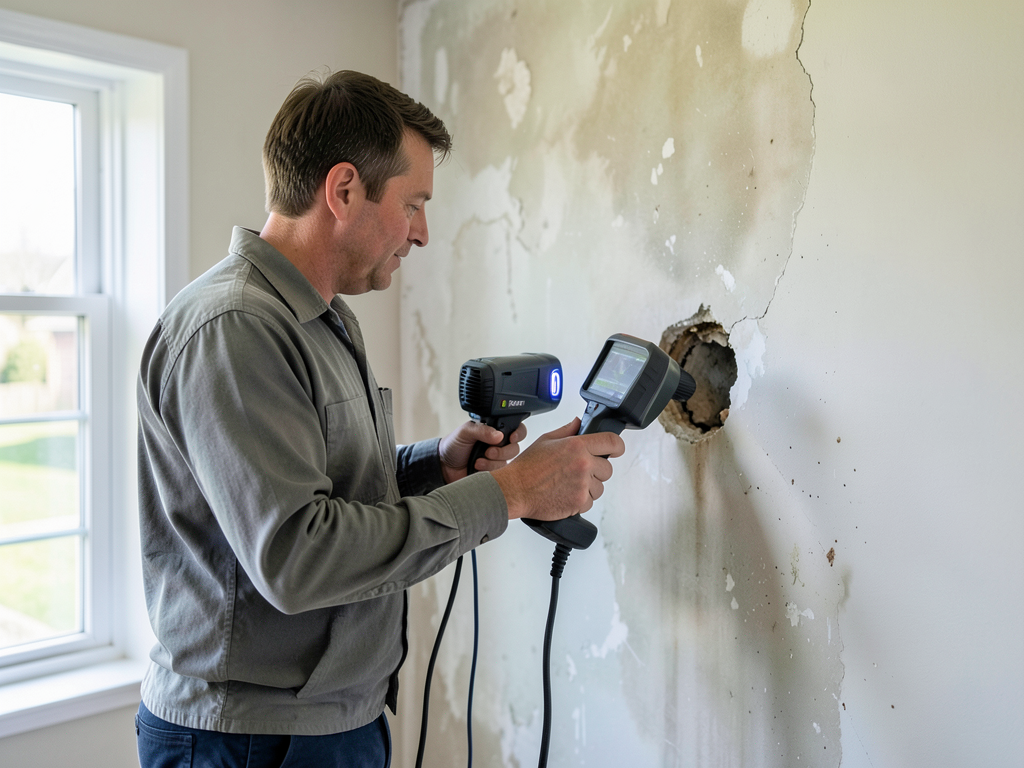
What happens to your home's resale value after a major water damage restoration Water damage strikes without warning in Greenwich. A burst pipe in a Riverside estate or a flooded basement in Cos Cob can…
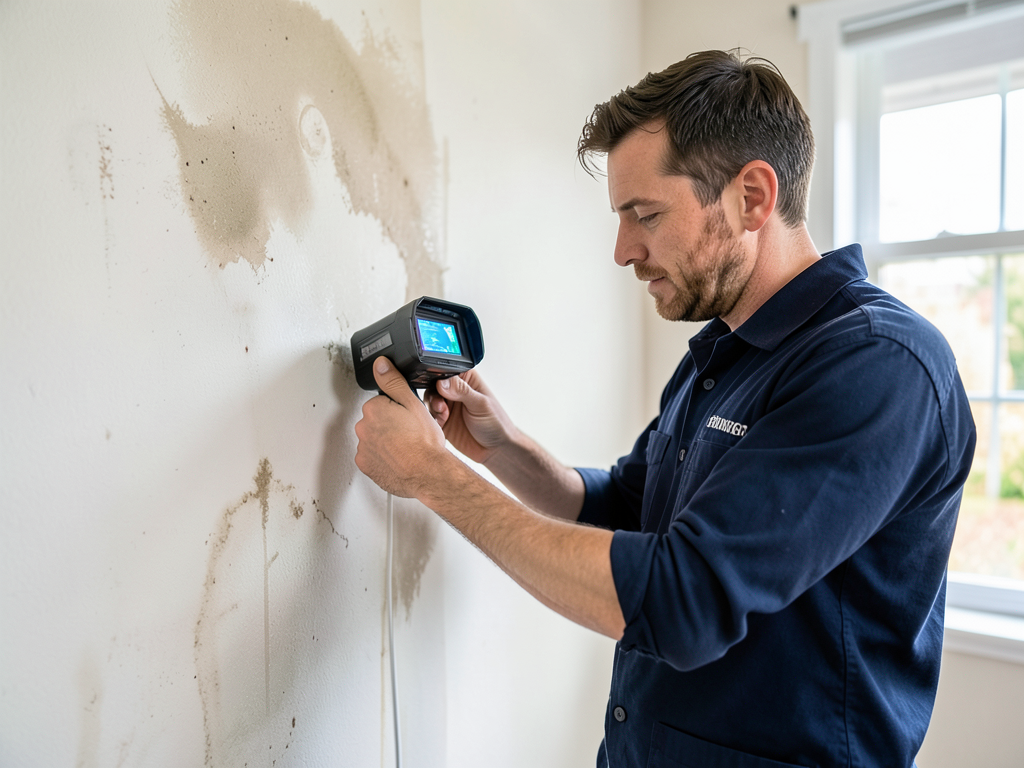
How the high mineral content in Greenwich water affects your plumbing and leak risk Greenwich…

Tracking down hidden water damage in your custom basement wet bar or wine tasting room…
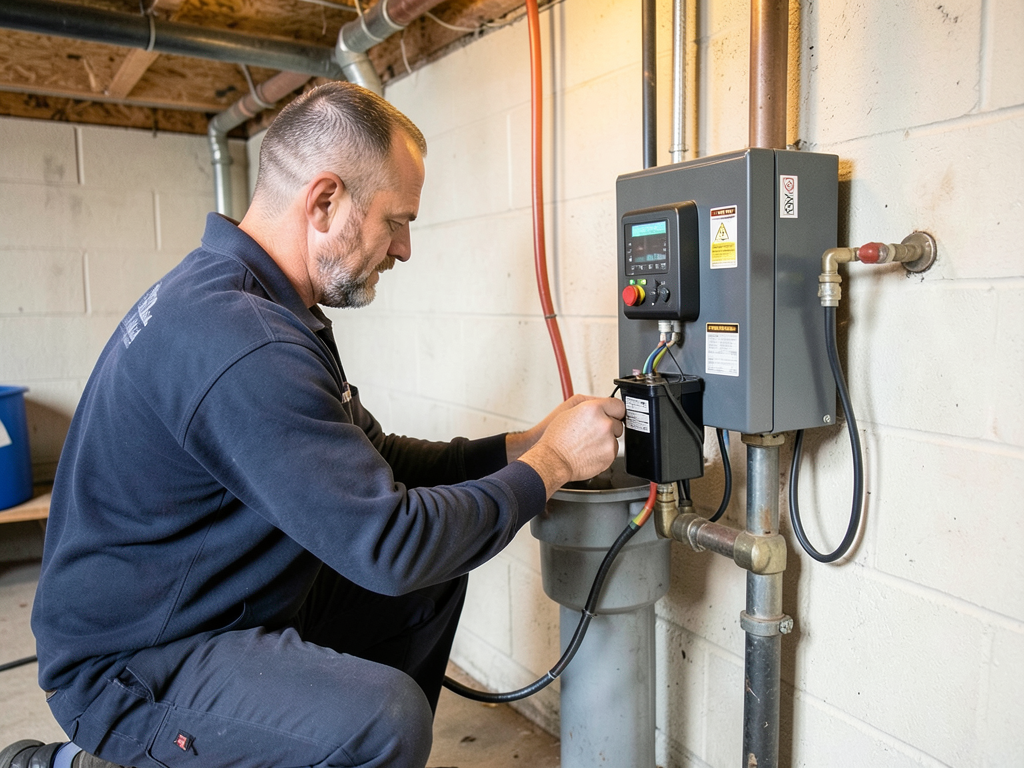
When coastal storms hit Greenwich and the power goes out, your basement's first line of…
Water damage worsens every hour you wait. Our certified crews respond to West Haven properties within 60 minutes, 24/7 including holidays. Stop the damage now and protect your insurance coverage. Call Heritage Water Damage Restoration Greenwich at (475) 320-3777 for immediate dispatch. Every minute counts.