

menu

Mold Remediation & Removal in Greenwich – Complete Abatement by Certified Indoor Air Quality Specialists

Comprehensive mold remediation and removal services for Greenwich properties, including post-inspection clearance testing, containment barriers, HEPA filtration, and documented decontamination protocols that meet Connecticut DPH guidelines for safe occupancy.

Slider Image 1
Slider Image 2
Slider Image 3
Slider Image 4
Slider Image 5
Slider Image 7
Slider Image 8
Slider Image 9
Slider Image 10
Slider Image 11

Why Greenwich Properties Face Persistent Mold Growth After Water Events

Greenwich sits where Long Island Sound meets Connecticut's humid continental climate. Your property faces year-round moisture challenges that most restoration companies overlook.

Spring storms push humid marine air inland. Summer brings 75-85% relative humidity. Fall brings basement condensation as temperatures drop. Winter freeze-thaw cycles crack foundations and ice dams trap water in attics. Every season creates the 60%+ humidity and organic materials mold needs to colonize.

The older housing stock in central Greenwich and Riverside contains pre-1950s plaster walls that trap moisture. Modern construction in back country estates uses spray foam insulation that seals moisture inside wall cavities. Both create hidden mold colonies behind walls where you cannot see growth until respiratory symptoms start.

Most property owners discover mold after water damage restoration ends. The original company dried visible surfaces but missed trapped moisture in wall cavities, beneath hardwood floors, or inside HVAC ductwork. Mold spores germinate within 24-48 hours. By the time you smell the musty odor or see black spots on baseboards, the colony has been growing for weeks.

Professional mold removal requires more than wiping surfaces with bleach. Effective mold abatement means identifying moisture sources, establishing containment barriers, removing contaminated materials, decontaminating affected areas with antimicrobial agents, and validating clearance through third-party air quality testing.

Liberty Water Damage Restoration Riverside handles the complete mold mitigation process from initial moisture mapping through final clearance documentation. We locate hidden moisture, contain affected zones, and restore your indoor air quality to pre-loss conditions.

Why Greenwich Properties Face Persistent Mold Growth After Water Events
How Professional Mold Cleanup Services Differ From Surface Treatment

How Professional Mold Cleanup Services Differ From Surface Treatment

Surface cleaning does not eliminate mold. Colonies extend root structures called hyphae deep into porous materials like drywall, insulation, and wood framing. Wiping visible growth leaves the mycelia network intact. The colony returns within days.

Professional mold decontamination follows a systematic protocol that addresses the complete contamination zone.

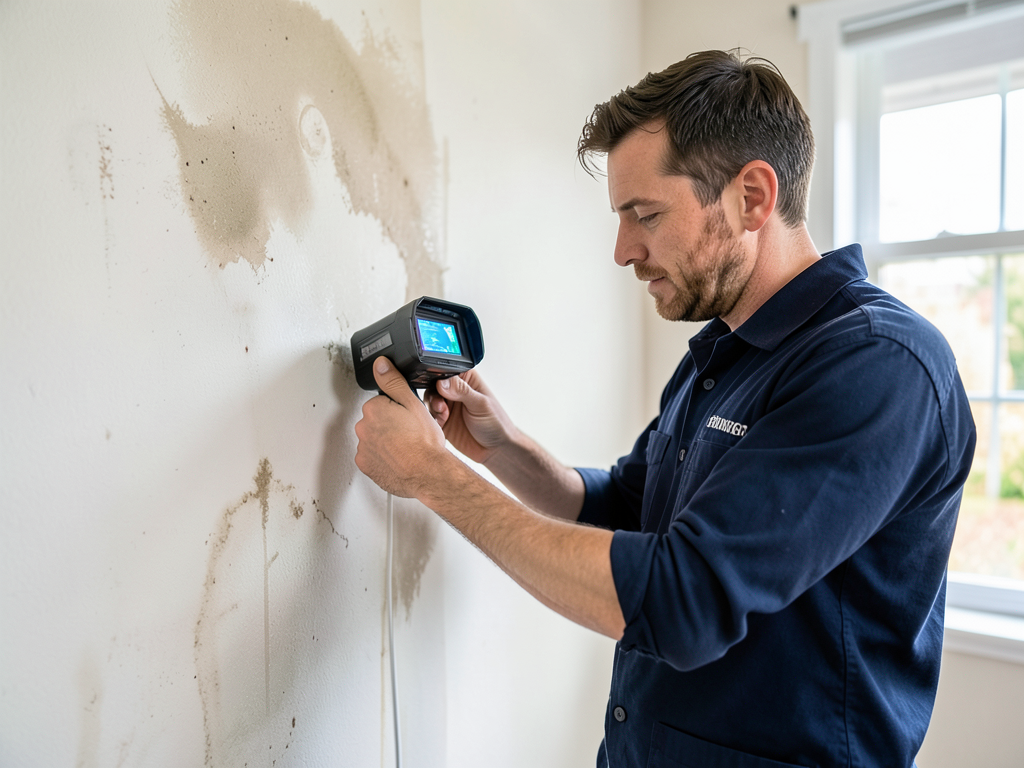
We begin with moisture mapping using thermal imaging and pin-type moisture meters. Mold grows where moisture content exceeds 16% in wood or 1% in drywall. We identify every area where elevated moisture creates growth conditions, including hidden zones inside wall cavities and above ceiling tiles.

Next, we establish negative air containment. This means sealing the work area with 6-mil polyethylene barriers and installing HEPA-filtered air scrubbers that create negative pressure. Contaminated air cannot escape into clean areas. All air exits through HEPA filters that capture 99.97% of particles down to 0.3 microns, including mold spores.

Material removal follows IICRC S520 standards. We remove contaminated porous materials like drywall, insulation, carpet, and ceiling tiles. These materials cannot be effectively cleaned once mold penetrates the surface. Semi-porous materials like wood framing receive abrasive cleaning and antimicrobial treatment. Non-porous materials like metal and glass get cleaned and disinfected.

We apply EPA-registered antimicrobial agents to all affected surfaces. These solutions kill remaining spores and prevent regrowth during the drying process.

Final air quality testing validates clearance. An independent hygienist collects air samples and compares spore counts to outdoor baseline levels. Your property receives a clearance certificate documenting safe occupancy before we remove containment barriers.

This is professional mold remediation. Anything less leaves you with recurring contamination and ongoing health risks.

What Happens During Your Mold Remediation Project

Mold Remediation & Removal in Greenwich – Complete Abatement by Certified Indoor Air Quality Specialists
01

Inspection and Containment

We identify contaminated areas using moisture meters and thermal imaging, then seal the work zone with polyethylene barriers and establish negative air pressure. This prevents cross-contamination to clean areas. All HVAC systems serving the affected zone get sealed or shut down. We install HEPA air scrubbers that exhaust outside or through filtration units, creating a clean-to-dirty airflow pattern that protects occupants.
02

Removal and Decontamination

Contaminated porous materials get bagged and removed following Connecticut waste handling regulations. We HEPA-vacuum all surfaces before and after removal to capture loose spores. Wood framing and structural elements receive wire brush cleaning, HEPA vacuuming, and antimicrobial treatment. We apply encapsulants to surfaces that cannot be removed but show no active growth. All debris exits through decontamination chambers to prevent spore dispersal.
03

Verification and Clearance

After remediation, an independent indoor air quality professional collects air samples from remediated areas and outdoor control samples. Lab analysis compares spore counts and species. When results show spore levels equal to or lower than outdoor baseline, you receive a clearance certificate. Only then do we remove containment and authorize reconstruction. This documentation protects you during insurance claims and future property transactions.

Why Greenwich Property Owners Choose Local Mold Mitigation Experts

Greenwich properties require mold remediation specialists who understand coastal Connecticut construction and local environmental conditions. National franchises send technicians who follow generic protocols. They miss the specific moisture patterns that affect your property.

We know how Greenwich homes behave. The stone foundations in Old Greenwich trap groundwater. The slate roofs in Riverside shed ice dams onto gutter-free eaves. The finished basements in central Greenwich flood during spring nor'easters when combined sewer systems back up. Each neighborhood has unique moisture vulnerabilities that create mold growth patterns.

Local building codes matter during remediation. Greenwich requires permits for structural demolition above certain square footage thresholds. Connecticut DPH guidelines establish specific clearance criteria for schools and commercial properties. We handle all permitting and documentation requirements so your project proceeds without delays or compliance issues.

Insurance claims require proper documentation. We photograph moisture readings, document contaminated material removal, and provide detailed scope-of-work reports that insurance adjusters accept. Our clearance certificates from independent hygienists satisfy insurance requirements and protect you from claim denials.

Response time matters during mold emergencies. We arrive within hours, not days. Our equipment stays in Greenwich, not three states away. When a burst pipe floods your basement at 2 AM on Sunday, we start containment and extraction immediately. Delayed response means wider contamination and higher remediation costs.

Liberty Water Damage Restoration Riverside maintains relationships with local environmental consultants, industrial hygienists, and building inspectors. This network ensures your remediation project meets technical standards and regulatory requirements. You get complete mold abatement from professionals who understand Greenwich properties.

What to Expect During Your Mold Remediation Process

Response Time and Project Duration

We begin initial assessment within 2-4 hours of your call for emergency situations. Containment setup typically completes within the first day. Small remediation projects in single rooms take 2-3 days. Larger projects involving multiple rooms or structural cavities take 5-7 days. Timeline depends on contamination extent, material removal requirements, and drying time. We work continuously once containment is established to minimize disruption. Projects cannot be rushed because proper drying and antimicrobial treatment require specific contact times and environmental conditions.

Initial Assessment and Moisture Mapping

Your assessment includes visual inspection, thermal imaging, and moisture content readings throughout suspected areas. We check behind baseboards, inside wall cavities, above ceilings, and in HVAC systems. You receive a detailed contamination map showing affected areas and moisture levels. We identify the water source causing mold growth, whether it is a plumbing leak, roof penetration, foundation seepage, or condensation issue. The assessment determines remediation scope and helps you understand the full extent before work begins. Most assessments take 1-2 hours depending on property size.

Clearance Testing and Documentation

After remediation, an independent certified indoor air quality professional collects air samples from treated areas. Lab analysis identifies spore types and concentrations. Results come back within 48-72 hours. Acceptable clearance means spore counts match or fall below outdoor baseline levels. You receive a written clearance certificate with lab reports before containment removal. This documentation satisfies insurance companies, protects future property sales, and confirms your indoor air quality meets health standards. Failed clearance tests require additional remediation before resampling.

Post-Remediation Moisture Control

Successful remediation requires fixing the moisture source. We identify needed repairs like plumbing fixes, improved ventilation, dehumidification systems, or drainage corrections. You receive specific recommendations for preventing recurrence. Many Greenwich properties need basement dehumidification to maintain relative humidity below 60% year-round. Crawl spaces may need encapsulation. Bathrooms often need exhaust fan upgrades. We coordinate with qualified contractors for repairs outside our scope. Ongoing moisture control prevents future mold growth and protects your remediation investment.

Frequently Asked Questions

You Have Questions,
We Have Answers

How much does it cost to remove mold? +

Mold removal costs vary based on the size of the affected area, severity of contamination, and accessibility. Small projects under 10 square feet may run a few hundred dollars. Larger infestations spanning multiple rooms or structural cavities cost significantly more. Greenwich homes with finished basements or older HVAC systems often face higher costs due to hidden growth behind walls or in ductwork. Factors like containment needs, air filtration equipment, and post-remediation testing influence the final price. The extent of water damage causing the mold also impacts cost. Get a professional inspection to identify all affected areas before budgeting.

What is the difference between mold removal and mold remediation? +

Mold removal simply eliminates visible mold from surfaces. Mold remediation addresses the root cause and restores contamination to safe levels. Remediation includes containment to prevent spore spread, air filtration, removing porous materials that cannot be salvaged, treating surfaces with antimicrobial solutions, and fixing moisture sources like leaks or humidity problems. Greenwich's coastal humidity and older homes with crawl spaces require true remediation, not just surface cleaning. Removal alone leaves spores behind and does not fix moisture issues, guaranteeing regrowth. Remediation follows industry protocols to prevent future contamination and protect your property value.

How much does full mold remediation cost? +

Full mold remediation costs depend on contamination extent, structural damage, and necessary repairs. Projects range from moderate expenses for isolated bathroom mold to substantial costs for whole-house contamination involving HVAC cleaning, wall removal, and subfloor replacement. Greenwich properties with finished basements prone to groundwater seepage or historic homes with poor ventilation often require comprehensive work. Costs include containment setup, specialized equipment like negative air machines, disposal of contaminated materials, antimicrobial treatments, and post-remediation verification testing. Severe cases requiring structural repairs or temporary relocation add expense. Professional assessment identifies the full scope before work begins.

Is professional mold removal worth it? +

Professional mold removal is worth it when contamination exceeds 10 square feet, involves toxic species like black mold, or affects HVAC systems. Professionals use containment barriers and negative air pressure to prevent cross-contamination during removal. They identify hidden mold in wall cavities, under flooring, or in ductwork that you cannot see. Greenwich homes with valuable finishes or historical features need expert handling to avoid further damage. Professionals fix underlying moisture problems and provide documentation for insurance claims or real estate transactions. DIY attempts often spread spores throughout your home and miss the moisture source, wasting time and money.

What kills mold permanently? +

Nothing kills mold permanently if moisture remains. Mold needs organic material, oxygen, and water to grow. Removing the water source is the only permanent solution. Antimicrobial treatments and encapsulants kill surface mold and prevent regrowth on treated areas, but they fail if leaks continue or humidity stays elevated. Greenwich's coastal climate and summer humidity require dehumidification and proper ventilation. Fix roof leaks, foundation seepage, or plumbing issues first. Then remove contaminated porous materials like drywall or insulation. Treat remaining surfaces with EPA-registered fungicides. Control indoor humidity below 50 percent to prevent future growth.

What are signs of mold exposure? +

Mold exposure causes respiratory symptoms like coughing, wheezing, throat irritation, and nasal congestion. You may experience headaches, fatigue, skin rashes, or eye irritation. People with asthma or allergies face worse reactions, including asthma attacks. Prolonged exposure to toxic molds can cause more severe neurological symptoms or immune suppression. If symptoms improve when you leave your Greenwich home and return when you come back, suspect mold contamination. Musty odors, visible growth on walls or ceilings, and water stains indicate potential problems. Children and elderly residents show symptoms faster. Seek medical attention if respiratory issues persist.

Can I remediate mold myself? +

You can remediate small mold spots under 10 square feet if you have no health conditions. Wear an N95 respirator, gloves, and eye protection. Isolate the work area with plastic sheeting. Clean hard surfaces with detergent and water, then dry completely. Discard porous materials like drywall or carpet that show contamination. Do not attempt remediation if mold affects HVAC systems, covers large areas, or involves sewage backup. Greenwich homes with hidden mold in wall cavities or crawl spaces need professional equipment like moisture meters and thermal cameras. Improper DIY work spreads spores and worsens contamination. Know your limits.

Why is mold remediation so expensive? +

Mold remediation costs reflect specialized equipment, containment protocols, and labor intensity. Professionals use negative air machines, HEPA vacuums, moisture meters, and antimicrobial treatments. Containment barriers prevent spores from spreading during removal. Disposing of contaminated materials follows strict regulations. Technicians wear protective gear and work in difficult conditions like crawl spaces or attics. Greenwich's housing stock includes older homes with plaster walls and tight spaces that complicate access. Post-remediation testing verifies success. Liability insurance and technician certifications add overhead. Cutting corners risks incomplete removal, cross-contamination, and health hazards. The investment protects your property and family health.

How long should you stay out of house after mold remediation? +

You can return home immediately after mold remediation if the company provides clearance testing showing spore counts at safe levels. Most projects allow same-day return once containment barriers come down and air scrubbers finish running. Extensive projects involving significant demolition or strong antimicrobial treatments may require waiting 24 hours for ventilation. Ask your remediation company for specific timing based on products used. Greenwich residents with severe mold allergies or respiratory conditions should wait for lab-confirmed clearance before returning. Ensure all moisture sources are fixed and dehumidifiers are running. The space should smell fresh, not musty or chemical-laden.

What to do if you can't afford mold remediation? +

If you cannot afford full remediation, prioritize containment and moisture control. Isolate affected rooms with plastic sheeting and tape. Fix leaks immediately and run dehumidifiers to drop humidity below 50 percent. Remove small contaminated areas yourself using proper protection. Discard moldy porous materials you can access safely. Some remediation companies offer payment plans or work with insurance adjusters to maximize claims. Connecticut offers emergency home repair loans through local housing authorities for qualifying homeowners. Address the moisture source first to stop growth. Delaying full remediation allows contamination to spread, increasing eventual costs and health risks for your family.

How Greenwich's Coastal Humidity Accelerates Mold Growth After Water Damage

Greenwich's location on Long Island Sound creates elevated baseline humidity that accelerates mold colonization after water intrusion events. Summer relative humidity regularly exceeds 75%, while salt-laden marine air increases corrosion and moisture penetration in building envelopes. Properties in Riverside, Old Greenwich, and Cos Cob face direct coastal exposure. Inland areas see humidity from the Byram River, Mianus River, and numerous wetlands. This constant moisture means mold spores germinate faster here than in drier Connecticut regions. What takes 48 hours to colonize in Hartford happens in 24-36 hours in Greenwich. Professional mold abatement must account for this accelerated timeline and ongoing environmental moisture that makes prevention more challenging than other markets.

Greenwich's mix of historic properties and modern construction requires remediation specialists who understand both traditional and contemporary building systems. Pre-war homes in the central business district contain horsehair plaster, balloon framing, and stone foundations that behave differently than modern construction during water events. Back country estates use spray foam insulation and complex HVAC systems that trap moisture in ways older homes do not. Local building officials enforce strict standards for work in historic districts and conservation zones. We maintain relationships with Greenwich building inspectors and understand permit requirements for remediation projects that involve structural demolition or exterior work. This local knowledge prevents project delays and ensures your mold cleanup services meet municipal code requirements.

Water Damage Restoration Services in The Greenwich Area

Our service area is designed to cover the entire region, ensuring that no matter where you are, we can get to you quickly and efficiently. We invite you to view our location on the map and see our central hub, from which we dispatch our rapid response teams. We are committed to serving our local community with speed, expertise, and a dedication to quality that you can always rely on.

Address:
Heritage Water Damage Restoration Greenwich, 145 Mason St, Greenwich, CT, 06830

Additional Services We Offer

Our news updates

Latest Articles & News from The Blogs

How the high mineral content in Greenwich water affects your plumbing and leak risk Greenwich residents face a hidden threat…

How the high mineral content in Greenwich water affects your plumbing and leak risk

How the high mineral content in Greenwich water affects your plumbing and leak risk Greenwich residents face a hidden threat…

Tracking down hidden water damage in your custom basement wet bar or wine tasting room

Tracking down hidden water damage in your custom basement wet bar or wine tasting room \n\n Water damage in a…

How to keep your sump pump running during a massive Greenwich power outage

When coastal storms hit Greenwich and the power goes out, your basement's first line of defense against flooding fails too.…

Contact Us

Visible mold means hidden contamination behind walls and inside cavities. Call Liberty Water Damage Restoration Riverside now at (475) 320-3777 for professional assessment and certified remediation. We respond to Greenwich properties within hours and provide clearance documentation that satisfies insurance requirements.