

menu

Steps to Take After a Flood in Greenwich – Your Complete Post-Flood Recovery Checklist

When floodwaters recede in Greenwich, the real work begins. Learn the critical immediate actions after flooding, from water extraction to insurance documentation, that protect your property and health during post-flood recovery.

Slider Image 1
Slider Image 2
Slider Image 3
Slider Image 4
Slider Image 5
Slider Image 7
Slider Image 8
Slider Image 9
Slider Image 10
Slider Image 11

Why Greenwich Homes Face Unique Flood Recovery Challenges

Greenwich sits in a coastal zone where Long Island Sound storm surges combine with heavy rainfall runoff from inland areas. When flooding hits, the brackish water mixture carries sediment, debris, and contaminants that complicate water damage clean up steps. You are dealing with more than just water. The salt content accelerates corrosion of electrical systems and HVAC components. The organic matter in floodwater creates rapid microbial growth in Greenwich's humid climate, often within 24 to 48 hours.

The town's mix of historic homes and newer construction adds complexity to post-flood recovery. Older properties near the harbor feature plaster walls and hardwood floors that absorb water differently than modern drywall and laminate. Many Greenwich neighborhoods have finished basements with valuable living spaces, home offices, and recreational areas. When floodwater invades these lower levels, you face extensive structural drying needs and potential mold colonization in wall cavities.

Greenwich building codes require specific flood mitigation measures in designated flood zones, but many homeowners do not know what to do after a house flood strikes. The immediate actions you take determine whether you face a manageable restoration or a total rebuild. Waiting even 24 hours to begin extraction and drying can triple your restoration costs and create long-term structural issues. Every hour counts when floodwater sits in contact with building materials, furnishings, and personal belongings.

Why Greenwich Homes Face Unique Flood Recovery Challenges
The Professional Approach to Flood Damage Recovery

The Professional Approach to Flood Damage Recovery

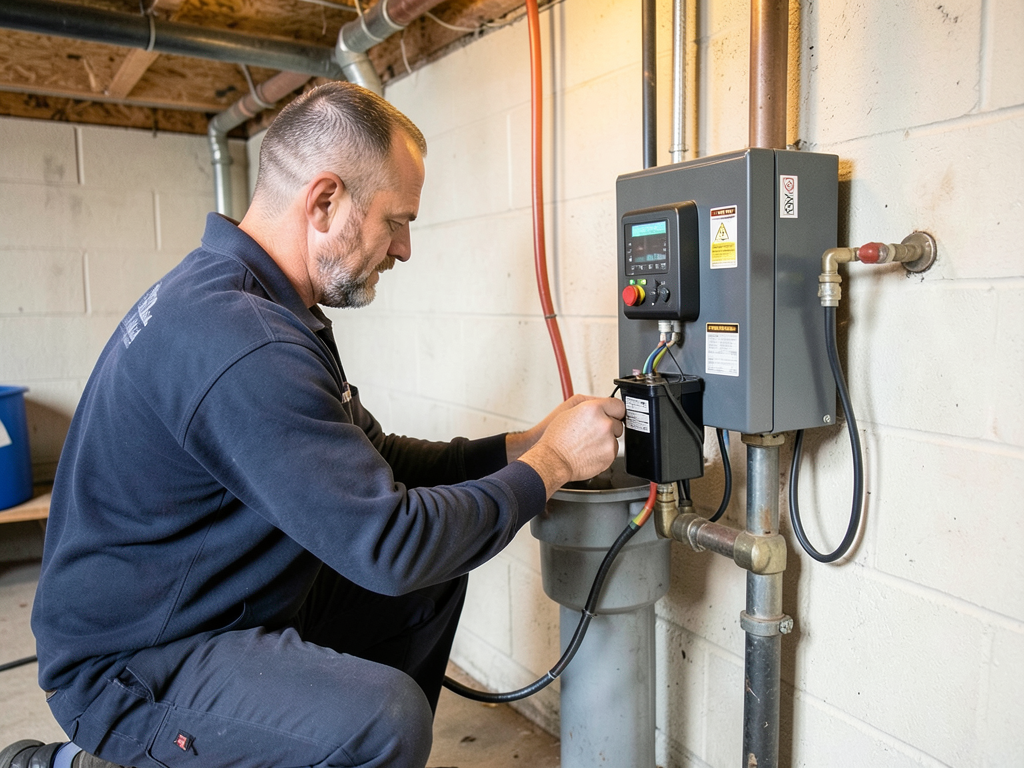
Effective flood recovery follows a specific sequence that maximizes salvage and minimizes secondary damage. The first priority involves safety assessment. Before you enter a flooded structure, electrical systems must be evaluated and shut down if necessary. Standing water can energize metal fixtures and create electrocution hazards. We verify structural integrity, checking for foundation damage, compromised load-bearing walls, and ceiling collapse risks before beginning extraction.

Water classification determines the restoration approach. Category 3 water, which includes floodwater from rivers or storm surge, contains grossly contaminated liquid with pathogenic bacteria, viruses, and chemical pollutants. This classification requires specialized handling protocols and antimicrobial treatments that standard water damage clean up steps do not address. We use truck-mounted extraction units that remove hundreds of gallons per minute, followed by trailer-mounted desiccant dehumidifiers that process the humid air mass inside your structure.

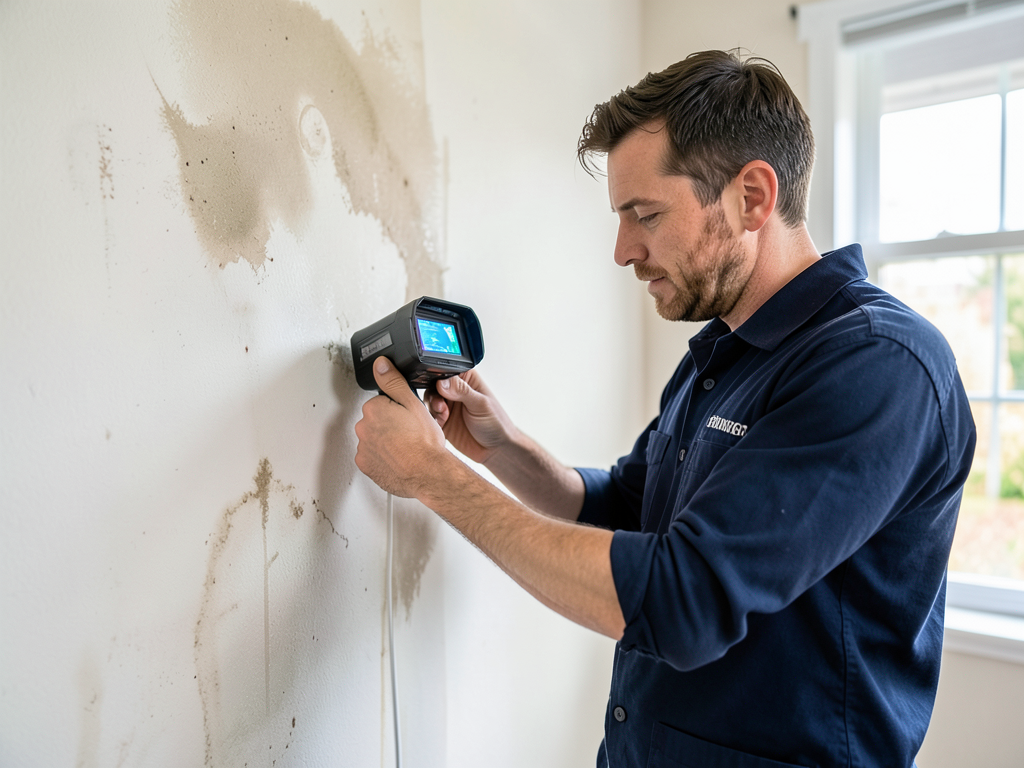
The guide to handling flood damage includes psychrometric monitoring. We measure temperature, relative humidity, and moisture content in materials using thermal imaging cameras and penetrating moisture meters. These readings create a drying map that tracks progress and identifies hidden moisture pockets in wall assemblies and subfloor systems. Your insurance carrier requires this documentation to validate the scope of work and approve claims. We coordinate directly with adjusters, providing daily moisture logs and photo documentation that streamline the claims process.

Heritage Water Damage Restoration Greenwich uses IICRC S500 standards for water damage restoration, which specify drying goals, equipment requirements, and antimicrobial protocols for different material types and contamination levels.

What Happens During Your Flood Recovery Timeline

Steps to Take After a Flood in Greenwich – Your Complete Post-Flood Recovery Checklist
01

Emergency Contact and Assessment

You call our emergency line at (475) 320-3777, and we dispatch a crew within 90 minutes. Our team arrives with moisture detection equipment, safety gear, and extraction units. We photograph conditions, measure water depth and affected areas, and create an initial scope of work. You receive a verbal overview of the immediate actions needed and a timeline for the extraction phase before we begin work.
02

Water Extraction and Structural Drying

We remove standing water using truck-mounted extractors, then position air movers and dehumidifiers throughout affected areas. Wall cavities are opened as needed to allow air circulation behind surfaces. We monitor conditions twice daily, adjusting equipment based on moisture readings. Most structures reach drying goals within four to seven days, though basements and crawl spaces may require extended drying cycles in Greenwich's coastal humidity.
03

Antimicrobial Treatment and Rebuild Prep

Once materials reach appropriate moisture levels, we apply antimicrobial treatments to all surfaces contacted by floodwater. This prevents mold colonization during the rebuild phase. We provide a certificate of completion with final moisture readings and photo documentation. Your structure is clean, dry, and ready for reconstruction. We coordinate with your insurance adjuster to close out the emergency services portion of your claim.

Why Greenwich Residents Choose Local Flood Recovery Experts

Greenwich flood damage requires knowledge of local conditions that out-of-town restoration companies do not possess. We understand how storm surge from Long Island Sound behaves differently than freshwater flooding. We know which neighborhoods sit in FEMA-designated flood zones and what that means for your insurance coverage and rebuilding requirements. Our familiarity with local building officials and permitting processes eliminates delays when reconstruction begins.

The post-flood recovery checklist changes based on your property type. Historic homes in Riverside or Old Greenwich need different handling than modern construction in Cos Cob. Heritage Water Damage Restoration Greenwich has restored properties throughout every Greenwich neighborhood, from waterfront estates to inland residential areas. We recognize the architectural details that define Greenwich homes and prioritize salvaging original materials when possible.

Insurance claims move faster when you work with a local company that adjusters know and trust. We maintain relationships with every major carrier that writes policies in Fairfield County. Our estimates follow Xactimate pricing, the industry-standard software that insurance companies use for claims valuation. This eliminates the back-and-forth negotiation that delays payments and extends your displacement time.

Response speed matters in flood situations. We maintain equipment staging areas in Greenwich, which means our crews arrive with trailer-mounted dehumidifiers and industrial air movers already loaded. National franchise operations dispatch from regional hubs, adding hours to response times. Those extra hours translate to additional damage, higher costs, and more extensive repairs. When you call Liberty Water Damage Restoration Riverside at (475) 320-3777, you get a local crew that knows your neighborhood and arrives prepared for Greenwich-specific flood conditions.

What to Expect During Your Flood Restoration Project

Rapid Response and Immediate Stabilization

We answer emergency calls 24 hours per day, seven days per week. When you contact us, you speak directly with a restoration supervisor who can dispatch a crew immediately. Our average response time to Greenwich addresses is 90 minutes or less. The first crew arrives with extraction equipment and begins water removal while assessing structural conditions and safety concerns. We do not wait for business hours or schedule callbacks. Flood damage progresses rapidly, and our immediate response limits secondary damage that increases your total restoration cost and extends your recovery timeline.

Comprehensive Damage Documentation and Moisture Mapping

Every flood restoration begins with thorough documentation. We photograph all affected areas, measure moisture content in floors, walls, and ceilings, and create a detailed scope of work. Thermal imaging cameras reveal hidden moisture in wall cavities and under flooring that visual inspection misses. We provide you with daily moisture logs that track drying progress and demonstrate to your insurance carrier that we are following proper restoration protocols. This documentation becomes part of your claim file and protects you if coverage disputes arise later in the process.

Complete Structural Drying and Verified Results

Your structure is not dry when it looks dry. Materials hold moisture internally that continues causing damage until proper drying goals are met. We use calibrated moisture meters to verify that wood framing, drywall, insulation, and subfloors reach acceptable moisture content levels. Our equipment remains in place until readings confirm complete drying. You receive a certificate of completion with final moisture readings and before-and-after photos. This documentation satisfies insurance requirements and provides peace of mind that hidden moisture will not cause mold growth or structural decay after we leave.

Antimicrobial Protection and Mold Prevention

Floodwater contains bacteria, sewage, and organic matter that create ideal conditions for mold growth. After drying your structure, we apply EPA-registered antimicrobial treatments to all surfaces that contacted floodwater. These treatments eliminate existing microbial contamination and provide residual protection during the rebuild phase. We focus on wall cavities, subfloor areas, and HVAC systems where mold colonization often begins. If mold growth is already present, we follow IICRC S520 protocols for remediation before reconstruction begins. You receive documentation of all antimicrobial treatments for your records and insurance file.

Frequently Asked Questions

You Have Questions,
We Have Answers

What steps to take after a flood? +

First, ensure everyone is safe and avoid electrical hazards. Document all damage with photos and videos for insurance claims. Contact your insurance company immediately. Remove standing water as quickly as possible to prevent mold growth, which thrives in Greenwich's humid coastal climate. Salvage valuables and move furniture to dry areas. Do not attempt major restoration work yourself. Call a professional water damage restoration company within 24 hours. Professionals have industrial dehumidifiers and moisture meters to detect hidden water in walls and subfloors. Acting fast reduces secondary damage and repair costs.

What should be done after the flood? +

After a flood, prioritize safety by shutting off electricity and gas if you can do so safely. Ventilate your home by opening windows and doors to promote air circulation. Remove wet materials like carpeting, insulation, and drywall that cannot be salvaged. Disinfect all affected surfaces to prevent bacteria and mold. In Greenwich, where older homes often have basements prone to flooding, inspect foundation walls for cracks or seepage. Keep detailed records of all cleanup activities and expenses. Professional remediation ensures thorough drying and prevents long-term structural issues common in coastal Connecticut properties.

What precautions should be taken after a flood? +

Wear protective gear including gloves, boots, and masks when entering flooded areas. Floodwater often contains sewage, chemicals, and debris. Do not use contaminated water for drinking or cooking. Inspect your home for structural damage before re-entry. Watch for gas leaks and electrical hazards. In Greenwich's older neighborhoods, hidden mold can develop quickly in wall cavities and crawl spaces. Discard any food that contacted floodwater. Use fans and dehumidifiers to dry out spaces, but avoid spreading contaminated dust. Professional testing can identify hidden moisture pockets that lead to mold outbreaks weeks later.

What should you do after going through a flood? +

Document everything for insurance purposes with detailed photos and videos. Contact your insurer immediately to start the claims process. Remove water-damaged items and separate salvageable belongings. Focus on drying out the structure quickly to prevent mold, which can colonize within 48 hours in Greenwich's humid environment. Do not delay cleanup. Professionals use thermal imaging cameras to find trapped moisture in walls and floors. Disinfect all surfaces that contacted floodwater. Keep receipts for temporary housing, meals, and cleanup supplies. Professional restoration companies work directly with insurance adjusters to streamline your claim.

What to spray on walls after a flood? +

Spray a disinfectant solution on walls after removing damaged drywall and insulation. Use an EPA-registered antimicrobial or a bleach solution (one cup bleach per gallon of water) to kill bacteria and prevent mold. In Greenwich homes, where flooding often affects finished basements, treat both sides of walls if accessible. Let surfaces dry completely before applying mold-inhibiting primers. Do not paint over wet or contaminated walls. Professional remediation companies use commercial-grade antimicrobials that penetrate porous materials. They also apply encapsulants to seal surfaces and prevent future mold growth in high-humidity areas.

What are the 5 steps of disaster recovery? +

The five steps of disaster recovery are assessment, stabilization, restoration, reconstruction, and prevention. First, assess damage and document losses. Second, stabilize the property by removing water and preventing further damage. Third, restore salvageable materials through cleaning and drying. Fourth, reconstruct damaged areas by replacing drywall, flooring, and systems. Fifth, implement prevention measures like waterproofing and sump pumps. In Greenwich, where coastal storms and aging infrastructure cause frequent flooding, professional restoration companies follow IICRC standards to ensure thorough recovery. Each phase requires specialized equipment and expertise to protect your investment and prevent recurring issues.

What should you avoid doing after a flood? +

Do not enter your home if structural damage is visible. Avoid contact with floodwater, which contains sewage and chemicals. Never use electrical appliances or touch outlets in wet areas. Do not attempt to pump out a flooded basement too quickly, as it can cause foundation collapse due to external soil pressure. Avoid discarding items before documenting them for insurance. In Greenwich's historic districts, do not rush demolition without consulting preservation guidelines. Never ignore hidden moisture in walls and floors. Skipping professional assessment leads to mold outbreaks and structural rot that cost significantly more to repair later.

What are the 5 steps of preparedness? +

The five steps of preparedness are risk assessment, planning, assembling supplies, training, and regular review. First, identify flood risks specific to your property. Second, create an emergency plan with evacuation routes. Third, stock supplies like water, food, flashlights, and first aid kits. Fourth, train household members on shutoff valve locations and emergency procedures. Fifth, review and update your plan annually. Greenwich residents near Long Island Sound or low-lying areas should maintain sump pumps and check-valves. Keep insurance policies current and store important documents in waterproof containers. Preparedness reduces panic and property damage.

How long to dry out a house after a flood? +

Drying out a flooded house typically takes three to five days with professional equipment, but can extend to two weeks for severe flooding. Greenwich's coastal humidity slows natural evaporation, making industrial dehumidifiers and air movers essential. Walls, subfloors, and insulation retain moisture longer than visible surfaces. Professionals use moisture meters to confirm materials reach safe levels below 15 percent. Rushing the process traps moisture and causes mold. Older homes with plaster walls and hardwood floors require extra drying time. Complete structural drying prevents rot, warping, and microbial growth that compromise your home's integrity.

What do people need after a flood? +

People need safe shelter, clean water, and food after a flood. They require financial assistance for repairs and temporary housing. Emotional support and community resources help manage stress. Homeowners need professional restoration services to dry structures, remove contaminated materials, and prevent mold. In Greenwich, where property values are high, insurance coordination and accurate damage documentation are critical. Residents need access to contractors familiar with local building codes and historic preservation requirements. Medical care may be necessary for injuries or exposure to contaminated water. Clear communication with insurers and restoration professionals reduces anxiety and accelerates recovery.

How Greenwich's Coastal Climate Affects Flood Recovery Timelines

Greenwich sits on Long Island Sound, where maritime air masses keep relative humidity elevated year-round. This coastal humidity directly impacts flood recovery. When floodwater invades a structure, the surrounding air already carries significant moisture content. Standard air movers and refrigerant dehumidifiers work slower in high-humidity environments, extending drying timelines. We compensate by using desiccant dehumidification systems that process humid air more efficiently. These trailer-mounted units create the low-humidity environment needed for rapid structural drying, even when outdoor conditions hover at 70 to 80 percent relative humidity. Without proper equipment selection, flood damage recovery in Greenwich can take twice as long as the same project in a drier climate.

Greenwich building officials enforce strict flood recovery standards in designated flood zones. Properties in AE and VE zones require compliance with FEMA guidelines for substantial damage determinations. If your flood damage exceeds 50 percent of your structure's pre-flood value, you face elevation requirements and major code upgrades. We work with local engineers and surveyors who understand Greenwich's flood zone regulations and can guide you through the compliance process. Our documentation supports accurate substantial damage calculations and helps you avoid unnecessary elevation requirements. This local expertise protects your investment and ensures your restoration meets all regulatory requirements for permitting and insurance coverage.

Water Damage Restoration Services in The Greenwich Area

Our service area is designed to cover the entire region, ensuring that no matter where you are, we can get to you quickly and efficiently. We invite you to view our location on the map and see our central hub, from which we dispatch our rapid response teams. We are committed to serving our local community with speed, expertise, and a dedication to quality that you can always rely on.

Address:
Heritage Water Damage Restoration Greenwich, 145 Mason St, Greenwich, CT, 06830

Additional Services We Offer

Our news updates

Latest Articles & News from The Blogs

Understanding the difference between rain damage and storm surge in Lucas Point Storm surges push saltwater inland at high speeds…

Understanding the difference between rain damage and storm surge in Lucas Point

Understanding the difference between rain damage and storm surge in Lucas Point Storm surges push saltwater inland at high speeds…

Salvaging designer wallpaper after a minor water leak in your Greenwich dining room

Salvaging Designer Wallpaper After a Minor Water Leak in Your Greenwich Dining Room When water seeps behind your designer wallpaper,…

Why you should never touch the standing water in your flooded basement yourself

Why you should never touch the standing water in your flooded basement yourself Standing water in your Greenwich basement is…

Contact Us

Do not let floodwater damage become a total loss. Call Liberty Water Damage Restoration Riverside at (475) 320-3777 right now for immediate dispatch. Our crews are standing by 24 hours per day to start your recovery and protect your Greenwich property.