

menu

Emergency Sewage Cleanup in Greenwich – Licensed Crews Arrive Within 60 Minutes 24/7

When raw sewage floods your home or business, every minute increases contamination risk and structural damage. Our rapid-response teams deploy immediately with industrial-grade extraction equipment and hospital-level disinfection protocols to protect your property and health in Greenwich.

Slider Image 1
Slider Image 2
Slider Image 3
Slider Image 4
Slider Image 5
Slider Image 7
Slider Image 8
Slider Image 9
Slider Image 10
Slider Image 11

Why Sewage Backups Escalate Fast in Greenwich Properties

A sewage backup does not wait for business hours. Category 3 water carries pathogens, viruses, and bacteria that contaminate drywall, subflooring, and HVAC systems within hours. In Greenwich, aging sewer laterals combined with heavy storm events create unique failure points. When heavy rainfall overwhelms combined sewer systems near the Cos Cob Harbor watershed, pressure surges force raw sewage back through floor drains and toilets.

The health risk is immediate. E. coli, hepatitis A, and salmonella thrive in sewage-contaminated environments. Children, elderly residents, and anyone with compromised immunity face serious exposure. Greenwich's humid coastal climate accelerates microbial growth. What starts as a toilet overflow can become a biohazard disaster in 24 hours.

You need emergency sewage removal now, not a callback tomorrow. Our teams handle raw sewage remediation with Class 3 containment protocols. We respond to sewage backup cleanup calls in Riverside, Cos Cob, Old Greenwich, and Byram Shore within 60 minutes. We extract contaminated water, remove porous materials that cannot be salvaged, and begin antimicrobial treatment before secondary contamination spreads.

This is not a plumbing issue. This is a public health emergency that requires urgent sewer water cleanup by trained professionals. Every hour you wait increases remediation complexity and cost. We stop the spread, eliminate the contamination, and restore safety to your property.

Why Sewage Backups Escalate Fast in Greenwich Properties
How Professional Sewage Extraction and Disinfection Works

How Professional Sewage Extraction and Disinfection Works

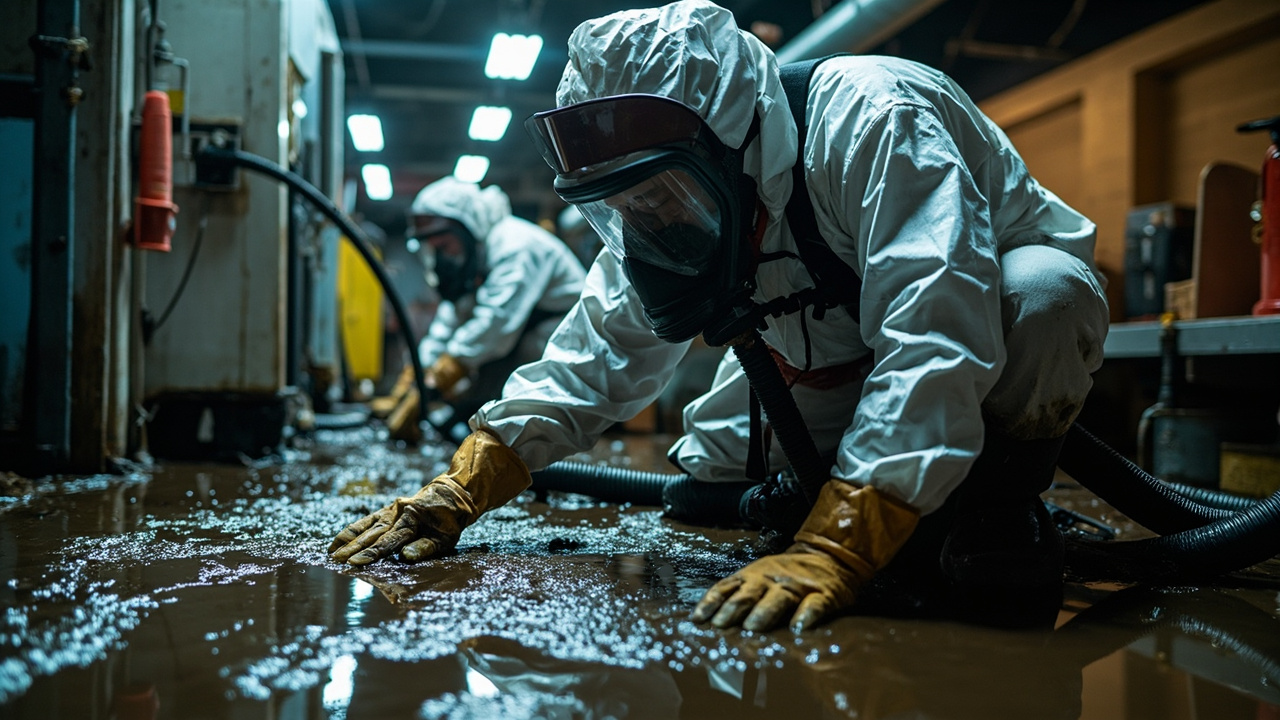
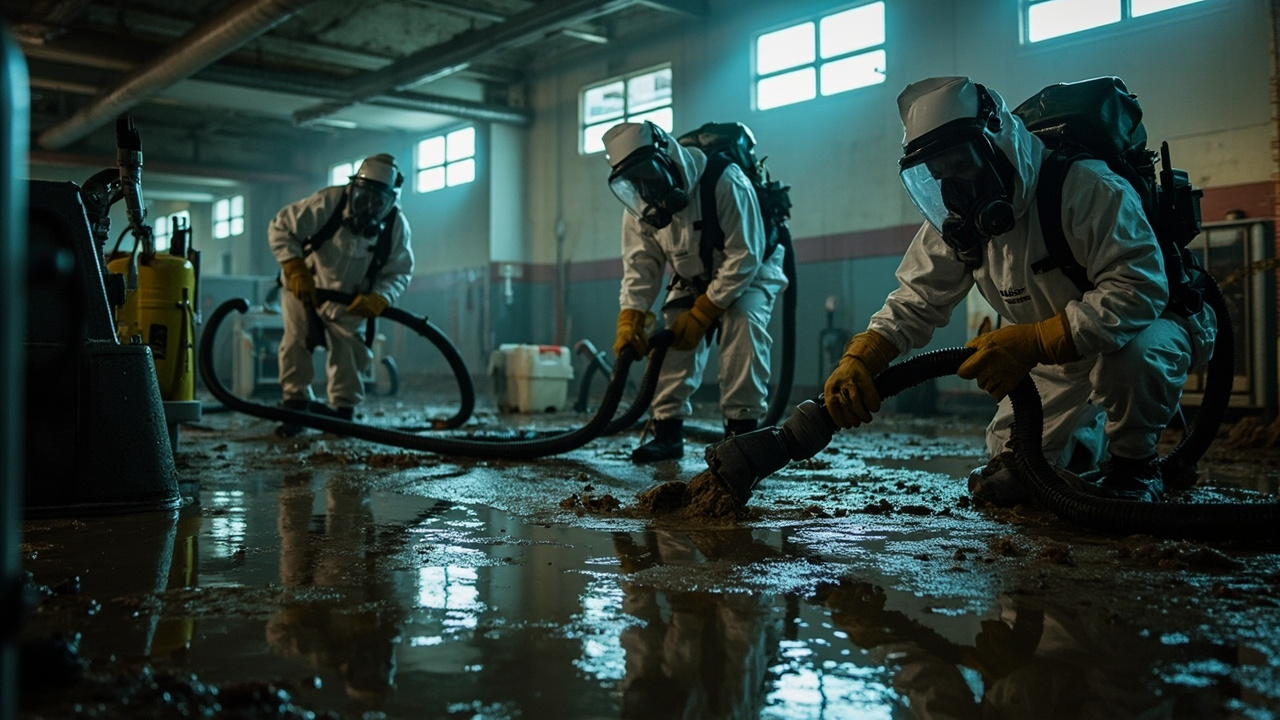
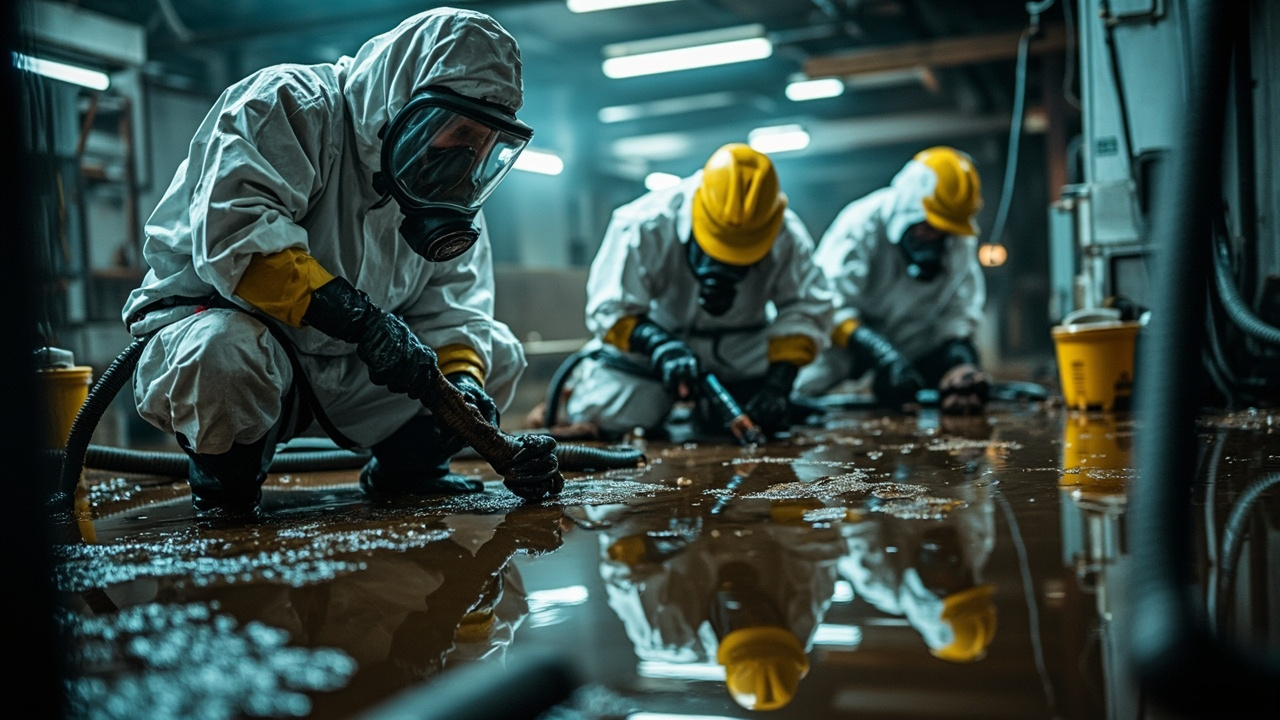
We do not just pump out black water and spray bleach. Proper 24 hour sewage extraction requires containment, controlled removal, and EPA-registered disinfection. Our technicians establish negative air pressure zones to prevent airborne pathogens from migrating through your property. We use truck-mounted extractors with sealed waste tanks, not shop vacs that aerosolize contaminants.

After extraction, we remove all Category 3 affected materials. Carpet, padding, baseboards, and drywall that contacted sewage get documented, removed, and disposed of according to Connecticut Department of Energy and Environmental Protection regulations. We do not take shortcuts. Porous materials cannot be saved.

Next comes antimicrobial application. We apply hospital-grade quaternary ammonium compounds and hydrogen peroxide solutions to all hard surfaces. Subfloors get treated with penetrating disinfectants that kill bacteria in wood grain. We fog air spaces with EPA-approved biocides to address airborne particulates.

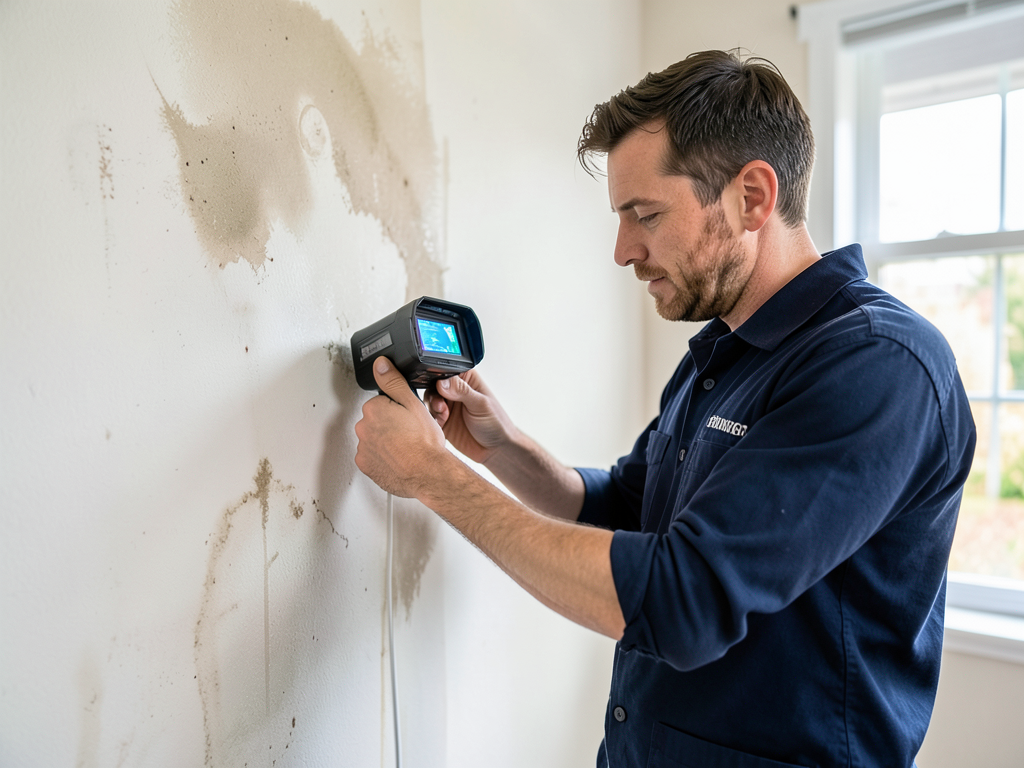
Air scrubbers with HEPA filtration run continuously during remediation. We create multiple air exchanges per hour to remove odor molecules and microbial VOCs. Thermal imaging confirms that moisture has not migrated into wall cavities or insulation. Moisture meters verify that all structural elements have returned to dry standard before we authorize reconstruction.

You get documentation at every phase. We photograph conditions, log moisture readings, and provide disposal manifests for contaminated materials. This documentation protects you during insurance claims and proves compliance if you sell the property later. We treat every sewage backup cleanup as both a health emergency and a liability exposure.

What Happens When You Call for Emergency Sewage Response

Emergency Sewage Cleanup in Greenwich – Licensed Crews Arrive Within 60 Minutes 24/7
01

Immediate Dispatch and Containment

We deploy a two-person crew within 60 minutes of your call. The team arrives with truck-mounted extractors, containment barriers, and personal protective equipment. First priority is stopping additional sewage flow and isolating the contaminated zone. We establish physical barriers with plastic sheeting and seal HVAC returns to prevent cross-contamination. You get a verbal assessment of damage severity and estimated timeline before extraction begins.
02

Extraction and Material Removal

Our extractors pull contaminated water into sealed waste tanks for proper disposal. We document affected materials with photos and moisture readings. All porous materials that contacted sewage get cut out and bagged for disposal. We do not wait for materials to dry. Category 3 water requires immediate removal. Subfloors and framing get treated with antimicrobial solutions. Air scrubbers begin running to filter airborne contaminants and control odor.
03

Disinfection and Verification

After extraction, we apply broad-spectrum disinfectants to all hard surfaces and structural elements. Treatment includes subflooring, studs, concrete, and any non-porous materials remaining in the space. We verify moisture levels have returned to normal using calibrated meters. Air quality testing confirms that microbial counts have returned to acceptable levels. You receive a completion certificate documenting that the space has been properly remediated and is safe for occupancy and reconstruction.

Why Greenwich Residents Choose Liberty Water Damage Restoration Riverside for Biohazard Cleanup

You need a crew that understands both emergency response and Connecticut regulatory requirements. We have been handling raw sewage remediation in Fairfield County since our founding. Our technicians hold IICRC Applied Microbial Remediation certifications and receive annual biohazard training. We know how to work safely and legally.

Greenwich presents specific challenges. Many homes near the coastline have combination systems that serve both sanitary sewage and stormwater. When severe weather hits, these systems overwhelm easily. Properties in Riverside and Cos Cob often have older clay tile laterals that crack under root pressure from mature trees. We have seen every failure mode and know how to respond quickly.

We maintain relationships with local plumbers who can address the source problem while we handle contamination. You do not want a restoration company that shows up, extracts water, and leaves you to coordinate trades. We manage the entire response so you make one call.

Our equipment stays in Greenwich. We do not dispatch crews from New Haven or Stamford. Trucks are staged locally so we reach you in under an hour, even during storm events when every company is slammed. Speed matters in sewage backup cleanup. Every hour of delay increases microbial contamination and structural damage.

We also navigate insurance claims daily. Most homeowners do not realize that standard policies exclude sewer backup unless you carry specific endorsement. We document conditions thoroughly, communicate directly with adjusters, and provide line-item estimates that match Xactimate pricing. You get advocacy during a process that otherwise leaves you fighting for coverage while living in a contaminated home.

What to Expect During Emergency Sewage Remediation

Response Time and Availability

We answer calls 24 hours a day, seven days a week. When you call our emergency line at (475) 320-3777, you reach a live technician who can dispatch a crew immediately. We do not use answering services or callback systems. During overnight and weekend emergencies, our response time averages 45 minutes to any Greenwich address. We prioritize sewage calls above all other work because contamination risk escalates so quickly. If you call at 2 a.m. on Sunday, we respond the same as if you called Tuesday afternoon.

Initial Assessment and Scope

Our team conducts a room-by-room evaluation using moisture meters and thermal imaging. We identify all affected areas, including spaces where contamination may have migrated through floor joists or ductwork. You receive a verbal explanation of what needs to happen and why. We document everything with photos and written notes. Before we begin extraction, you get a preliminary estimate that outlines demolition scope, equipment costs, and labor. We also contact your insurance carrier if you request it, so the claim process starts immediately.

Completion and Clearance Testing

Remediation is complete when moisture levels return to dry standard and microbial contamination has been eliminated. We verify this with calibrated moisture meters and ATP testing that measures biological activity on surfaces. You receive a written clearance report documenting that the space meets IICRC S500 standards for Category 3 water remediation. This report protects you legally and provides documentation for insurance settlement. The space is safe for reconstruction and occupancy once clearance is issued.

Post-Remediation Support and Documentation

We do not disappear once extraction is complete. You receive copies of all moisture logs, disposal manifests, and photographic documentation. If your insurance company requests additional information or a supplemental estimate, we respond within 24 hours. We also coordinate with your general contractor to ensure that reconstruction does not begin until all structural elements have fully dried. If odor issues resurface or you have questions about rebuilding materials, we provide consultation at no charge. Our goal is complete resolution, not just emergency response.

Frequently Asked Questions

You Have Questions,
We Have Answers

What is considered a sewer emergency? +

A sewer emergency happens when raw sewage backs up into your home, overflows from toilets or drains, or floods your basement. You are facing a health hazard that requires immediate action. Sewage contains bacteria, viruses, and parasites that spread disease fast. In Greenwich, older homes near the Sound or in historic districts often have aging cast iron pipes that fail without warning. If you see dark water pooling, smell foul odors, or hear gurgling drains, evacuate the area and call a certified restoration company immediately. Do not wait. Sewage contamination spreads quickly through porous surfaces.

How much does sewage backup cleanup cost? +

Sewage cleanup costs depend on contamination level, affected square footage, and structural damage. Small bathroom backups start around a few hundred dollars, while basement flooding with sewage can reach several thousand. Greenwich properties with finished basements or hardwood floors face higher restoration costs. Insurance often covers sudden backups, but not maintenance-related clogs. Professionals assess water category, remove waste, disinfect surfaces, and use air movers and dehumidifiers. The longer sewage sits, the more expensive the job becomes. Get a trained technician on-site within hours to minimize damage and prevent mold growth that compounds costs later.

Does insurance cover sewage cleanup? +

Most homeowner policies cover sudden and accidental sewage backups if you have sewer backup endorsement coverage. Standard policies exclude gradual damage from neglected maintenance. In Greenwich, insurers often require proof you maintained your lateral line and main sewer connections. Document everything immediately. Take photos, save receipts, and contact your adjuster before cleanup begins. Many policies cap coverage at a specific limit, so review your declarations page. A professional restoration company can coordinate directly with your carrier, provide detailed estimates, and document losses properly. Act fast because insurers penalize delays that worsen contamination or structural harm.

How to clean up backed up sewage? +

Stop using all water immediately. Do not flush toilets or run sinks. Evacuate anyone from the contaminated area, especially children and elderly residents. Sewage is Category 3 water, the most dangerous type. You need professional extraction equipment, antimicrobial disinfectants, and protective gear. Technicians pump out standing sewage, remove porous materials like drywall and insulation, then sanitize all hard surfaces. They use HEPA filtration and negative air machines to prevent airborne pathogens. In Greenwich, professionals understand local health codes and disposal regulations. Do not attempt this yourself. Improper cleanup leaves bacteria that cause illness weeks later. Call a certified crew within one hour.

What does it cost to unclog a sewer line? +

Unclogging a sewer line costs vary based on blockage location, access points, and method required. Simple snaking runs a few hundred dollars. Hydro jetting for grease or root intrusion costs more. If your main line collapsed or shifted due to soil movement common in Greenwich's clay-heavy areas, you face excavation and repair costs in the thousands. Video camera inspection pinpoints the problem before work begins. Tree roots from mature oaks and maples frequently invade older terra cotta pipes in established neighborhoods. Get a detailed scope and written estimate before authorizing work. Preventive maintenance costs far less than emergency calls during holidays or storms.

Can you get sick from breathing in backed up sewage? +

Yes. Sewage contains E. coli, salmonella, hepatitis A, and other pathogens that become airborne during agitation. Breathing sewage vapors causes respiratory infections, gastrointestinal illness, and skin rashes. Children, elderly residents, and anyone with compromised immunity face severe risk. In Greenwich homes with forced air systems, contamination spreads through ductwork quickly. Symptoms appear within hours or days. You may experience nausea, fever, diarrhea, or difficulty breathing. Never enter a sewage-affected area without respiratory protection and protective clothing. Professionals use PPE and containment barriers to isolate contamination. If you were exposed, monitor symptoms closely and consult a physician immediately if illness develops.

Will insurance pay for sewer line replacement? +

Some policies cover sewer line replacement if damage results from a covered peril like sudden ground movement or tree root invasion. Most exclude replacement due to age, wear, or lack of maintenance. In Greenwich, insurers scrutinize claims carefully because many homes have original 1950s-era lines nearing failure. If your line collapsed during a storm surge or from unexpected soil shifting, you may qualify. Review your policy for sewer and drain coverage limits. Many carriers require proof you maintained the line and performed camera inspections. A restoration company can document failure cause and help you file a claim with proper evidence and supporting photos.

Why is my sewer bill 200 dollars? +

A high sewer bill stems from water usage, not sewage removal service. Municipalities calculate sewer fees based on your water consumption from the previous billing cycle. If you watered lawns heavily during summer, filled a pool, or had a hidden leak, your sewer charge climbs. In Greenwich, private septic users face pumping and maintenance costs instead. If you suspect a billing error, check your meter readings and contact the Water Pollution Control Authority. High bills also signal leaks in your supply line. Run the leak test by shutting off all water and watching your meter. If it moves, you have a problem requiring immediate plumbing attention.

Can I clean my sewer line myself? +

No. DIY sewer line cleaning risks injury, property damage, and incomplete clearing that causes worse backups later. Rental snakes lack the power to clear heavy blockages. You can damage pipes, release toxic gases, or flood your home if you push a clog deeper. Greenwich homes often have complex lateral connections, cleanout access issues, or aging pipe materials that crack under pressure. Professionals use video cameras to diagnose problems, hydro jetting to remove grease and roots, and trenchless repair methods when needed. They carry liability insurance and follow safety protocols you cannot replicate. Save yourself thousands in repair costs. Hire a licensed plumber immediately.

Is a clogged toilet considered a sewer backup? +

Not always. A single clogged toilet usually indicates a localized blockage in that fixture or branch drain. A sewer backup affects multiple drains simultaneously. Toilets overflow, showers back up, and basement drains flood at once. If plunging or snaking one toilet fixes the issue, you had a simple clog. If wastewater appears in other fixtures when you flush, your main sewer line is blocked. In Greenwich, cast iron stacks in older homes corrode internally and trap debris easily. Watch for slow drains throughout the house, gurgling sounds, or sewage odors from multiple locations. These signs demand immediate professional camera inspection to prevent catastrophic backups.

How Greenwich's Coastal Water Table Complicates Sewage Backup Events

Greenwich sits at sea level along Long Island Sound, which creates hydrostatic pressure challenges that inland communities do not face. During spring tides and storm surge events, groundwater rises rapidly and infiltrates aging sewer laterals through cracks and joint separations. This overwhelms pump stations and forces sewage back through basement drains in low-lying areas near Mianus River and Byram River. Properties in Riverside and Old Greenwich experience frequent backup events because the water table stays high year-round. Standard sewage extraction does not address this underlying pressure issue, which is why repeat events occur without proper backflow prevention.

Connecticut requires proper disposal of Category 3 water and contaminated materials through licensed waste haulers. We maintain manifests for every disposal and follow Connecticut DEEP regulations for biohazard transport. Many national restoration franchises do not understand local compliance requirements and create liability for property owners. Our crews train specifically on Connecticut environmental regulations and Greenwich building codes. When we remediate a sewage backup, you get documentation that proves compliance if you sell the property or face a health department inquiry. Local expertise matters when dealing with contaminated water in a regulated coastal environment.

Water Damage Restoration Services in The Greenwich Area

Our service area is designed to cover the entire region, ensuring that no matter where you are, we can get to you quickly and efficiently. We invite you to view our location on the map and see our central hub, from which we dispatch our rapid response teams. We are committed to serving our local community with speed, expertise, and a dedication to quality that you can always rely on.

Address:
Heritage Water Damage Restoration Greenwich, 145 Mason St, Greenwich, CT, 06830

Additional Services We Offer

Our news updates

Latest Articles & News from The Blogs

Understanding the difference between rain damage and storm surge in Lucas Point Storm surges push saltwater inland at high speeds…

Understanding the difference between rain damage and storm surge in Lucas Point

Understanding the difference between rain damage and storm surge in Lucas Point Storm surges push saltwater inland at high speeds…

Salvaging designer wallpaper after a minor water leak in your Greenwich dining room

Salvaging Designer Wallpaper After a Minor Water Leak in Your Greenwich Dining Room When water seeps behind your designer wallpaper,…

Why you should never touch the standing water in your flooded basement yourself

Why you should never touch the standing water in your flooded basement yourself Standing water in your Greenwich basement is…

Contact Us

Do not wait for contamination to spread. Our crews are standing by with extraction equipment and disinfection systems ready to deploy. Call (475) 320-3777 now for immediate emergency sewage removal. We arrive in under 60 minutes and begin containment immediately.