

menu

Condensation on Windows & Walls in Greenwich – Expert Diagnosis Prevents Mold, Structural Damage & Health Risks

Liberty Water Damage Restoration Riverside identifies the hidden causes of condensation on windows and walls before moisture buildup leads to toxic mold growth, rotting framing, and compromised indoor air quality in your Greenwich home.

Slider Image 1
Slider Image 2
Slider Image 3
Slider Image 4
Slider Image 5
Slider Image 7
Slider Image 8
Slider Image 9
Slider Image 10
Slider Image 11

Why Greenwich Homes Battle Constant Window Sweating and Moisture Buildup

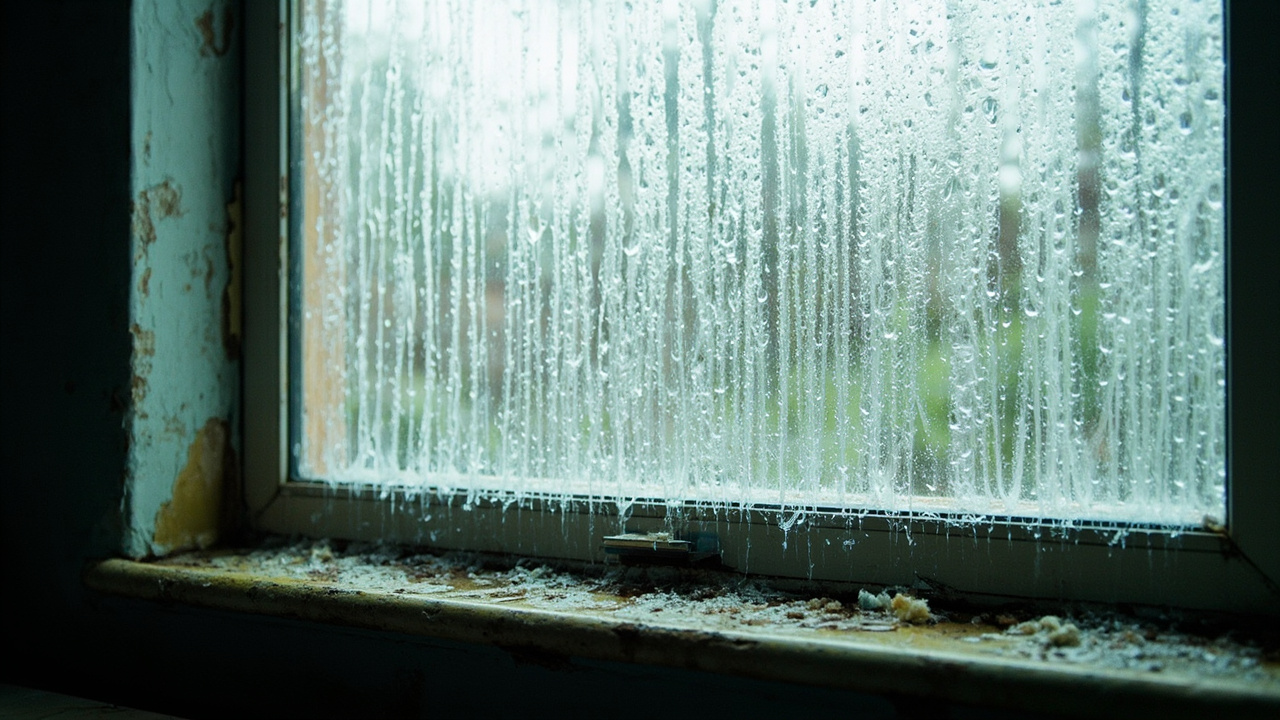
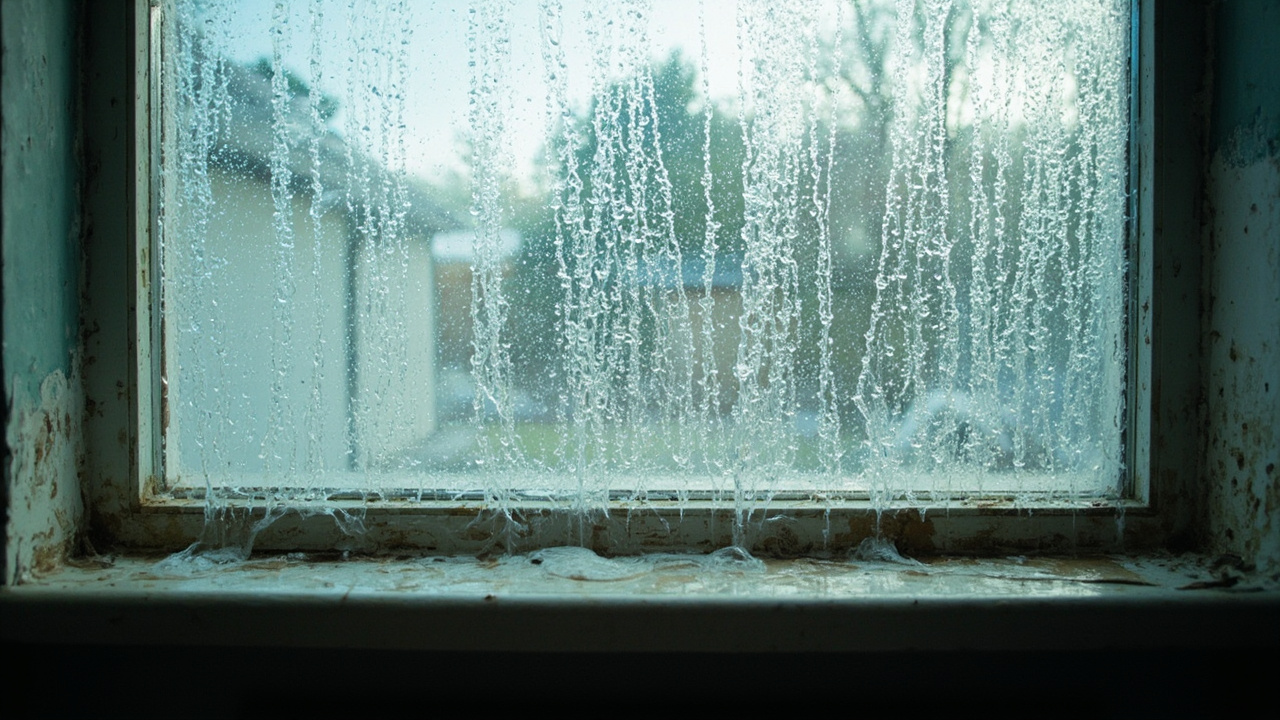
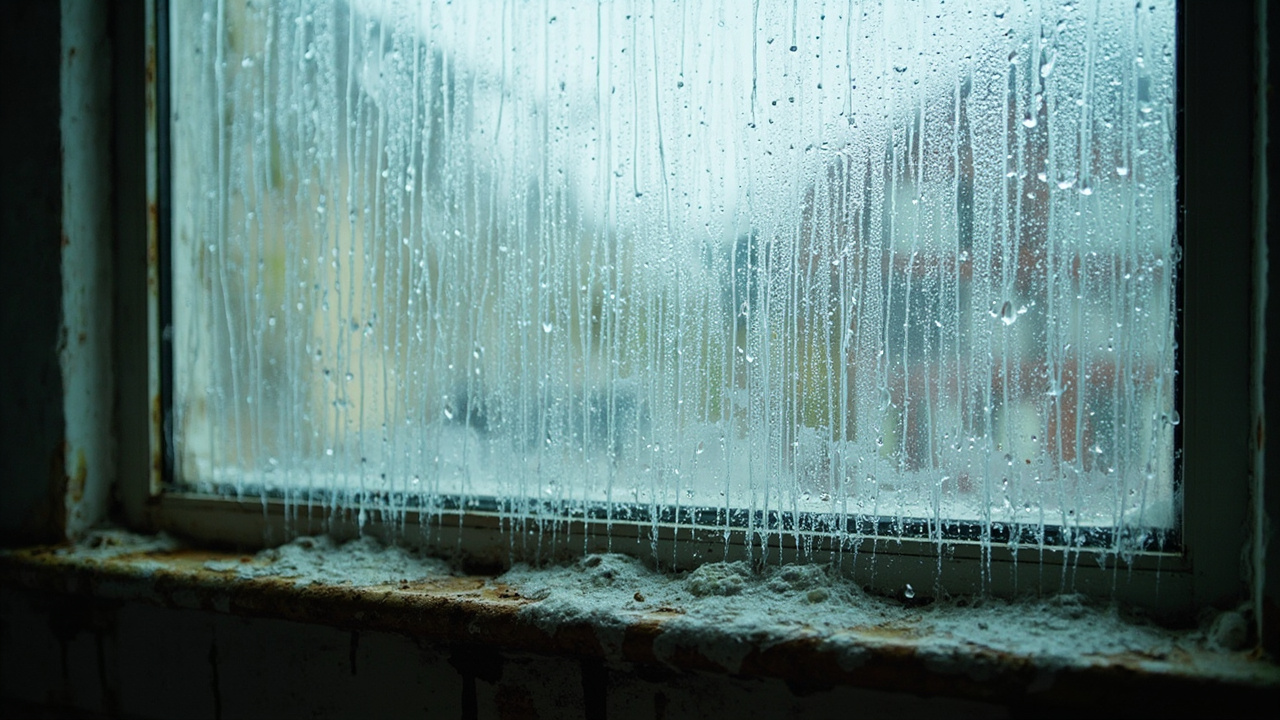
You notice weeping window panes every morning. Damp drywall patches appear near exterior walls. Interior glass condensation fogs your view year-round. This is not normal wear and tear.

Greenwich sits in Connecticut's humid climate zone, where temperature swings between seasons create perfect conditions for moisture problems. Your home acts like a sealed container. When warm, humid indoor air meets cold window glass or exterior walls during winter months, water vapor condenses instantly. The result is window sweating that drips onto sills, saturates drywall, and creates hidden pockets of moisture inside wall cavities.

Most homeowners assume condensation is cosmetic. It is not. Persistent moisture buildup on walls feeds mold colonies within 24 to 48 hours. The water migrates into wood framing, insulation batts, and subflooring. Greenwich's older housing stock, built before modern vapor barrier standards, amplifies this risk. Historic homes near the Long Island Sound face even higher humidity levels due to proximity to water.

The damp drywall patches you see on interior walls signal vapor drive from temperature differentials. Cold exterior sheathing chills the drywall. Warm indoor air pushes moisture through the gypsum. The water condenses inside the wall assembly where you cannot see it. By the time you notice interior glass condensation or window sweating, structural damage may already be progressing behind finished surfaces.

You are dealing with a building science failure, not a cleaning problem. The moisture source must be identified and corrected before remediation can succeed.

Why Greenwich Homes Battle Constant Window Sweating and Moisture Buildup
How We Diagnose and Eliminate Moisture Intrusion at the Source

How We Diagnose and Eliminate Moisture Intrusion at the Source

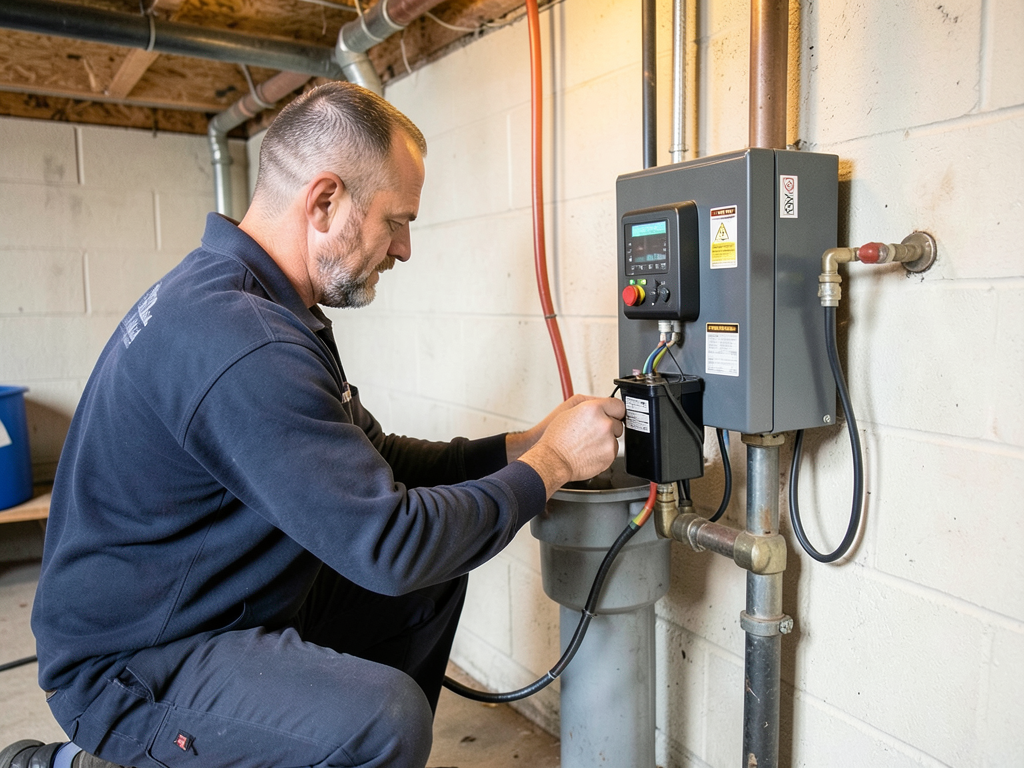
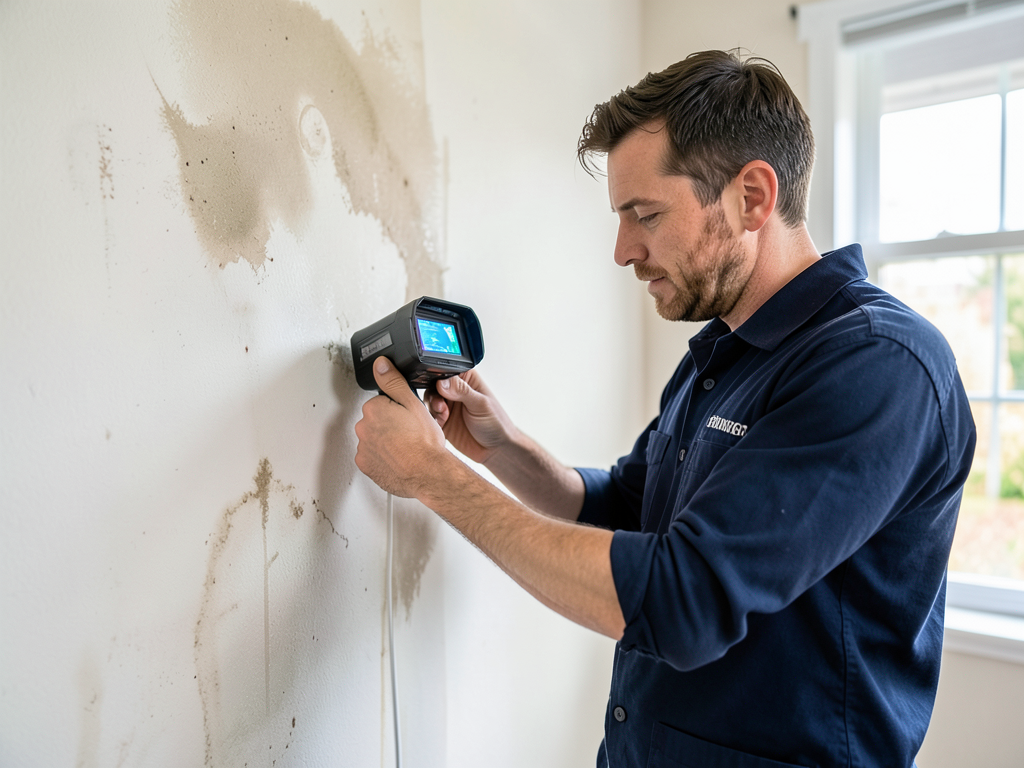
Liberty Water Damage Restoration Riverside does not wipe condensation and call it fixed. We use thermal imaging cameras to map temperature differentials across wall assemblies. Cold spots reveal inadequate insulation, thermal bridging through studs, or air leakage paths. We measure relative humidity at multiple points inside your home using calibrated hygrometers. Readings above 60 percent indicate you have a vapor pressure problem.

We inspect vapor barriers in crawl spaces and attics. Missing or damaged poly sheeting allows ground moisture to migrate upward into living spaces. We check bathroom and kitchen exhaust fans for proper CFM ratings and exterior termination. Fans that dump humid air into attics create condensation on roof decking and insulation. We evaluate your HVAC system for oversizing, which causes short cycling and fails to dehumidify air properly.

Our technicians test window glazing for failed seals. Double-pane units lose their inert gas fill over time. Once the seal breaks, exterior humidity infiltrates the gap between panes. You see fogging that never clears. We inspect window flashing and perimeter caulking for water intrusion from outside. Rain penetration saturates wall cavities and mimics condensation damage.

We do not guess. We use moisture meters with penetrating probes to measure water content in drywall, studs, and sills. Readings above 17 percent in wood indicate active moisture problems. We document findings with photos and data logs. You receive a written assessment that identifies every contributing factor.

Once we isolate the cause, we design a remediation plan that addresses vapor control, insulation deficiencies, mechanical ventilation, and air sealing. Generic dehumidifiers do not fix building envelope failures.

What Happens During Your Condensation Assessment and Remediation

Condensation on Windows & Walls in Greenwich – Expert Diagnosis Prevents Mold, Structural Damage & Health Risks
01

Comprehensive Moisture Mapping

We scan every exterior wall, window frame, and ceiling with infrared thermal imaging. Temperature anomalies reveal hidden moisture accumulation and insulation voids. Moisture meters confirm water content levels in affected materials. You see exactly where vapor drive occurs and why condensation forms. This diagnostic phase typically takes 90 minutes for an average-sized Greenwich home.
02

Source Isolation and Correction

We address the root cause, whether it involves repairing failed window seals, installing vapor barriers, upgrading exhaust ventilation, or air sealing penetrations in the building envelope. If crawl space moisture drives interior humidity, we encapsulate with reinforced polyethylene and install dehumidification. We correct the building science failure before removing damaged materials. Band-aid fixes do not work.
03

Controlled Drying and Restoration

Once the moisture source is eliminated, we deploy commercial dehumidifiers and air movers to dry wall cavities, insulation, and framing to specification. We monitor drying progress with daily moisture readings until materials reach equilibrium. Mold-damaged drywall is removed and replaced. You receive documentation showing moisture levels returned to normal. We verify the condensation problem is solved, not masked.

Why Greenwich Homeowners Trust Liberty Water Damage Restoration Riverside

Greenwich homes range from 1920s colonials to modern construction near the waterfront. Each era has distinct vapor control challenges. We understand how uninsulated balloon-framed walls in older homes create convective loops that drive moisture. We know that newer homes with spray foam insulation can trap moisture if vapor barriers are installed incorrectly.

Our technicians have worked in Greenwich's microclimates. Homes near the Long Island Sound experience higher ambient humidity due to proximity to saltwater. Properties in inland areas face freeze-thaw cycling that stresses building envelopes differently. We tailor solutions to your home's specific conditions and construction type.

We work directly with your insurance carrier when water damage from condensation has caused mold growth or structural deterioration. We document findings with industry-standard moisture mapping reports that satisfy adjuster requirements. You do not navigate claims paperwork alone.

Liberty Water Damage Restoration Riverside holds IICRC certifications in water damage restoration and applied structural drying. Our team uses the same psychrometric calculations and drying protocols required for commercial projects. You receive the same technical rigor whether we are drying a 2,000-square-foot home or a 50,000-square-foot office building.

We do not subcontract work. The technicians who perform your assessment are the same crew who execute remediation. You get consistency and accountability. We provide written estimates before starting work. No surprise charges appear after the fact.

When you call us, you speak with someone who understands building science, not a call center operator reading a script. We have restored Greenwich homes for over a decade. Our reputation depends on solving problems correctly the first time.

What to Expect When You Work with Liberty Water Damage Restoration Riverside

Rapid Response and Scheduling

We schedule your assessment within 24 hours of your call. Condensation damage progresses daily. Mold begins colonizing damp surfaces within 48 hours. Delayed response allows moisture to migrate deeper into wall cavities and insulation. We arrive on time with calibrated diagnostic equipment ready to deploy. Emergency situations receive same-day response. You do not wait a week while water damage compounds. Our local Greenwich presence means we reach your property faster than regional franchises dispatching crews from outside the area.

Detailed Diagnostic Assessment

Your assessment includes thermal imaging of all exterior walls, moisture mapping with penetrating probes, relative humidity measurement in multiple rooms, and inspection of mechanical ventilation systems. We test window seals, examine crawl spaces or basements for vapor intrusion, and evaluate insulation performance. You receive a written report with photos, moisture content readings, and thermal images showing temperature differentials. We explain findings in plain language and outline corrective options. No guesswork. No generic recommendations. You understand exactly what is causing condensation and what it takes to fix it.

Verified Dry and Restored

We do not finish a project until moisture levels in all affected materials meet industry drying standards. Wood framing must read below 15 percent moisture content. Drywall must reach equilibrium with ambient conditions. We provide final moisture reports documenting successful drying. Damaged materials are removed and replaced with mold-resistant products where appropriate. Paint and finishes are restored to match existing conditions. Your home looks and functions as it should. You do not live with visible water stains or musty odors after we leave.

Prevention and Maintenance Guidance

We provide specific recommendations for maintaining proper indoor humidity levels year-round. You learn optimal dehumidifier settings for Greenwich's climate, how to monitor relative humidity with simple tools, and when to run exhaust fans during cooking or bathing. If your condensation resulted from a building envelope deficiency, we explain how to maintain vapor barriers and ensure mechanical ventilation systems function correctly. You receive documentation of all work performed, which supports future home sale disclosures or insurance claims. We are available for follow-up questions after project completion.

Frequently Asked Questions

You Have Questions,
We Have Answers

How to stop condensation on windows and walls? +

Reduce indoor humidity by running exhaust fans in kitchens and bathrooms during and after use. Open windows briefly when outdoor temperatures allow to exchange stale, humid air. Run a dehumidifier in basements or moisture-prone rooms. Ensure your dryer vents outside properly. Greenwich's coastal proximity and seasonal humidity swings make mechanical ventilation critical. Check that bathroom fans actually vent outdoors, not into attics. Upgrade single-pane windows to double-pane low-E glass. Seal air leaks around frames with caulk. Maintain indoor temperature between 68-72 degrees to prevent cold surface condensation. If problems persist after these steps, you likely need professional moisture assessment.

Does condensation always indicate a problem? +

Not always. Light condensation on windows during cold mornings is normal in Greenwich's humid climate, especially after showers or cooking. The issue becomes serious when condensation appears daily, soaks window sills, or migrates to walls and ceilings. Persistent moisture indicates your home cannot manage indoor humidity levels, which leads to mold growth, wood rot, and structural damage. If you notice water pooling on sills, musty odors, or peeling paint, you have crossed from normal to problem territory. Monitor patterns. Occasional fog that clears quickly is fine. Chronic wetness requires action.

Does condensation on windows mean the house is too cold? +

Not exactly. Condensation forms when warm, humid indoor air contacts a cold surface. The window itself is cold, not necessarily the house. Greenwich winters create significant temperature differences between heated interiors and frigid glass surfaces. Poor window insulation exacerbates this. Single-pane windows conduct cold efficiently, creating ideal condensation conditions even in well-heated homes. If your thermostat reads normal but condensation persists, the problem is inadequate window performance or excessive indoor humidity, not insufficient heating. Upgrade windows or reduce moisture sources like unvented dryers, overuse of humidifiers, or poor bathroom ventilation.

Should you wipe condensation off windows? +

Wipe it temporarily to prevent water damage, but wiping treats the symptom, not the cause. Use a towel or squeegee to remove standing water from sills before it soaks into wood and causes rot. Check sills in older Greenwich homes for existing decay. However, you must address the root issue: excessive indoor humidity or inadequate window insulation. Wiping daily wastes time and energy. Install a hygrometer to measure indoor humidity. Keep levels between 30-50 percent. If condensation returns immediately after wiping, you need better ventilation, a dehumidifier, or window upgrades.

Does condensation on windows mean poor insulation? +

Sometimes, but not always. Single-pane windows or poorly sealed frames allow cold to penetrate, creating condensation regardless of wall insulation quality. However, if condensation appears on walls, not just windows, insulation failure is likely. Greenwich's older homes often have inadequate wall insulation or missing vapor barriers. Cold spots on interior walls indicate thermal bridging or air infiltration. Check attics and basements first. Missing or compressed insulation there creates cold surfaces. Condensation on exterior walls during heating season signals serious insulation deficiencies. Thermal imaging can pinpoint problem areas before moisture causes hidden mold or rot.

What to put on walls to stop condensation? +

Do not apply anything to walls until you identify the moisture source. Adding vapor barriers or sealants over wet walls traps moisture and accelerates damage. First, reduce indoor humidity below 50 percent using dehumidifiers and ventilation. Repair exterior water intrusion like leaking gutters or foundation cracks. Once walls dry completely, apply mold-resistant primer before repainting. For basements, use waterproof coatings designed for masonry. Greenwich's clay soils retain water, making basement moisture common. Install interior or exterior drainage systems if condensation persists. Proper ventilation and humidity control prevent condensation better than any wall coating.

Does condensation on windows mean they are bad? +

Not necessarily. Condensation indicates a performance mismatch between your windows and indoor conditions. Single-pane windows in Greenwich's climate will always condensate during winter. They lack thermal breaks and insulating air gaps. If you have newer double-pane windows with condensation, check seals. Failed seals allow moisture between panes, indicating defective units. Exterior condensation on new low-E windows is actually normal and proves they insulate well. Interior condensation means humidity levels exceed what your windows can handle. Upgrade to triple-pane or improve ventilation before assuming windows are defective.

What are signs of excessive condensation? +

Daily water pooling on window sills, visible mold spots on walls or ceilings, peeling paint or wallpaper, musty odors, black spots in corners or around windows, warped wood trim, and damp carpets near exterior walls. Greenwich's older homes often show condensation damage in north-facing rooms first. Check closets on exterior walls for hidden mold. Measure indoor humidity with a hygrometer. Readings above 60 percent during heating season guarantee problems. Feel walls near windows. Dampness or cold spots indicate moisture penetration. Foggy windows that never clear signal failed seals or chronic indoor humidity issues.

Will a dehumidifier get rid of condensation? +

Yes, if excess humidity causes the condensation. Dehumidifiers remove moisture from air, reducing condensation on cold surfaces. Size matters. A 30-pint unit works for small bedrooms, but basements need 50-70 pint models. Empty collection buckets daily or connect drain hoses. Run continuously until indoor humidity drops to 40-50 percent. Greenwich's coastal location and seasonal humidity make dehumidifiers necessary in many homes. However, dehumidifiers cannot fix poor insulation, air leaks, or failed window seals. If condensation persists after achieving proper humidity levels, the problem is thermal, not moisture-related. Address both issues.

Why is there condensation on my bedroom walls? +

Bedrooms generate significant moisture from breathing and body heat. Two people exhale a pint of water vapor nightly. Poor air circulation traps humid air against cold exterior walls, causing condensation. Greenwich's older homes often lack adequate bedroom ventilation. Check for blocked vents or closed doors restricting airflow. North-facing walls stay coldest, condensating first. Overcrowded closets against exterior walls prevent air movement and create mold havens. Run a small fan to circulate air. Crack a window briefly each morning. Use a dehumidifier if condensation persists. Excessive condensation may indicate hidden water intrusion or insulation failure.

How Greenwich's Coastal Climate and Historic Housing Stock Intensify Condensation Risks

Greenwich sits less than two miles from Long Island Sound in many neighborhoods. Coastal proximity elevates ambient humidity levels year-round, especially during summer months when marine air masses dominate. This moisture-laden air infiltrates homes through air leakage points in building envelopes. When it contacts cold surfaces during air conditioning season or heating season, condensation forms instantly. Many Greenwich homes predate 1970s energy codes and lack continuous vapor barriers in wall assemblies. Single-pane windows, common in historic districts, offer no thermal break between interior conditioned air and exterior temperatures. The temperature differential creates constant weeping window panes and interior glass condensation that damages sills, trim, and wall finishes.

Liberty Water Damage Restoration Riverside has worked extensively in Greenwich's older housing stock, including homes in the Belle Haven and Riverside neighborhoods. We understand how plaster-on-lath walls behave differently than modern drywall when exposed to moisture. We know that homes built before vapor barrier standards require different remediation approaches than new construction. Our familiarity with local building officials and code enforcement ensures that any structural corrections meet current Greenwich building department requirements. Choosing a local restoration company means working with technicians who have solved condensation problems in homes with construction details identical to yours.

Water Damage Restoration Services in The Greenwich Area

Our service area is designed to cover the entire region, ensuring that no matter where you are, we can get to you quickly and efficiently. We invite you to view our location on the map and see our central hub, from which we dispatch our rapid response teams. We are committed to serving our local community with speed, expertise, and a dedication to quality that you can always rely on.

Address:
Heritage Water Damage Restoration Greenwich, 145 Mason St, Greenwich, CT, 06830

Additional Services We Offer

Our news updates

Latest Articles & News from The Blogs

Understanding the difference between rain damage and storm surge in Lucas Point Storm surges push saltwater inland at high speeds…

Understanding the difference between rain damage and storm surge in Lucas Point

Understanding the difference between rain damage and storm surge in Lucas Point Storm surges push saltwater inland at high speeds…

Salvaging designer wallpaper after a minor water leak in your Greenwich dining room

Salvaging Designer Wallpaper After a Minor Water Leak in Your Greenwich Dining Room When water seeps behind your designer wallpaper,…

Why you should never touch the standing water in your flooded basement yourself

Why you should never touch the standing water in your flooded basement yourself Standing water in your Greenwich basement is…

Contact Us

Moisture buildup does not fix itself. Call Liberty Water Damage Restoration Riverside at (475) 320-3777 right now. We will schedule your diagnostic assessment within 24 hours and provide a written plan to eliminate condensation at its source.