

menu

Water Stains on Drywall in Greenwich – Expert Diagnosis Prevents Mold Growth and Structural Damage

Those brown water spots on walls and yellow stains on drywall signal active leaks that need professional assessment before hidden mold colonies form behind your sheetrock.

Slider Image 1
Slider Image 2
Slider Image 3
Slider Image 4
Slider Image 5
Slider Image 7
Slider Image 8
Slider Image 9
Slider Image 10
Slider Image 11

Why Water Stains Appear on Greenwich Drywall and What They Really Mean

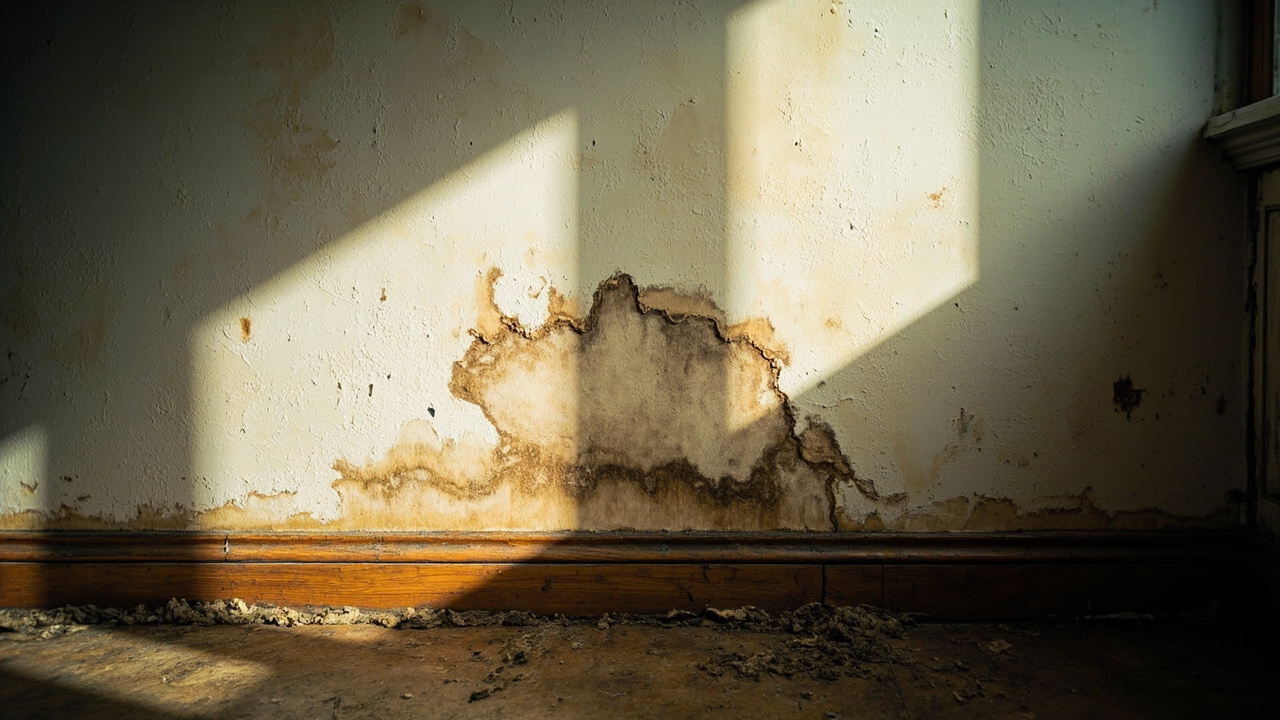
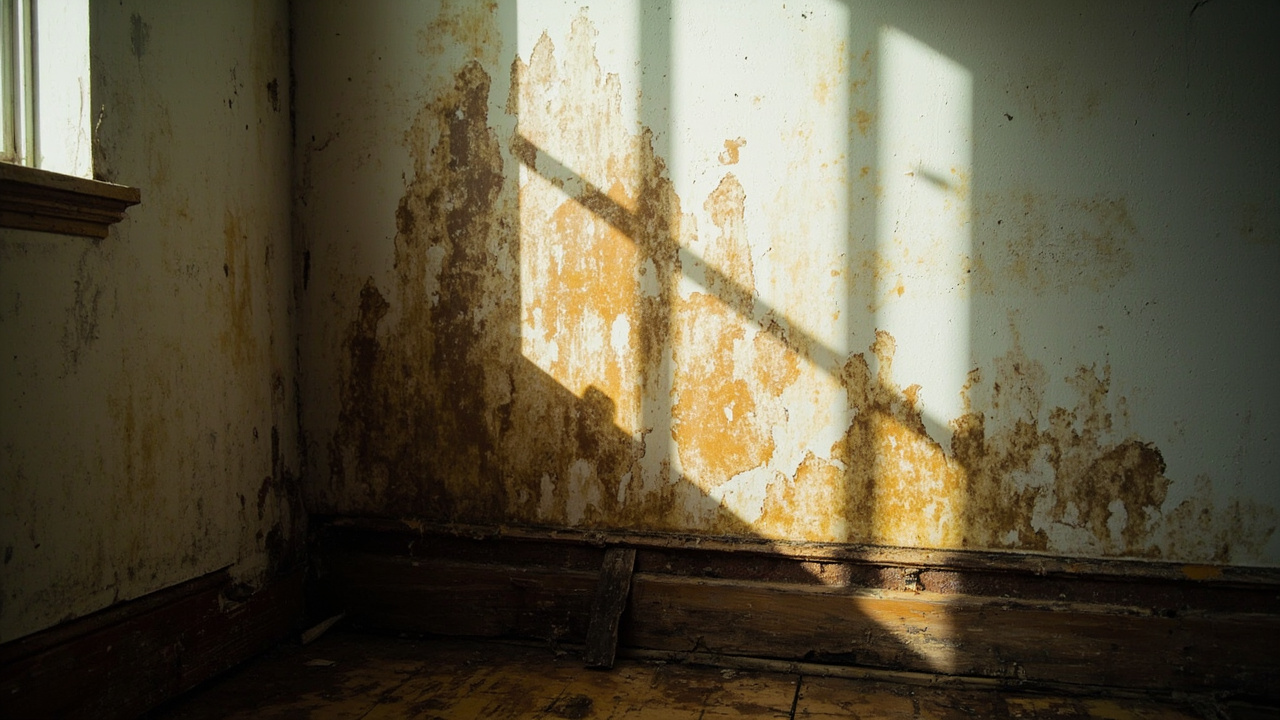
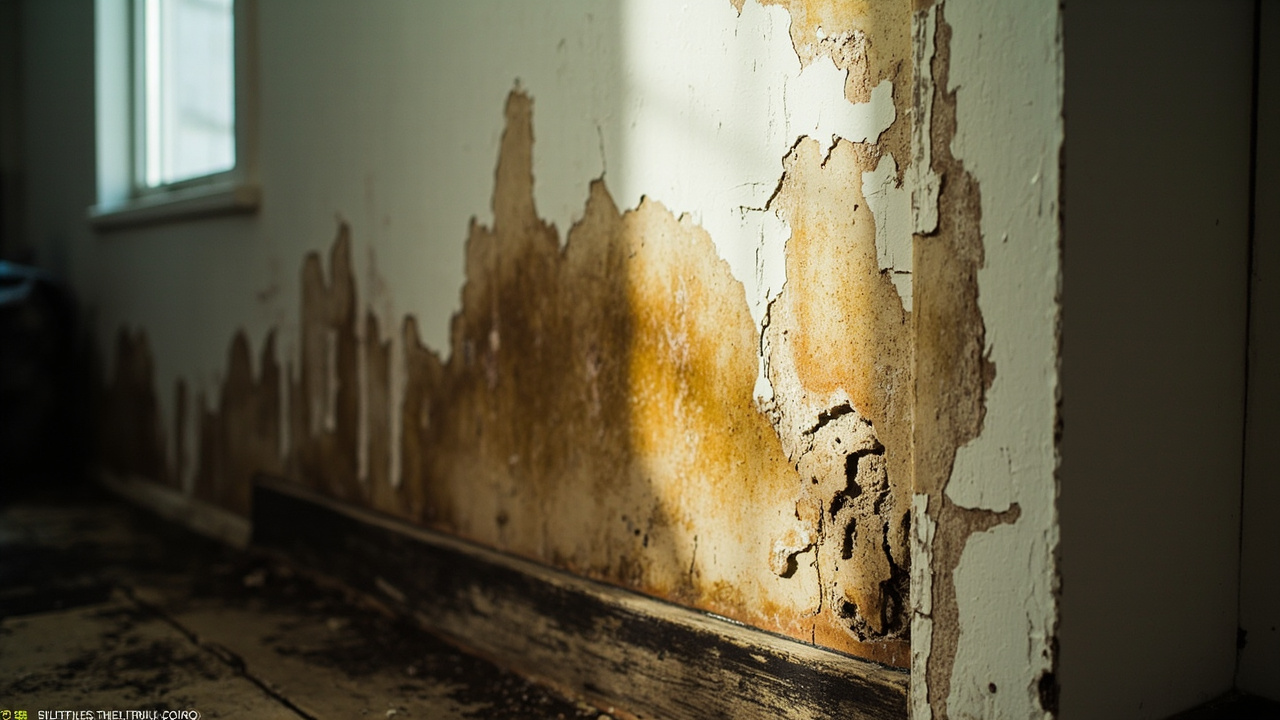
You noticed a brown water spot on your wall last week. Now it is bigger. Maybe you see yellow stains on drywall in your bedroom ceiling or wet patches on plasterboard in the bathroom. These marks do not appear randomly. They signal active water intrusion happening right now behind your walls.

Greenwich homes face specific moisture challenges that accelerate drywall damage. Our proximity to Long Island Sound creates high humidity levels year round. When this moisture combines with aging copper plumbing common in pre-1980s homes throughout Belle Haven and Riverside, you get condensation that soaks into sheetrock from the inside out. The freeze-thaw cycles we experience each winter cause pipes to expand and contract, creating pinhole leaks that slowly saturate drywall cavities.

Water marks on ceiling panels rarely stay contained. Gravity pulls moisture downward through wall cavities, spreading contamination across studs and insulation. That small moisture discoloration on sheetrock you see represents only the visible portion. The actual saturation zone typically extends three to five times wider behind the surface.

The brown color tells you something important. Clear water does not stain. Brown water spots indicate the water has contacted organic material like wood framing, insulation paper backing, or existing mold growth. Yellow stains suggest older leaks where minerals have oxidized. Both require immediate investigation. Waiting turns a simple pipe repair into a full mold remediation project requiring wall removal and structural drying.

Every day you delay, moisture migrates deeper into wall assemblies, compromising studs and creating ideal conditions for toxic mold species.

Why Water Stains Appear on Greenwich Drywall and What They Really Mean
How We Identify Hidden Water Sources Behind Drywall Stains

How We Identify Hidden Water Sources Behind Drywall Stains

Surface stains tell only part of the story. Our diagnostic process reveals what is happening inside your walls before we cut a single hole.

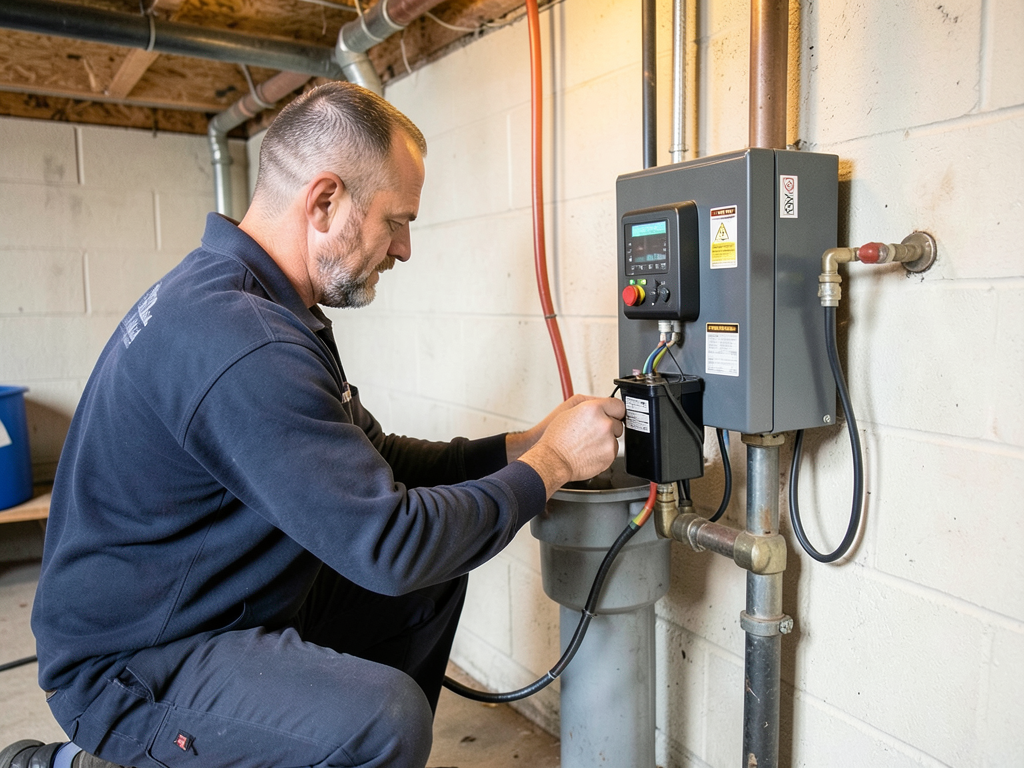
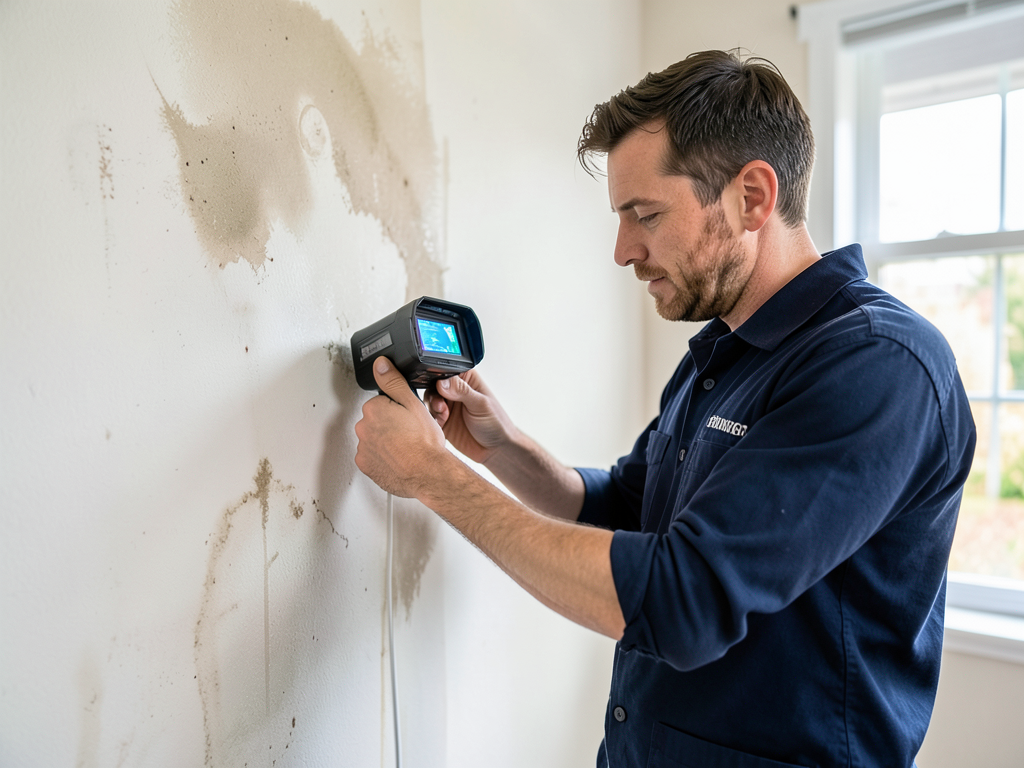
We start with thermal imaging cameras that detect temperature differentials caused by moisture. Wet building materials register cooler than dry materials, creating clear thermal signatures invisible to the naked eye. This technology maps the full saturation area without invasive exploratory demolition.

Next, we use calibrated moisture meters with deep-sensing probes. These devices measure moisture content percentages at various depths within drywall and framing. Readings above 17 percent indicate active water presence requiring source elimination. We document these measurements room by room, creating a moisture map that guides our remediation strategy.

For ceiling stains, we trace upward systematically. The leak source is rarely directly above the visible mark. Water follows the path of least resistance along joists, pipes, and ductwork before dripping through drywall at weak points. We check attic spaces for roof leaks, HVAC condensation line failures, and plumbing vent penetrations. In multi-story homes common along Stanwich Road, we inspect bathrooms and plumbing fixtures on floors above the damage.

Wall stains require different investigation. We examine exterior envelope details like window flashing and siding transitions where wind-driven rain penetrates during coastal storms. Interior causes include supply line failures, drain line leaks, and HVAC condensation issues.

Once we locate the source, we assess structural impact using borescope cameras inserted through small access holes. This reveals hidden mold growth, insulation condition, and framing integrity before we commit to a repair scope. You get accurate answers, not guesswork.

What Happens During Your Water Stain Assessment

Water Stains on Drywall in Greenwich – Expert Diagnosis Prevents Mold Growth and Structural Damage
01

Initial Contact and Documentation

You call (475) 320-3777 and describe what you see. We ask specific questions about stain color, size, location, and growth rate. We schedule an assessment within 24 hours because moisture damage accelerates rapidly. Bring photos of the stains and any previous repairs to your consultation. This background helps us identify recurring problems versus new failures.
02

Comprehensive Moisture Investigation

Our technician arrives with thermal cameras, moisture meters, and borescope equipment. We scan affected areas plus adjacent rooms to map the full saturation zone. We trace plumbing lines, check attic spaces, and inspect exterior envelope details. You receive real-time explanations of what we find. This investigation typically takes 45 to 90 minutes depending on home size and complexity.
03

Detailed Repair Proposal

We provide a written assessment that day outlining the water source, saturation extent, mold risk, and required repairs. You get a detailed scope covering source elimination, structural drying, contaminated material removal, and surface restoration. We include documentation for insurance claims with moisture readings and thermal images. You make informed decisions based on facts, not fear.

Why Greenwich Homeowners Choose Liberty Water Damage Restoration Riverside

Water damage diagnosis requires understanding how Greenwich homes are built. We have worked in hundreds of local properties from historic colonials in Old Greenwich to modern construction in Glenville. This experience teaches you which problems to expect in each neighborhood.

Homes built before 1960 throughout central Greenwich typically feature plaster over wood lath rather than drywall. Water stains on these walls indicate more serious saturation because plaster holds moisture longer than gypsum board. The repair approach differs completely from standard drywall methods.

Properties near the coast face additional challenges from salt air corrosion and storm surge humidity. We account for these factors when specifying materials and moisture barriers. Using standard interior-grade products in these environments leads to repeat failures within months.

We understand local building department requirements for water damage repairs. Greenwich requires permits for work exceeding basic cosmetic fixes. Our familiarity with the building official's expectations prevents project delays and failed inspections. We know which structural repairs trigger additional engineering requirements and how to document pre-existing conditions for permit applications.

Our response time matters when you discover active leaks. We maintain equipment locally rather than dispatching from distant regional hubs. You get same-day assessment availability, not next-week scheduling.

Insurance claims require specific documentation that many contractors overlook. We photograph damage using calibrated moisture meters visible in images, create detailed loss inventories, and provide written moisture maps. This documentation helps you receive fair claim settlements. We communicate directly with adjusters using terminology they expect, reducing claim disputes and payment delays.

You need answers about what is happening behind your walls. We provide those answers with technology and local expertise that generic contractors cannot match.

What to Expect from Your Water Stain Assessment

Rapid Response Scheduling

We schedule assessments within 24 hours of your call. Water damage worsens daily, so waiting a week for availability is unacceptable. Most appointments occur the same day you contact us if you call before 2 PM. We offer evening and weekend slots for working homeowners who cannot take time off. Emergency situations involving active flooding receive immediate dispatch. You get confirmation via text with your technician's name and estimated arrival window. We respect your schedule and show up on time.

Technology-Based Diagnosis

Our assessment uses thermal imaging cameras and calibrated moisture meters, not guesswork. You see the thermal images on screen as we scan your walls. Moisture readings get recorded in writing with meter model numbers and calibration dates visible. We explain what the numbers mean in plain language. If we need to insert a borescope camera, we show you the interior wall cavity condition on a tablet screen. This transparency eliminates uncertainty. You understand exactly what is wrong before we propose solutions. Technology reveals hidden problems that visual inspection misses completely.

Complete Written Documentation

You receive a written assessment report the same day. This document includes thermal images, moisture readings, identified water sources, and recommended repairs. We provide separate scopes for immediate safety concerns versus deferred cosmetic work. The report specifies materials, labor, and timeline for each repair phase. Insurance customers receive additional documentation formatted for claim submission including industry standard Xactimate coding. You can share this report with other contractors for comparison bids. Everything is documented clearly so you make informed decisions about your property.

Post-Repair Verification Testing

After completing repairs, we return with moisture meters to verify complete drying. Proper restoration requires building materials to reach equilibrium moisture content below 15 percent. We document these final readings in writing. If we performed mold remediation, we recommend third-party clearance testing by independent hygienists. This protects you with unbiased verification. We provide guidance on preventing future water intrusion including maintenance schedules for vulnerable areas. You receive follow-up contact information if questions arise weeks later. Our work does not end when we collect payment.

Frequently Asked Questions

You Have Questions,
We Have Answers

How do you get water stains out of drywall? +

You cannot simply clean water stains out of drywall. The stain is inside the material. First, fix the source of the water. Let the drywall dry completely, which can take several days in Greenwich's humid climate. Once dry, apply a stain-blocking primer like Kilz or BIN shellac-based primer. This seals the stain and prevents bleed-through. Then repaint the surface. If the drywall is soft, crumbling, or sagging, it needs replacement. Cosmetic fixes fail if the underlying damage remains. Address the moisture source first or the stain returns.

How to tell if water is leaking behind drywall? +

Look for visible water stains, discoloration, or bubbling paint on your drywall. Touch the wall. If it feels soft, spongy, or cooler than surrounding areas, water is likely present. You may notice a musty odor or see mold growth along baseboards. In Greenwich homes with older plumbing or copper pipes affected by freeze-thaw cycles, listen for dripping sounds inside walls. Warping or peeling wallpaper also signals hidden moisture. Use a moisture meter to confirm. If you suspect a leak, act quickly. Water spreads through drywall and insulation fast.

Are water stains permanent on walls? +

Water stains are not permanent on walls, but they will not disappear on their own. The stain remains visible until you address it. Simply painting over the stain does not work. The discoloration bleeds through. You need a stain-blocking primer to seal it before repainting. If the water source is not fixed, new stains will appear. In Greenwich's humid summers, untreated moisture can worsen over time and lead to mold. Permanent damage occurs when drywall loses structural integrity from prolonged wetness. The stain itself is fixable. The hidden damage may not be.

Is drywall ruined once it gets wet? +

Drywall is not automatically ruined once wet, but time matters. If you dry it within 24 to 48 hours, you may save it. Drywall is gypsum sandwiched between paper. Paper absorbs water fast. Once saturated, the material weakens, crumbles, and becomes a mold breeding ground. In Greenwich, high humidity slows drying and accelerates mold growth. If the drywall feels soft, bows outward, or shows mold, replace it. Minor surface dampness can be dried and treated. Extensive soaking requires removal. Do not gamble with hidden mold inside your walls.

Can I paint over water stains on drywall? +

No. Do not paint directly over water stains on drywall. The stain will bleed through standard latex or acrylic paint, often within hours. You must first apply a stain-blocking primer. Use oil-based or shellac-based products like Kilz, BIN, or Zinsser. These primers seal the stain and prevent it from surfacing. Let the primer dry completely, then apply your finish paint. In Greenwich homes with older plaster or aged drywall, you may need two coats of primer. Skipping this step wastes time and money. The stain always wins without proper sealing.

How to get rid of a water stain on a wall? +

Fix the water source first. Let the wall dry completely. This can take three to five days in humid conditions common to Greenwich. Once dry, apply a stain-blocking primer designed to seal water stains. Shellac-based primers work best. After the primer dries, sand lightly if needed, then repaint with your wall color. If the stain is large or the drywall is damaged, you may need to cut out and replace the affected section. Covering the stain without addressing moisture or using proper primer guarantees failure. The discoloration returns.

How long can drywall be wet before mold? +

Mold can begin growing on wet drywall within 24 to 48 hours. Greenwich's humid summer climate accelerates this timeline. Mold spores are everywhere. They need only moisture, warmth, and an organic food source like drywall paper. Once mold takes hold, it spreads inside wall cavities where you cannot see it. You may smell it before you see it. If drywall stays wet for more than two days, replacement is often necessary. Drying the surface does not eliminate mold already growing inside. Fast action prevents expensive remediation.

Can plumbers detect leaks behind walls? +

Yes. Plumbers use specialized tools to detect leaks behind walls without demolition. Thermal imaging cameras identify temperature differences caused by water. Acoustic listening devices pick up the sound of water moving through pipes. Moisture meters measure hidden dampness in drywall. In Greenwich homes with copper or older galvanized plumbing, pinhole leaks are common. A skilled plumber can locate the leak, mark the exact spot, and minimize drywall damage during repair. Do not wait. A small leak becomes a big problem. Early detection saves money and prevents mold.

Does home insurance cover leak detection? +

Most homeowner insurance policies do not cover leak detection as a standalone service. However, if a covered peril like a sudden pipe burst causes damage, the resulting repairs may be covered. Gradual leaks from poor maintenance are typically excluded. In Greenwich, policies vary. Review your coverage or call your agent. Some insurers cover detection if it prevents a larger claim. Others do not. If you suspect a hidden leak, document everything. Take photos. Get a professional assessment. This evidence helps during the claims process if damage occurs.

Why do I have water marks on my walls but no leak? +

Water marks without an obvious leak often come from condensation, high indoor humidity, or past water events. In Greenwich, older homes with poor insulation experience condensation on cold walls during winter. Bathroom or kitchen steam can also migrate and leave stains. Check your attic for roof leaks that occurred months ago. The water traveled down before drying. HVAC ductwork can sweat and drip behind walls. Even a resolved plumbing issue can leave stains. Use a moisture meter to confirm the wall is dry now. Then prime and repaint.

How Greenwich's Coastal Climate Accelerates Drywall Water Damage

Greenwich sits less than three miles from Long Island Sound, creating year-round humidity levels that rarely drop below 60 percent. This constant moisture vapor pressure drives condensation formation inside wall cavities whenever indoor temperatures differ from outdoor conditions. During summer, cold air conditioning ducts running through un-insulated wall chases develop surface condensation that drips onto drywall. Winter brings the reverse problem when warm indoor air contacts cold exterior wall sheathing, creating moisture accumulation that saturates insulation and sheetrock from behind. These conditions make brown water spots appear even without active plumbing leaks. Coastal wind-driven rain also penetrates window flashing and siding transitions more aggressively than inland locations experience, contributing to moisture discoloration on interior walls.

Liberty Water Damage Restoration Riverside has worked in Greenwich properties since our founding, giving us familiarity with construction methods specific to this area. We understand which home vintages use balloon framing that allows water to travel vertically through entire wall heights versus platform framing that contains damage to single floors. We know that many Belle Haven and Riverside properties feature custom millwork and historic plaster that requires specialized drying techniques. Our local presence means we respond from minutes away, not hours. We maintain relationships with Greenwich building inspectors and understand permit requirements for water damage repairs. When you need answers about water stains, you need someone who knows your neighborhood's specific challenges.

Water Damage Restoration Services in The Greenwich Area

Our service area is designed to cover the entire region, ensuring that no matter where you are, we can get to you quickly and efficiently. We invite you to view our location on the map and see our central hub, from which we dispatch our rapid response teams. We are committed to serving our local community with speed, expertise, and a dedication to quality that you can always rely on.

Address:
Heritage Water Damage Restoration Greenwich, 145 Mason St, Greenwich, CT, 06830

Additional Services We Offer

Our news updates

Latest Articles & News from The Blogs

Understanding the difference between rain damage and storm surge in Lucas Point Storm surges push saltwater inland at high speeds…

Understanding the difference between rain damage and storm surge in Lucas Point

Understanding the difference between rain damage and storm surge in Lucas Point Storm surges push saltwater inland at high speeds…

Salvaging designer wallpaper after a minor water leak in your Greenwich dining room

Salvaging Designer Wallpaper After a Minor Water Leak in Your Greenwich Dining Room When water seeps behind your designer wallpaper,…

Why you should never touch the standing water in your flooded basement yourself

Why you should never touch the standing water in your flooded basement yourself Standing water in your Greenwich basement is…

Contact Us

Those stains are growing while you read this. Call Liberty Water Damage Restoration Riverside at (475) 320-3777 now for same-day assessment. We bring thermal cameras and answers, not sales pitches. Stop guessing and get facts.