





Milford sits on Long Island Sound with the Housatonic River forming its western border. Coastal properties face storm surge during nor'easters and tropical systems. Heavy rainfall overwhelms aging storm drains in older neighborhoods like downtown Milford and Woodmont. Homes near Milford Harbor and Devon regularly deal with groundwater intrusion during spring thaws when snowmelt saturates the soil.
The glacial till beneath much of Milford creates drainage problems. Clay-heavy soil around Fort Trumbull Beach and Walnut Beach doesn't absorb water quickly, causing basement seepage after heavy rain. Tidal flooding affects low-lying areas along the Sound, especially during full moon high tides combined with storm systems.
Many Milford homes were built before modern waterproofing standards. Colonial-era properties downtown lack proper foundation drainage. Ranch homes from the 1950s and 1960s expansion have outdated sump pumps that fail during peak demand. When these systems overwhelm, water enters crawl spaces, damages foundations, and creates conditions for mold growth within 48 hours.
Connecticut's freeze-thaw cycles stress plumbing. Pipes in exterior walls crack during cold snaps. Water heaters in unheated basements fail without warning. Each scenario creates flooding that requires immediate professional water removal and structural drying to prevent permanent damage.
Heritage Water Damage Restoration Greenwich operates across Fairfield County with dedicated response teams for Milford emergencies. When you call our dispatch, a technician answers immediately, not an answering service. We ask specific questions about your water source, affected areas, and property access. Within 60 minutes, our crew arrives with truck-mounted extraction systems and moisture detection equipment.
Our technicians complete Institute of Inspection, Cleaning and Restoration Certification training in water damage restoration. They understand building science, how water migrates through structures, and where moisture hides behind walls and under flooring. This expertise prevents the common mistake of surface drying while moisture remains trapped in wall cavities and subfloors.
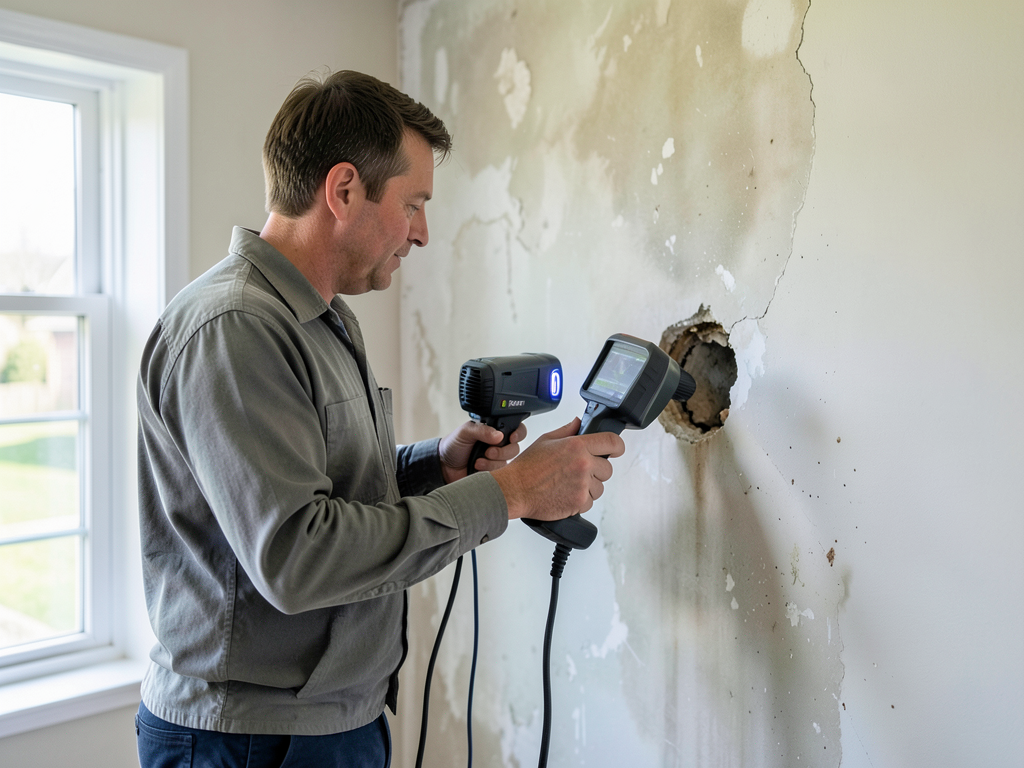
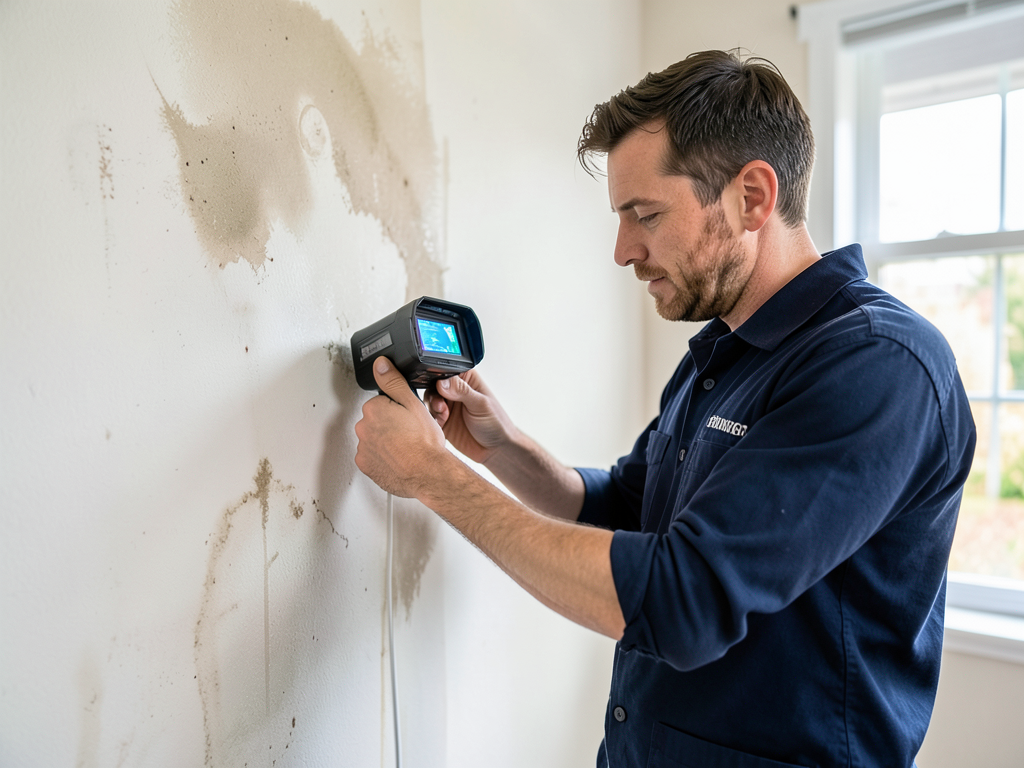
We document everything with thermal imaging cameras and moisture meters. These readings create the baseline for your insurance claim and track drying progress. Most homeowners don't realize insurance requires specific documentation protocols. We photograph damage, log moisture readings, and provide detailed loss reports that adjusters expect. This documentation protects your claim and speeds approval.
Heritage Water Damage Restoration Greenwich owns our extraction and drying equipment. We don't rent equipment or subcontract work. Our truck-mounted extractors remove thousands of gallons per hour. Our commercial dehumidifiers and air movers create optimal drying conditions verified by daily moisture monitoring. We stay on site until materials return to dry standard, not when it looks dry. This prevents callbacks and mold issues that plague rushed jobs.
Our relationship with Milford extends beyond emergency response. We work with local plumbers, electricians, and contractors to coordinate full restoration after mitigation. One call connects you to a complete restoration team.

Our dispatch guarantees arrival within one hour for Milford water emergencies. Fast response limits damage spread and reduces restoration costs. Every minute water sits allows deeper penetration into subflooring, drywall, and framing. Our crews carry extraction equipment and moisture barriers to stop damage progression immediately upon arrival.

We handle insurance documentation from first contact through final approval. Our technicians photograph damage, document moisture readings, and provide detailed scope reports that satisfy adjuster requirements. We've worked with every major carrier serving Connecticut. This experience prevents claim denials and speeds reimbursement, so you're not waiting months for payment.
Every crew member completes Institute of Inspection, Cleaning and Restoration Certification in water damage restoration and applied structural drying. This training teaches proper extraction techniques, drying science, and microbial remediation protocols. Certification ensures your property receives treatment based on industry standards, not guesswork. Insurance companies recognize IICRC certification when evaluating contractors.
We understand Milford's coastal flooding patterns, soil drainage issues, and common construction types from different building eras. This local knowledge helps us anticipate hidden damage in century homes downtown versus 1960s ranches in residential areas. We know which neighborhoods face recurring groundwater issues and which properties need specialized foundation drying approaches.
Water damage restoration requires multiple specialized services working together. Extraction removes standing water, but restoration includes structural drying, dehumidification, antimicrobial treatment, and reconstruction. Heritage Water Damage Restoration Greenwich provides complete mitigation from emergency response through final repairs.
Our service range covers every water damage scenario Milford properties face. Basement floods from sump pump failure require different equipment than ceiling leaks from roof damage. Sewage backups demand sanitization protocols that clean water incidents don't need. Storm surge introduces saltwater corrosion concerns absent from plumbing failures.
We categorize services by damage source and urgency level. Emergency water removal stops active flooding. Structural drying prevents secondary damage after extraction. Remediation addresses contamination and microbial growth. Each service follows specific protocols with verification testing to confirm completion. This systematic approach prevents the shortcuts that cause long-term problems like hidden mold growth or structural weakness.
Connecticut requires licensed contractors for certain restoration work. We maintain proper licensing and insurance for all services we provide. Our teams coordinate with local building inspectors when work requires permits. This compliance protects you from liability and ensures repairs meet code requirements for safety and property value.
Our crews arrive with truck-mounted extractors that remove thousands of gallons per hour from flooded basements, saturated carpets, and standing water on any surface. We use thermal imaging to find hidden water in wall cavities and under flooring. Submersible pumps handle deep basement flooding. Weighted extractors pull water from carpet padding and subflooring. We contain affected areas with plastic barriers to prevent humidity migration to dry spaces. This immediate response stops damage progression and reduces drying time.
After extraction, materials remain saturated with absorbed moisture. We position commercial dehumidifiers and air movers to create optimal drying conditions. Our equipment removes moisture from air while fans promote evaporation from wet materials. Technicians monitor daily with moisture meters, tracking readings in flooring, walls, and framing until materials return to dry standard. We adjust equipment placement based on readings, not timelines. Proper structural drying prevents mold growth, wood rot, and the musty odors that indicate incomplete drying.
Water damage creates conditions for mold growth within 48 hours. If you discover existing mold or water sat for days before discovery, remediation becomes necessary. We contain affected areas with negative air pressure to prevent spore spread. HEPA filtration removes airborne contaminants. Technicians remove porous materials with active growth and treat structural surfaces with antimicrobial solutions. We verify remediation success with post-testing. This process protects indoor air quality and prevents health issues linked to mold exposure.
Milford's coastal location and mix of old and new construction create specific water damage vulnerabilities. Storm systems from the Atlantic bring heavy rainfall that overwhelms drainage systems. Tidal flooding affects properties near the Sound. Winter freeze-thaw cycles burst pipes in exterior walls and unheated spaces.
Older homes in downtown Milford and historic neighborhoods lack modern waterproofing. Many have stone foundations that allow groundwater seepage. Homes built before 1970 often have inadequate foundation drainage and outdated sump pumps. When heavy rain saturates the soil, water finds the path of least resistance into basements and crawl spaces.
Coastal properties face saltwater intrusion during storm surge. Salt accelerates corrosion of metal fasteners, pipes, and electrical systems. Even after water recedes, salt residue continues damaging materials unless properly cleaned. Many homeowners don't realize storm surge requires different cleanup protocols than freshwater flooding.
The housing boom of the 1950s and 1960s filled Milford with ranch homes and split-levels. These properties often have finished basements with carpeting directly on concrete slabs. When water enters, it saturates drywall, insulation, and flooring while hidden moisture remains trapped behind walls. Incomplete drying creates the perfect environment for mold growth that appears months after the initial flood.
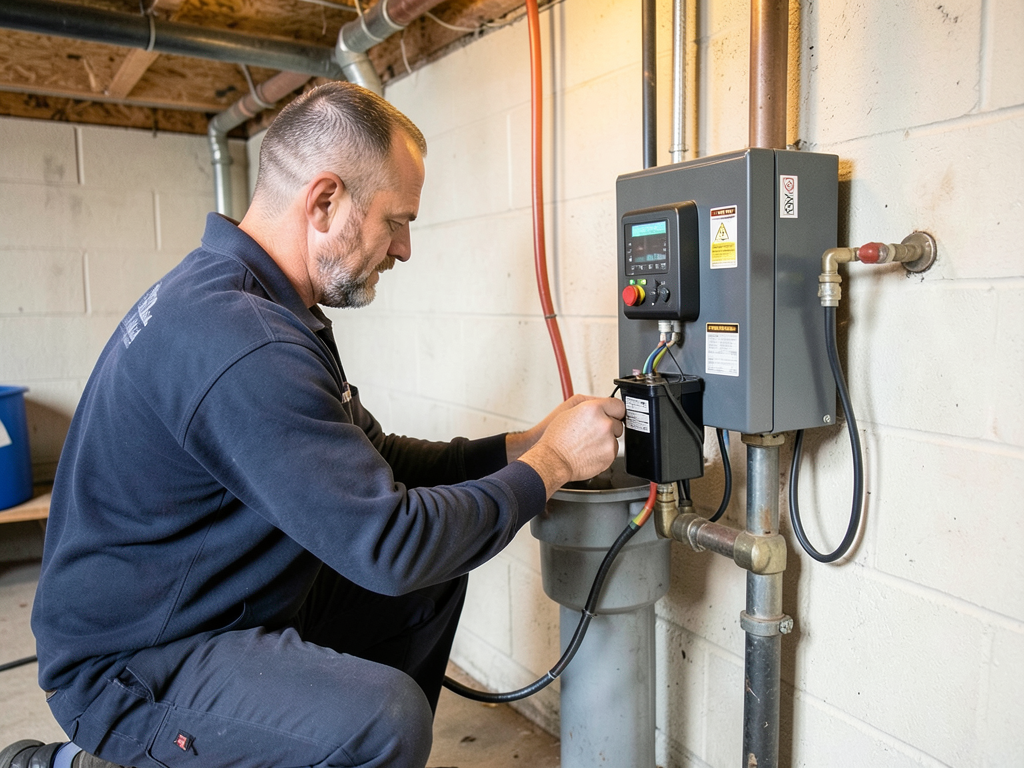
Sump pumps protect basements by removing groundwater before it floods living space. When pumps fail during heavy rain, basements flood quickly. Common causes include power outages during storms, worn pump components, and overwhelmed capacity. We extract standing water, dry the basement structure, and coordinate with plumbers to restore pump function before the next storm.
Connecticut winters bring periods of extreme cold that freeze water in pipes. When water freezes, it expands and cracks pipes. The real damage happens when temperatures rise and ice melts, releasing water inside walls and ceilings. We respond immediately to limit damage spread, extract water from affected areas, and use thermal imaging to locate moisture in hidden spaces.
Properties near Long Island Sound face flooding during nor'easters and tropical systems. Storm surge pushes saltwater inland, flooding basements and first floors. Saltwater requires specialized cleanup because salt accelerates corrosion and material degradation. We extract contaminated water, clean all surfaces to remove salt residue, and apply corrosion inhibitors to protect metal components from ongoing damage.
Winter ice dams and aging roofs allow water into attics and wall cavities. Water travels along framing and appears as ceiling stains far from the actual entry point. This hidden moisture damages insulation, drywall, and framing while creating mold growth conditions. We use moisture meters and thermal imaging to trace water to its source, extract moisture from affected materials, and coordinate with roofers for permanent repairs.
Water damage creates stress and uncertainty. You're dealing with a flooded home, worried about costs, and unsure what happens next. Heritage Water Damage Restoration Greenwich eliminates confusion with clear communication from first contact through project completion.
When you call, our dispatcher asks specific questions about your situation. We need to know your water source, how much area is affected, and if the water is still flowing. This information helps us arrive with the right equipment and crew size. We provide an arrival time and call if anything changes.
Our technician walks through your property to assess damage extent and water category. Clean water from supply lines requires different treatment than contaminated water from sewage backups. We explain what we find, what equipment we'll use, and the expected timeline. Most customers appreciate this transparency because other contractors give vague answers or pressure for immediate decisions.
We document everything with photos and moisture readings. This documentation protects your insurance claim and provides baseline measurements for tracking drying progress. Daily updates show you exactly what's happening and when we expect to complete each phase. You're never wondering about project status or waiting days for callbacks.
Our crews arrive within 60 minutes carrying extraction equipment and moisture detection tools. The crew chief inspects your property room by room, using thermal imaging to find hidden moisture in walls, floors, and ceilings. We identify the water source, determine contamination level, and measure affected area square footage. You receive a detailed explanation of findings and our recommended mitigation plan. We answer questions and address concerns before starting work, so you understand exactly what we're doing and why.
We check moisture levels daily using calibrated meters that measure water content in different materials. Each reading is logged and compared to previous days, showing you exactly how drying progresses. Our project manager calls or texts with updates, explaining what readings mean and when we expect to reach dry standard. You're never left wondering about timeline or project status. If readings show slower than expected drying, we add equipment or adjust placement immediately rather than hoping conditions improve.
We photograph all damage from multiple angles before starting work. Thermal images show moisture location in structural materials. Daily moisture logs create a complete record of drying progress. Our detailed scope report lists all affected materials, equipment used, and time on site. This documentation package gives your insurance adjuster everything needed for claim approval. We've worked with every major carrier and understand their specific requirements, preventing the documentation issues that delay claims or cause denials.
Water damage restoration follows specific steps that build on each other. Skipping steps or rushing processes causes problems later. Heritage Water Damage Restoration Greenwich follows industry protocols that ensure complete restoration.
Call our emergency line 24/7 and speak directly with our dispatcher. We gather information about your water source, affected areas, and property access. This helps us arrive with appropriate equipment. We provide an estimated arrival time and confirm your location. If you need to shut off water or power for safety, we guide you through the process. Our crew calls when they're 10 minutes away to confirm access and answer last-minute questions.
Our crew extracts standing water using truck-mounted systems and weighted extractors. We remove saturated materials that can't be saved, like soaked carpet padding and wet insulation. Commercial dehumidifiers and air movers create optimal drying conditions. We position equipment based on moisture readings, not convenience. Technicians return daily to monitor progress, adjust equipment placement, and log moisture levels until materials reach dry standard verified by meter readings.
Before removing equipment, we verify all materials have returned to dry standard with comprehensive moisture testing. We document final readings for your records and insurance. If restoration work is needed, we coordinate with contractors for repairs or handle reconstruction in-house. You receive final documentation including all photos, moisture logs, and scope reports. We follow up after completion to ensure you're satisfied and address any concerns.
The Institute of Inspection, Cleaning and Restoration Certification establishes water damage categories based on contamination level. Category 1 is clean water from supply lines, rainwater, or melting snow. Category 2 contains contaminants like washing machine overflow or toilet bowl water without feces. Category 3 is grossly contaminated water from sewage, flooding, or any water that sat for over 48 hours.
Each category requires different safety protocols and treatment methods. Category 1 water can often be extracted and dried with standard equipment. Category 2 requires antimicrobial treatment of affected surfaces. Category 3 demands removal of porous materials like drywall and insulation because sanitization can't penetrate these materials enough to ensure safety.
Connecticut doesn't have specific licensing for water damage restoration, but work often triggers building permit requirements. Any structural repairs, electrical work, or plumbing replacement requires proper licensing and permits. Heritage Water Damage Restoration Greenwich coordinates with licensed trades when restoration extends beyond mitigation.
Moisture content standards define dry conditions. Wood framing should measure below 15% moisture content. Concrete should measure below 3% using calcium carbide testing. Drywall should show moisture readings equivalent to unaffected areas in the same structure. These standards aren't arbitrary. They're based on the moisture levels where mold growth and material degradation become likely.
Insurance policies typically cover sudden and accidental water damage but exclude gradual damage from maintenance neglect. A burst pipe is covered. A slow leak that developed over months isn't. Documentation proving the damage was sudden and accidental protects your claim. This is why we photograph everything and note damage extent immediately upon arrival.
Restoration timeline depends on water category, affected materials, and environmental conditions. A small Category 1 incident might dry in three days. Extensive Category 3 contamination with removal of structural materials might take two weeks. Humidity and temperature affect drying speed. We never quote timelines before seeing the property because every situation presents unique factors.
IICRC classifies water damage from Category 1 (clean) to Category 3 (grossly contaminated). Categories determine safety protocols and treatment methods. Clean water requires extraction and drying. Contaminated water requires antimicrobial treatment and often material removal. Water left standing for over 48 hours automatically becomes Category 3 regardless of original source because microbial growth begins. Our technicians assess category immediately upon arrival.
Restoration costs depend on water volume, contamination category, affected square footage, and how long water sat before discovery. Category 3 sewage requires complete removal of porous materials and specialized sanitization. Hidden water in wall cavities requires drywall removal for drying access. Delays allow mold growth that increases scope. Insurance typically covers mitigation costs for covered losses. We provide detailed estimates before starting non-emergency work.
Structural drying typically requires three to seven days depending on materials affected and environmental conditions. Concrete dries slower than wood framing. High humidity extends timelines. We monitor daily and remove equipment only after moisture meters confirm materials reached dry standard. Removing equipment early because surfaces appear dry causes hidden moisture problems and mold growth. Insurance companies require verification testing to confirm complete drying.
Connecticut requires permits for structural repairs, electrical work, and plumbing replacement during restoration. Local building departments inspect work to verify code compliance. Heritage Water Damage Restoration Greenwich coordinates with licensed contractors when work requires permitting. This protects you from liability and ensures repairs meet safety standards. Insurance companies may deny claims if unpermitted work causes future problems. We handle all permit applications and inspections.
Heritage Water Damage Restoration Greenwich provides emergency water damage services throughout Milford and the greater Fairfield County region. We maintain rapid response capability for properties across the entire city from Long Island Sound north to the Merritt Parkway corridor.
Downtown Milford contains many of the city's oldest properties, including Colonial and Victorian homes built before modern waterproofing standards. These historic structures often have stone foundations that allow groundwater seepage during heavy rainfall. We understand the unique challenges these properties present and use methods that protect historic materials while achieving complete drying.
The Woodmont neighborhood extends along a peninsula into Long Island Sound, making properties vulnerable to storm surge and tidal flooding. We've responded to numerous coastal flooding events in this area and understand the specialized cleanup requirements for saltwater intrusion. Our crews know which streets flood first during nor'easters and tropical systems.
The Devon section along the Housatonic River faces different challenges than coastal neighborhoods. River flooding affects properties near the water, while inland areas deal with groundwater issues from clay-rich soil that drains slowly. We've worked extensively in this area and understand how topography and soil composition affect water damage patterns.
Gulf Beach and Welches Point face direct exposure to Long Island Sound. Properties here regularly deal with wind-driven rain during coastal storms and salt spray that accelerates material degradation. Our teams respond quickly to limit damage when storms breach these waterfront properties.
Inland neighborhoods around the Merritt Parkway and Interstate 95 corridor include many ranch and split-level homes from Milford's post-war expansion. These properties often have finished basements vulnerable to sump pump failure and groundwater intrusion. We understand the construction methods used during this building period and know where moisture hides in these floor plans.
The Meadowside area and neighborhoods around Milford Hospital include a mix of older homes and newer construction. This variety means water damage sources and appropriate restoration methods vary significantly from property to property. Our technicians assess each situation individually rather than applying one-size-fits-all solutions.
We also serve adjacent communities including Orange to the north, West Haven to the west, and Stratford to the east. Many customers call us for properties in these areas because they've heard about our reputation in Milford. Our service area extends across Fairfield County because water emergencies require the same rapid response regardless of which town line you cross.
Our service area is designed to cover the entire region, ensuring that no matter where you are, we can get to you quickly and efficiently. We invite you to view our location on the map and see our central hub, from which we dispatch our rapid response teams. We are committed to serving our local community with speed, expertise, and a dedication to quality that you can always rely on.
Address:
Milford, CT, 6460
What happens to your home's resale value after a major water damage restoration Water damage strikes without warning in Greenwich. A burst pipe in a Riverside estate or a flooded basement in Cos Cob can…
How the high mineral content in Greenwich water affects your plumbing and leak risk Greenwich…

Tracking down hidden water damage in your custom basement wet bar or wine tasting room…
When coastal storms hit Greenwich and the power goes out, your basement's first line of…
Don't wait while water spreads through your property. Call Heritage Water Damage Restoration Greenwich at (475) 320-3777 for immediate dispatch. Our crews respond 24/7 with professional extraction equipment and moisture monitoring. Stop the damage before it gets worse.