


menu

Fire Sprinkler Water Cleanup in Greenwich – 60-Minute Emergency Response When Seconds Count

Liberty Water Damage Restoration Riverside delivers immediate fire sprinkler water damage restoration across Greenwich, stopping catastrophic flooding from accidental discharge before it destroys your property or business.

Slider Image 1
Slider Image 2
Slider Image 3
Slider Image 4
Slider Image 5
Slider Image 7
Slider Image 8
Slider Image 9
Slider Image 10
Slider Image 11

When Fire Suppression Systems Turn Into Flooding Nightmares

A single activated fire sprinkler head dumps 30 to 50 gallons of water per minute onto your floors. That's 300 gallons in 10 minutes. In Greenwich's historic downtown buildings and modern commercial complexes along the Metro-North corridor, these systems protect lives, but accidental sprinkler discharge creates a different emergency altogether.

You face immediate threats. Water cascades through ceilings, shorts electrical systems, saturates drywall, and floods into lower floors. In Greenwich's older buildings near Greenwich Avenue, plaster walls absorb water like sponges. In newer construction along the Post Road, open floor plans spread contamination rapidly across multiple rooms. The sprinkler water itself is not clean. It sits stagnant in pipes for years, accumulating rust, biofilm, and bacterial growth before it suddenly floods your space.

Every minute that passes allows water to penetrate deeper. Hardwood floors cup and buckle. Subflooring delaminates. Insulation becomes saturated and useless. Electronics fail. Inventory gets destroyed. In commercial spaces, business operations halt completely.

Emergency sprinkler water removal requires immediate action. You need containment, extraction, and drying to start within the first hour to prevent total loss. Waiting for regular business hours or next-day service guarantees extensive secondary damage. Mold colonization begins in 24 to 48 hours. Structural damage compounds by the hour.

This is not a maintenance issue you can schedule. This is an active flooding emergency that demands immediate burst fire sprinkler flood remediation. The difference between salvageable damage and total loss is measured in minutes, not days.

When Fire Suppression Systems Turn Into Flooding Nightmares
Rapid Containment and Industrial-Grade Extraction Protocol

Rapid Containment and Industrial-Grade Extraction Protocol

Liberty Water Damage Restoration Riverside deploys a systematic fire suppression system water extraction protocol designed specifically for high-volume sprinkler flooding. This is not carpet cleaning equipment scaled up. This is commercial-grade emergency response.

Our teams arrive with truck-mounted extraction units that pull 200 gallons per minute from flooded spaces. We establish containment barriers immediately to prevent water migration into unaffected areas. In multi-story buildings common throughout Greenwich, we assess vertical water travel through floor assemblies and wall cavities. Water follows gravity and structural pathways you cannot see.

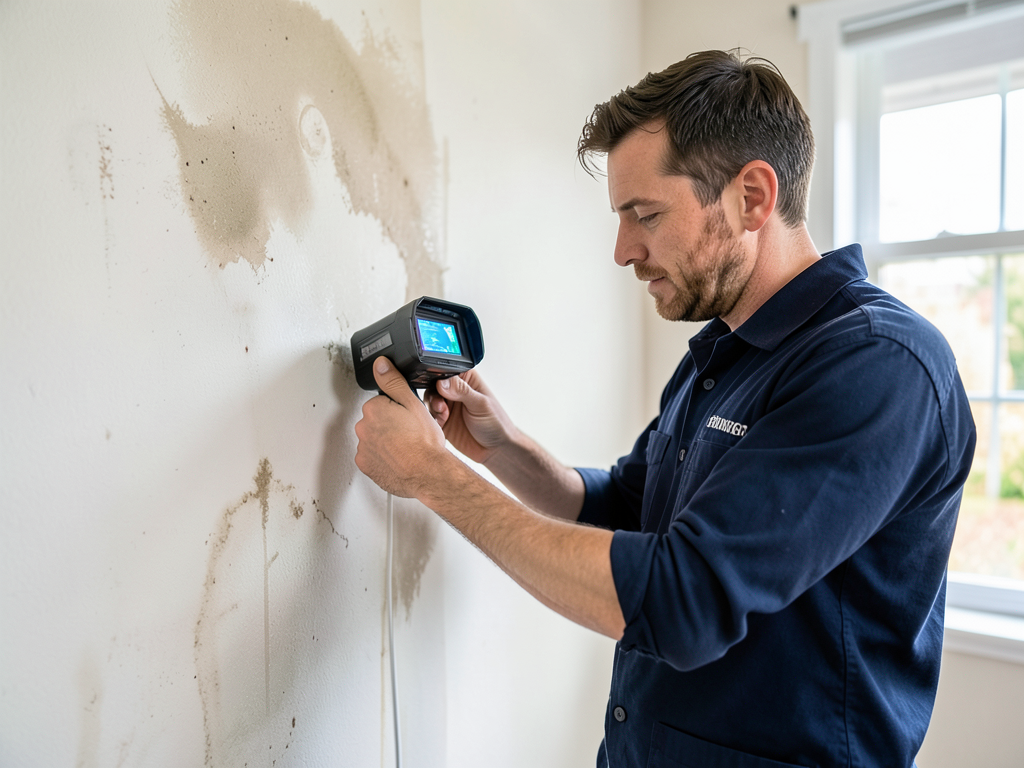
We use thermal imaging cameras to map moisture intrusion behind walls and under flooring. Surface drying is useless if trapped water remains in structural cavities. We document moisture readings with calibrated hygrometers at multiple depths, creating a baseline for drying verification. This data matters for insurance claims and proves actual drying, not guesswork.

Our extraction process prioritizes electrical safety. We identify circuit breaker locations and confirm power shutoff before placing equipment. Sprinkler water often contains enough conductive material to create shock hazards, especially in flooded mechanical rooms or basements.

We deploy commercial air movers in calculated configurations based on room geometry and airflow patterns. Random fan placement wastes time. We create negative pressure differentials that pull moisture from materials into the air stream, where commercial dehumidifiers extract it. Our desiccant dehumidifiers operate effectively even in cold conditions, which matters in Greenwich's variable climate.

For accidental sprinkler discharge cleanup in commercial spaces, we coordinate with facility managers to maintain partial operations when possible. We isolate affected zones, establish drying chambers, and create access corridors that allow business continuity. Downtime costs you revenue. We minimize it without compromising drying quality.

What Happens During Your Fire Sprinkler Emergency Response

Fire Sprinkler Water Cleanup in Greenwich – 60-Minute Emergency Response When Seconds Count
01

Immediate Dispatch and Assessment

You call our emergency line at (475) 320-3777, and we dispatch a crew immediately, 24 hours a day. No callbacks, no voicemail. Our team arrives within 60 minutes across Greenwich, bringing commercial extraction equipment and moisture detection tools. We assess flood extent, identify safety hazards, and begin containment before water spreads further into unaffected areas or lower floors.
02

Water Extraction and Structural Drying

We extract standing water using truck-mounted vacuums, then deploy air movers and commercial dehumidifiers in engineered configurations. We monitor moisture levels in walls, floors, and ceilings using thermal imaging and moisture meters. Drying is not guesswork. We document readings daily and adjust equipment placement based on measurable progress. We remove saturated materials that cannot be salvaged, like soaked insulation or delaminated drywall.
03

Verification and Clearance

We do not remove equipment until moisture readings confirm complete structural drying. We verify that walls, subfloors, and cavities return to normal moisture content using calibrated meters. We document final readings for your insurance claim. Once clearance is confirmed, we coordinate any necessary reconstruction or coordinate with your preferred contractors. You receive a complete record of the emergency sprinkler water removal process from initial flood to final clearance.

Why Greenwich Property Owners Choose Local Emergency Response

Liberty Water Damage Restoration Riverside operates from Greenwich, which means we reach your flooded property in minutes, not hours. When a fire sprinkler activates at 2 AM in your Riverside Avenue office building or Glenville commercial space, you need immediate response. Regional franchises dispatch from distant locations. We are already here.

We understand Greenwich building construction. Historic downtown buildings feature plaster walls and solid wood framing that absorb water differently than modern drywall construction. Buildings along the waterfront face different humidity baselines than properties inland. We adjust drying protocols based on actual building materials and local conditions, not generic national formulas.

Our teams work directly with Greenwich building inspectors when fire suppression system water extraction requires structural assessment or permits. We understand local code requirements for commercial buildings and multi-family residential properties. We communicate with your insurance adjuster using documentation they require, streamlining claims processing during an already stressful emergency.

Greenwich's commercial districts operate on tight margins. A flooded restaurant on Greenwich Avenue cannot stay closed for a week. A law office in Riverside cannot lose days of billing. We prioritize rapid mitigation and business continuity. We work overnight if necessary. We establish drying zones that allow partial operations. We understand that downtime is measured in lost revenue, not just inconvenience.

Our response time matters more than equipment size. The best extraction system is worthless if it arrives six hours late. We keep fully equipped trucks ready for immediate dispatch. We maintain backup equipment inventories for simultaneous multi-site emergencies. We staff teams around the clock, every day of the year, because fire sprinkler accidents do not follow business hours.

You are working with a local company that answers to this community, not a distant corporate headquarters. We provide direct accountability because we operate here.

What You Can Expect During Fire Sprinkler Flood Restoration

Emergency Response Speed

We commit to 60-minute arrival times across Greenwich for fire sprinkler emergencies. You call our emergency line at (475) 320-3777, speak directly to our dispatch team, and receive immediate crew assignment. We do not wait for morning. We do not schedule appointments. We respond now. Our trucks carry complete extraction and drying equipment, so we begin mitigation on arrival. No return trips for forgotten equipment. We understand that every minute of flooding increases damage exponentially. Speed is not a luxury during emergency sprinkler water removal. It is the difference between salvageable damage and total loss.

Comprehensive Flood Assessment

We assess the full extent of water intrusion before we begin extraction. Our teams use thermal imaging to map moisture behind walls and under flooring. We check vertical water travel in multi-story buildings. We identify electrical hazards and contaminated materials. We document initial moisture readings in structural materials using calibrated meters. This assessment creates the baseline for your insurance claim and guides our drying strategy. We explain what we find in plain language. You understand what happened, what needs drying, and what requires replacement. No surprises, no hidden damage discovered later because we skipped proper assessment.

Verified Structural Drying

We do not rely on surface drying or time estimates. We verify complete moisture removal using daily meter readings in walls, subfloors, and structural cavities. We provide written documentation showing moisture content returning to normal ranges before we remove equipment. Your insurance adjuster receives data proving actual drying, not assumptions. We adjust equipment configurations based on measurable results. Drying typically requires three to five days for standard construction, longer for plaster walls or concrete floors. We tell you what to expect based on your specific building materials, not generic timelines. You receive confirmation when drying is complete.

Post-Mitigation Coordination

Once we verify complete drying, we coordinate with your insurance company and any contractors handling reconstruction. We provide complete documentation of our emergency response, daily moisture readings, and final clearance verification. If you need reconstruction services, we connect you with qualified contractors familiar with Greenwich building codes. We remain available if questions arise during reconstruction or claims processing. Fire sprinkler flood emergencies create complicated insurance situations. We help you navigate the process with documentation that supports your claim. Our goal is complete restoration, not just water extraction.

Frequently Asked Questions

You Have Questions,
We Have Answers

Is fire sprinkler water clean? +

Fire sprinkler water is not clean. It sits stagnant in pipes for years, collecting rust, sediment, bacteria, and biofilm. When a sprinkler head discharges, this contaminated water floods your property. The water often smells foul and appears black or brown. It can stain walls, ceilings, furniture, and flooring. The longer it sits, the more damage it causes. In Greenwich homes and businesses, fire sprinkler discharge requires immediate professional extraction and antimicrobial treatment. Do not touch the water or attempt cleanup alone. Call a certified water damage restoration team within the first hour to prevent permanent staining and microbial growth.

What is the 3x rule for sprinklers? +

The 3x rule for sprinklers means you need three times the height clearance around each sprinkler head. For example, if a sprinkler head extends 1 inch below the ceiling, you need 3 inches of clearance. This rule prevents obstructions that block water distribution during a fire. In Greenwich commercial properties, storage, signage, and decorations often violate this clearance. Obstructions reduce coverage and increase fire risk. If a sprinkler activates and discharge is blocked, you face both fire damage and water damage. Always inspect clearances during storage changes or renovations. If a sprinkler discharges, call a restoration team immediately.

How often do sprinkler systems need to be flushed? +

Fire sprinkler systems should be flushed annually, per NFPA 25 guidelines. Flushing removes sediment buildup that clogs pipes and degrades water quality. In Greenwich, older buildings with galvanized pipes accumulate rust faster. Neglecting annual flushing increases the risk of clogged heads and foul-smelling discharge during activation. Commercial properties face higher inspection scrutiny. If your system activates and releases black, stagnant water, the damage is worse than a flushed system. Schedule annual testing with a licensed fire protection contractor. If discharge occurs, call a water damage restoration specialist immediately to extract contaminated water and prevent secondary damage.

How to drain water from a fire sprinkler system? +

Draining a fire sprinkler system requires shutting the main water supply valve and opening drain valves at the system low points. This is not a DIY task. Only licensed fire protection contractors should drain systems, as improper draining can cause air locks, pressure imbalances, or freeze damage in Greenwich winters. If a sprinkler head has discharged and flooded your property, do not attempt to drain the system yourself. Call emergency water restoration services first to stop the flooding and extract standing water. Then contact a fire protection contractor to inspect and refill the system. Speed is critical to prevent mold and structural damage.

Why does fire sprinkler water smell bad? +

Fire sprinkler water smells bad because it sits stagnant in pipes for years, breeding anaerobic bacteria and biofilm. As oxygen depletes, sulfur-reducing bacteria produce hydrogen sulfide gas, which smells like rotten eggs. Rust, sediment, and organic matter add to the odor. When a sprinkler discharges in your Greenwich property, the smell is overwhelming and penetrates porous materials like drywall, carpets, and upholstery. The contaminated water requires professional extraction and antimicrobial treatment. Do not ignore the smell or attempt cleanup with household fans. Call a certified restoration team immediately to prevent permanent odor absorption and microbial contamination.

Should you still water your lawn in October? +

This question does not relate to fire sprinkler water cleanup. If you are experiencing an emergency water discharge from a fire sprinkler system in your Greenwich property, focus on immediate damage control. Shut off the water source if safe, move valuables to dry areas, and document the damage with photos. Call a certified water damage restoration team within the first hour. Do not delay cleanup to address unrelated irrigation questions. Standing water from a sprinkler discharge spreads rapidly, soaks into walls and subfloors, and creates conditions for mold growth within 24 to 48 hours. Act now.

What is the 18 rule for fire sprinklers? +

The 18-inch rule for fire sprinklers requires maintaining 18 inches of clearance below each sprinkler head. This ensures unobstructed water distribution during a fire. In Greenwich warehouses, retail stores, and offices, stacked inventory, signage, and suspended equipment often violate this rule. Obstructions redirect water flow, reducing fire suppression effectiveness and increasing water damage to unintended areas. If a sprinkler activates and clearance is violated, you face both inadequate fire control and extensive water damage. Inspect clearances regularly. If discharge occurs, call a restoration team immediately to extract water, dry affected areas, and prevent mold and structural damage.

Will vaping set off a sprinkler system? +

Vaping will not set off a fire sprinkler system. Sprinklers activate from heat, not smoke or vapor. Heads contain a glass bulb or fusible link that breaks at a specific temperature, usually 155 to 165 degrees Fahrenheit. Vape aerosol does not generate enough heat to trigger activation. However, vaping near smoke detectors can trigger fire alarms, leading to unnecessary evacuations in Greenwich commercial buildings. If a sprinkler does discharge in your property for any reason, call a water damage restoration specialist immediately. Even a single head can release 20 to 50 gallons per minute, causing catastrophic damage within minutes.

What is the NFPA rule for sprinkler obstruction? +

NFPA 25 requires 18 inches of clearance below fire sprinkler heads and 3 feet horizontally from storage or obstructions. These rules prevent blocked water distribution during a fire. In Greenwich commercial properties, seasonal decorations, inventory stacking, and equipment installations often violate clearance standards. Inspectors issue violations that delay occupancy permits and increase liability. If a sprinkler activates and obstructions block water flow, fire damage worsens and water floods unintended areas. Always maintain clearances and schedule annual inspections. If discharge occurs, call a certified water damage restoration team immediately to extract water, dry structures, and restore your property before mold develops.

What is the life expectancy of a fire sprinkler system? +

Fire sprinkler systems last 50 to 100 years, but individual components require replacement sooner. Sprinkler heads last 50 years in normal conditions but degrade faster in corrosive or high-humidity environments like Greenwich coastal properties. Pipes corrode over time, especially galvanized steel. NFPA 25 requires annual inspections and five-year internal pipe assessments. If your system activates and discharges contaminated water, the damage reveals maintenance neglect. Call a water damage restoration specialist immediately to extract standing water, dry affected areas, and prevent mold. Then contact a fire protection contractor to inspect and upgrade aging components before the next emergency.

Greenwich Building Complexity and Fire Sprinkler System Challenges

Greenwich features unusual building diversity for a Connecticut municipality. Historic structures downtown along Greenwich Avenue combine commercial ground floors with residential upper stories, creating complex fire suppression requirements. Modern office complexes near the Metro-North stations use open floor plans that allow sprinkler discharge to spread across thousands of square feet instantly. Older apartment buildings in Riverside use wet pipe sprinkler systems that sit stagnant for decades, accumulating rust and sediment. When accidental discharge occurs, you face not just water volume, but contaminated water that requires different cleanup protocols than clean water flooding. Buildings near Long Island Sound also deal with elevated baseline humidity that slows structural drying compared to inland properties.

Liberty Water Damage Restoration Riverside maintains working relationships with Greenwich building officials and fire marshals who oversee commercial fire suppression systems. We understand local permitting requirements when water damage affects fire-rated assemblies or structural elements. We provide documentation that satisfies both insurance adjusters and municipal inspectors. Our familiarity with Greenwich's mixed-use buildings, historic preservation requirements, and modern commercial construction means we adapt our fire suppression system water extraction approach to your specific building type. Local expertise matters when sprinkler flooding affects complex properties with varied construction methods and regulatory oversight.

Water Damage Restoration Services in The Greenwich Area

Our service area is designed to cover the entire region, ensuring that no matter where you are, we can get to you quickly and efficiently. We invite you to view our location on the map and see our central hub, from which we dispatch our rapid response teams. We are committed to serving our local community with speed, expertise, and a dedication to quality that you can always rely on.

Address:
Heritage Water Damage Restoration Greenwich, 145 Mason St, Greenwich, CT, 06830

Additional Services We Offer

Our news updates

Latest Articles & News from The Blogs

How the high mineral content in Greenwich water affects your plumbing and leak risk Greenwich residents face a hidden threat…

How the high mineral content in Greenwich water affects your plumbing and leak risk

How the high mineral content in Greenwich water affects your plumbing and leak risk Greenwich residents face a hidden threat…

Tracking down hidden water damage in your custom basement wet bar or wine tasting room

Tracking down hidden water damage in your custom basement wet bar or wine tasting room \n\n Water damage in a…

How to keep your sump pump running during a massive Greenwich power outage

When coastal storms hit Greenwich and the power goes out, your basement's first line of defense against flooding fails too.…

Contact Us

Fire sprinkler flooding is happening now. Waiting increases damage every minute. Call Liberty Water Damage Restoration Riverside at (475) 320-3777 for immediate dispatch. Our emergency crews are standing by 24 hours a day, ready to respond across Greenwich.