


menu

Does Insurance Cover Mold in Greenwich? – Your Complete Guide to Property Insurance Mold Coverage

Navigate homeowners insurance mold coverage with confidence. We break down when mold damage is covered by insurance, how to file mold remediation insurance claims, and what Greenwich property owners need to know before calling their carrier.

Slider Image 1
Slider Image 2
Slider Image 3
Slider Image 4
Slider Image 5
Slider Image 7
Slider Image 8
Slider Image 9
Slider Image 10
Slider Image 11

The Mold Insurance Question Greenwich Property Owners Are Asking

You found mold. The next question hits fast: does home insurance pay for mold removal?

The answer is frustrating. It depends.

Greenwich's coastal humidity creates perfect conditions for mold growth. Properties near Long Island Sound face constant moisture exposure. Homes in the backcountry deal with poor ventilation in summer. The historic estates along Round Hill Road have aging plumbing that leaks without warning.

Most homeowners insurance mold coverage follows one rule: if sudden water damage caused the mold, you have a claim. A burst pipe floods your basement. Mold appears three days later. That claim gets approved.

But if the mold grew from neglect, you pay out of pocket. A slow roof leak you ignored for months. Condensation from a bathroom fan you never fixed. Insurance companies call this maintenance failure.

The confusion comes from policy language. One carrier covers mold remediation up to a specific limit. Another excludes all mold unless you bought an endorsement. Some policies cover the water damage but not the mold it caused.

Greenwich property owners need to understand their specific policy. Most standard policies include a mold sublimit between a few thousand and tens of thousands. Commercial property insurance often provides broader mold remediation insurance claims coverage because business interruption matters.

The key is documentation. If water damage happens, document it immediately. Take photos. Call your insurer within 24 hours. Hire a professional to start mitigation. Delay kills claims. Insurance adjusters look for proof you acted fast to prevent mold growth.

When you understand how property insurance mold coverage works, you protect your investment and avoid claim denials.

The Mold Insurance Question Greenwich Property Owners Are Asking
How Mold Insurance Claims Actually Work in Greenwich

How Mold Insurance Claims Actually Work in Greenwich

Insurance companies evaluate mold claims using a cause-and-effect test. They ask: what caused the moisture, and could the homeowner have prevented the mold?

Covered scenarios share common traits. A Category 2 supply line break floods your home. You call a restoration company within hours. They extract water and set dehumidifiers. Despite fast action, mold colonizes drywall within 72 hours. That claim gets paid because you responded appropriately to sudden damage.

Denied claims follow a pattern. A toilet seal leaked for weeks. You noticed water stains but delayed repairs. Mold grew behind the baseboards. The adjuster labels this gradual damage from deferred maintenance. Claim denied.

Greenwich homes face specific risk factors that complicate claims. Homes near the waterfront deal with elevated humidity year-round. Insurance carriers know this. They scrutinize claims more carefully in coastal zones. They ask if you ran dehumidifiers. They check if your HVAC system maintained proper indoor humidity levels.

The claims process requires precision. You file a notice of loss. An adjuster visits within days. They document the water source, measure affected areas, and take moisture readings. They review your maintenance records if available. They compare your policy language against the damage pattern.

Liberty Water Damage Restoration Riverside works directly with insurance adjusters daily. We provide detailed moisture mapping, thermal imaging reports, and microbial sampling results. We document the timeline from water intrusion to mold discovery. This documentation separates approved claims from denied ones.

Commercial claims operate differently. Business owners carry different policies with broader mold coverage because commercial buildings face liability exposure. A tenant gets sick from mold. The business owner faces a lawsuit. Commercial property insurance mold coverage often includes higher limits and fewer exclusions.

Understanding your policy before damage happens gives you leverage when filing mold remediation insurance claims.

What Happens When You File a Mold Claim

Does Insurance Cover Mold in Greenwich? – Your Complete Guide to Property Insurance Mold Coverage
01

Policy Review and Documentation

Your first step is pulling your declarations page and reading your mold coverage limits. Most Greenwich policies include a mold sublimit between a few thousand and tens of thousands. Check if your policy requires a separate mold endorsement. Document the water damage with photos and timestamps before any cleanup begins. Insurance adjusters need proof of sudden damage and your immediate response. Missing documentation is the fastest way to a denied claim.
02

Adjuster Assessment and Scope

The insurance adjuster visits your property to determine coverage eligibility. They identify the water source, measure moisture levels in building materials, and assess mold spread. They compare their findings against your policy exclusions. During this phase, professional documentation from a certified restoration company carries weight. Thermal imaging, moisture maps, and air quality testing create an objective record that supports your claim and prevents lowball settlement offers.
03

Settlement and Remediation Authorization

Once the adjuster approves your claim, they issue a scope of work and settlement amount. This covers water extraction, structural drying, mold remediation, and reconstruction up to your policy limits. You receive payment in stages. An initial advance covers emergency mitigation. Final payment comes after work completion and documentation submission. Professional restoration companies handle the paperwork and communicate directly with adjusters to speed up payment and prevent disputes over covered work.

Why Greenwich Property Owners Trust Liberty Water Damage Restoration Riverside with Insurance Claims

Insurance companies respect documentation. We provide it.

When you hire Liberty Water Damage Restoration Riverside, you get a team that speaks the language insurance adjusters understand. We document moisture intrusion using calibrated hygrometers and thermal imaging cameras. We map affected areas to scale. We photograph damage progression before touching anything.

Our reports follow IICRC S520 mold remediation standards. Insurance adjusters recognize these protocols. When we submit documentation that meets industry standards, claims get approved faster and settlement amounts reflect actual damage.

Greenwich properties demand local knowledge. We understand how coastal humidity affects homes along Shore Road differently than estates in the backcountry. We know that historic homes in Riverside often have hidden moisture pathways in plaster walls. We recognize that newer construction in Old Greenwich uses different building materials that respond differently to water damage.

This local expertise matters during claims disputes. When an adjuster questions whether mold growth could have been prevented, we explain how Long Island Sound proximity creates conditions where mold colonizes within 48 hours despite proper mitigation. We reference specific weather events that caused regional flooding. We provide context that protects your claim.

We work directly with all major carriers serving Greenwich. We know which adjusters handle mold claims for each company. We understand their documentation requirements. We submit estimates in the format they prefer. This familiarity eliminates delays and reduces claim friction.

Commercial property owners face higher stakes. A mold claim that shuts down your business costs you revenue daily. We prioritize commercial claims with rapid response and documentation that satisfies both your insurance carrier and your need to reopen quickly.

Choosing a restoration company that understands insurance protocol protects your financial interest and speeds up recovery.

What to Expect When Filing a Mold Insurance Claim in Greenwich

Claim Timeline and Response Speed

Insurance companies require notice within 24 to 48 hours of discovering water damage. Your adjuster typically schedules a site visit within 2 to 5 business days. Emergency mitigation begins immediately, even before the adjuster arrives. Most carriers approve emergency services quickly because preventing secondary damage protects their interests too. Full claim settlement takes 7 to 21 days depending on damage scope and documentation quality. Commercial claims often move faster due to business interruption concerns. The speed of your claim depends on how quickly you document damage and start professional mitigation.

Initial Assessment and Moisture Testing

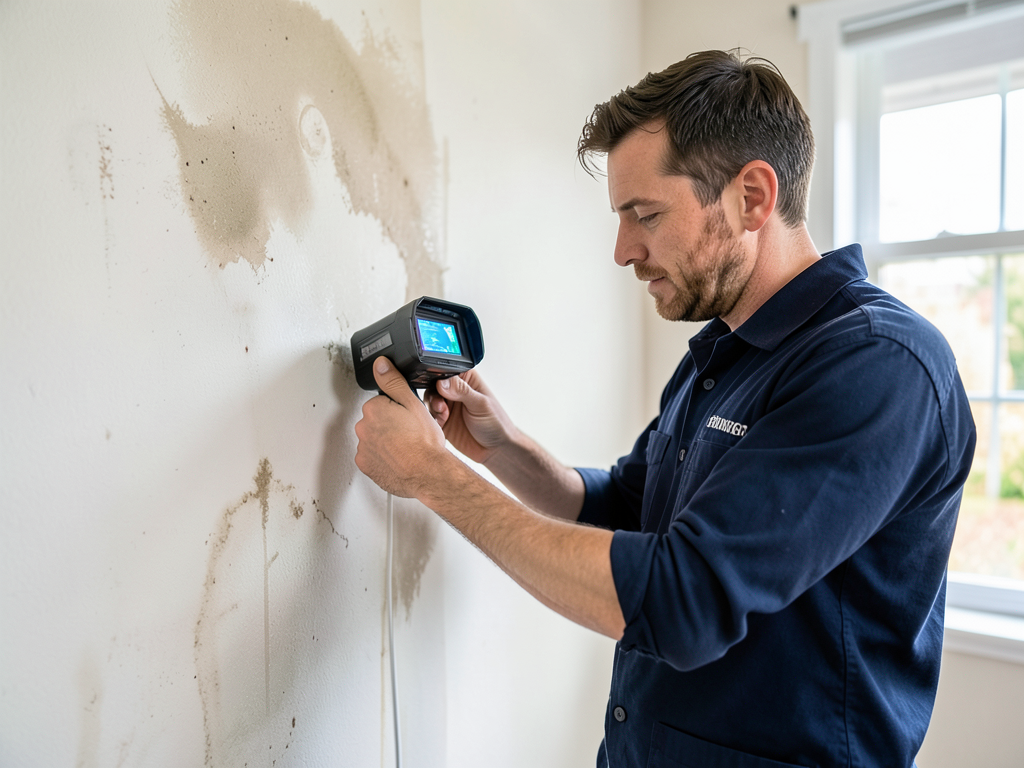
Professional assessment begins with identifying all moisture sources. We use thermal imaging to detect hidden water in wall cavities and under flooring. Moisture meters provide quantified readings that adjusters require for documentation. Air quality sampling identifies mold species and spore concentrations. This data determines remediation scope and cost. Insurance adjusters base coverage decisions on objective measurements, not visual inspection alone. Properties near the Greenwich waterfront often show elevated baseline humidity that affects interpretation of moisture readings. Understanding how local conditions affect testing results prevents disputes over coverage eligibility.

Remediation Quality and Clearance Testing

Mold remediation follows containment protocols that prevent cross-contamination to unaffected areas. We remove porous materials that cannot be salvaged. We clean and treat structural elements using antimicrobial solutions. HEPA filtration runs continuously during work. Once remediation completes, independent third-party testing confirms clearance. Post-remediation verification is critical for insurance claims because it proves work quality and eliminates future liability. Most policies require clearance testing before final payment. Greenwich properties with historic plaster or custom millwork need specialized cleaning techniques that preserve architectural details while meeting remediation standards.

Coverage Limits and Out-of-Pocket Costs

Standard Greenwich homeowners policies include mold sublimits that cap coverage regardless of actual damage cost. Review your declarations page to understand your specific limit. Deductibles apply to the total claim, not just mold work. If your mold damage exceeds your sublimit, you pay the difference. Some carriers offer mold endorsements that increase coverage limits for an additional premium. Commercial policies typically provide higher mold limits because business interruption exposure justifies broader coverage. Understanding your coverage limits before damage occurs helps you make informed decisions about additional endorsements and prevents financial surprises during claims.

Frequently Asked Questions

You Have Questions,
We Have Answers

Should I tell my insurance company about mold? +

Yes, you should report mold to your insurance company if it resulted from a covered peril like a burst pipe or storm damage. Document everything with photos and notes before calling. Many Greenwich homeowners hesitate because they fear rate increases, but failing to report can void future claims. Your policy likely requires prompt notification of water damage. Insurance adjusters need to see the origin of moisture to determine coverage. Do not start remediation until after inspection unless it creates an immediate health hazard. Keep all receipts and correspondence organized.

Can you claim for mold on house insurance? +

You can claim mold if it stems from a sudden, accidental water event covered by your policy. Most standard homeowners policies in Connecticut exclude mold from gradual issues like poor ventilation or deferred maintenance. If a pipe bursts in your Greenwich home and mold appears within days, that is typically covered. However, mold from a slow roof leak you ignored is not. Review your policy declarations page for mold coverage limits, often capped between $10,000 and $25,000. Some carriers offer endorsements for higher limits.

How expensive is mold removal? +

Mold removal costs vary widely based on severity, location, and extent. Small bathroom jobs may run a few hundred dollars, while whole-house contamination can reach five figures. Greenwich homes with finished basements or older HVAC systems often face higher costs. Containment, air scrubbing, disposal, and reconstruction all add up. Professional assessment is critical. Do not rely on online estimates. Factors include square footage affected, material types, and whether structural elements need replacement. Insurance may cover some or all costs if tied to a covered loss.

What is an example of a mold claim for insurance? +

A typical covered mold claim starts with a sudden water event. For example, a Greenwich homeowner returns from vacation to find a washing machine supply line burst. Water flooded the laundry room and adjacent hallway for days. Within 72 hours, visible mold appears on drywall and baseboards. The homeowner files a claim immediately, documenting water damage and mold growth. The adjuster confirms the pipe failure was sudden and accidental. The insurer covers water extraction, drywall replacement, and professional mold remediation up to policy limits.

Will my rates go up if I file a mold claim? +

Filing a mold claim can affect your rates, but the impact depends on your carrier, claim history, and state regulations. Connecticut insurers review your claims history during renewal. Multiple claims within three years often trigger rate increases or non-renewal. A single mold claim from a covered peril like storm damage may not spike premiums significantly. However, repeated water damage claims signal risk. Some Greenwich homeowners weigh the claim payout against potential rate hikes. Consult your agent before filing if costs are near your deductible.

What to do if you can't afford mold removal? +

If you cannot afford professional mold removal, explore these options. Contact your insurance company first to confirm coverage, even if you initially thought it was excluded. Some Greenwich homeowners qualify for municipal assistance programs for health hazards. You can also request payment plans from remediation companies. For small areas under 10 square feet, you may handle it yourself using proper PPE and EPA-approved methods. Do not ignore mold. It worsens over time and damages property value. Address the moisture source immediately to prevent spread.

What are my rights if my insurance denies a mold claim? +

If your insurance denies a mold claim, you have options. First, request a detailed written explanation of the denial. Review your policy language carefully. Many denials stem from miscommunication about the water source. You can file an internal appeal with your carrier, providing additional documentation like plumber reports or photos. If that fails, contact the Connecticut Insurance Department to file a complaint. You may also hire a public adjuster or attorney who specializes in property claims. Do not accept the first denial without challenging it.

What are the signs of mold in a house? +

Common mold signs include musty odors, visible black or green patches on walls or ceilings, and water stains. Greenwich homes with poor attic ventilation or basement humidity often show mold on wooden beams or insulation. You may notice peeling paint, warped drywall, or discolored grout. Health symptoms like persistent coughing, sneezing, or headaches can indicate hidden mold. Check under sinks, around windows, and behind appliances. If you smell mold but cannot see it, it may be inside walls or HVAC ducts. Professional testing confirms presence and type.

How much does it cost to fix damp issues in a house? +

Damp repair costs depend on the source and severity. Fixing a minor foundation crack may cost a few hundred dollars, while full basement waterproofing in Greenwich can exceed several thousand. Common fixes include installing sump pumps, repairing gutters, sealing foundation walls, or improving grading around the home. Older Greenwich properties with stone foundations face higher costs. Do not delay damp repairs. Persistent moisture leads to structural damage, mold, and decreased home value. Get multiple quotes from licensed contractors who understand Connecticut building codes and local soil conditions.

Can a house full of mold be saved? +

Yes, most mold-infested homes can be saved with proper remediation. Even severe contamination is reversible if you act quickly and hire professionals. The key is eliminating the moisture source and removing affected materials. Greenwich homes with extensive mold may require gutting drywall, replacing insulation, and treating framing lumber. Structural integrity is rarely compromised unless wood rot has advanced. Post-remediation testing confirms safe air quality. Homes in flood zones or with recurring water issues need permanent moisture control solutions. Abandoned homes with years of mold present greater challenges but remain salvageable in most cases.

How Greenwich's Coastal Climate Affects Mold Insurance Coverage

Greenwich properties sit in a high-humidity zone where Long Island Sound meets inland elevations. Homes near the waterfront in Riverside, Old Greenwich, and along Shore Road maintain indoor relative humidity above 60 percent for months each year. Insurance companies know this. Adjusters scrutinize mold claims more carefully in coastal areas because ambient humidity creates conditions where mold grows faster than inland properties. The distinction matters during claims evaluation. An adjuster asks if you ran dehumidifiers, maintained HVAC systems, and monitored indoor humidity. Properties in the backcountry face different challenges. Poor air circulation in wooded areas creates microclimates where moisture accumulates in crawl spaces and attics. Understanding how your specific location affects mold growth patterns helps you document claims in ways insurance adjusters accept.

Greenwich building standards and local contractors familiar with coastal construction matter during remediation. Historic homes in Riverside often feature plaster walls and custom millwork that require specialized restoration techniques. Modern construction in central Greenwich uses different moisture barriers and building materials. Liberty Water Damage Restoration Riverside understands these distinctions. We work with local adjusters who handle Greenwich claims regularly. They recognize our documentation standards and trust our moisture mapping. This local credibility speeds up claims approval and reduces disputes over covered work. When your restoration company understands local building styles and maintains relationships with adjusters serving Greenwich, your claim moves through the system faster and settlement amounts reflect actual damage.

Water Damage Restoration Services in The Greenwich Area

Our service area is designed to cover the entire region, ensuring that no matter where you are, we can get to you quickly and efficiently. We invite you to view our location on the map and see our central hub, from which we dispatch our rapid response teams. We are committed to serving our local community with speed, expertise, and a dedication to quality that you can always rely on.

Address:
Heritage Water Damage Restoration Greenwich, 145 Mason St, Greenwich, CT, 06830

Additional Services We Offer

Our news updates

Latest Articles & News from The Blogs

How the high mineral content in Greenwich water affects your plumbing and leak risk Greenwich residents face a hidden threat…

How the high mineral content in Greenwich water affects your plumbing and leak risk

How the high mineral content in Greenwich water affects your plumbing and leak risk Greenwich residents face a hidden threat…

Tracking down hidden water damage in your custom basement wet bar or wine tasting room

Tracking down hidden water damage in your custom basement wet bar or wine tasting room \n\n Water damage in a…

How to keep your sump pump running during a massive Greenwich power outage

When coastal storms hit Greenwich and the power goes out, your basement's first line of defense against flooding fails too.…

Contact Us

You need answers about your mold coverage now. Liberty Water Damage Restoration Riverside reviews your policy, documents your damage, and works directly with your insurance adjuster. Call (475) 320-3777 for immediate claim support and professional documentation that protects your interests.