

menu

Water Mitigation vs Restoration in Greenwich – Understanding the Critical Difference That Saves You Time and Money

Learn exactly what water mitigation vs restoration means, when each phase begins, and why knowing the difference between water mitigation and restoration protects your Greenwich property from hidden damage and inflated repair bills.

Slider Image 1
Slider Image 2
Slider Image 3
Slider Image 4
Slider Image 5
Slider Image 7
Slider Image 8
Slider Image 9
Slider Image 10
Slider Image 11

Why Greenwich Property Owners Get Confused About Water Damage Terminology

You call after a pipe bursts in your Old Greenwich Colonial, and three different contractors throw around terms like water mitigation, water remediation, and water restoration. Nobody explains what any of it means. You just want your home fixed.

Here is the truth. Water mitigation and water restoration are not the same thing. They happen at different times. They involve different work. They get billed differently by insurance companies. Mixing them up costs you money and delays repairs.

Greenwich's coastal humidity makes this distinction even more important. When water damage happens here, you are racing against mold growth that thrives in our 70-plus percent summer humidity. Water damage mitigation vs restoration is not just semantics. It determines whether you stop the damage in 24 hours or spend weeks dealing with secondary problems.

Water mitigation happens first. It means emergency response. Stopping the water source. Extracting standing water. Setting up dehumidifiers and air movers. Preventing further damage. This is the water cleanup phase. You call, we arrive fast, we stabilize the situation.

Water restoration happens after mitigation. It means reconstruction. Replacing drywall. Reinstalling flooring. Repainting. Returning your home to pre-loss condition. This is the water repair phase. It cannot begin until mitigation is complete and everything is dry.

The difference between water mitigation and restoration affects your timeline, your insurance claim, and whether you develop long-term structural issues. Understanding water remediation vs restoration means you know what questions to ask when contractors show up at your Riverside door.

Why Greenwich Property Owners Get Confused About Water Damage Terminology
How Water Mitigation and Restoration Work Together in Real Damage Scenarios

How Water Mitigation and Restoration Work Together in Real Damage Scenarios

Think of mitigation vs reconstruction like emergency surgery versus physical therapy. Both are necessary. Neither replaces the other. They happen in sequence.

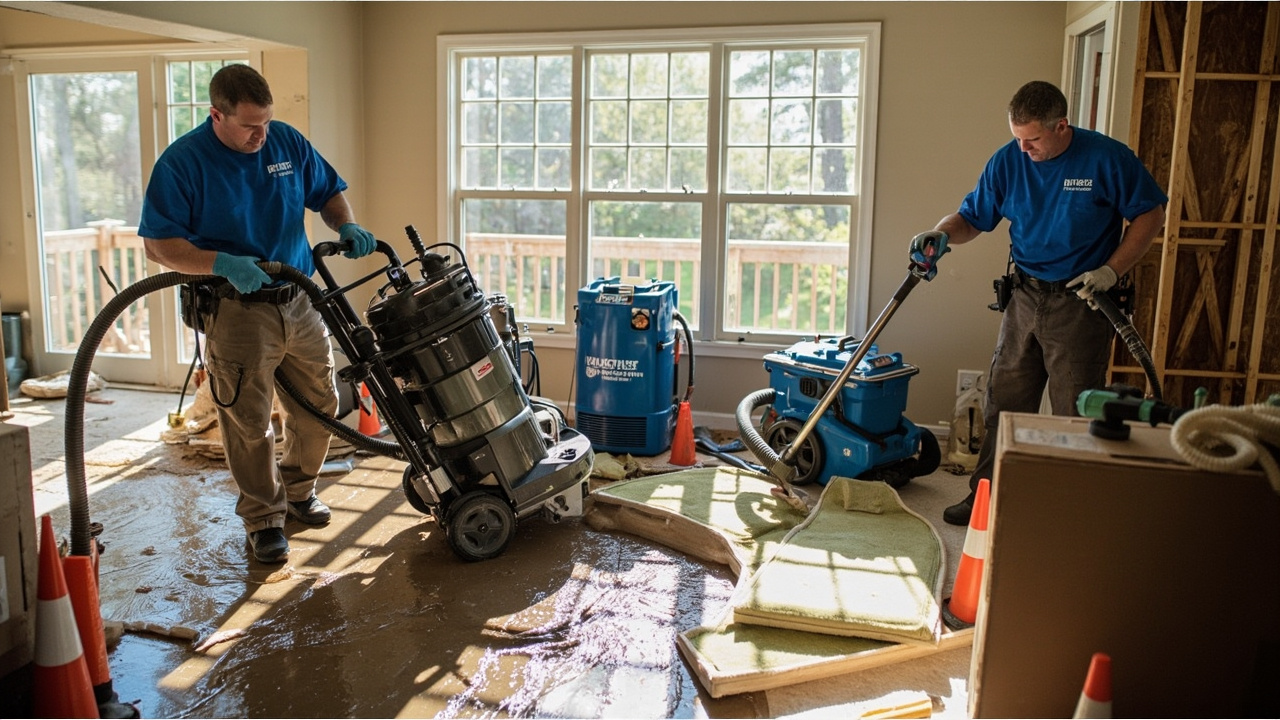
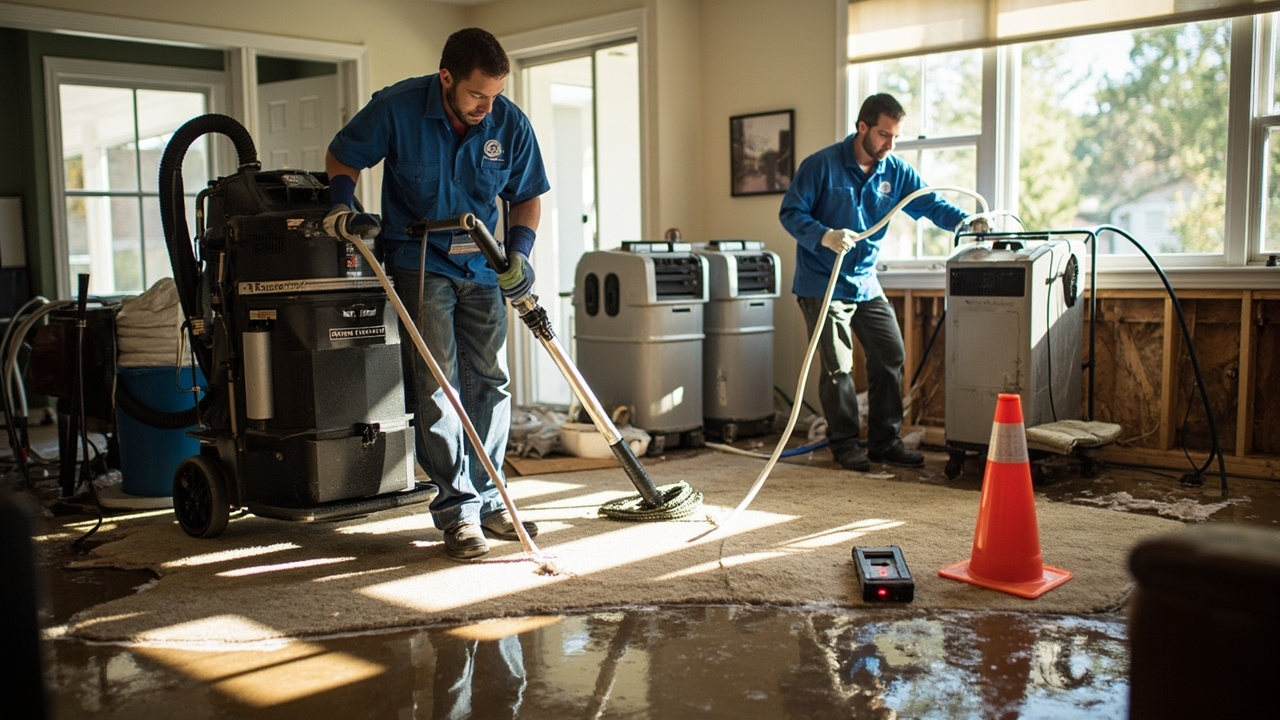
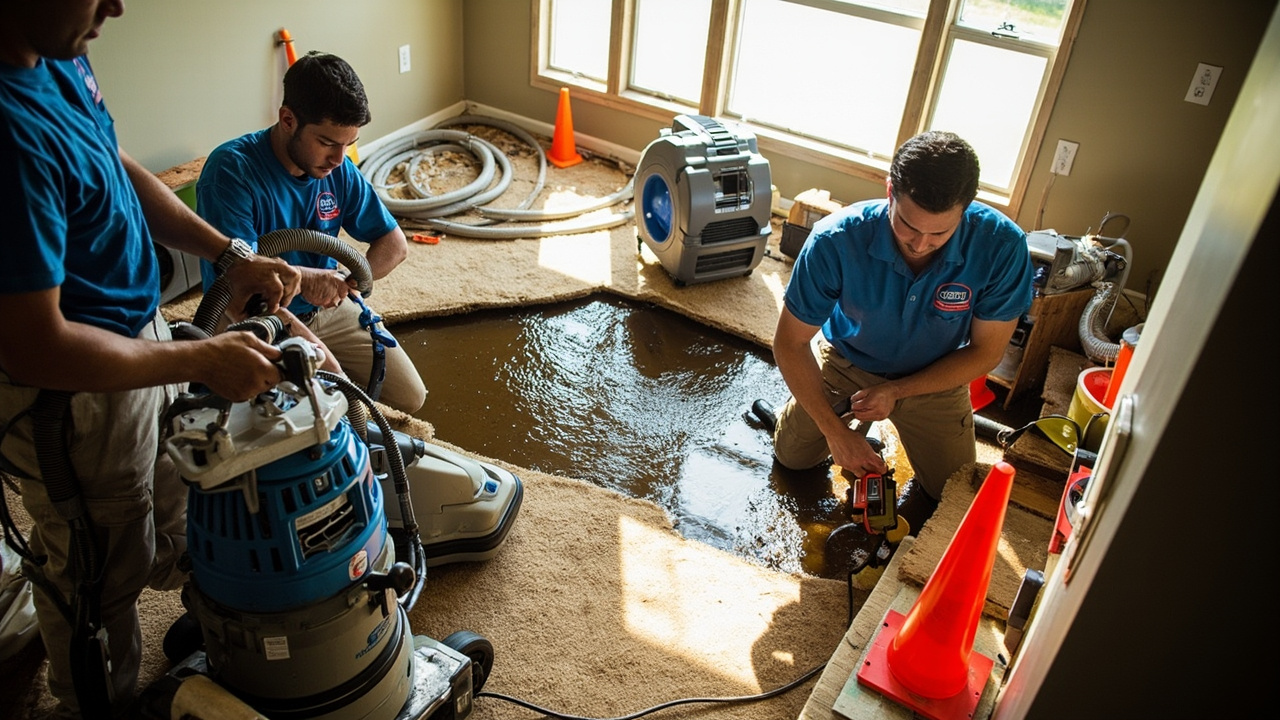
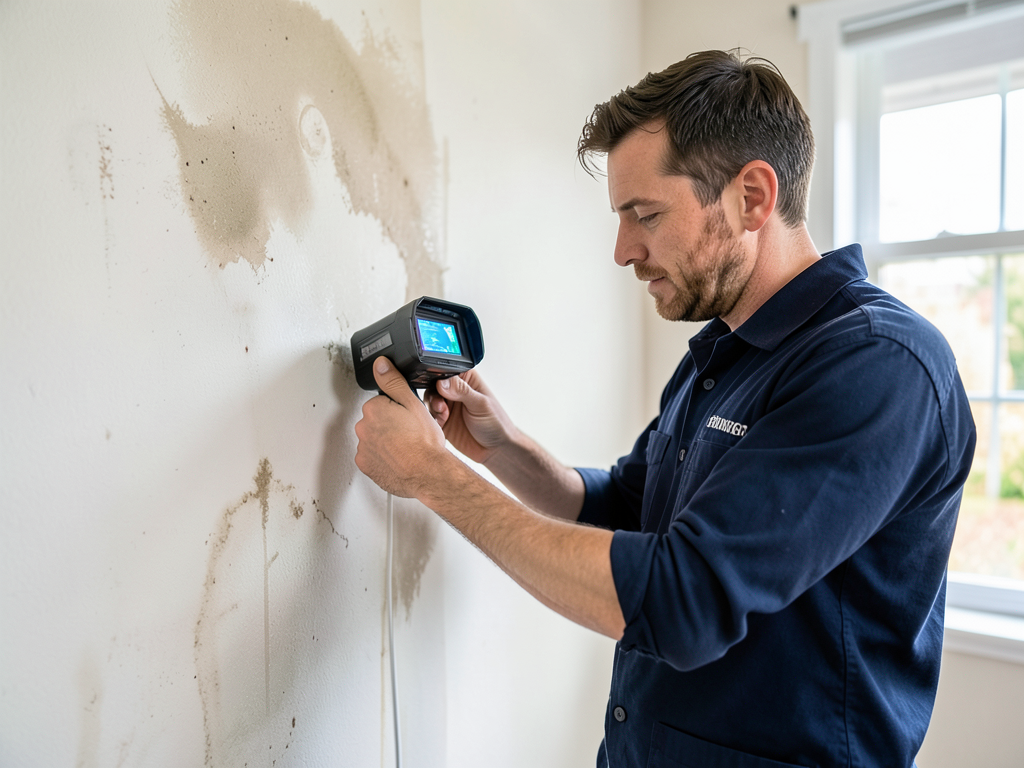
When your basement floods during a coastal storm, mitigation starts immediately. We extract water using truck-mounted pumps that remove thousands of gallons per hour. We document moisture levels with thermal imaging cameras and moisture meters that read humidity inside walls. We inject desiccant dehumidifiers that pull 150 pints of moisture per day from enclosed spaces. We remove wet insulation before it becomes a mold factory.

This is water damage mitigation. It stops active destruction. You cannot skip it. You cannot wait three days because you want to get estimates first. Every hour of delay multiplies the final restoration bill.

After mitigation, we monitor. Greenwich homes built before 1970 often have plaster walls that take longer to dry than modern drywall. We track moisture content daily using pin-type and pinless meters. We adjust equipment placement based on airflow patterns and humidity readings. We do not move to restoration until every material registers below 15 percent moisture content.

Then restoration begins. We reconstruct what mitigation removed. We replace subflooring damaged by standing water. We install new drywall where we cut flood cuts. We match your original trim profiles and paint colors. We coordinate with your insurance adjuster to document the scope.

Liberty Water Damage Restoration Riverside handles both phases. You get one point of contact, one timeline, one team that knows your property from day one. We do not hand you off to a separate reconstruction crew who starts from scratch learning your claim history.

What Happens When You Call About Water Damage

Water Mitigation vs Restoration in Greenwich – Understanding the Critical Difference That Saves You Time and Money
01

Emergency Mitigation Response

We arrive within hours to stop active water damage. Our crew extracts standing water, removes saturated materials, and deploys commercial dehumidification equipment. We document all damage with photos and moisture readings for your insurance claim. This mitigation phase typically runs 3 to 5 days depending on the extent of water intrusion and structural drying requirements in your specific Greenwich property.
02

Drying and Monitoring

We monitor moisture levels daily using calibrated meters and thermal imaging. Equipment stays in place until all building materials reach safe moisture thresholds below industry standards for mold prevention. We adjust airflow and dehumidification based on real-time readings. This phase prevents the hidden damage that shows up months later as warped floors or microbial growth behind walls. Completion depends on material type and saturation depth.
03

Restoration and Rebuild

Once drying is complete and documented, we move into full reconstruction. We rebuild walls, replace flooring, repaint, and restore your property to pre-loss condition. Our crew matches existing finishes and architectural details common in Greenwich homes. We coordinate final inspections with your insurance adjuster and provide documentation of all work completed. You get your home back, fully functional and ready to live in again.

Why Greenwich Residents Choose Local Expertise for Complex Water Damage

National franchise crews do not understand Greenwich construction. They do not know that homes in Cos Cob were built with balloon framing that lets water travel vertically through wall cavities. They do not recognize that Riverside properties near the Mianus River sit on high water tables that complicate basement drying. They have never dealt with historic district requirements that limit exterior equipment placement during mitigation.

We have. Liberty Water Damage Restoration Riverside works exclusively in Greenwich and surrounding Fairfield County towns. We know which neighborhoods flood during spring nor'easters. We understand local building codes that affect reconstruction permits. We have relationships with local adjusters who process claims for Greenwich properties daily.

This local knowledge matters during both mitigation and restoration. When we cut flood cuts in your Pemberwick ranch, we know how to locate floor joists without blueprints because we have worked on 40 other homes in your neighborhood. When we rebuild your Old Greenwich mudroom, we source trim profiles that match your home's era from local suppliers who stock period-appropriate materials.

You also get faster response times. Our crews stage from a local facility. We are not dispatched from Stamford or Norwalk. When you call at 2 a.m. because your water heater failed, we arrive in under an hour, not three.

We handle insurance complexity specific to Connecticut policies. We know which carriers require pre-authorization for emergency mitigation. We document claims using the Xactimate software your adjuster uses. We know Fair Claims Settlement Practices that protect Greenwich homeowners during disputes. You do not fight the insurance battle alone.

What to Expect When You Hire a Water Damage Company

Response Time and Availability

Water damage requires immediate action. We dispatch crews 24 hours a day, 7 days a week, 365 days a year. You call, we answer, we arrive. No voicemail. No waiting until Monday. Our average response time to Greenwich addresses is under 60 minutes for emergency calls. This speed matters because the first 24 hours determine whether you face minor repairs or major reconstruction. We bring extraction equipment, moisture meters, and containment supplies on the first visit. You do not wait days for an estimate while water soaks deeper into your subflooring and wall cavities.

Initial Assessment and Documentation

Our first visit includes a complete moisture assessment using thermal imaging and pin-type meters. We map affected areas, photograph all damage, and document pre-loss conditions. This assessment determines the mitigation scope and provides your insurance company with the evidence they need to approve your claim. We test moisture in visible areas and hidden cavities behind baseboards and inside wall assemblies. You receive a written scope of work that separates mitigation costs from restoration costs. This transparency prevents surprise bills later and gives you control over which repairs you authorize at each phase.

Quality of Workmanship

Mitigation and restoration require different skills. Our mitigation crews are IICRC-certified in water damage restoration and applied structural drying. They understand psychrometrics, vapor pressure, and airflow dynamics. Our restoration crews include licensed carpenters, plumbers, and electricians who handle reconstruction to code. You do not get unskilled labor running equipment they do not understand. We use commercial-grade dehumidifiers, air scrubbers with HEPA filtration, and truck-mounted extraction units that remove water faster than portable shop vacs. Our reconstruction matches your home's original quality using materials appropriate for Greenwich's coastal environment and humidity levels.

Post-Restoration Follow-Up

After restoration is complete, we provide documentation of all moisture readings, equipment logs, and work performed. You receive photos showing your property at every phase from initial damage through final reconstruction. We coordinate final inspections with your insurance adjuster and local building officials if permits were required. We also provide guidance on preventing future water damage specific to your property's vulnerabilities. If you experienced flooding from a sump pump failure, we discuss backup systems. If your damage came from ice dam leakage, we explain attic ventilation improvements. You get knowledge that protects your investment long after we leave.

Frequently Asked Questions

You Have Questions,
We Have Answers

What is the difference between water restoration and mitigation? +

Water mitigation stops ongoing damage and removes standing water immediately after a flood or leak. Technicians extract water, dry surfaces, and prevent further harm to your Greenwich home. Water restoration comes after mitigation and rebuilds what was damaged. This includes repairing drywall, replacing flooring, repainting walls, and returning your property to pre-loss condition. Mitigation happens first to stabilize the emergency. Restoration follows to make your home livable again. Both steps are critical after water intrusion, but they serve distinct purposes in the recovery timeline.

What is the difference between restoration and remediation of water? +

Water restoration repairs and rebuilds structural damage caused by flooding or leaks. It involves carpentry, painting, flooring replacement, and cosmetic repairs to return your Greenwich property to normal. Water remediation addresses contamination and health hazards, particularly mold growth or sewage exposure. Remediation requires specialized equipment and protocols to remove hazardous materials safely. If your basement flooded with clean water, you need restoration. If sewage backed up or mold developed, you need remediation first. Many Greenwich properties affected by humidity and coastal moisture require both services to fully resolve water damage issues.

What is mitigation and restoration? +

Mitigation is the immediate response that stops water damage from spreading. Crews extract standing water, remove wet materials, and dry your property using industrial fans and dehumidifiers. Restoration is the rebuilding phase that repairs structural damage and returns your home to its original state. Mitigation stabilizes the emergency within hours or days. Restoration takes weeks and includes reconstruction, painting, and finishing work. Greenwich homeowners dealing with burst pipes or storm flooding need mitigation first to prevent mold and secondary damage. Restoration completes the recovery process once drying is finished.

What is included in water mitigation? +

Water mitigation includes emergency water extraction, structural drying, moisture monitoring, and removal of unsalvageable materials. Technicians use pumps, wet vacuums, air movers, and commercial dehumidifiers to eliminate moisture from walls, floors, and subflooring. Mitigation also involves documenting damage for insurance claims, applying antimicrobial treatments to prevent mold, and monitoring humidity levels throughout the drying process. In Greenwich homes with finished basements or hardwood floors, mitigation must address hidden moisture in crawl spaces and behind walls. The goal is complete dryness within three to five days to prevent permanent damage.

What is the average cost of water mitigation? +

Water mitigation costs in Greenwich typically range from a few hundred dollars for minor leaks to several thousand for extensive flooding. Factors include water volume, affected square footage, contamination level, and drying time required. A flooded basement costs more than a leaking toilet. Category 3 water with sewage contamination increases costs due to disposal and disinfection requirements. Most Greenwich homeowners file insurance claims to cover mitigation expenses. Costs rise if drying takes longer due to humidity or hidden moisture pockets. Quick response reduces total expenses by preventing secondary damage and mold growth.

Do you mitigate or remediate mold? +

You remediate mold, not mitigate it. Mold remediation involves containment, removal, air filtration, and treatment of affected surfaces using specialized protocols. Mitigation refers to stopping active water damage before mold develops. If you catch water intrusion early in your Greenwich home and dry it within 48 hours, you can prevent mold through proper mitigation. Once mold colonies grow, you need remediation services that include HEPA vacuuming, antimicrobial application, and removal of contaminated materials. Greenwich properties with high humidity or poor ventilation are especially vulnerable to mold after water events.

Does homeowners insurance cover water restoration? +

Most homeowners insurance policies in Greenwich cover water restoration if the damage results from a sudden, accidental event like burst pipes or appliance failures. Gradual leaks, neglect, and flood damage from external water sources are typically excluded. Your policy usually covers both mitigation and restoration costs, minus your deductible. Sewer backups require separate riders in many policies. Review your coverage limits and exclusions before filing a claim. Insurance adjusters often visit Greenwich properties to assess damage and approve restoration scope. Document everything with photos and keep receipts for emergency services to support your claim.

Is restoration the same as remediation? +

Restoration and remediation are not the same. Restoration rebuilds and repairs damaged structures, returning your property to its pre-loss condition. It involves construction work like replacing drywall, installing new flooring, and repainting. Remediation removes health hazards like mold, asbestos, or sewage contamination. It follows strict safety protocols and requires containment to prevent cross-contamination. A Greenwich home with water damage needs restoration to fix walls and floors. If mold developed during the water event, remediation must happen first to eliminate health risks before restoration begins. Both services address different aspects of recovery.

What are the three types of remediation? +

The three main remediation types are mold remediation, asbestos remediation, and lead remediation. Mold remediation removes fungal growth caused by moisture and water damage. Asbestos remediation eliminates hazardous fibers from older building materials common in historic Greenwich properties. Lead remediation addresses contaminated paint or plumbing in pre-1978 homes. Each type requires specialized training, containment procedures, and disposal methods. Water damage in Greenwich often triggers mold remediation needs due to coastal humidity. Properties built before 1980 may need asbestos or lead remediation if water damage exposed older materials during mitigation or restoration work.

What are the 4 types of mitigation? +

The four mitigation types are water mitigation, fire mitigation, mold mitigation, and disaster mitigation. Water mitigation removes moisture and prevents further damage after floods or leaks. Fire mitigation includes smoke removal and soot cleaning. Mold mitigation prevents fungal growth through moisture control and rapid drying. Disaster mitigation prepares properties for storms or reduces damage after events. In Greenwich, water and mold mitigation are most common due to coastal weather patterns and high humidity. Each type requires specific equipment and training. Water mitigation must start within hours to prevent mold mitigation from becoming necessary later.

Why Greenwich's Coastal Climate Makes Water Mitigation Speed Critical

Greenwich sits on Long Island Sound where humidity averages 72 percent in summer months. This moisture-rich environment accelerates mold growth after water damage. Spores germinate within 24 to 48 hours in wet building materials. The difference between water mitigation and restoration becomes life-or-death for your property value in this climate. Fast mitigation stops mold before it colonizes. Delayed response turns a manageable water cleanup into a full-scale remediation project involving containment barriers and air filtration. Greenwich homeowners cannot afford to wait. The coastal air works against you every hour you delay calling for help.

Liberty Water Damage Restoration Riverside understands Greenwich construction patterns and environmental challenges. We have mitigated water damage in homes from Belle Haven to Byram Shore. We know how storm surge affects waterfront properties during coastal flooding events. We understand how older homes in central Greenwich respond differently to drying than newer construction in backcountry developments. This local expertise means we deploy the right equipment configuration on the first visit. We do not waste days experimenting with inadequate dehumidification while your hardwood floors buckle. You get experienced crews who have solved your exact problem in homes like yours throughout Fairfield County.

Water Damage Restoration Services in The Greenwich Area

Our service area is designed to cover the entire region, ensuring that no matter where you are, we can get to you quickly and efficiently. We invite you to view our location on the map and see our central hub, from which we dispatch our rapid response teams. We are committed to serving our local community with speed, expertise, and a dedication to quality that you can always rely on.

Address:
Heritage Water Damage Restoration Greenwich, 145 Mason St, Greenwich, CT, 06830

Additional Services We Offer

Our news updates

Latest Articles & News from The Blogs

Understanding the difference between rain damage and storm surge in Lucas Point Storm surges push saltwater inland at high speeds…

Understanding the difference between rain damage and storm surge in Lucas Point

Understanding the difference between rain damage and storm surge in Lucas Point Storm surges push saltwater inland at high speeds…

Salvaging designer wallpaper after a minor water leak in your Greenwich dining room

Salvaging Designer Wallpaper After a Minor Water Leak in Your Greenwich Dining Room When water seeps behind your designer wallpaper,…

Why you should never touch the standing water in your flooded basement yourself

Why you should never touch the standing water in your flooded basement yourself Standing water in your Greenwich basement is…

Contact Us

Water damage does not wait. Neither should you. Call Liberty Water Damage Restoration Riverside at (475) 320-3777 right now. We answer 24/7 and dispatch crews immediately to Greenwich properties. Stop the damage today.