

menu

High Indoor Humidity Levels in Greenwich – Expert Diagnosis and Permanent Solutions to Stop Moisture Damage

We identify the root cause of elevated home humidity and excess humidity in house conditions, then implement targeted humidity control systems that protect your Greenwich property from mold growth, structural decay, and air quality decline.

Slider Image 1
Slider Image 2
Slider Image 3
Slider Image 4
Slider Image 5
Slider Image 7
Slider Image 8
Slider Image 9
Slider Image 10
Slider Image 11

Why Greenwich Homes Battle Persistent Indoor Moisture Problems

You walk into your home and the air feels heavy. Windows fog up during cool mornings. That musty smell lingers no matter how much you air out the rooms. These signs point to high relative humidity indoors, a problem that affects countless Greenwich properties.

Greenwich sits less than a mile from Long Island Sound, where maritime air masses push moisture inland year-round. This coastal proximity creates a microclimate where outdoor humidity frequently exceeds 70 percent, especially during summer months. Your HVAC system works overtime trying to manage this moisture load, but often fails without proper dehumidification support.

The elevated home humidity you experience indoors stems from multiple sources. Wet basements are common in Greenwich's older housing stock, where stone foundations built before modern waterproofing standards allow groundwater seepage. Poor attic ventilation traps warm, moist air in Cape Cod and Colonial-style homes that dominate neighborhoods like Riverside and Old Greenwich. Cooking, showering, and even breathing add three to five gallons of water vapor daily to your indoor environment.

When excessive indoor moisture persists above 60 percent relative humidity, consequences accelerate. Dust mites thrive in humid conditions, triggering allergies and asthma. Wood flooring cups and warps. Paint peels from walls and ceilings. Most dangerous is hidden mold growth inside wall cavities and beneath insulation, where spores colonize damp building materials you cannot see.

The indoor moisture problems you notice today will worsen without professional intervention. Liberty Water Damage Restoration Riverside specializes in diagnosing exactly where your excess humidity originates and how to eliminate it permanently.

Why Greenwich Homes Battle Persistent Indoor Moisture Problems
Our Scientific Approach to Controlling High Indoor Humidity Levels

Our Scientific Approach to Controlling High Indoor Humidity Levels

Addressing high indoor humidity levels requires more than running a portable dehumidifier. We use building science principles and diagnostic equipment to find the moisture source, quantify the problem, and engineer the correct solution.

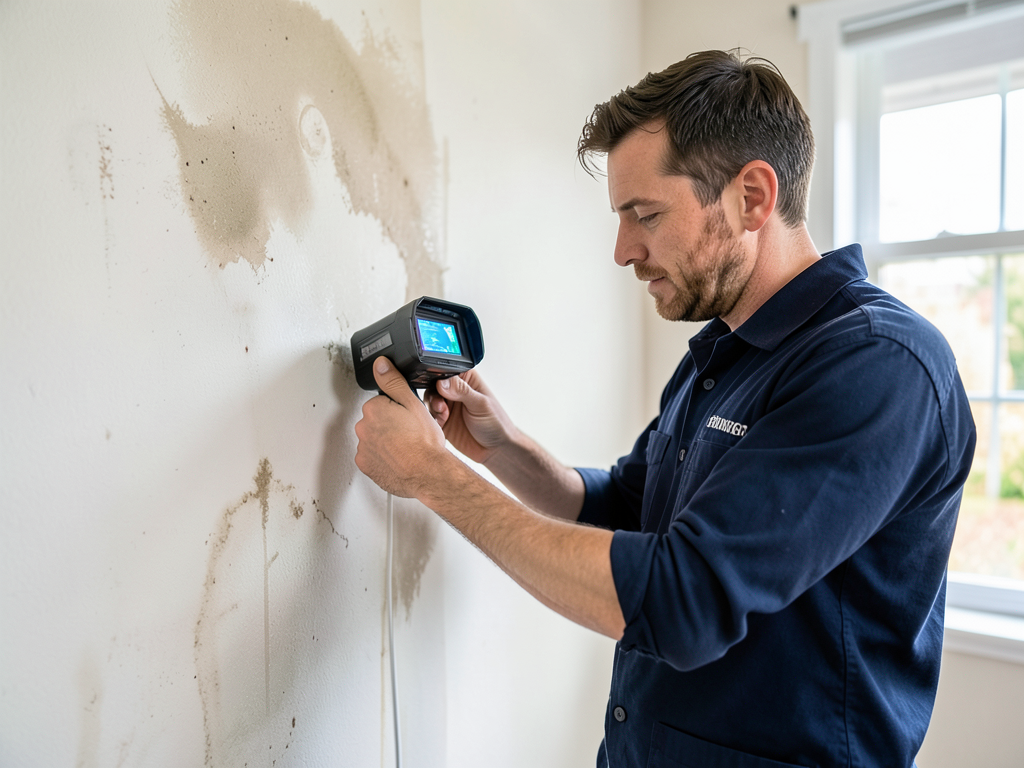
Our assessment begins with thermal imaging cameras that detect temperature differentials indicating moisture intrusion. We map every room with calibrated hygrometers, measuring relative humidity and temperature simultaneously. This data reveals patterns. A basement reading 75 percent humidity while upstairs measures 55 percent tells us moisture migrates vertically through your home's building envelope.

We conduct blower door tests on homes where humidity issues persist despite mechanical dehumidification. These tests measure air leakage rates and identify where humid outdoor air infiltrates through gaps around windows, doors, and penetrations. Greenwich's aging housing stock often has air exchange rates double what modern building codes require, meaning your conditioned air constantly escapes while humid outdoor air replaces it.

Moisture meter readings taken at baseboards, window sills, and exterior walls quantify whether building materials are absorbing water vapor. Wood content above 16 percent moisture creates ideal conditions for decay fungi. Drywall above 17 percent breeds mold within 48 hours.

Once we identify your specific moisture sources, we design a multi-layer solution. This typically combines source control, mechanical dehumidification, and air sealing. For basements, we may recommend exterior waterproofing, interior drainage systems, or vapor barriers depending on your foundation type. For whole-house humidity, we integrate whole-home dehumidifiers with your HVAC system, sized precisely for your home's cubic footage and moisture load.

We verify results with post-remediation humidity monitoring, ensuring levels stabilize between 30 and 50 percent relative humidity year-round.

How We Restore Healthy Humidity Levels to Your Greenwich Home

High Indoor Humidity Levels in Greenwich – Expert Diagnosis and Permanent Solutions to Stop Moisture Damage
01

Comprehensive Humidity Assessment

We deploy professional-grade hygrometers and moisture meters throughout your property, taking readings in every room, crawlspace, and attic. Thermal imaging reveals hidden moisture patterns in walls and ceilings. We document baseline humidity levels, temperature gradients, and moisture content in building materials. This diagnostic phase identifies whether your elevated home humidity stems from groundwater intrusion, poor ventilation, air leakage, or HVAC inadequacy. You receive a detailed moisture map showing exactly where problems exist.
02

Targeted Moisture Mitigation

Based on diagnostic findings, we implement source control measures first. This may include sealing foundation cracks, installing vapor barriers in crawlspaces, improving attic ventilation, or upgrading bathroom exhaust systems. We address air leakage points where humid outdoor air infiltrates. For homes requiring mechanical dehumidification, we install whole-home units integrated with your HVAC system or commercial-grade standalone dehumidifiers for basements. Each solution targets your specific moisture sources rather than applying generic fixes that waste money without solving the problem.
03

Verification and Monitoring

After remediation, we monitor indoor humidity levels for 72 hours minimum using data-logging hygrometers. These devices record readings every 15 minutes, capturing humidity fluctuations throughout day and night cycles. We verify that relative humidity stabilizes within the optimal 30 to 50 percent range. You receive documentation showing before and after conditions. We provide guidance on maintaining proper humidity levels through seasonal changes and explain warning signs that require attention. Follow-up visits ensure your system continues performing as designed.

Why Greenwich Homeowners Trust Local Expertise for Humidity Control

Solving high relative humidity indoors requires understanding your specific property and local environmental factors. National chains dispatch technicians who follow generic protocols without considering Greenwich's unique coastal climate, historic building stock, or soil conditions.

Liberty Water Damage Restoration Riverside operates exclusively in Greenwich and surrounding Fairfield County communities. We have assessed humidity problems in hundreds of local homes, from 1920s Colonials in Riverside to modern construction near Greenwich Point. This experience teaches us which solutions work in your specific home type and which waste money.

We understand how Long Island Sound's maritime influence affects indoor moisture loads differently than inland Connecticut properties experience. We know that Greenwich's glacial till soils drain poorly, creating hydrostatic pressure against basement walls that standard waterproofing often fails to address. We recognize that many Greenwich homes have additions built across multiple decades, creating complex building envelopes where old and new construction methods meet, often creating thermal bridges and air leakage pathways.

Our relationships with local HVAC contractors, mold remediation specialists, and foundation repair companies ensure you receive coordinated solutions when humidity problems require multiple trades. We communicate directly with your insurance adjuster when excessive indoor moisture has caused secondary damage requiring coverage.

Building officials at Greenwich Town Hall know our work meets Connecticut building codes and IICRC standards for water damage restoration. This matters when remediation work requires permits or when you sell your home and inspection reports note previous moisture issues.

You need someone who shows up quickly, diagnoses accurately, and implements solutions that account for your home's specific construction and Greenwich's environmental realities. That combination of local knowledge and technical expertise protects your investment better than any national franchise operation.

What to Expect When You Address Indoor Moisture Problems

Rapid Response and Assessment

We schedule initial assessments within 24 hours of your call. Most diagnostic visits take two to three hours depending on your home's size and complexity. You receive a written report within 48 hours detailing our findings, moisture readings, and recommended solutions. Emergency situations where active water intrusion combines with high humidity receive same-day response. We understand that excess humidity in house conditions worsen daily, allowing mold colonization and material damage to accelerate. Quick assessment prevents minor moisture problems from becoming major remediation projects requiring wall removal and structural repairs.

Detailed Diagnostic Process

Your assessment includes room-by-room humidity mapping, thermal imaging of exterior walls and ceilings, moisture content testing of building materials, and inspection of mechanical systems. We check your HVAC capacity against your home's cooling load, verify proper air handler operation, and inspect ductwork for leakage. Basement and crawlspace inspections identify groundwater seepage, condensation patterns, and ventilation deficiencies. We photograph all findings and explain results in straightforward language. You understand exactly what causes your elevated home humidity before we propose any solutions. No pressure, no sales tactics, just facts about your property's moisture dynamics.

Professional-Grade Equipment and Methods

We use commercial dehumidifiers rated for specific moisture loads, not residential units that struggle in high-humidity environments. Whole-home dehumidification systems we install remove 90 to 135 pints daily, automatically adjusting output based on real-time humidity readings. Vapor barriers meet ASTM E1745 standards for crawlspace encapsulation. Air sealing work follows building science protocols that maintain proper ventilation while reducing infiltration. Every installation meets manufacturer specifications and local code requirements. We document all work with photos and equipment specifications. Your humidity control system performs reliably because we size equipment correctly and install it properly the first time.

Ongoing Support and Monitoring

After installation, we provide detailed operating instructions for any mechanical equipment. You receive guidance on optimal humidity setpoints for different seasons and how to interpret readings from installed hygrometers. We schedule follow-up visits to verify system performance and make adjustments if needed. Many clients opt for annual maintenance agreements that include filter changes, coil cleaning, and performance testing of dehumidification equipment. We remain available to answer questions as you learn how your humidity control system responds to weather changes and seasonal variations. You have a local resource who understands your specific installation and can respond quickly if issues arise.

Frequently Asked Questions

You Have Questions,
We Have Answers

Is 70% humidity too high in a house? +

Yes, 70% humidity is too high for a house. Indoor humidity should stay between 30-50% year-round. At 70%, you create a breeding ground for mold, dust mites, and bacteria. Greenwich homes are vulnerable due to coastal moisture and dense tree cover that limits air circulation. High humidity damages wood floors, warps trim, and causes paint to peel. It also makes your HVAC system work harder, raising energy costs. If you measure 70% consistently, you need immediate dehumidification and a moisture source inspection.

What happens if indoor humidity is too high? +

High indoor humidity promotes mold growth within 24-48 hours on damp surfaces. You will notice musty odors, condensation on windows, and warping wood. Dust mites thrive above 50% humidity, worsening allergies and asthma. Your home structure suffers as moisture penetrates drywall, insulation, and framing lumber. In Greenwich, where many homes have basements or crawl spaces, excess humidity accelerates foundation issues and attracts pests. Respiratory problems increase, sleep quality drops, and the air feels heavy. Addressing the source quickly prevents costly structural damage.

Can humidity cause nausea? +

Yes, high humidity can cause nausea. When indoor air holds excessive moisture, your body struggles to regulate temperature through sweat evaporation. This creates heat stress, which triggers nausea, dizziness, and headaches. Mold spores from humid conditions also release mycotoxins that cause nausea, fatigue, and sinus congestion. If you feel sick at home but better outdoors, humidity and mold are likely culprits. Greenwich homes with poor ventilation in bathrooms or kitchens often trap moisture, creating these health symptoms. Lowering humidity below 50% typically resolves nausea quickly.

What is the ideal humidity for a baby? +

Babies need 40-50% indoor humidity. Too low and they suffer dry skin, congestion, and irritated airways. Too high and mold, bacteria, and dust mites flourish, increasing respiratory infections and eczema flare-ups. Greenwich homes with older HVAC systems or basements struggle to maintain this range without a dedicated humidifier or dehumidifier. Use a hygrometer in the nursery to monitor levels daily. If you see condensation on windows or smell mustiness, humidity is too high. Run a dehumidifier and improve air circulation to protect your baby.

Will mold grow at 70 humidity? +

Mold begins growing at 60% humidity, but 70% accelerates it. Spores need moisture, organic material, and warmth. At 70%, mold colonies establish on drywall, wood, fabrics, and insulation within 48 hours. Greenwich homes face mold risk due to coastal humidity, especially in basements, attics, and crawl spaces with poor ventilation. Black mold, Aspergillus, and Penicillium thrive in these conditions. If your indoor humidity reaches 70%, inspect walls, ceilings, and hidden areas immediately. Lowering humidity below 50% and fixing leaks stops mold spread.

Does opening a window reduce humidity? +

Opening a window can reduce humidity if outdoor air is drier than indoor air. In Greenwich, this works on cool, low-humidity days, but summer coastal moisture often makes outdoor air more humid than indoors. Opening windows then worsens the problem, forcing your HVAC system to work harder. Check outdoor humidity before opening windows. Cross-ventilation helps when outdoor levels are below 50%. For consistent control, use exhaust fans in bathrooms and kitchens, run a dehumidifier, and seal air leaks. Windows alone rarely solve chronic humidity issues.

Can you get sick if your house is too humid? +

Yes, living in a humid house causes illness. Mold spores trigger asthma attacks, allergic reactions, and chronic sinus infections. Dust mites multiply rapidly above 50% humidity, worsening respiratory problems. Bacteria and viruses survive longer in moist air, increasing infection risk. You may experience fatigue, headaches, skin rashes, and sleep disruption. Greenwich residents in older homes with basements or crawl spaces face higher exposure. Children and elderly people are most vulnerable. If family members feel better away from home, indoor humidity and mold are likely responsible. Professional testing identifies hidden sources.

Do dehumidifiers really work for humidity? +

Dehumidifiers work when sized correctly and placed strategically. A 50-pint unit handles up to 3,000 square feet in moderately humid conditions. For basements or crawl spaces in Greenwich homes, you need models rated for high moisture loads. Whole-home dehumidifiers integrate with HVAC systems for consistent control. Portable units work for single rooms but require daily emptying unless you connect a drain hose. They remove moisture efficiently, preventing mold and structural damage. Pair dehumidifiers with exhaust fans and proper ventilation for maximum effectiveness. They do not fix leaks or source issues.

How do you fix high humidity in your house? +

Fix high humidity by identifying the source first. Check for plumbing leaks, foundation cracks, and poor drainage around your home. Run exhaust fans during showers and cooking. Use a dehumidifier in basements and crawl spaces. Seal air leaks in attics and around windows. Clean gutters and extend downspouts away from the foundation. Greenwich homes benefit from vapor barriers in crawl spaces and proper attic ventilation. Upgrade to an HVAC system with humidity control if needed. Monitor levels with a hygrometer. Professional water damage restoration identifies hidden moisture sources you might miss.

What are the symptoms of humidity sickness? +

Humidity sickness symptoms include headaches, dizziness, fatigue, and difficulty concentrating. You may experience nausea, muscle cramps, and excessive sweating. Respiratory issues like coughing, wheezing, and shortness of breath worsen. Skin becomes clammy or develops rashes. Sleep quality drops as your body struggles to cool itself. Mold exposure from high humidity adds sinus congestion, itchy eyes, and throat irritation. Greenwich residents often mistake these symptoms for allergies or seasonal illness. If symptoms improve when you leave home, indoor humidity is the cause. Lowering levels below 50% resolves most symptoms within days.

How Greenwich's Coastal Climate Creates Persistent Indoor Humidity Challenges

Greenwich's location on Long Island Sound creates a moisture-rich microenvironment that few Connecticut inland communities experience. Maritime air masses moving onshore contain significantly more water vapor than continental air, especially during summer months when water temperatures reach the mid-70s. This humid air infiltrates your home through every gap and opening in the building envelope. Even well-sealed homes experience elevated indoor moisture when outdoor dew points exceed 65 degrees, a condition Greenwich experiences 40 to 60 days annually between June and September. The excess humidity in house environments persists because mechanical cooling alone cannot remove sufficient moisture when outdoor humidity levels stay this high for extended periods.

Liberty Water Damage Restoration Riverside has served Greenwich properties since our founding, giving us deep familiarity with local construction methods and common moisture vulnerabilities. We have worked in every Greenwich neighborhood from Belle Haven to Byram, assessing humidity issues in properties ranging from 1800s farmhouses to contemporary waterfront estates. This local experience means we recognize patterns immediately. We know which foundation types common in Greenwich leak predictably, which roof designs trap moisture, and which HVAC configurations struggle with our coastal humidity loads. Local building officials and insurance adjusters know our remediation work meets professional standards because they have inspected our completed projects throughout town.

Water Damage Restoration Services in The Greenwich Area

Our service area is designed to cover the entire region, ensuring that no matter where you are, we can get to you quickly and efficiently. We invite you to view our location on the map and see our central hub, from which we dispatch our rapid response teams. We are committed to serving our local community with speed, expertise, and a dedication to quality that you can always rely on.

Address:
Heritage Water Damage Restoration Greenwich, 145 Mason St, Greenwich, CT, 06830

Additional Services We Offer

Our news updates

Latest Articles & News from The Blogs

Understanding the difference between rain damage and storm surge in Lucas Point Storm surges push saltwater inland at high speeds…

Understanding the difference between rain damage and storm surge in Lucas Point

Understanding the difference between rain damage and storm surge in Lucas Point Storm surges push saltwater inland at high speeds…

Salvaging designer wallpaper after a minor water leak in your Greenwich dining room

Salvaging Designer Wallpaper After a Minor Water Leak in Your Greenwich Dining Room When water seeps behind your designer wallpaper,…

Why you should never touch the standing water in your flooded basement yourself

Why you should never touch the standing water in your flooded basement yourself Standing water in your Greenwich basement is…

Contact Us

High indoor humidity levels damage your property and health daily. Call Liberty Water Damage Restoration Riverside at (475) 320-3777 now for a professional humidity assessment. We respond within 24 hours and provide clear solutions that eliminate excessive indoor moisture permanently.