




Middletown sits in the Connecticut River Valley, where seasonal flooding and high water tables create constant threats to residential and commercial properties. The city's older housing stock, particularly in neighborhoods near Harbor Park and along the Mattabesset River, features basements prone to seepage during spring thaw and heavy rain events. Connecticut's freeze-thaw cycles burst pipes in unheated spaces, while aging infrastructure in downtown buildings creates hidden leaks that spread unnoticed for weeks.
The proximity to the Connecticut River means groundwater pressure increases during storm events, pushing moisture through foundation walls even when no visible flooding occurs. Properties near Maromas and South Farms experience this frequently. Middletown's mixed architecture, from historic homes in the North End to newer construction in Westfield, requires different water extraction and drying approaches. Historic properties need careful moisture management to protect original woodwork and plaster, while modern construction demands attention to insulation and vapor barriers that trap moisture if not properly addressed. Insurance companies serving Middlesex County properties expect thorough documentation and fast mitigation to approve claims, making response time critical for Middletown homeowners and business owners.
Heritage Water Damage Restoration Greenwich operates with one focus: stopping water damage before it destroys your property and your insurance claim. We respond to Middletown properties faster than regional competitors because we understand that every hour of standing water adds thousands in secondary damage. Our technicians carry thermal imaging cameras, moisture meters, and industrial extraction equipment on every truck, so we start mitigation the moment we arrive, not after a second trip for gear.
We've handled water damage restoration across Connecticut River Valley properties for years, from burst pipe floods in Westlayer to storm surge damage near Harbor Park. This experience matters when your insurance adjuster questions scope or coverage. We document everything with photos, moisture readings, and detailed reports that meet insurance company standards. Most Middletown property owners don't know their policy details until disaster hits. We do. We've worked with every major carrier covering Middlesex County and know exactly what documentation prevents claim denials.
Our drying protocols follow IICRC S500 standards, which means we measure moisture levels in structural materials until they return to normal ranges, not until they look dry. This prevents mold growth that appears weeks after inadequate drying. We don't leave properties until testing confirms complete drying. Other companies rush to the next job. We finish the job correctly. When you call Heritage Water Damage Restoration Greenwich at (475) 320-3777, you get a crew that treats your Middletown property like it matters, because we know it does.

We answer calls 24 hours a day and dispatch crews to Middletown properties within two hours. Our trucks carry everything needed to extract standing water, set up drying equipment, and secure damaged areas. You don't wait for quotes or scheduling. You get immediate action when water threatens your property.

We document every aspect of water damage with photos, moisture readings, and detailed reports that insurance adjusters require for claim approval. Our team communicates directly with your carrier, providing the technical documentation that prevents disputes and delays. We've successfully supported hundreds of claims across Middlesex County properties.
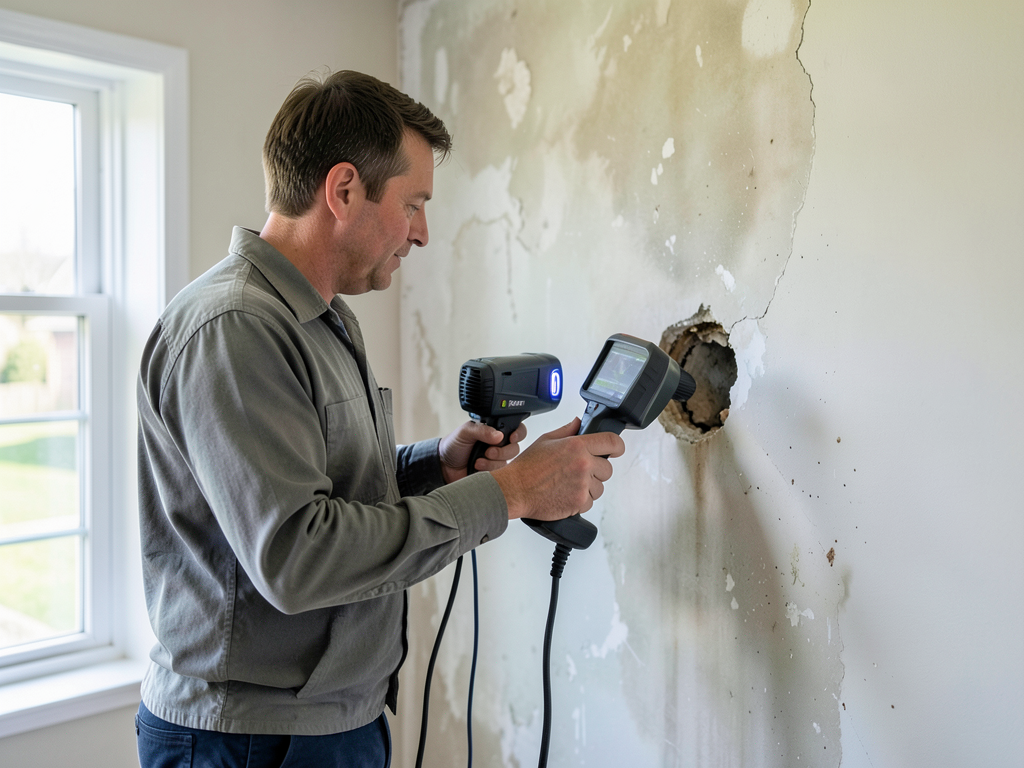
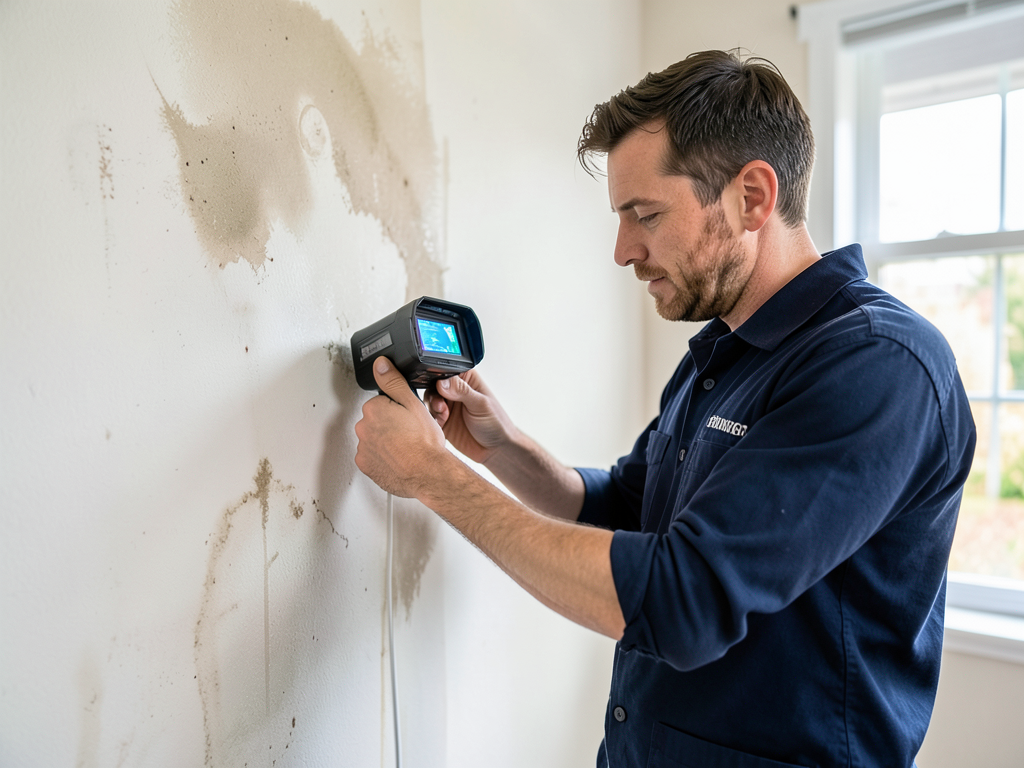
We use thermal imaging and moisture meters to track drying progress in walls, floors, and ceilings. Our equipment stays in place until readings confirm complete drying, preventing mold growth that appears after improper mitigation. We follow IICRC standards because shortcuts create bigger problems later.
We understand how Connecticut River Valley weather patterns, local water tables, and Middletown's mixed construction types affect water damage and drying. Our crews adapt techniques to historic North End properties, newer Westfield homes, and commercial buildings downtown. Local knowledge prevents mistakes that cost time and money.
Heritage Water Damage Restoration Greenwich handles every type of water emergency affecting Middletown properties. Our service range covers immediate water removal, structural drying, mold prevention, and complete restoration of damaged areas. We manage residential flooding from burst pipes and appliance failures, commercial property damage from roof leaks and sprinkler malfunctions, and storm-related water intrusion that affects entire neighborhoods.
Each water damage situation requires different equipment, drying strategies, and timeline management. Sewage backups demand sanitization protocols that clean water floods don't. Historic properties need careful moisture control that protects original materials. Insurance claims require specific documentation that varies by carrier and policy type. We structure our services around these distinctions because generic approaches fail when dealing with water damage complexity.
Our water damage cleanup process combines rapid water extraction, controlled structural drying, antimicrobial treatment, and air quality management. We handle demolition of unsalvageable materials, coordinate with contractors for rebuilding, and manage the entire restoration timeline. Property owners don't juggle multiple companies. We control every phase from emergency response through final walkthrough, ensuring nothing falls through gaps between trades.
We extract standing water from basements, crawl spaces, and flooded rooms using truck-mounted pumps and portable extraction units. Our crews remove soaked carpeting, padding, and damaged contents, then set up industrial dehumidifiers and air movers to begin structural drying. We secure properties against further damage, document everything for insurance purposes, and stabilize conditions within hours of arrival. This service stops water damage from spreading while you figure out next steps.
We dry water-damaged structures using controlled airflow, dehumidification, and continuous moisture monitoring. Our technicians track moisture levels in framing, subflooring, drywall, and insulation using thermal imaging and moisture meters. Equipment placement follows scientific drying principles that remove moisture efficiently without causing secondary damage. We adjust equipment daily based on readings and don't remove gear until materials reach normal moisture content. This prevents mold growth and structural problems that appear after incomplete drying.
We apply antimicrobial treatments to water-damaged surfaces and materials, preventing mold spores from colonizing after flooding or leaks. Our protocols include HEPA air filtration during drying to capture airborne spores, treatment of affected surfaces with EPA-registered antimicrobials, and inspection of hidden spaces where mold grows undetected. If we discover existing mold growth during water damage mitigation, we implement containment and remediation procedures that protect occupants and prevent cross-contamination throughout the property.
Middletown property owners face water damage challenges that stem from the city's geography, climate, and building stock. Connecticut River Valley weather creates intense spring flooding and summer storms that overwhelm drainage systems. Winter freeze-thaw cycles burst pipes in older homes lacking modern insulation. The city's elevation changes, from low-lying areas near the Mattabesset River to higher ground in residential neighborhoods, create different flooding risks across town.
Many Middletown properties feature basements built before modern waterproofing standards existed. These older foundations leak during heavy rain, creating chronic moisture problems that property owners attribute to normal dampness. Insurance companies recognize specific water damage patterns as emergencies requiring immediate mitigation. Knowing which situations qualify for coverage and which don't can mean the difference between a covered claim and an expensive denial. We've seen every type of water damage emergency affecting Middlesex County properties and know how each situation affects both structural integrity and insurance coverage.
Properties near the Connecticut River and Mattabesset River experience groundwater pressure that forces water through foundation walls during storms. This creates flooding without visible exterior water sources. The damage spreads through finished basements, destroying flooring, drywall, and stored belongings. Insurance coverage depends on the water source, making professional documentation critical.
Connecticut winters freeze pipes in unheated spaces, attics, and exterior walls. When pipes burst, water floods rooms within minutes, soaking carpets, drywall, and ceilings. The damage spreads to lower floors and causes hidden moisture problems in wall cavities. Immediate extraction and drying prevent mold growth that appears days later in untreated spaces.
Heavy rain and wind-driven storms damage roofing, allowing water intrusion into attics and upper floors. Water travels through insulation, walls, and ceilings, creating stains and structural damage far from the entry point. These leaks often go unnoticed until significant damage occurs. Quick roof protection and interior drying limit the scope of restoration work needed.
Water heaters, washing machines, dishwashers, and supply lines fail without warning, flooding kitchens, laundry rooms, and basements. The damage affects flooring, cabinets, and drywall. Older Middletown properties with galvanized plumbing face higher failure rates. Fast water extraction and equipment drying prevent replacement of materials that professional drying can save.
When water floods your Middletown property, you need immediate action and clear communication about what happens next. Heritage Water Damage Restoration Greenwich operates with transparency from initial contact through final walkthrough. You get straight answers about timeline, costs, and insurance coverage before crews start work. Our process follows industry standards while adapting to each property's specific damage and construction.
We know property owners facing water damage feel overwhelmed by decisions about what to save, what to demolish, and how insurance coverage works. Our job involves making this process manageable. We handle communication with insurance adjusters, explain technical aspects of drying and restoration, and keep you informed as work progresses. You shouldn't need a PhD in building science to understand what's happening in your own property. We explain everything in plain language and show you exactly what we're doing and why.
We answer emergency calls 24 hours a day and dispatch crews to Middletown properties within two hours. When we arrive, technicians assess the water source, damage extent, and safety concerns. You receive a clear explanation of what work needs to happen immediately and what can wait. We start water extraction and property protection while you contact your insurance company. Our initial assessment includes documentation photos and moisture readings that support your claim.
Structural drying takes three to seven days depending on materials affected and damage severity. Our technicians visit daily to take moisture readings, adjust equipment, and document progress. You receive updates on drying progress and timeline adjustments if readings indicate extended drying needed. We coordinate with your insurance adjuster for inspection visits and provide technical documentation they require. You always know where the project stands and what happens next.
We don't remove equipment until moisture readings confirm complete drying. You receive a final report with photos, moisture logs, and documentation of all work performed. This report supports your insurance claim and provides proof of proper mitigation if questions arise later. We walk through the property with you, explain what restoration work remains, and coordinate with contractors if rebuilding is needed. Your property is left dry, treated, and ready for reconstruction.
Water damage restoration follows a structured sequence that stops damage progression, eliminates moisture, and prevents secondary problems. We adapt this process to each property's construction and damage severity.
We dispatch crews to your Middletown property immediately after your call. Technicians extract standing water using truck-mounted pumps and portable units, remove soaked materials that can't be saved, and set up drying equipment. We document damage with photos and moisture readings, secure the property against further damage, and begin insurance claim documentation. This phase stabilizes conditions and stops water from spreading to undamaged areas.
Industrial dehumidifiers and air movers run continuously while technicians monitor moisture levels in affected materials. We track drying progress using thermal imaging cameras and moisture meters, adjusting equipment placement based on readings. Daily visits ensure equipment operates correctly and drying proceeds on schedule. We treat surfaces with antimicrobial solutions to prevent mold growth during the drying period. This phase continues until all materials reach normal moisture content.
Final moisture testing confirms complete drying before we remove equipment. You receive comprehensive documentation including photos, moisture logs, and work summaries for insurance submission. We coordinate with contractors for rebuilding if needed or handle restoration work directly. Properties are left clean, dry, and ready for the next phase of recovery. Your insurance claim includes all documentation required for processing.
Professional water damage restoration follows scientific principles documented in industry standards like IICRC S500 and S520. These standards define proper water extraction techniques, structural drying protocols, and antimicrobial treatment procedures. Heritage Water Damage Restoration Greenwich applies these technical standards to every Middletown property we service because they represent the accepted methods that insurance companies and building officials recognize.
Water damage falls into three categories based on contamination level. Category 1 involves clean water from supply lines or rain. Category 2 includes gray water from appliances or toilet overflow without feces. Category 3 covers black water from sewage or flooding that contacted ground surfaces. Each category requires different safety protocols, drying approaches, and disposal procedures. Middletown properties experiencing Connecticut River flooding face Category 3 water containing bacteria, chemicals, and sewage. This demands specialized treatment that Category 1 clean water damage doesn't require.
Structural drying follows psychrometric principles that control temperature, humidity, and airflow to remove moisture efficiently. We calculate grain depression, adjust equipment based on vapor pressure differences, and monitor progress using quantifiable measurements, not visual inspection. Materials dry at different rates. Hardwood flooring might reach normal moisture content in four days while wall cavities require seven. We track each material type separately because incomplete drying causes mold growth weeks after equipment removal.
Connecticut requires proper waste disposal for materials contaminated by sewage or flooding. We follow state regulations for contaminated material handling, transport, and disposal. Insurance companies demand proof of proper procedures. Our documentation includes manifests, disposal receipts, and photographic evidence that meets carrier requirements. Shortcuts in contaminated material handling create liability for property owners and complicate insurance claims.
The Institute of Inspection Cleaning and Restoration Certification establishes technical standards for water damage restoration. IICRC S500 defines proper drying protocols, equipment usage, and documentation requirements. Insurance companies reference these standards when evaluating mitigation work. Our technicians apply IICRC methods because they represent industry best practices that prevent claim disputes and ensure thorough moisture elimination.
Water damage restoration costs depend on water category, affected square footage, materials involved, and drying complexity. Category 3 sewage damage costs more than clean water due to sanitization requirements. Finished basements require more demolition than unfinished spaces. Hardwood floors cost more to dry than carpet. Insurance deductibles affect out-of-pocket expenses. We provide detailed estimates before work begins and coordinate directly with adjusters.
Complete structural drying takes three to seven days for most residential water damage. Basement flooding with concrete and drywall typically dries in four days. Hardwood flooring requires five to seven days. Wall cavities need extended drying if insulation is saturated. We provide timeline estimates after initial assessment but adjust based on daily moisture readings. Rushing drying causes mold problems later. Equipment stays in place until testing confirms completion.
Insurance companies require specific documentation to process water damage claims. This includes photos showing damage extent, moisture readings proving affected areas, equipment logs tracking drying progress, and itemized work summaries. We document everything during mitigation because missing information delays claims or triggers denials. Our reports meet carrier standards and include technical data adjusters need to approve coverage quickly.
This video explains water damage restoration services in Middletown CT, covering emergency water extraction, structural drying, and insurance claim documentation. Heritage Water Damage Restoration Greenwich demonstrates professional water damage cleanup techniques for Connecticut River Valley properties, including moisture monitoring, antimicrobial treatment, and complete restoration processes. Learn about common water damage problems affecting Middletown homes and businesses, from groundwater flooding to burst pipes, and discover why fast professional response prevents mold growth and secondary damage.
Heritage Water Damage Restoration Greenwich serves all Middletown neighborhoods and surrounding Middlesex County communities. Our response area includes the historic North End near Wesleyan University, where older properties require careful moisture management in buildings with original woodwork and plaster. We regularly service properties in Westfield, South Farms, and Maromas, where newer construction and growing residential development create demand for fast water damage response.
Downtown Middletown commercial properties near Main Street and Washington Street face water damage from aging infrastructure, roof failures, and basement flooding during heavy storms. We handle emergency response for businesses that can't afford extended closure while water damage spreads. Properties near Harbor Park and along the Connecticut River experience seasonal flooding risks that require rapid mitigation to prevent total loss. Our crews understand how water behaves in low-lying areas and adapt extraction techniques to properties built on flood-prone lots.
The Westlayer neighborhood and areas near Highland Lake see water damage from burst pipes during winter freezes and spring flooding from snowmelt. These residential areas contain mixed property types from ranch homes to multi-level colonials, each requiring different drying approaches based on construction details. We've worked throughout neighborhoods surrounding Route 9 and Interstate 91, where highway access allows our crews to reach properties quickly during emergencies.
Middletown's position in the Connecticut River Valley means properties face unique water challenges compared to coastal Connecticut towns. Groundwater pressure, river flooding, and elevation changes create localized flooding that affects specific streets while leaving adjacent areas dry. Our experience across Middlesex County includes working in Portland, Cromwell, Durham, and East Hampton, where similar geography creates comparable water damage patterns. We understand how Middletown's specific topography and weather patterns affect when and where flooding occurs. This knowledge allows us to respond appropriately whether you're dealing with groundwater seepage in a North End basement or storm damage to a Westfield roof. Every Middletown neighborhood has distinct characteristics that affect water damage restoration, and our crews adapt techniques based on where your property sits and what construction type we're treating.
Water damage restoration costs in Middletown vary based on the water source, affected area size, and structural damage. Clean water extraction from a burst pipe typically costs less than sewage backup or flood remediation. Most jobs range from minor extraction to full-scale reconstruction involving drywall removal, subfloor drying, and mold prevention. Your insurance policy often covers sudden events like pipe bursts, which can significantly reduce your out-of-pocket expense. Middletown's older housing stock, especially near the Connecticut River, may require additional structural work. Request a detailed estimate that includes moisture testing, equipment rental, and labor before any work begins.
Water damage restoration is worth it if you want to protect your property value and health. Untreated water damage leads to mold growth within 24 to 48 hours, structural rot, and decreased indoor air quality. Middletown's humid summers accelerate microbial growth, making professional drying equipment necessary. The cost of restoration is typically less than the expense of replacing rotted framing, treating widespread mold contamination, or dealing with insurance claim denials due to negligence. Proper restoration also maintains your home's resale value and prevents long-term health issues for your family.
Water damage restoration includes emergency water extraction, structural drying, moisture testing, antimicrobial treatment, and damage repair. Technicians first remove standing water using pumps and extractors, then place industrial dehumidifiers and air movers to dry affected materials. They monitor moisture levels in walls, floors, and ceilings using thermal imaging and moisture meters. In Middletown homes with hardwood floors or plaster walls, this process requires careful attention to prevent warping or cracking. The final phase involves sanitizing affected areas, removing damaged materials like insulation or drywall, and coordinating reconstruction to return your property to pre-loss condition.
Water damage restoration costs in Middletown vary based on the water source, affected area size, and structural damage. Clean water extraction from a burst pipe typically costs less than sewage backup or flood remediation. Most jobs range from minor extraction to full-scale reconstruction involving drywall removal, subfloor drying, and mold prevention. Your insurance policy often covers sudden events like pipe bursts, which can significantly reduce your out-of-pocket expense. Middletown's older housing stock, especially near the Connecticut River, may require additional structural work. Request a detailed estimate that includes moisture testing, equipment rental, and labor before any work begins.
Water damage restoration is worth it if you want to protect your property value and health. Untreated water damage leads to mold growth within 24 to 48 hours, structural rot, and decreased indoor air quality. Middletown's humid summers accelerate microbial growth, making professional drying equipment necessary. The cost of restoration is typically less than the expense of replacing rotted framing, treating widespread mold contamination, or dealing with insurance claim denials due to negligence. Proper restoration also maintains your home's resale value and prevents long-term health issues for your family.
Water damage restoration includes emergency water extraction, structural drying, moisture testing, antimicrobial treatment, and damage repair. Technicians first remove standing water using pumps and extractors, then place industrial dehumidifiers and air movers to dry affected materials. They monitor moisture levels in walls, floors, and ceilings using thermal imaging and moisture meters. In Middletown homes with hardwood floors or plaster walls, this process requires careful attention to prevent warping or cracking. The final phase involves sanitizing affected areas, removing damaged materials like insulation or drywall, and coordinating reconstruction to return your property to pre-loss condition.
Servpro franchises operate independently, so financing options vary by location. Many Servpro locations partner with third-party financing companies to offer payment plans for large restoration projects. You should contact your local Servpro franchise directly to ask about available financing programs. Keep in mind that if your insurance covers the damage, you may only need financing for your deductible. In Middletown, several local restoration companies also offer financing alternatives or work directly with insurance adjusters to minimize your upfront costs while equipment runs and drying occurs.
Insurance typically pays for water restoration if the damage results from a sudden, accidental event like a burst pipe, appliance malfunction, or storm damage. Policies usually exclude gradual damage from poor maintenance or long-term leaks. In Middletown, where freeze-thaw cycles can cause pipe failures, sudden winter breaks are generally covered. Review your policy's water damage exclusions and file your claim immediately after discovering damage. Most insurers require prompt mitigation to prevent secondary damage. Your restoration company should document everything with photos and moisture readings to support your claim and speed up the approval process.
Servpro's water damage timeline depends on the damage extent and affected materials. Simple extraction jobs may take one to three days, while extensive flooding affecting multiple rooms can require one to two weeks of drying time. Middletown's humidity levels can extend drying periods, especially in basements or crawl spaces with poor ventilation. Industrial dehumidifiers and air movers run continuously until moisture readings return to normal levels. Reconstruction adds additional time after drying completes. Your Servpro technician should provide a timeline after the initial assessment and adjust it based on daily moisture monitoring results.
The average water damage insurance claim ranges from minor incidents to major losses requiring extensive reconstruction. Small claims for localized leaks may involve minimal costs, while basement floods or burst pipe scenarios can reach significant figures. In Middletown, claims often involve basement seepage from the Connecticut River floodplain or ice dam damage on older homes. Your claim amount depends on the water category, affected square footage, materials damaged, and necessary repairs. Insurance adjusters assess structural damage, contents loss, and temporary living expenses if your home becomes uninhabitable during restoration.
Water damage can turn to mold within 24 to 48 hours in the right conditions. Middletown's summer humidity, often exceeding 70 percent, creates ideal mold growth environments. Porous materials like drywall, insulation, and carpet begin supporting mold colonies quickly when moisture levels stay elevated. Basements and crawl spaces with poor ventilation develop mold even faster. This short window makes immediate water extraction and structural drying critical. Professional restoration companies use moisture meters and thermal imaging to detect hidden water in wall cavities or under flooring where mold can grow undetected.
Call a water restoration company immediately when you discover standing water, saturated carpets, ceiling stains, or water dripping from fixtures. Do not wait for water to dry on its own. Middletown homes with finished basements near the Connecticut River should call after any flooding event, even if water levels seem minor. Contact a restoration company for burst pipes, sewage backups, appliance failures, or roof leaks that soak insulation. Quick response within the first 24 hours prevents mold growth, reduces structural damage, and improves insurance claim outcomes by demonstrating prompt mitigation efforts.
Insurance will pay out for water damage if your policy covers the specific loss cause and you meet claim requirements. Sudden pipe bursts, storm damage, and appliance leaks are typically covered, while flood damage requires separate flood insurance. In Middletown, standard policies cover ice dam damage but may exclude sump pump failures without additional riders. You must document damage immediately, take mitigation steps to prevent further loss, and file your claim promptly. Denied claims often result from maintenance neglect or delayed reporting. Work with your restoration company to provide detailed documentation supporting your claim.
Servpro franchises operate independently, so financing options vary by location. Many Servpro locations partner with third-party financing companies to offer payment plans for large restoration projects. You should contact your local Servpro franchise directly to ask about available financing programs. Keep in mind that if your insurance covers the damage, you may only need financing for your deductible. In Middletown, several local restoration companies also offer financing alternatives or work directly with insurance adjusters to minimize your upfront costs while equipment runs and drying occurs.
Insurance typically pays for water restoration if the damage results from a sudden, accidental event like a burst pipe, appliance malfunction, or storm damage. Policies usually exclude gradual damage from poor maintenance or long-term leaks. In Middletown, where freeze-thaw cycles can cause pipe failures, sudden winter breaks are generally covered. Review your policy's water damage exclusions and file your claim immediately after discovering damage. Most insurers require prompt mitigation to prevent secondary damage. Your restoration company should document everything with photos and moisture readings to support your claim and speed up the approval process.
Servpro's water damage timeline depends on the damage extent and affected materials. Simple extraction jobs may take one to three days, while extensive flooding affecting multiple rooms can require one to two weeks of drying time. Middletown's humidity levels can extend drying periods, especially in basements or crawl spaces with poor ventilation. Industrial dehumidifiers and air movers run continuously until moisture readings return to normal levels. Reconstruction adds additional time after drying completes. Your Servpro technician should provide a timeline after the initial assessment and adjust it based on daily moisture monitoring results.
The average water damage insurance claim ranges from minor incidents to major losses requiring extensive reconstruction. Small claims for localized leaks may involve minimal costs, while basement floods or burst pipe scenarios can reach significant figures. In Middletown, claims often involve basement seepage from the Connecticut River floodplain or ice dam damage on older homes. Your claim amount depends on the water category, affected square footage, materials damaged, and necessary repairs. Insurance adjusters assess structural damage, contents loss, and temporary living expenses if your home becomes uninhabitable during restoration.
Water damage can turn to mold within 24 to 48 hours in the right conditions. Middletown's summer humidity, often exceeding 70 percent, creates ideal mold growth environments. Porous materials like drywall, insulation, and carpet begin supporting mold colonies quickly when moisture levels stay elevated. Basements and crawl spaces with poor ventilation develop mold even faster. This short window makes immediate water extraction and structural drying critical. Professional restoration companies use moisture meters and thermal imaging to detect hidden water in wall cavities or under flooring where mold can grow undetected.
Call a water restoration company immediately when you discover standing water, saturated carpets, ceiling stains, or water dripping from fixtures. Do not wait for water to dry on its own. Middletown homes with finished basements near the Connecticut River should call after any flooding event, even if water levels seem minor. Contact a restoration company for burst pipes, sewage backups, appliance failures, or roof leaks that soak insulation. Quick response within the first 24 hours prevents mold growth, reduces structural damage, and improves insurance claim outcomes by demonstrating prompt mitigation efforts.
Insurance will pay out for water damage if your policy covers the specific loss cause and you meet claim requirements. Sudden pipe bursts, storm damage, and appliance leaks are typically covered, while flood damage requires separate flood insurance. In Middletown, standard policies cover ice dam damage but may exclude sump pump failures without additional riders. You must document damage immediately, take mitigation steps to prevent further loss, and file your claim promptly. Denied claims often result from maintenance neglect or delayed reporting. Work with your restoration company to provide detailed documentation supporting your claim.
Our service area is designed to cover the entire region, ensuring that no matter where you are, we can get to you quickly and efficiently. We invite you to view our location on the map and see our central hub, from which we dispatch our rapid response teams. We are committed to serving our local community with speed, expertise, and a dedication to quality that you can always rely on.
Address:
Middletown, CT, 6457
What happens to your home's resale value after a major water damage restoration Water damage strikes without warning in Greenwich. A burst pipe in a Riverside estate or a flooded basement in Cos Cob can…
How the high mineral content in Greenwich water affects your plumbing and leak risk Greenwich…

Tracking down hidden water damage in your custom basement wet bar or wine tasting room…
When coastal storms hit Greenwich and the power goes out, your basement's first line of…
Water damage spreads every hour you wait. Call Heritage Water Damage Restoration Greenwich now at (475) 320-3777 for emergency response to your Middletown property. Our crews are ready to extract water, start drying, and protect your insurance claim. We answer 24 hours a day.