



menu

Understanding Mold Toxicity in Greenwich – Recognize the Health Risks Before They Escalate

Learn how to identify mold illness symptoms, black mold health risks, and signs of mold poisoning affecting Greenwich homes, plus when professional intervention becomes necessary for your family's safety.

Slider Image 1
Slider Image 2
Slider Image 3
Slider Image 4
Slider Image 5
Slider Image 7
Slider Image 8
Slider Image 9
Slider Image 10
Slider Image 11

Why Greenwich Residents Face Elevated Mold Toxicity Risks

Greenwich sits in a geographic pocket where Long Island Sound humidity meets older housing stock, creating a perfect environment for mold colonization. Homes built before 1980 in neighborhoods like Old Greenwich and Cos Cob often contain hidden water damage in crawl spaces and behind historic plaster walls. When these damp conditions persist, mold species release mycotoxins into the air you breathe daily.

The effects of mold exposure begin subtly. You might notice persistent headaches, unexplained fatigue, or respiratory irritation that worsens when you spend time at home. These mold illness symptoms often get dismissed as seasonal allergies or stress. The reality is more serious. Black mold health risks intensify over time as spore concentrations increase in enclosed spaces.

Signs of mold poisoning vary by individual. Children and older adults typically show symptoms first because their immune systems are more vulnerable. You might see chronic sinus congestion, brain fog, or skin rashes that do not respond to typical treatments. Some residents develop asthma-like symptoms despite no prior respiratory issues.

Mycotoxin illness affects your neurological system. The toxins cross the blood-brain barrier and trigger inflammatory responses. This explains why many people report difficulty concentrating, memory problems, and mood changes when living in mold-contaminated environments. Greenwich's dense tree canopy and proximity to tidal marshes mean properties stay damp longer after rain events, extending the window for mold growth after water intrusion.

The challenge is that visible mold represents only a fraction of the problem. Behind your walls, under flooring, and in HVAC systems, colonies thrive undetected until health symptoms force you to investigate.

Why Greenwich Residents Face Elevated Mold Toxicity Risks
The Science Behind Mold Toxicity and Health Impact

The Science Behind Mold Toxicity and Health Impact

Mold toxicity is not about the mold itself but the metabolic byproducts these organisms release. When mold digests organic materials like wood, drywall paper, or insulation, it produces mycotoxins as waste. These compounds are lipophilic, meaning they bind to fat cells in your body and accumulate over time rather than being quickly eliminated.

The most dangerous species found in water-damaged Greenwich homes is Stachybotrys chartarum, commonly called black mold. This species produces trichothecene mycotoxins that suppress immune function and damage cellular structures. You do not need to touch the mold. Inhalation of airborne spores and toxin particles is the primary exposure route.

Your body's response depends on genetics, existing health conditions, and exposure duration. Some people have genetic variants that impair their ability to clear mycotoxins through normal detoxification pathways. These individuals develop severe symptoms from exposures that others might tolerate. This explains why one family member feels terrible while another seems unaffected in the same house.

Liberty Water Damage Restoration Riverside uses moisture mapping technology to identify hidden water sources feeding mold growth. We measure relative humidity at the substrate level, not just ambient air. Mold needs water activity above 0.80 to grow, which corresponds to roughly 80 percent relative humidity at the material surface. Our protocol involves ERMI testing (Environmental Relative Moldiness Index) to quantify spore concentrations and identify specific species present.

The solution requires eliminating the water source first. Killing surface mold without fixing the leak or humidity problem guarantees regrowth. We remove contaminated materials following IICRC S520 standards, which specify containment procedures to prevent cross-contamination during remediation. This is not cleaning. This is surgical removal of colonized substrates and restoration of proper building envelope performance.

How Mold Assessment and Health Risk Evaluation Works

Understanding Mold Toxicity in Greenwich – Recognize the Health Risks Before They Escalate
01

Comprehensive Property Inspection

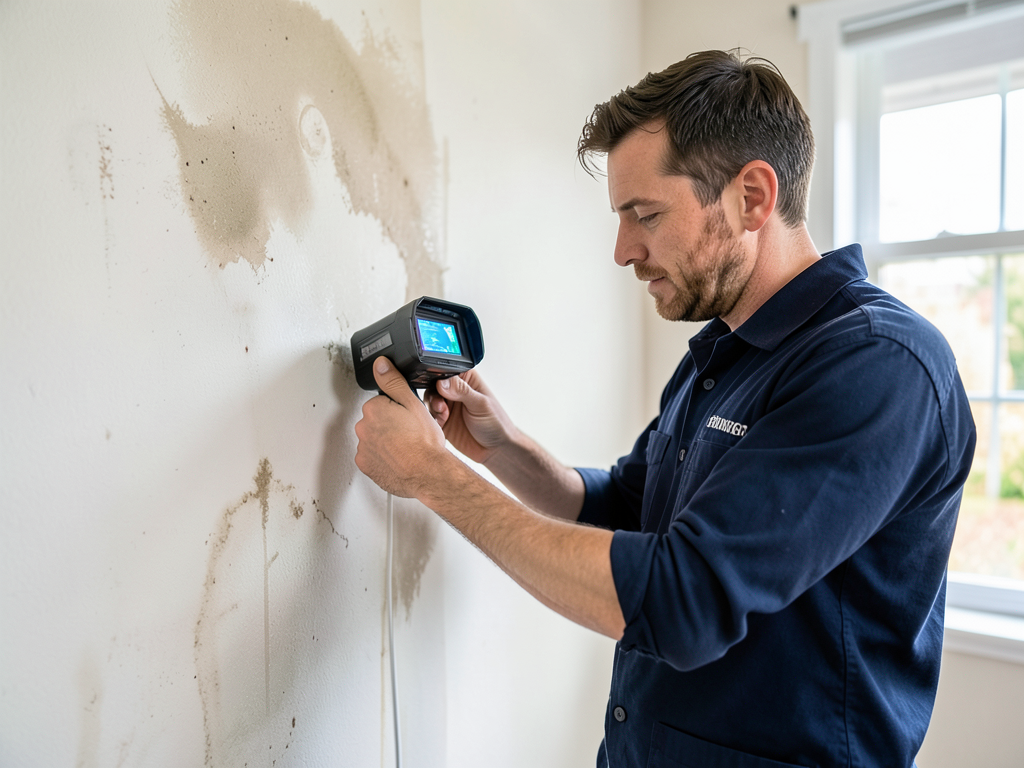
We start with thermal imaging to detect temperature differentials that indicate moisture intrusion behind walls and ceilings. Our technicians inspect crawl spaces, attics, and mechanical rooms where condensation commonly occurs in Greenwich's climate. We document visible mold growth and identify conditions supporting colonization. This includes measuring moisture content in building materials using penetrating and non-invasive meters. We collect air samples and surface samples for laboratory analysis to identify species and quantify spore counts.
02

Laboratory Analysis and Reporting

Samples go to an accredited mycology laboratory for identification and enumeration. The lab report specifies genus and species, spore counts per cubic meter, and comparison to outdoor baseline levels. We review these results with you in plain language, explaining which species are pathogenic versus simply allergenic. The report includes moisture mapping data showing exactly where water problems exist. This documentation supports insurance claims and provides a baseline for post-remediation verification testing.
03

Remediation Planning and Execution

Based on lab results and inspection findings, we develop a scope of work that addresses both mold removal and the underlying moisture problem. This might include replacing water-damaged framing, installing vapor barriers, improving ventilation, or addressing exterior drainage issues. We establish containment barriers with negative air pressure to prevent spore migration during removal. After remediation, we conduct clearance testing to verify spore levels have returned to normal ranges before reconstruction begins.

Why Greenwich Properties Require Specialized Mold Assessment

Greenwich homes present unique challenges that generic mold companies miss. The town's historic districts contain properties with horsehair plaster, solid masonry walls, and balloon framing that allows vertical air movement between floors. These older construction methods create hidden pathways for water migration and mold spread. A basement leak in a 1920s Colonial can result in mold growth in second-floor wall cavities due to capillary action and vapor diffusion.

The proximity to Long Island Sound means many properties experience elevated humidity even without active leaks. Coastal properties in Belle Haven and Riverside deal with salt air that accelerates material deterioration and creates entry points for water. We understand how tidal flooding, storm surge, and seasonal water table fluctuations affect Greenwich foundations and crawl spaces.

Liberty Water Damage Restoration Riverside has worked in this community long enough to know which neighborhoods have clay soils that hold water near foundations and which areas have bedrock close to the surface affecting drainage. We know that homes near the Mianus River flood zone require different moisture management strategies than properties on higher ground near Stanwich Road.

Our technicians are trained in building science principles, not just mold removal. We understand dewpoint calculations, vapor drive direction, and how Greenwich's seasonal temperature swings affect condensation risk. We work with local structural engineers and HVAC specialists who understand the specific challenges of maintaining proper humidity control in homes with steam radiator heating systems common to older Greenwich properties.

You need someone who recognizes that mold is a symptom, not the disease. The disease is water in places it should not be. We fix the water problem permanently, which prevents mold from returning after remediation.

What to Expect When Addressing Mold Toxicity Concerns

Rapid Response and Initial Assessment

We dispatch a certified inspector to your Greenwich property within 24 hours of your call. The initial assessment takes two to three hours depending on property size and complexity. We provide verbal findings immediately and deliver a written report with laboratory results within three to five business days. If conditions pose immediate health risks, we discuss temporary containment or occupant relocation options during the initial visit. Our goal is to give you actionable information quickly so you can make informed decisions about your family's safety.

Thorough Testing and Documentation

Our assessment includes multiple air samples from affected areas and outdoor baseline samples for comparison. We collect surface samples from visible growth and suspected areas. Moisture mapping documents all areas with elevated readings above 15 percent moisture content. We photograph conditions and create floor plans showing problem locations. This documentation supports insurance claims and provides a reference for remediation contractors. You receive a detailed report explaining findings in clear language, not technical jargon designed to confuse. We answer your questions and explain exactly what the data means for your property and health.

Complete Remediation and Verification

After remediation, we conduct clearance testing to verify spore levels have returned to acceptable ranges. This independent verification protects you by confirming the work was completed properly. We compare post-remediation air samples to outdoor baselines and pre-remediation levels. Clearance must show spore counts below outdoor levels and no presence of amplification indicators. If clearance fails, additional remediation is required at no cost to you. We provide documentation suitable for real estate transactions, insurance requirements, or personal health records. The goal is to restore your indoor environment to the same condition as outdoor air.

Long-Term Monitoring and Prevention

Mold problems recur if moisture sources are not permanently corrected. We provide detailed recommendations for preventing future issues, including humidity control strategies, ventilation improvements, and maintenance schedules. Many Greenwich properties benefit from installing whole-house dehumidification systems to maintain relative humidity below 50 percent year-round. We offer annual inspection services to catch moisture problems before mold colonization occurs. For properties with chronic issues, we design monitoring protocols that track humidity levels and alert you to conditions favorable for mold growth. Prevention is far less expensive than remediation.

Frequently Asked Questions

You Have Questions,
We Have Answers

What are the 10 warning signs of mold toxicity? +

Watch for persistent headaches, chronic fatigue, brain fog, respiratory issues like coughing or wheezing, skin irritation, digestive problems, joint pain, unexplained muscle aches, mood changes, and sinus congestion that does not improve. Greenwich residents often face mold growth from high humidity near Long Island Sound and older homes with poor ventilation. If you experience multiple symptoms after water damage or notice musty odors, get a professional mold inspection. Your body reacts to mycotoxins released by mold spores, triggering inflammatory responses that affect multiple systems. Document symptoms and consult a physician familiar with mold-related illnesses.

Can mold cause heartburn? +

Yes, mold exposure can cause heartburn and acid reflux symptoms. Mold releases mycotoxins that trigger inflammation throughout your digestive tract, weakening the lower esophageal sphincter and increasing stomach acid production. You may experience worsening symptoms when spending time in mold-contaminated areas of your Greenwich home, particularly basements or older structures with water intrusion issues. The connection between mold and digestive symptoms often gets overlooked. If you notice heartburn alongside other respiratory or neurological symptoms, investigate your indoor air quality. Removing the mold source typically reduces digestive inflammation, though recovery takes time after chronic exposure.

How do you know if you have mold toxicity in your body? +

Identify mold toxicity through a combination of symptom tracking, environmental testing, and medical evaluation. Pay attention to when symptoms worsen, especially if they improve when you leave your Greenwich home. A qualified physician can order mycotoxin urine tests, blood work to check inflammatory markers, and visual contrast sensitivity testing. Document exposure history, particularly after flooding or water damage common in coastal Connecticut properties. Environmental testing confirms mold presence in your home. Symptoms alone do not diagnose toxicity, but persistent issues like cognitive decline, chronic fatigue, or respiratory problems warrant investigation. Professional mold remediation must happen before health improvements occur.

Can mold cause migraines? +

Mold exposure frequently triggers migraines and severe headaches. Mycotoxins cause neuroinflammation, affecting blood vessels in your brain and triggering pain pathways. Greenwich residents with mold in HVAC systems or hidden water damage behind walls often report headaches that intensify at home and improve elsewhere. Mold spores also irritate sinuses, creating pressure that radiates into headache patterns. If you experience new or worsening migraines alongside musty odors, visual disturbances, or cognitive fog, inspect your property for hidden moisture problems. Basements, crawl spaces, and areas near plumbing are common culprits. Addressing the source stops continuous exposure.

How do I check myself for mold toxicity? +

Start by evaluating your environment and symptoms together. Inspect your Greenwich home for visible mold, water stains, peeling paint, or musty smells, particularly in basements and bathrooms. Track when symptoms appear or worsen. Schedule a medical appointment with a physician experienced in environmental medicine who can order mycotoxin testing, inflammatory markers, and immunological panels. Professional mold testing in your home provides critical data. Visual contrast sensitivity tests measure neurological impact from mold exposure. Do not rely on symptoms alone. Combine environmental assessment, medical testing, and professional inspection to determine if mold toxicity affects your health. Early detection prevents chronic illness.

What kills mold permanently? +

Professional remediation kills mold permanently by removing contaminated materials, treating surfaces with antimicrobial solutions, and eliminating moisture sources. Bleach only addresses surface mold temporarily and does not penetrate porous materials like drywall or wood. Effective treatment requires HEPA filtration, containment barriers, and addressing underlying water problems common in Greenwich properties near the coast. You must fix leaks, improve ventilation, and control humidity below 50 percent. Without moisture control, mold returns. Professionals use EPA-registered fungicides and encapsulants on structural materials. DIY methods fail on extensive contamination. Permanent elimination requires both killing existing growth and preventing future conditions that support it.

How long does it take for mold in your house to make you sick? +

Mold can make you sick within hours to days, depending on spore concentration, exposure duration, and individual sensitivity. Some people react immediately with respiratory symptoms, while others develop chronic issues after weeks or months of exposure. Greenwich homes with hidden mold from slow leaks or poor ventilation create prolonged exposure scenarios. Vulnerable populations including children, elderly residents, and those with compromised immune systems react faster. Heavy contamination from flooding or major water damage accelerates illness. You may not notice symptoms until mold growth becomes extensive. The timeline varies, but continuous exposure worsens health outcomes. Quick remediation prevents cumulative toxic load.

Can mold mess up your gut? +

Mold significantly disrupts gut health by triggering inflammation, damaging intestinal lining, and altering microbiome balance. Mycotoxins enter your system through inhalation and ingestion, affecting digestive function. You may experience bloating, diarrhea, constipation, food sensitivities, or leaky gut syndrome after mold exposure. Greenwich residents with chronic mold problems often report worsening digestive issues that doctors struggle to explain. Mycotoxins suppress immune function in your gut, allowing opportunistic bacteria and yeast overgrowth. The gut-brain connection means digestive problems often accompany cognitive symptoms. Removing mold exposure is critical, but gut healing requires targeted treatment including probiotics and anti-inflammatory protocols after remediation.

Can mold cause thyroid issues? +

Mold exposure can disrupt thyroid function through multiple mechanisms. Mycotoxins trigger systemic inflammation that interferes with thyroid hormone production and conversion. You may develop autoimmune responses where your body attacks thyroid tissue, or experience hormone resistance where cells do not respond properly. Greenwich residents with unexplained thyroid symptoms should investigate indoor air quality, especially in older homes with moisture problems. Symptoms include fatigue, weight changes, temperature sensitivity, and brain fog that overlap with general mold toxicity. Blood work may show altered TSH, T3, or T4 levels. Addressing mold exposure supports thyroid recovery, though hormone replacement may still be necessary.

What to do if you test positive for mold toxicity? +

If you test positive for mold toxicity, remove yourself from exposure immediately and begin professional remediation of your Greenwich property. Consult a physician experienced in mold illness who can create a detoxification protocol including binders, antioxidants, and immune support. You need comprehensive treatment addressing inflammation, gut health, and toxin elimination through liver and kidney pathways. Do not return to a contaminated environment during recovery. Many patients require temporary relocation during remediation. Focus on reducing overall toxic load, supporting detox pathways with adequate hydration, and following medical guidance. Recovery takes months to years depending on exposure duration and individual health factors.

How Greenwich's Coastal Climate Amplifies Mold Toxicity Risks

Greenwich sits in USDA Hardiness Zone 7a with average annual rainfall of 50 inches, but proximity to Long Island Sound adds persistent humidity that inland Connecticut towns do not experience. Summer dewpoints regularly exceed 65 degrees, creating conditions where any surface below room temperature develops condensation. Basement walls, air conditioning ducts, and even toilet tanks become water sources for mold growth. Historic homes in the shoreline neighborhoods lack vapor barriers and modern moisture management systems, making them particularly vulnerable. The combination of old building methods and coastal humidity creates an environment where mold illness symptoms affect residents at higher rates than the state average.

Liberty Water Damage Restoration Riverside has worked with Greenwich building officials and understands local requirements for mold disclosure in real estate transactions. Connecticut General Statutes require sellers to disclose known mold conditions, and Greenwich buyers increasingly request pre-purchase mold inspections as a standard contingency. Our reports meet the documentation standards required by local lenders and title companies. We maintain relationships with Greenwich contractors who specialize in historic preservation, ensuring remediation work respects the character of your property while meeting modern building science standards. Local expertise matters when your home's value and your family's health are at stake.

Water Damage Restoration Services in The Greenwich Area

Our service area is designed to cover the entire region, ensuring that no matter where you are, we can get to you quickly and efficiently. We invite you to view our location on the map and see our central hub, from which we dispatch our rapid response teams. We are committed to serving our local community with speed, expertise, and a dedication to quality that you can always rely on.

Address:
Heritage Water Damage Restoration Greenwich, 145 Mason St, Greenwich, CT, 06830

Additional Services We Offer

Our news updates

Latest Articles & News from The Blogs

Understanding the difference between rain damage and storm surge in Lucas Point Storm surges push saltwater inland at high speeds…

Understanding the difference between rain damage and storm surge in Lucas Point

Understanding the difference between rain damage and storm surge in Lucas Point Storm surges push saltwater inland at high speeds…

Salvaging designer wallpaper after a minor water leak in your Greenwich dining room

Salvaging Designer Wallpaper After a Minor Water Leak in Your Greenwich Dining Room When water seeps behind your designer wallpaper,…

Why you should never touch the standing water in your flooded basement yourself

Why you should never touch the standing water in your flooded basement yourself Standing water in your Greenwich basement is…

Contact Us

Stop guessing about hidden mold and start protecting your family's health with expert assessment and testing. Call Liberty Water Damage Restoration Riverside at (475) 320-3777 for rapid response and thorough evaluation of your Greenwich property. We provide clear answers and effective solutions.