

menu

Cupping or Buckling Wood Floors in Greenwich – Expert Moisture Diagnosis and Floor Stabilization

Liberty Water Damage Restoration Riverside provides immediate moisture assessment and professional hardwood floor repair for Greenwich homes experiencing warped hardwood flooring, preventing permanent damage and costly full replacement.

Slider Image 1
Slider Image 2
Slider Image 3
Slider Image 4
Slider Image 5
Slider Image 7
Slider Image 8
Slider Image 9
Slider Image 10
Slider Image 11

Why Your Greenwich Hardwood Floors Are Warping

You walk across your hardwood floor and feel edges catching your socks. You notice swollen wood planks creating ridges between boards. This is cupping or buckling, and in Greenwich, it happens fast.

Greenwich sits in a humid coastal climate where moisture levels fluctuate dramatically between seasons. Your home's hardwood flooring absorbs moisture from the air, from crawl spaces with poor vapor barriers, or from undetected plumbing leaks beneath the subfloor. When wood absorbs water, the boards expand. Because they are nailed down at the edges, they have nowhere to grow except upward, creating lifting floorboards and peaking hardwood joints.

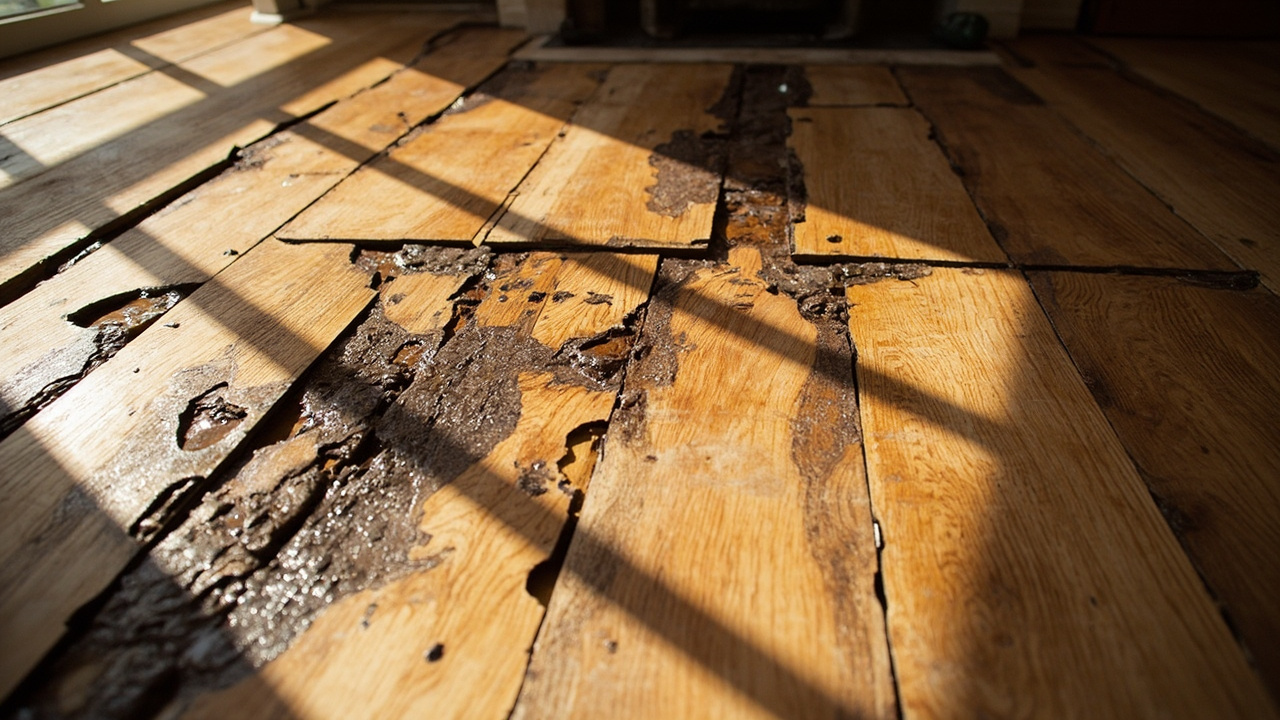
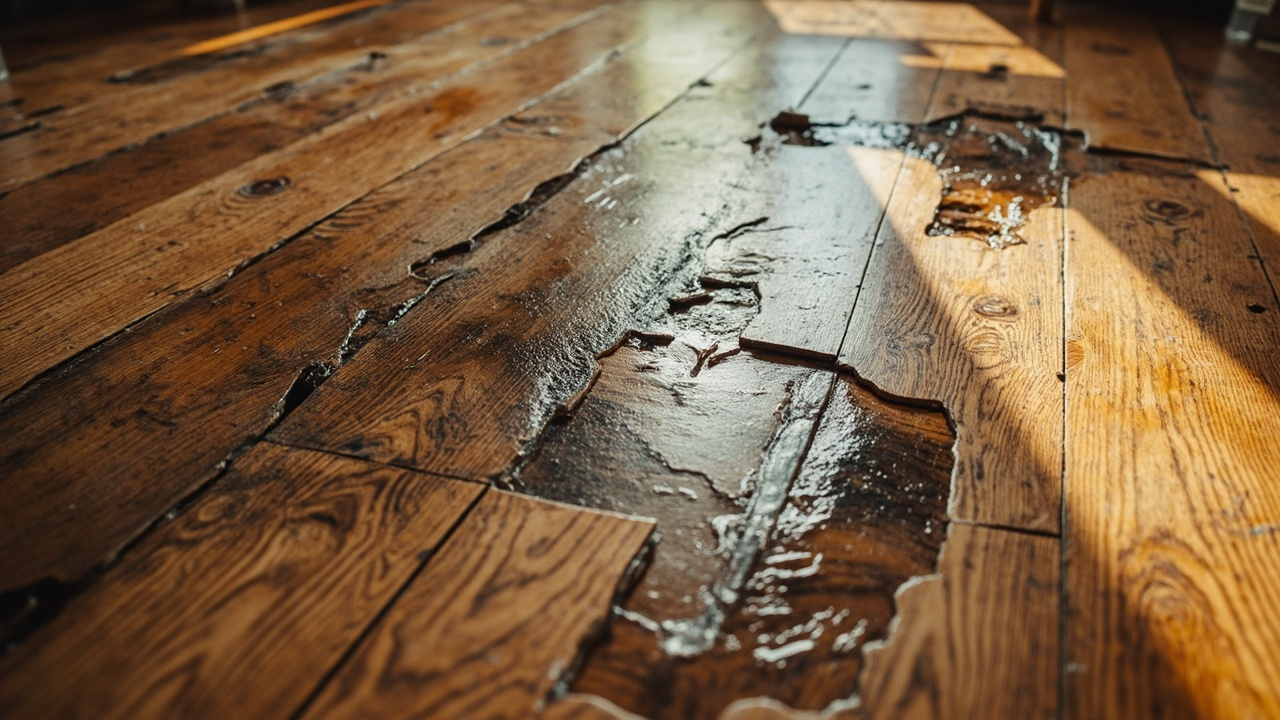
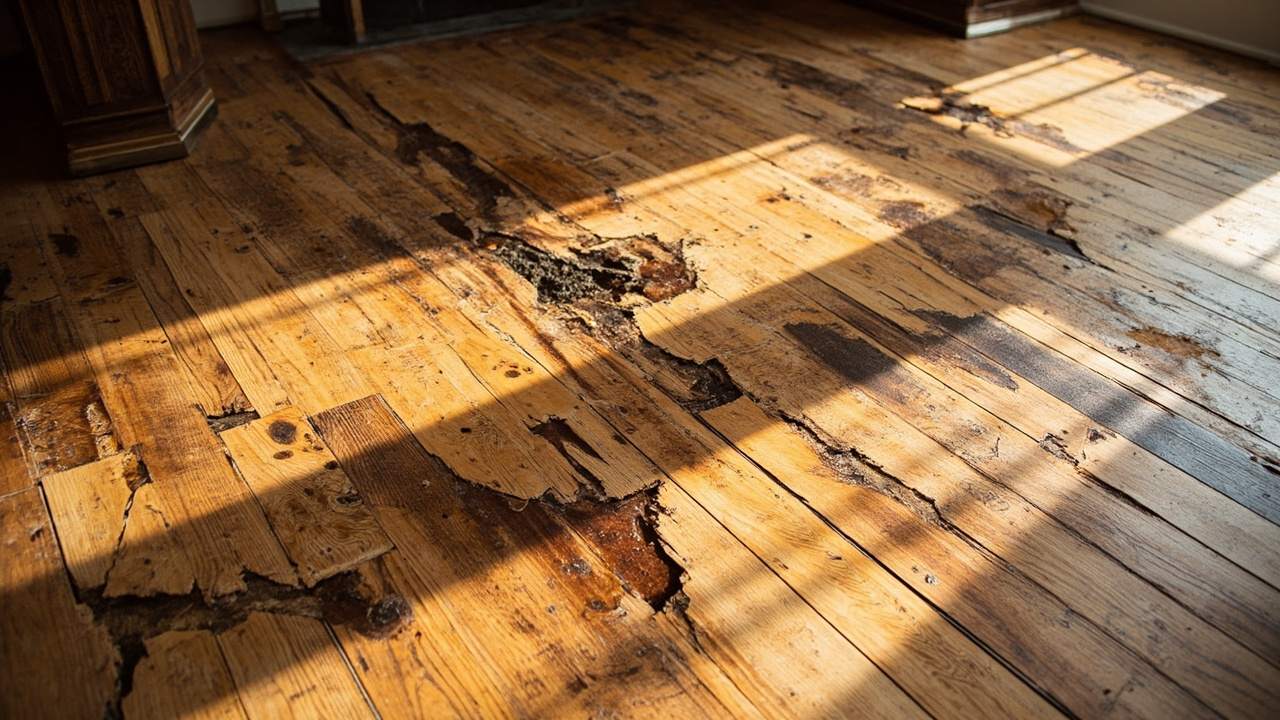
Cupping occurs when the edges of boards rise higher than the center, creating a concave surface. Buckling happens when entire sections lift away from the subfloor, often near walls or transitions. Both indicate active moisture intrusion. The longer moisture remains, the more permanent the damage becomes.

Many Greenwich homeowners assume this is normal seasonal movement. It is not. Healthy hardwood floors expand and contract within tolerance. Raised wood floor edges and visible warping signal a moisture problem that requires immediate attention. The source could be a foundation crack allowing groundwater in, a slow dishwasher leak, or inadequate ventilation in your crawl space. Without identifying and eliminating the moisture source, your floors will continue deteriorating until replacement becomes the only option.

The good news is that if caught early, most warped hardwood flooring can be stabilized and restored. The key is rapid moisture extraction and controlled drying.

Why Your Greenwich Hardwood Floors Are Warping
How We Stabilize and Restore Warped Hardwood Floors

How We Stabilize and Restore Warped Hardwood Floors

We do not start by sanding your floors. We start by finding the water.

Our technicians use moisture meters to measure the actual moisture content of your hardwood and subfloor. We test multiple locations to map the affected area. Normal hardwood moisture content ranges from six to nine percent. Anything above 12 percent indicates active moisture intrusion. We document baseline readings before beginning extraction.

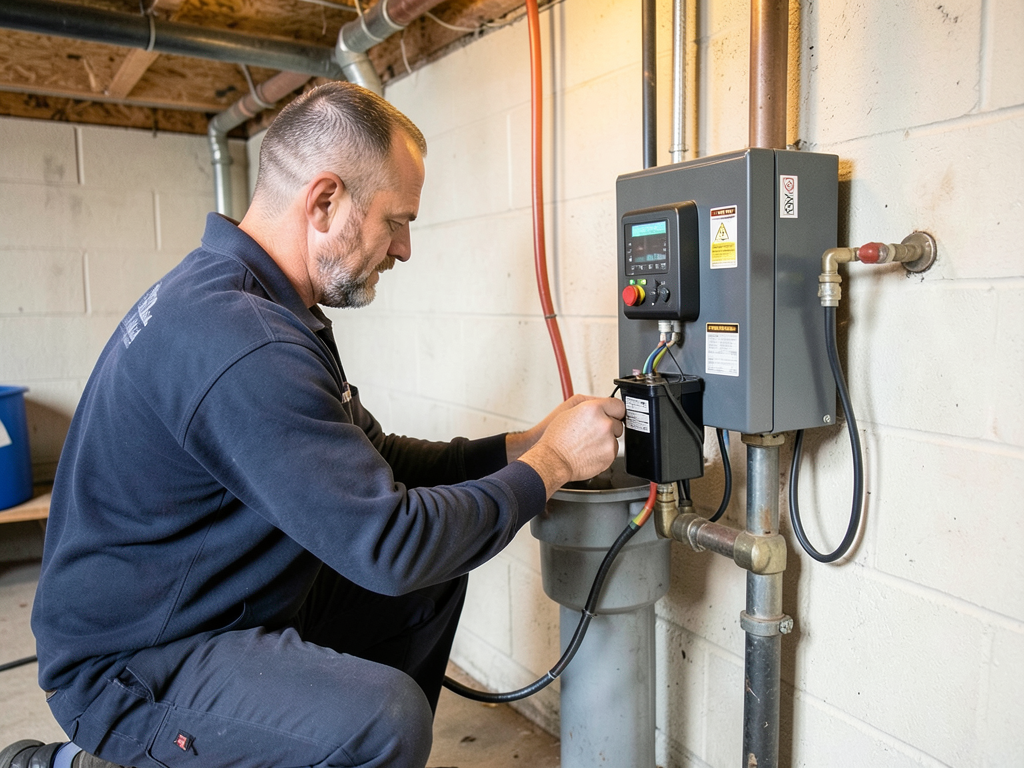
Next, we identify the source. We inspect crawl spaces, check supply lines under sinks, examine HVAC drain pans, and evaluate grading around your foundation. In Greenwich's older homes, we frequently find inadequate vapor barriers in crawl spaces or failing sump pumps allowing groundwater to wick upward through concrete slab edges.

Once the source is controlled, we begin controlled drying. This is not the same as running a box fan. We use professional-grade dehumidifiers calibrated to your square footage and air movers positioned at specific angles to promote evaporation without over-drying, which can cause cracking. We monitor moisture levels daily, adjusting airflow and humidity targets as the wood releases moisture.

For severely buckled sections, we may need to relieve pressure by removing baseboards and cutting expansion gaps. This allows the boards to contract as they dry without remaining locked in a buckled position. We never rush this process. Hardwood must dry gradually to avoid checking and splitting.

After moisture levels return to normal range, we evaluate whether the boards have relaxed back into position or if sanding and refinishing are required. Many cupped floors flatten completely once dried properly.

What Happens When You Call Liberty Water Damage Restoration Riverside

Cupping or Buckling Wood Floors in Greenwich – Expert Moisture Diagnosis and Floor Stabilization
01

Moisture Assessment and Mapping

We arrive within hours and use calibrated moisture meters to test your hardwood, subfloor, and surrounding materials. We document moisture content percentages and create a visual map showing the extent of water intrusion. This data guides our drying plan and provides documentation for your insurance claim if applicable.
02

Source Identification and Containment

Our technicians inspect your crawl space, plumbing lines, foundation perimeter, and HVAC systems to locate the moisture source. We check for condensation on ductwork, failed wax rings under toilets, and groundwater seepage. We stop the water at its origin before beginning extraction, preventing recurring damage and ensuring your floors stay stable after restoration.
03

Controlled Drying and Monitoring

We position commercial dehumidifiers and air movers to create optimal drying conditions without over-drying your hardwood. Our team returns daily to take new moisture readings and adjust equipment. We continue until your floors reach stable moisture content, typically seven to nine days depending on severity. You receive a final moisture report confirming your floors are dry and stable.

Why Greenwich Homeowners Trust Liberty Water Damage Restoration Riverside for Hardwood Floor Damage

You do not want someone learning how to dry hardwood floors on your home.

Liberty Water Damage Restoration Riverside has restored warped hardwood flooring throughout Greenwich's historic neighborhoods, where homes were built with solid oak and maple floors worth preserving. We understand the construction methods used in homes from the 1920s through today, and we adjust our approach based on whether your floors are solid hardwood, engineered planks, or parquet.

Greenwich homes present unique challenges. Many properties have crawl spaces with limited access, making moisture barrier installation difficult. Older homes lack the vapor barriers standard in modern construction, allowing ground moisture to migrate upward through fieldstone foundations. We address these structural issues as part of the restoration process, not as an upselling tactic.

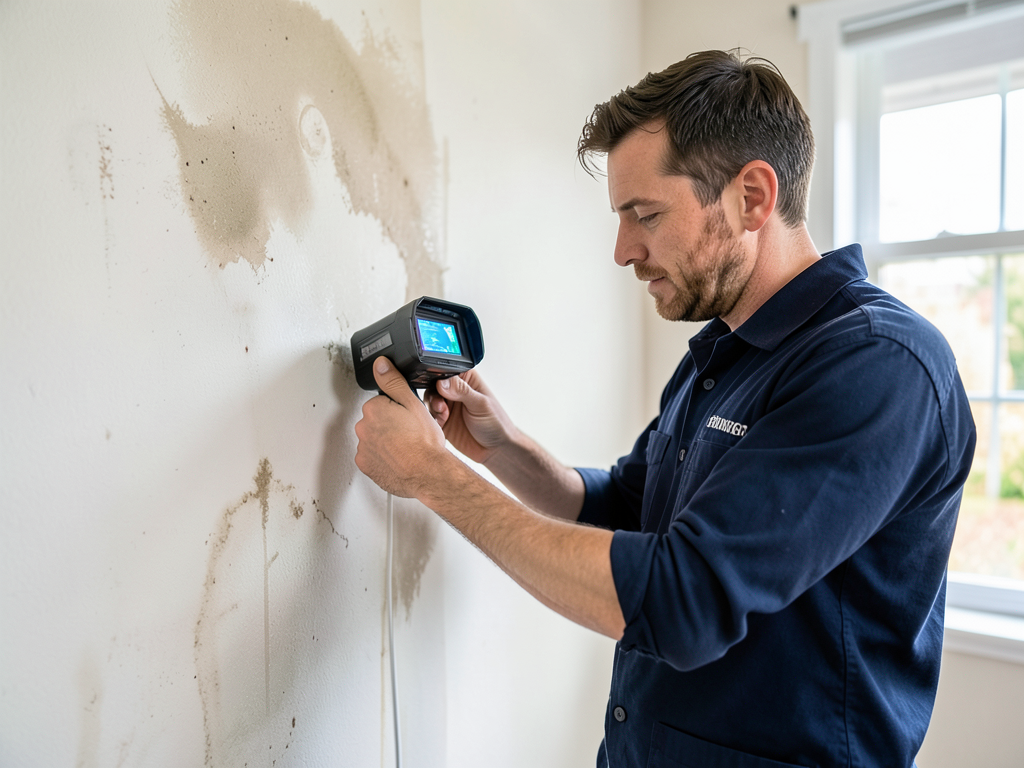
Our technicians carry thermal imaging cameras to detect moisture behind walls and under floors without destructive testing. This technology allows us to see temperature differentials indicating trapped water, helping us locate slow leaks that have gone unnoticed for months. Early detection prevents mold growth and subfloor rot, both of which complicate restoration significantly.

We also understand insurance documentation requirements. We photograph damage, document moisture readings, and provide detailed scope reports your adjuster can use to process your claim. Most Greenwich homeowners have replacement cost coverage, but you need proper documentation to avoid depreciation deductions. We provide that documentation as part of our standard service.

You hired a specialist for a reason. We focus exclusively on water damage restoration. We do not install floors, remodel kitchens, or paint walls. We extract water, dry structures, and restore what can be saved. That focus makes us better at this specific job.

What to Expect When We Restore Your Warped Hardwood Floors

Rapid Response and Same-Day Service

We answer calls 24 hours a day and dispatch technicians to Greenwich homes within two to four hours of your call. Our trucks carry moisture meters, air movers, and dehumidifiers, allowing us to begin extraction immediately. We do not schedule appointments days out. Water damage worsens every hour, and we treat your floors with that urgency. Evening and weekend calls receive the same rapid response as weekday requests.

Thorough Inspection Beyond the Visible Damage

We do not stop at the warped boards you can see. Our technicians inspect your entire subfloor, check adjacent rooms for moisture migration, and evaluate your crawl space or basement for ongoing moisture issues. We use thermal imaging to detect hidden water pockets and moisture meters to test areas that appear dry. This comprehensive assessment prevents surprises three days into drying when hidden moisture reveals itself through new buckling.

Professional-Grade Drying Equipment and Daily Monitoring

You receive commercial dehumidifiers calibrated to your square footage, not residential units from a hardware store. Our air movers create controlled airflow patterns that promote even drying without concentrating heat in one spot. Technicians return daily to document moisture levels and adjust equipment placement. You receive written moisture logs showing progress from day one through final readings, providing proof your floors are thoroughly dry.

Post-Drying Evaluation and Recommendations

After your floors reach stable moisture content, we provide a written assessment of their condition. Some cupped floors flatten completely once dried and require no further work. Others need light sanding and refinishing to restore a level surface. We explain your options clearly, including whether boards need replacement or if the existing floor can be saved. We do not perform refinishing ourselves, eliminating any conflict of interest in our recommendations.

Frequently Asked Questions

You Have Questions,
We Have Answers

What is the difference between cupping and buckling floors? +

Cupping occurs when the edges of individual wood planks rise higher than the center, creating a concave shape. This happens when moisture penetrates the underside of the floor. Buckling is more severe. The entire floor section lifts away from the subfloor, creating visible ridges or peaks. Cupping results from humidity imbalances or water exposure beneath the flooring. Buckling means the wood has absorbed so much moisture that it expands beyond the available space and pushes upward. In Greenwich homes, both conditions stem from water damage, plumbing leaks, or humidity fluctuations during seasonal changes.

Will cupped hardwood floors flatten out? +

Sometimes. If you catch cupping early and remove the moisture source, floors may flatten as they dry. However, drying must happen slowly and evenly. Rapid drying causes additional stress and can create cracking or permanent deformation. The wood needs time to release moisture gradually. In Greenwich's humid climate, professional moisture monitoring is critical. Even if floors appear flat again, they may have sustained internal damage. Wood fibers can compress during the cupping process, and they do not always return to original dimensions. A moisture inspection determines whether your floors will recover or need replacement.

What does cupping look like on a wood floor? +

Cupped wood floors have edges that sit higher than the center of each plank. Run your hand across the boards and you will feel distinct ridges along the seams. The surface appears wavy rather than flat. Individual planks look like shallow troughs or shallow cups placed side by side. The visual effect resembles corrugated metal but with gentler curves. In severe cases, gaps appear between boards when viewed from certain angles. Greenwich homes with basement moisture issues often show cupping in first-floor rooms. The condition worsens gradually, so early detection prevents permanent damage.

What does a buckled hardwood floor look like? +

Buckled hardwood floors lift away from the subfloor in noticeable humps or peaks. You will see sections raised several inches off the ground, creating trip hazards. The floor appears tent-shaped in affected areas. Boards may separate at the seams, and you might hear hollow sounds when walking over buckled sections. The damage extends across multiple planks rather than affecting individual boards. In Greenwich properties with plumbing failures or flooding, buckling often occurs near water sources like kitchens, bathrooms, or basement walls. The floor literally pushes upward because absorbed moisture causes extreme expansion.

Will buckled hardwood floors go back to normal? +

Rarely. Buckled floors indicate severe water damage and structural failure. The wood has expanded beyond its physical limits and broken free from fasteners or adhesive. Even if you remove the moisture, the boards remain deformed and loose. The subfloor underneath may also be damaged and require replacement. In Greenwich homes, buckling usually means complete floor removal and reinstallation. Attempting to repair buckled sections without addressing the subfloor leads to repeat failures. The nails or staples holding the floor have pulled through the wood, and the material itself has sustained permanent compression damage.

Can cupped hardwood floors be repaired? +

Yes, but success depends on how quickly you act and the severity of damage. First, you must eliminate the moisture source. Then allow the floor to dry slowly over several weeks. Professional restoration involves moisture meters to track drying progress and prevent over-drying. Once stabilized, minor cupping may require sanding and refinishing to level the surface. Severe cases need board replacement. In Greenwich's older homes with solid hardwood, repairs work better than with engineered floors. Engineered wood has thin veneer layers that cannot withstand aggressive sanding. Professional assessment determines the best repair approach.

How much does it cost to repair cupping wood floors? +

Repair costs depend on damage severity and floor type. Minor cupping correction through drying and refinishing ranges from moderate to significant investment per square foot. Severe cupping requiring board replacement costs more due to labor and material matching challenges. In Greenwich, historic homes with custom hardwood species increase costs because replacements must match existing wood grain and color. Additional factors include subfloor repairs, moisture barrier installation, and refinishing the entire room for uniform appearance. Most restoration projects also require professional moisture remediation to prevent recurrence. Get a detailed inspection before budgeting.

What would cause hardwood floors to cup? +

Hardwood floors cup when moisture penetrates the underside of planks while the top remains dry. Common causes include plumbing leaks beneath the floor, basement humidity seeping upward, or poor vapor barriers during installation. In Greenwich, high water tables and seasonal humidity fluctuations contribute to cupping. Foundation cracks allow groundwater intrusion. HVAC condensation dripping onto subfloors creates localized moisture pockets. New concrete slabs release moisture for months after pouring, causing cupping if flooring is installed too early. Even routine mopping with excessive water can cause cupping over time in homes without proper sealing.

Will a dehumidifier pull water from under the floor? +

A dehumidifier removes airborne moisture but does not extract water trapped under flooring. It helps dry the surface and surrounding air, which indirectly encourages moisture beneath floors to evaporate upward. However, this process is slow and ineffective if standing water exists in the subfloor cavity. In Greenwich basements with chronic dampness, dehumidifiers prevent future cupping but do not fix existing water intrusion. Professional water extraction equipment is necessary for significant moisture removal. Structural drying involves air movers, commercial dehumidifiers, and moisture monitoring. Surface-level dehumidification alone will not resolve serious underlayment saturation.

Is wood floor cupping permanent? +

Not always, but it can be. Permanent cupping depends on moisture exposure duration, wood species, and how quickly you respond. Short-term exposure with prompt drying often allows floors to recover. Extended saturation causes wood fibers to compress and deform permanently. Even after drying, boards may retain a cupped shape. Greenwich homes with solid oak or maple floors have better recovery odds than softer woods. Engineered hardwood rarely recovers because moisture damages the layered construction. Professional moisture assessment within 48 hours of water exposure gives you the best chance of avoiding permanent damage.

How Greenwich's Coastal Humidity Accelerates Hardwood Floor Cupping

Greenwich sits less than two miles from Long Island Sound, creating a humid microclimate that affects hardwood floors year-round. Summer humidity regularly exceeds 70 percent, driving moisture into wood grain even in homes with air conditioning. Coastal fog and morning dew add additional moisture load. When homeowners close up beach houses or turn off dehumidifiers during shoulder seasons, trapped humidity causes rapid cupping in as little as 48 hours. Your floors are constantly fighting moisture intrusion, making prompt drying critical when leaks occur.

Greenwich's housing stock includes many pre-1950 homes built before modern moisture management standards. These properties often lack vapor barriers in crawl spaces and basements, allowing ground moisture to migrate upward through masonry foundations. Local building officials now require vapor barriers during renovations, but older homes remain vulnerable. Liberty Water Damage Restoration Riverside works regularly with Greenwich's historic preservation guidelines and understands how to dry floors without damaging original finishes or violating restoration standards in landmark properties.

Water Damage Restoration Services in The Greenwich Area

Our service area is designed to cover the entire region, ensuring that no matter where you are, we can get to you quickly and efficiently. We invite you to view our location on the map and see our central hub, from which we dispatch our rapid response teams. We are committed to serving our local community with speed, expertise, and a dedication to quality that you can always rely on.

Address:
Heritage Water Damage Restoration Greenwich, 145 Mason St, Greenwich, CT, 06830

Additional Services We Offer

Our news updates

Latest Articles & News from The Blogs

Understanding the difference between rain damage and storm surge in Lucas Point Storm surges push saltwater inland at high speeds…

Understanding the difference between rain damage and storm surge in Lucas Point

Understanding the difference between rain damage and storm surge in Lucas Point Storm surges push saltwater inland at high speeds…

Salvaging designer wallpaper after a minor water leak in your Greenwich dining room

Salvaging Designer Wallpaper After a Minor Water Leak in Your Greenwich Dining Room When water seeps behind your designer wallpaper,…

Why you should never touch the standing water in your flooded basement yourself

Why you should never touch the standing water in your flooded basement yourself Standing water in your Greenwich basement is…

Contact Us

Warped hardwood does not fix itself. Every day moisture remains in your floors increases the chance of permanent buckling and mold growth. Call Liberty Water Damage Restoration Riverside now at (475) 320-3777 for immediate assessment and professional drying. We serve all Greenwich neighborhoods 24 hours a day.