
Managing the high humidity levels in your Greenwich crawl space
High humidity in crawl spaces creates perfect conditions for mold growth, wood rot, and structural damage. In Greenwich Connecticut the combination of coastal proximity and seasonal temperature swings makes moisture control critical. The first sign is often a musty smell or condensation on ductwork. Left unchecked this moisture can compromise your foundation and indoor air quality. Connecticut State Building Code.
Greenwich homes face unique challenges. The area’s high water table and frequent coastal storms push moisture up through the soil. Older homes in neighborhoods like Riverside and Cos Cob often have fieldstone foundations that allow groundwater to seep in. Even newer construction can suffer when poor drainage systems fail during heavy rains. Emergency Water Damage Restoration for Old Greenwich Coastal Homes.
Managing crawl space humidity requires understanding both the science and the local conditions. The stack effect pulls damp air from your crawl space into living areas affecting your entire home. Professional moisture control stops this cycle protecting your investment and your family’s health. Professional Sewage Backup Cleanup and Sanitization for Cos Cob Residents.
Why Greenwich crawl spaces suffer from high humidity
The Greenwich area sits near Long Island Sound where ocean air brings consistent moisture. Summer humidity often exceeds 80% and winter brings freeze-thaw cycles that stress foundations. These conditions create perfect breeding grounds for mold and mildew in enclosed crawl spaces.
Soil composition plays a major role. Fairfield County’s mix of clay and loam retains water long after rains end. When water cannot drain away it collects under your home. This hydrostatic pressure forces moisture through foundation walls and up through the floor. Water Damage Restoration Meriden.
Many Greenwich homes predate modern building codes. These older structures lack vapor barriers and proper ventilation. Even homes built in the 1980s may have inadequate moisture protection by today’s standards. The Connecticut State Building Code now requires specific moisture control measures but many existing homes need retrofitting.
Local climate data shows Greenwich receives an average of 50 inches of rain annually. Spring thaws and summer thunderstorms frequently saturate the ground. When this water has nowhere to go it migrates toward the lowest point your crawl space.
Common signs of crawl space moisture problems
Musty odors rank as the most obvious indicator. This smell comes from microbial volatile organic compounds released by active mold colonies. You might notice it strongest in rooms above the crawl space or when your HVAC system runs.
Condensation on pipes and ductwork signals high relative humidity. When warm air contacts cool surfaces moisture forms. Over time this water drips onto insulation and wooden joists creating ideal conditions for rot.
Buckling hardwood floors often trace back to crawl space moisture. As wood absorbs water it expands. This movement causes floors to warp and creates gaps between boards. The damage extends beyond aesthetics weakening structural integrity.. Read more about Deciding between DIY drying and calling a pro for a flooded basement.
Efflorescence appears as white powdery deposits on foundation walls. This mineral residue forms when water carries dissolved salts to the surface. While not harmful itself efflorescence indicates ongoing moisture intrusion. White Glove Water Damage Recovery for Belle Haven Estates.
Pest infestations increase with moisture. Termites carpenter ants and rodents all seek damp environments. A crawl space with standing water or high humidity becomes an attractive habitat for these destructive visitors.
Health risks from damp crawl spaces
Mold spores released from crawl spaces circulate through your home via the stack effect. The EPA links indoor mold exposure to respiratory issues asthma attacks and allergic reactions. Children and elderly residents face higher risks from prolonged exposure. EPA mold information.
High humidity promotes dust mite populations. These microscopic creatures thrive in damp conditions and trigger allergies through their waste products. A humid crawl space can increase dust mite counts throughout your entire home.
Standing water in crawl spaces breeds bacteria and other pathogens. During heavy rains sewage backups can contaminate crawl spaces through overwhelmed municipal systems. This creates serious health hazards requiring professional remediation.. Read more about Certified Mold Testing and Remediation Services Throughout Greenwich.
Radon gas enters homes through foundation cracks. While not caused by humidity itself a damp crawl space often has more entry points for this radioactive gas. The Connecticut Department of Public Health recommends testing all homes for radon regardless of age or location.
Professional moisture control solutions for Greenwich
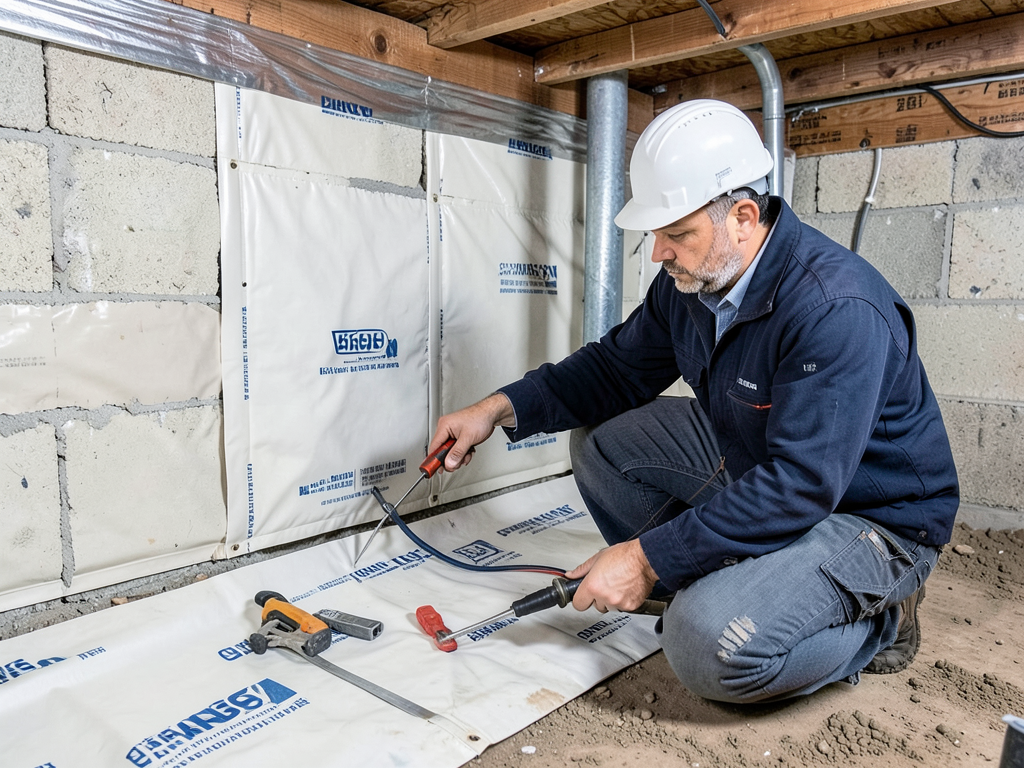
Complete crawl space encapsulation creates a moisture barrier between your home and the ground. This process involves sealing foundation walls and floors with heavy-duty polyethylene sheeting. Professional installations use 20-mil reinforced liners that resist tears and punctures.
Vapor barriers alone address ground moisture but not foundation seepage. For comprehensive protection encapsulation includes sealing vents and installing airtight doors. This transforms your crawl space into a conditioned area similar to your basement.
Dehumidification systems maintain optimal humidity levels year-round. Industrial-grade units like the SaniDry Sedona remove gallons of moisture daily. These systems include automatic drainage and humidity controls eliminating the need for manual emptying.
Sump pump installation provides active water removal. Modern units include battery backups to operate during power outages. For Greenwich homes near flood zones dual-pump systems offer redundancy when storms hit.
Foundation repair addresses structural issues allowing moisture entry. Cracks wider than 1/8 inch require professional sealing. Epoxy injections and polyurethane foams create permanent seals that flex with seasonal movement. Fast Burst Pipe Repair and Water Extraction in Mid-Country Greenwich.
The science behind the stack effect
The stack effect describes how air moves through your home based on temperature differences. Warm air rises creating negative pressure at lower levels. This pressure differential pulls air from your crawl space upward through floors and walls.
In winter the effect intensifies. Heated indoor air rises and escapes through upper-level gaps. This creates stronger suction from below drawing cold damp air from the crawl space. The result is a continuous exchange of unhealthy air into your living space.
Summer reverses but does not eliminate the problem. Air conditioning creates cool pockets that sink creating their own pressure differentials. While less pronounced this still moves crawl space air into your home.
Understanding this principle explains why crawl space problems affect your entire house. Sealing and conditioning the crawl space breaks this cycle improving both air quality and energy efficiency.
Step-by-step crawl space remediation process
- Inspection and assessment
Technicians examine foundation walls floor joists and insulation for moisture damage. They measure humidity levels and identify water entry points. This diagnostic phase determines the scope of work needed.
- Water removal and drying
Standing water requires extraction using submersible pumps and wet vacuums. High-volume air movers and commercial dehumidifiers dry remaining moisture. This step prevents mold growth during remediation.. Read more about Preventing mold growth in your Rock Ridge home during the humid summer months.
- Structural repairs
Cracked foundation walls receive epoxy injections or polyurethane foam sealing. Rotted wood gets replaced with pressure-treated lumber. These repairs restore structural integrity before encapsulation.
- Installation of moisture barriers
Heavy-duty polyethylene sheets cover floors and extend up foundation walls. Seams overlap and seal creating a continuous vapor barrier. This isolates ground moisture from the crawl space air.
- Sealing and conditioning
Vents seal with airtight covers. Foundation walls receive spray foam insulation. A dedicated dehumidifier maintains 50-60% relative humidity. This creates a conditioned space that resists moisture problems.
Comparing moisture control methods
| Method | Effectiveness | Cost Range | Best For |
|---|---|---|---|
| Basic vapor barrier | Moderate | $1,500 – $3,000 | Minor moisture issues |
| Encapsulation | High | $5,000 – $15,000 | Severe moisture problems |
| Dehumidification only | Variable | $1,200 – $2,500 | Humidity control |
| Complete system | Maximum | $8,000 – $20,000 | Comprehensive protection |
Building code requirements in Greenwich
The Connecticut State Building Code Section 506.1 requires vapor retarders in crawl spaces. These barriers must have a minimum permeance of 0.1 perm. Installation requires sealing all seams and extending the material up foundation walls at least 6 inches.
IRC Section R408.3 mandates ventilation for unconditioned crawl spaces. However Section R408.4 allows unvented crawl spaces when specific conditions met. These include proper vapor barriers and mechanical drying capacity.
Greenwich building officials enforce FEMA Flood Insurance Rate Map compliance. Properties in high-risk zones require elevated utilities and flood-resistant materials. Crawl space access points must prevent water entry during flood events.
Local amendments often exceed state minimums. Greenwich requires sill plate treatment in crawl spaces and specific insulation R-values. These provisions address the area’s high humidity and temperature extremes.
Insurance considerations for moisture damage
Standard homeowners policies exclude gradual water damage. This means years of moisture accumulation leading to rot typically receive no coverage. Sudden events like burst pipes may qualify if resulting damage is immediate and accidental.. Read more about What every homeowner should know about AC condensate line overflows.
Flood insurance through the National Flood Insurance Program covers groundwater intrusion. However this requires separate policies for properties in designated zones. Many Greenwich homes near the coast need this additional coverage.
Professional moisture control often qualifies as a preventative measure. Some insurers offer premium discounts for installed systems. Documentation of professional installation strengthens claims if future covered events occur.
Maintenance records prove crucial during claims processes. Regular inspections and documented repairs demonstrate responsible homeownership. This documentation helps distinguish covered sudden damage from excluded gradual deterioration.
DIY vs professional moisture control
Basic vapor barrier installation represents the most common DIY project. Homeowners can lay 6-mil polyethylene sheeting over crawl space floors. However proper sealing and wall coverage require experience many lack.
Dehumidifier selection and placement affect system performance. Consumer-grade units lack the capacity for large crawl spaces. Professional-grade equipment includes features like automatic drainage and humidity monitoring that DIY units miss.
Structural repairs demand professional expertise. Foundation cracks indicate soil movement or hydrostatic pressure. Addressing symptoms without understanding causes leads to recurring problems.
Mold remediation requires proper safety equipment and disposal methods. Disturbing active mold colonies releases spores throughout your home. Professional remediation includes containment and air filtration preventing cross-contamination.
Long-term maintenance requirements
Annual inspections catch problems before they escalate. Technicians check for tears in vapor barriers, dehumidifier function, and new moisture entry points. These inspections cost far less than emergency repairs.
Dehumidifier filters require quarterly cleaning. Clogged filters reduce efficiency and can freeze coils. Some systems include washable filters while others need replacement annually.
Perimeter grading affects crawl space moisture. Soil should slope away from foundation walls at 1 inch per foot for at least 6 feet. Regrading prevents surface water from pooling near your home.
Gutter and downspout maintenance directly impacts crawl space moisture. Clean gutters prevent overflow that saturates soil near foundations. Downspouts should extend at least 5 feet from your home discharging water away from the structure.
Energy efficiency benefits
Moisture control improves HVAC efficiency. Dehumidifiers reduce cooling loads by removing latent heat from air. This allows your air conditioner to cool more effectively using less energy.
Encapsulated crawl spaces reduce drafts. Sealed floors prevent cold air infiltration during winter. This stabilizes temperatures throughout your home reducing heating costs.
Insulation performs better in dry conditions. Wet insulation loses R-value and can compress creating gaps. Maintaining dry conditions preserves insulation effectiveness reducing energy waste.
Studies show encapsulated crawl spaces can reduce energy costs by 15-20%. These savings offset system costs over time. The exact return depends on your home’s size and local utility rates.
Choosing the right contractor
Verify contractor licensing and insurance. Connecticut requires home improvement contractors carry liability and workers’ compensation coverage. Request proof of both before signing contracts.
Check references specifically for crawl space work. Moisture control requires different expertise than basement waterproofing. Ask to see completed projects similar to yours.
Understand warranty terms. Quality contractors offer 10-25 year warranties on encapsulation systems. These warranties should cover both materials and labor for specified defects.
Request detailed proposals outlining materials and methods. Professional proposals include product specifications and installation details. Avoid contractors unwilling to provide written documentation.
Environmental considerations
Modern moisture control materials emphasize sustainability. Recycled content in vapor barriers reduces environmental impact. Some manufacturers offer take-back programs for old materials.
Energy-efficient dehumidifiers minimize electricity consumption. ENERGY STAR certified units use advanced compressors and fans reducing operating costs. Many include programmable settings optimizing performance.
Proper disposal prevents environmental contamination. Old insulation containing asbestos or fiberglass requires special handling. Professional contractors follow EPA guidelines for safe disposal.. Read more about A simple guide to checking your Greenwich home for hidden mold growth.
Green building certifications increasingly recognize moisture control. LEED and similar programs award points for systems improving indoor air quality. These certifications can increase property values and marketability.
Future trends in crawl space technology
Smart monitoring systems provide real-time moisture data. These devices track humidity levels and send alerts when conditions change. Integration with home automation systems allows remote monitoring and control.
Advanced materials improve system longevity. Self-healing vapor barriers seal small punctures automatically. Antimicrobial treatments prevent mold growth on barrier surfaces.
Foundation systems incorporate moisture management from construction. Pre-installed drainage planes and integrated vapor barriers reduce retrofit needs. These systems cost more initially but prevent expensive problems later.
Climate change affects moisture control requirements. Increasing storm frequency and intensity demands more robust systems. Future designs must accommodate greater water volumes and more extreme temperature swings.
Frequently Asked Questions
How much does crawl space moisture control cost in Greenwich?
Costs vary based on home size and problem severity. Basic vapor barriers start around $1,500 while complete encapsulation systems range from $5,000 to $15,000. Most Greenwich homes need comprehensive solutions averaging $8,000 to $12,000.
Can I stay in my home during moisture control work?
Yes most work proceeds with occupants present. However mold remediation may require temporary evacuation. Your contractor should specify any necessary precautions before starting work.
How long does installation take?
Simple vapor barrier installation completes in one day. Complete encapsulation with structural repairs takes 3-5 days. Weather conditions and material availability can affect timelines.
Will moisture control increase my home value?
Yes quality moisture control improves property values. Buyers increasingly recognize the importance of healthy crawl spaces. Professional documentation of work performed strengthens this value proposition.
How often should I inspect my crawl space?
Annual professional inspections catch problems early. Homeowners should check crawl spaces quarterly for visible moisture or pest activity. After major storms additional checks help identify new issues.
Does encapsulation eliminate the need for a dehumidifier?
Encapsulation reduces moisture but rarely eliminates it completely. Most systems include dedicated dehumidification maintaining optimal humidity levels year-round. This prevents condensation and mold growth.
Take control of your crawl space moisture today
High humidity in your Greenwich crawl space threatens your home’s structure and your family’s health. The combination of coastal climate and local soil conditions creates perfect conditions for moisture problems. Professional moisture control stops this cycle protecting your investment.
Don’t wait for visible damage to appear. Musty odors and condensation signal problems requiring immediate attention. Professional assessment identifies specific issues affecting your home and recommends targeted solutions.
Call (475) 320-3777 today to schedule your crawl space inspection. Our certified technicians understand Greenwich’s unique moisture challenges and provide lasting solutions. We serve all Fairfield County including Riverside Cos Cob and Old Greenwich.
Pick up the phone and call (475) 320-3777 before the next storm hits. Your home deserves professional moisture control that lasts.
Heritage Water Damage Restoration Greenwich provides expert crawl space moisture control throughout Fairfield County. Our team holds IICRC certifications and follows all Connecticut building codes. We offer free inspections and detailed proposals for every home.
Don’t let moisture problems compromise your home’s value and your family’s health. Call (475) 320-3777 now for professional crawl space moisture control in Greenwich Connecticut.
{
“@context”: “https://schema.org”,
“@type”: “BlogPosting”,
“headline”: “Managing the high humidity levels in your Greenwich crawl space”,
“description”: “High humidity in Greenwich crawl spaces causes mold and structural damage. Learn moisture control solutions tailored for Connecticut’s coastal climate.”,
“wordCount”: 2524,
“datePublished”: “2026-03-08T09:40:00.000Z”,
“dateModified”: “2026-03-08T09:40:00.000Z”,
“inLanguage”: “en-US”,
“mainEntityOfPage”: {
“@type”: “WebPage”,
“@id”: “https://heritagewaterdamagerestorationgreenwich.com”
},
“publisher”: {
“@type”: “LocalBusiness”,
“name”: “Heritage Water Damage Restoration Greenwich”,
“url”: “https://heritagewaterdamagerestorationgreenwich.com”
},
“author”: {
“@type”: “Organization”,
“name”: “Heritage Water Damage Restoration Greenwich”,
“url”: “https://heritagewaterdamagerestorationgreenwich.com”
},
“image”: {
“@type”: “ImageObject”,
“url”: “https://heritagewaterdamagerestorationgreenwich.com/wp-content/uploads/2026/03/managing-the-high-humidity-levels-in-your-greenwic-1.png”
}
}
{
“@context”: “https://schema.org”,
“@type”: “LocalBusiness”,
“name”: “Heritage Water Damage Restoration Greenwich”,
“url”: “https://heritagewaterdamagerestorationgreenwich.com”,
“address”: {
“@type”: “PostalAddress”,
“addressLocality”: “Greenwich”
},
“areaServed”: {
“@type”: “City”,
“name”: “Greenwich”
}
}
{
“@context”: “https://schema.org”,
“@type”: “FAQPage”,
“mainEntity”: [
{
“@type”: “Question”,
“name”: “How much does crawl space moisture control cost in Greenwich?”,
“acceptedAnswer”: {
“@type”: “Answer”,
“text”: “Costs vary based on home size and problem severity. Basic vapor barriers start around $1,500 while complete encapsulation systems range from $5,000 to $15,000. Most Greenwich homes need comprehensive solutions averaging $8,000 to $12,000.”
}
},
{
“@type”: “Question”,
“name”: “Can I stay in my home during moisture control work?”,
“acceptedAnswer”: {
“@type”: “Answer”,
“text”: “Yes most work proceeds with occupants present. However mold remediation may require temporary evacuation. Your contractor should specify any necessary precautions before starting work.”
}
},
{
“@type”: “Question”,
“name”: “How long does installation take?”,
“acceptedAnswer”: {
“@type”: “Answer”,
“text”: “Simple vapor barrier installation completes in one day. Complete encapsulation with structural repairs takes 3-5 days. Weather conditions and material availability can affect timelines.”
}
},
{
“@type”: “Question”,
“name”: “Will moisture control increase my home value?”,
“acceptedAnswer”: {
“@type”: “Answer”,
“text”: “Yes quality moisture control improves property values. Buyers increasingly recognize the importance of healthy crawl spaces. Professional documentation of work performed strengthens this value proposition.”
}
},
{
“@type”: “Question”,
“name”: “How often should I inspect my crawl space?”,
“acceptedAnswer”: {
“@type”: “Answer”,
“text”: “Annual professional inspections catch problems early. Homeowners should check crawl spaces quarterly for visible moisture or pest activity. After major storms additional checks help identify new issues.”
}
},
{
“@type”: “Question”,
“name”: “Does encapsulation eliminate the need for a dehumidifier?”,
“acceptedAnswer”: {
“@type”: “Answer”,
“text”: “Encapsulation reduces moisture but rarely eliminates it completely. Most systems include dedicated dehumidification maintaining optimal humidity levels year-round. This prevents condensation and mold growth.”
}
}
]
}
{
“@context”: “https://schema.org”,
“@type”: “HowTo”,
“name”: “How to remediate crawl space moisture”,
“step”: [
{
“@type”: “HowToStep”,
“position”: 1,
“name”: “Inspection and assessment”,
“text”: “Technicians examine foundation walls floor joists and insulation for moisture damage. They measure humidity levels and identify water entry points. This diagnostic phase determines the scope of work needed.”
},
{
“@type”: “HowToStep”,
“position”: 2,
“name”: “Water removal and drying”,
“text”: “Standing water requires extraction using submersible pumps and wet vacuums. High-volume air movers and commercial dehumidifiers dry remaining moisture. This step prevents mold growth during remediation.”
},
{
“@type”: “HowToStep”,
“position”: 3,
“name”: “Structural repairs”,
“text”: “Cracked foundation walls receive epoxy injections or polyurethane foam sealing. Rotted wood gets replaced with pressure-treated lumber. These repairs restore structural integrity before encapsulation.”
},
{
“@type”: “HowToStep”,
“position”: 4,
“name”: “Installation of moisture barriers”,
“text”: “Heavy-duty polyethylene sheets cover floors and extend up foundation walls. Seams overlap and seal creating a continuous vapor barrier. This isolates ground moisture from the crawl space air.”
},
{
“@type”: “HowToStep”,
“position”: 5,
“name”: “Sealing and conditioning”,
“text”: “Vents seal with airtight covers. Foundation walls receive spray foam insulation. A dedicated dehumidifier maintains 50-60% relative humidity. This creates a conditioned space that resists moisture problems.”
}
],
“image”: “https://heritagewaterdamagerestorationgreenwich.com/wp-content/uploads/2026/03/managing-the-high-humidity-levels-in-your-greenwic-1.png”
}
{
“@context”: “https://schema.org”,
“@type”: “BreadcrumbList”,
“itemListElement”: [
{
“@type”: “ListItem”,
“position”: 1,
“name”: “Home”,
“item”: “https://heritagewaterdamagerestorationgreenwich.com”
},
{
“@type”: “ListItem”,
“position”: 2,
“name”: “Blog”,
“item”: “https://heritagewaterdamagerestorationgreenwich.com/blog”
},
{
“@type”: “ListItem”,
“position”: 3,
“name”: “Managing the high humidity levels in your Greenwich crawl space”
}
]
}
{
“@context”: “https://schema.org”,
“@type”: “Service”,
“serviceType”: “Water Damage Restoration”,
“provider”: {
“@type”: “LocalBusiness”,
“name”: “Heritage Water Damage Restoration Greenwich”,
“url”: “https://heritagewaterdamagerestorationgreenwich.com”
},
“areaServed”: {
“@type”: “City”,
“name”: “Greenwich”
},
“description”: “High humidity in Greenwich crawl spaces causes mold and structural damage. Learn moisture control solutions tailored for Connecticut’s coastal climate.”
}