

menu

Basement Flood Cleanup in Greenwich – Fast Extraction and Complete Restoration for Flooded Spaces

Expert basement flood restoration using commercial-grade pumps and industrial dehumidifiers to remove standing water, dry structural elements, and prevent mold growth in Greenwich homes and businesses.

Slider Image 1
Slider Image 2
Slider Image 3
Slider Image 4
Slider Image 5
Slider Image 7
Slider Image 8
Slider Image 9
Slider Image 10
Slider Image 11

Why Greenwich Basements Flood and What Happens When Water Sits

Greenwich sits in an area where high water tables meet aging stormwater infrastructure. When heavy rainfall overwhelms drainage systems, basements take the hit first. The soil composition here, heavy clay mixed with glacial till, absorbs water slowly. That means runoff finds its way to the lowest point, which is your basement.

You might see water enter through foundation cracks, failed sump pumps, or overwhelmed window wells. Once water breaches your basement, the clock starts ticking. Within 24 hours, porous materials like drywall and insulation begin absorbing moisture. Within 48 hours, mold spores colonize wet surfaces. After 72 hours, structural wood begins to weaken.

Flooded basement water removal is not just about pumping out visible standing water. Water migrates into wall cavities, beneath flooring, and into HVAC ductwork. If you only address surface water, moisture trapped in hidden spaces will cause problems for months.

Greenwich's coastal proximity means humidity levels stay elevated even after storms pass. This slows natural evaporation and creates ideal conditions for secondary damage. Basement water extraction requires understanding both the immediate flood and the environmental factors that prolong moisture exposure.

The longer water sits, the more expensive the fix becomes. Flooded basement remediation becomes flooded basement reconstruction when materials degrade beyond drying. You need professional basement flood restoration that addresses both visible water and hidden moisture reservoirs before structural damage becomes permanent.

Why Greenwich Basements Flood and What Happens When Water Sits
How Professional Basement Flood Cleanup Differs From DIY Attempts

How Professional Basement Flood Cleanup Differs From DIY Attempts

A wet-dry vacuum and a box fan will not solve a flooded basement. Professional basement flood cleanup relies on equipment designed for large-scale water extraction and controlled drying.

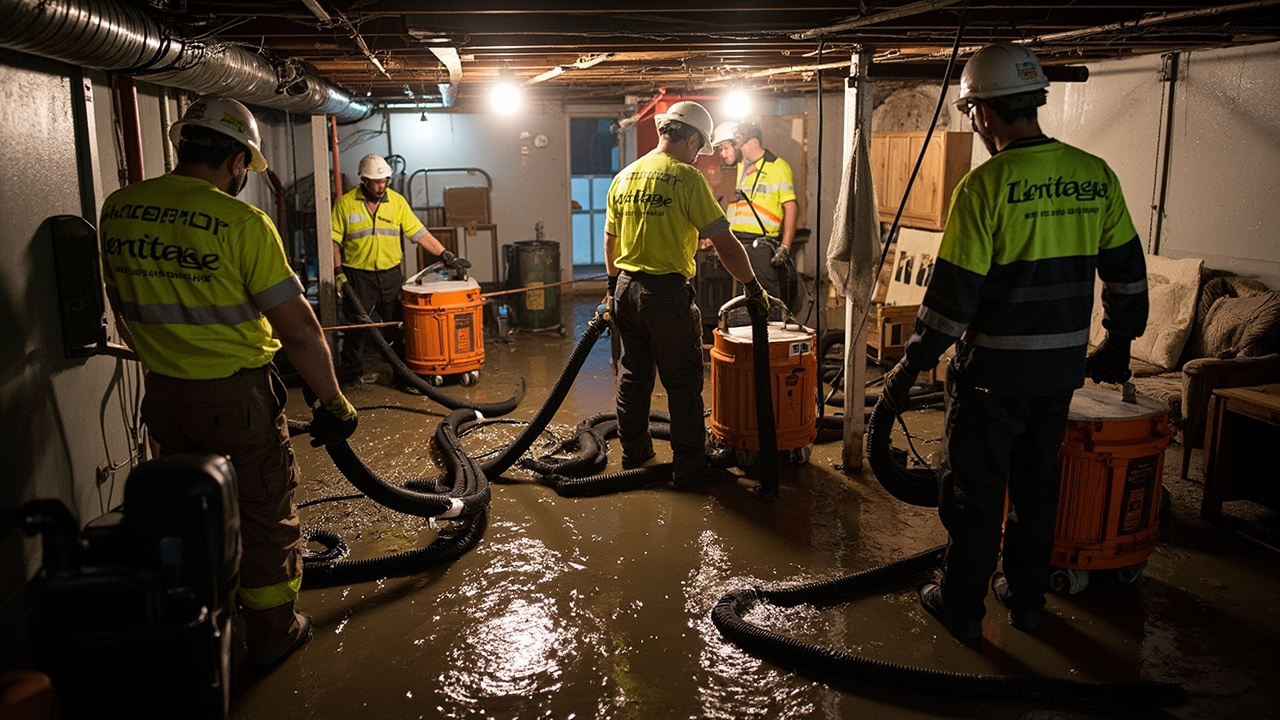
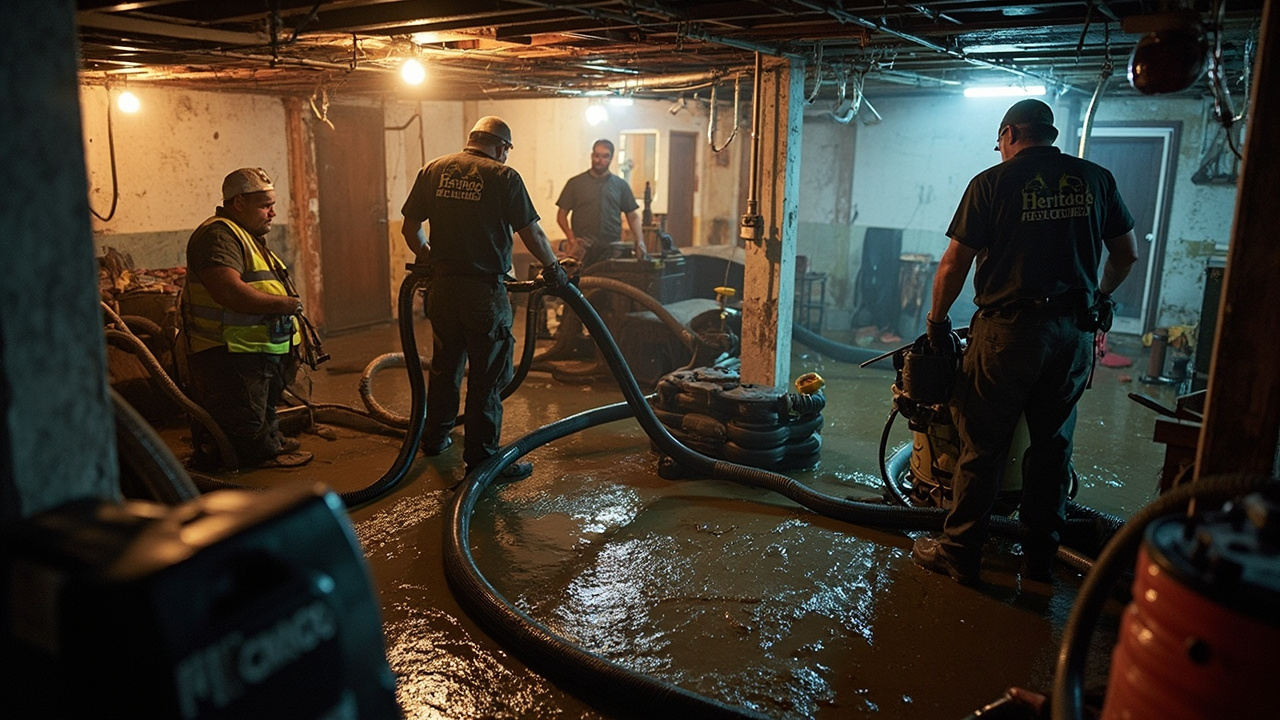
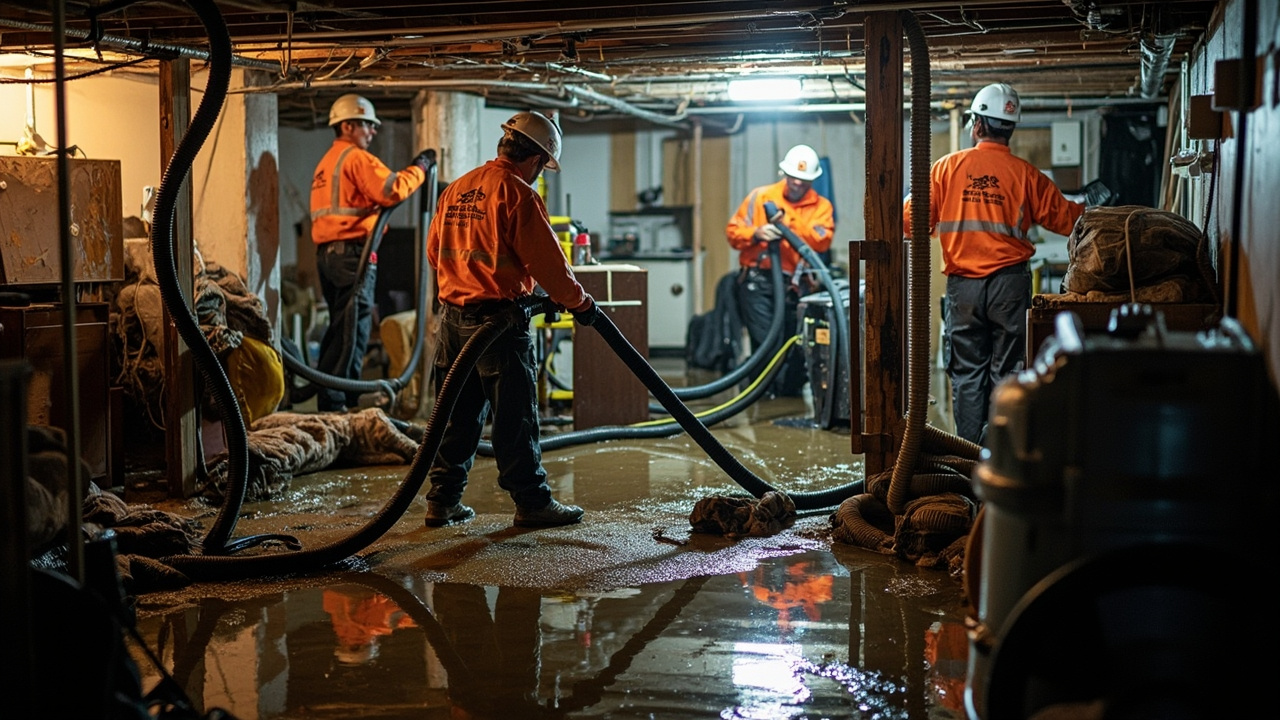
We deploy submersible pumps capable of moving thousands of gallons per hour. For shallow standing water, truck-mounted extraction units pull moisture from carpets and padding without oversaturating materials further. This is basement water extraction at an industrial scale, not residential cleanup.

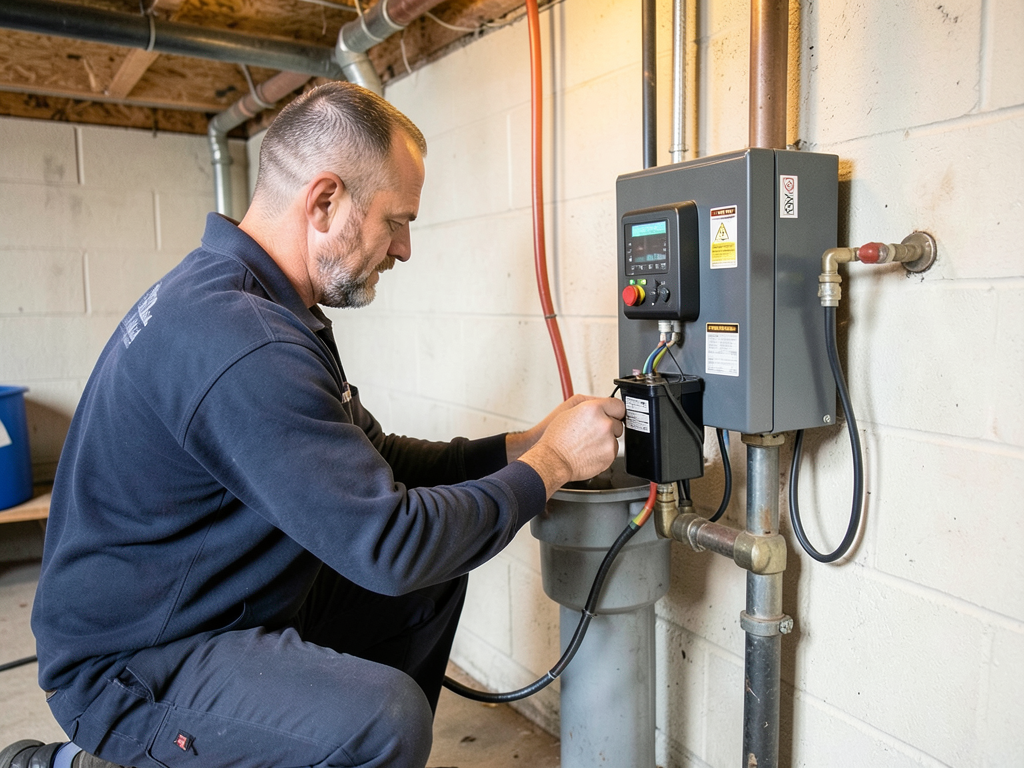
After visible water removal, we measure moisture content in structural materials using pin-type and non-invasive meters. Concrete slabs, wood joists, and wall studs all have different moisture thresholds. We track these readings daily to ensure drying progresses correctly.

Dehumidification comes next. We place low-grain refrigerant dehumidifiers and desiccant units strategically based on airflow patterns and moisture load. Air movers create circulation that prevents stagnant pockets where mold thrives. This is not the same as pointing a fan at a wet spot.

Flooded basement pumping addresses the immediate crisis. Flooded basement remediation addresses the aftermath. We remove damaged materials that cannot be saved, treat salvageable surfaces with antimicrobial agents, and document moisture levels for insurance claims.

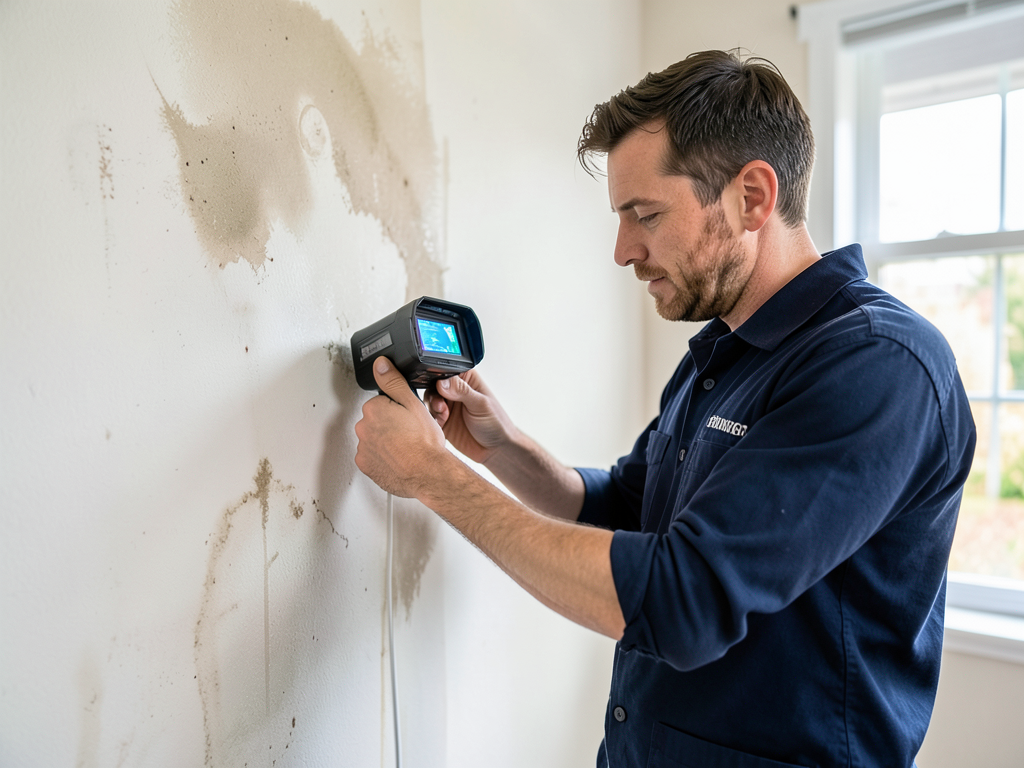
Liberty Water Damage Restoration Riverside uses thermal imaging to identify moisture in wall cavities and beneath flooring. Water follows the path of least resistance, often traveling far from the entry point. Without thermal imaging, you are guessing where moisture hides.

We also inspect for sewage contamination. Floodwater often carries bacteria, chemicals, and waste. If your sump pump failed or a drain backed up, you are dealing with Category 3 water, which requires specialized cleaning protocols and disposal methods.

What Happens During Our Basement Flood Restoration Process

Basement Flood Cleanup in Greenwich – Fast Extraction and Complete Restoration for Flooded Spaces
01

Emergency Water Extraction

We arrive with submersible pumps and truck-mounted extraction units to remove standing water within hours of your call. Our team identifies the water source, stops active intrusion if possible, and begins flooded basement pumping immediately. We document water levels and contamination type for your insurance claim while extraction equipment runs continuously until standing water is eliminated.
02

Structural Drying and Monitoring

After basement water extraction, we place industrial dehumidifiers and air movers to pull moisture from walls, floors, and contents. Moisture meters track drying progress in concrete, wood, and drywall daily. We adjust equipment placement based on readings to ensure even drying. This phase typically runs three to five days, depending on saturation levels and basement size.
03

Cleaning and Restoration

Once moisture levels return to normal, we clean and sanitize all affected surfaces using EPA-registered antimicrobial treatments. Damaged materials that cannot be saved are removed and disposed of properly. We restore your basement to pre-flood condition, including replacing drywall, insulation, and flooring. Final moisture verification ensures no hidden dampness remains that could cause future mold growth.

Why Greenwich Property Owners Choose Liberty Water Damage Restoration Riverside

Greenwich's mix of historic homes and newer construction requires different approaches to flooded basement remediation. A 1920s stone foundation behaves differently than a 1990s poured concrete basement. We adjust our methods based on your specific structure.

Older Greenwich homes often have rubble foundations with limited waterproofing. Water enters through mortar joints and fieldstone gaps. These basements need careful extraction to avoid disturbing loose stone. Modern homes might have French drains and sump systems that failed during the flood. We diagnose why protective systems did not work and recommend fixes.

Local building codes in Greenwich require specific mold remediation protocols when water damage affects more than ten square feet. We follow Connecticut Department of Public Health guidelines for containment, removal, and clearance testing. This keeps you compliant and protects your family.

We work directly with insurance adjusters who handle claims in Fairfield County. They know our documentation standards and trust our moisture readings. This speeds up your claim approval and reduces back-and-forth disputes over scope.

Greenwich's coastal location means salt air accelerates corrosion on metal components exposed during flooding. We inspect HVAC systems, water heaters, and electrical panels for corrosion damage that might not show up immediately but will cause failures later.

Our response time matters when you have a flooded basement. We serve Greenwich from our nearby location, which means we arrive faster than regional competitors dispatching from outside the area. Faster arrival means less water absorption and lower restoration costs.

Liberty Water Damage Restoration Riverside maintains relationships with local plumbers, electricians, and foundation specialists. If your flood exposed underlying issues like failed sump pumps or foundation cracks, we coordinate repairs with trusted local contractors.

What to Expect During Your Basement Flood Cleanup

Immediate Response and Arrival Time

We answer calls 24 hours a day, every day of the year. When you call about a flooded basement, you speak with someone who can dispatch a crew immediately, not an answering service that takes messages. Our average arrival time in Greenwich is under 90 minutes for emergency calls. We bring full extraction and drying equipment on the first visit, not just an inspector who schedules work for later. Time matters when water is spreading through your basement, so we prioritize fast mobilization over appointment scheduling.

Initial Assessment and Moisture Mapping

Our technicians perform a complete basement inspection using moisture meters and thermal cameras to identify all affected areas, not just visible water. We classify the water contamination level, measure humidity and temperature, and document damage with photos and detailed notes. You receive a written scope of work that outlines what needs extraction, what needs drying, and what needs replacement. We explain our findings in plain terms and answer questions about the restoration process before equipment placement begins.

Drying Standards and Completion Verification

We follow IICRC S500 standards for water damage restoration, which means we dry materials to specific moisture content levels, not just until they feel dry. Concrete should read below 4.5 percent on a moisture meter. Wood framing should return to 12 to 15 percent. We take daily readings and provide you with a drying log that shows progress. Restoration only begins after verification readings confirm materials have reached acceptable moisture levels, preventing future mold growth and material failure.

Post-Restoration Monitoring and Prevention Guidance

After completing basement flood restoration, we provide a final walkthrough that explains what was done and what to watch for in the coming weeks. We offer guidance on sump pump maintenance, drainage improvements, and humidity control to reduce future flood risk. If any materials show signs of moisture return within 30 days, we investigate at no charge to ensure drying was complete. We also provide documentation for your records and insurance company, including before and after photos, moisture logs, and itemized work summaries.

Frequently Asked Questions

You Have Questions,
We Have Answers

How to clean up after a flooded basement? +

First, shut off electricity to the basement to prevent shock hazards. Stop the water source if possible. Remove standing water with a sump pump or wet vac. Pull out soaked materials like rugs, cardboard, and damaged items within 24 hours to prevent mold. Open windows and run fans to increase airflow. Document all damage with photos for insurance claims. Do not use bleach on porous surfaces. For significant flooding or contaminated water, call a water damage restoration professional. Greenwich's humid climate accelerates mold growth, so speed matters. Many homeowners underestimate hidden moisture in drywall and insulation, which leads to long-term problems.

How much does it cost to clean up a flooded basement? +

Cleanup costs in Greenwich typically range from a few hundred dollars for minor surface water to several thousand for extensive structural damage. Factors include water volume, contamination level, affected square footage, and duration of exposure. Clean water from a burst pipe costs less than sewage backup, which requires specialized sanitization. Labor, equipment rental, drying time, and material disposal all impact price. Most homeowners insurance policies cover sudden water damage but not gradual leaks or flood zone events. Get a detailed written estimate before work begins. Emergency service rates apply for after-hours calls, which can add to total costs.

How much does Servpro cost to clean a basement? +

Servpro pricing varies based on damage severity, square footage, water category, and restoration scope. They typically do not publish fixed rates because each basement flood is unique. Expect charges for water extraction, drying equipment, antimicrobial treatment, and labor. Emergency response fees may apply for immediate service. Most franchises provide free inspections and written estimates. Ask for a breakdown of costs before authorizing work. In Greenwich, pricing may reflect higher operating costs compared to rural areas. Insurance often covers water damage restoration, so verify your policy limits and deductible. Compare multiple estimates to ensure fair pricing and service scope.

What type of professional fixes flooded basements? +

A water damage restoration specialist or certified flood cleanup contractor handles basement flooding. These professionals use industrial pumps, dehumidifiers, air movers, and moisture meters to extract water and dry structures. They assess contamination levels, remove damaged materials, and apply antimicrobial treatments to prevent mold. Look for IICRC certification, which ensures proper training in water damage protocols. In Greenwich, many restoration companies also coordinate with insurance adjusters to streamline claims. Plumbers fix the source if pipes caused the flood. Mold remediation specialists handle growth that exceeds ten square feet. Choose a licensed, insured contractor with local references and 24/7 emergency response.

How Greenwich's Coastal Water Table Affects Basement Flooding Patterns

Greenwich's proximity to Long Island Sound creates a high water table that fluctuates with tidal cycles and seasonal rainfall. During king tides and nor'easters, groundwater pressure increases beneath basement floors, forcing water through foundation cracks and failed floor drains. Many Greenwich basements were built before modern waterproofing standards existed, which means hydrostatic pressure pushes water through walls and floors during heavy rain events. This makes flooded basement water removal particularly challenging because water continues to seep in until groundwater levels drop, requiring continuous pumping and specialized sealing techniques.

Connecticut General Statutes Section 20-419 requires anyone performing mold remediation over ten square feet to follow specific containment and disposal protocols. Liberty Water Damage Restoration Riverside adheres to these state requirements and maintains certifications in water damage restoration and applied microbial remediation. Our familiarity with Greenwich building inspectors and local insurance adjusters means we document work to standards they expect, which speeds approvals and reduces claim disputes. Choosing a local provider who understands Connecticut regulations protects you from compliance issues and ensures proper restoration procedures.

Water Damage Restoration Services in The Greenwich Area

Our service area is designed to cover the entire region, ensuring that no matter where you are, we can get to you quickly and efficiently. We invite you to view our location on the map and see our central hub, from which we dispatch our rapid response teams. We are committed to serving our local community with speed, expertise, and a dedication to quality that you can always rely on.

Address:
Heritage Water Damage Restoration Greenwich, 145 Mason St, Greenwich, CT, 06830

Additional Services We Offer

Our news updates

Latest Articles & News from The Blogs

Understanding the difference between rain damage and storm surge in Lucas Point Storm surges push saltwater inland at high speeds…

Understanding the difference between rain damage and storm surge in Lucas Point

Understanding the difference between rain damage and storm surge in Lucas Point Storm surges push saltwater inland at high speeds…

Salvaging designer wallpaper after a minor water leak in your Greenwich dining room

Salvaging Designer Wallpaper After a Minor Water Leak in Your Greenwich Dining Room When water seeps behind your designer wallpaper,…

Why you should never touch the standing water in your flooded basement yourself

Why you should never touch the standing water in your flooded basement yourself Standing water in your Greenwich basement is…

Contact Us

Do not let water damage become mold contamination and structural decay. Call Liberty Water Damage Restoration Riverside at (475) 320-3777 right now. We will have a crew at your Greenwich property within 90 minutes with professional extraction equipment and a plan to get your basement dry.