

menu

Sewage Backup Cleanup in Greenwich – 24/7 Emergency Response to Protect Your Property and Health

When raw sewage floods your Greenwich home or business, you need immediate sewage removal and remediation from certified technicians who understand local drainage systems and can restore safety in hours, not days.

Slider Image 1
Slider Image 2
Slider Image 3
Slider Image 4
Slider Image 5
Slider Image 7
Slider Image 8
Slider Image 9
Slider Image 10
Slider Image 11

Why Greenwich Properties Face Unique Sewage Backup Risks

Greenwich sits in a region where aging sewer infrastructure meets modern development pressure. Many properties in historic neighborhoods still rely on original clay pipe systems that crack under freeze-thaw cycles and root intrusion. When heavy rainfall overwhelms combined sewer systems, backflow valves fail, and raw sewage enters basements and ground floors.

You smell it before you see it. That unmistakable odor signals contaminated water carrying bacteria, viruses, and parasites. Sewage backup is not a maintenance issue you can postpone. Category 3 water contains E. coli, hepatitis A, and other pathogens that pose immediate health risks to everyone in the building.

Greenwich's proximity to tidal waterways complicates drainage. High groundwater tables during spring thaw push against aging lateral lines. When tree roots from mature oaks and maples penetrate terracotta pipes, blockages form slowly until a single flush triggers a catastrophic backup. Older homes in the Belle Haven and Riverside areas experience this more frequently due to infrastructure installed before modern code standards.

Sewage remediation requires containment, extraction, disinfection, and material removal. You cannot clean sewage damage with household products. Porous materials like drywall, insulation, and carpeting absorb contaminated water within minutes. Without proper sewer backup cleaning, mold colonies establish within 24 to 48 hours, compounding health risks and restoration costs.

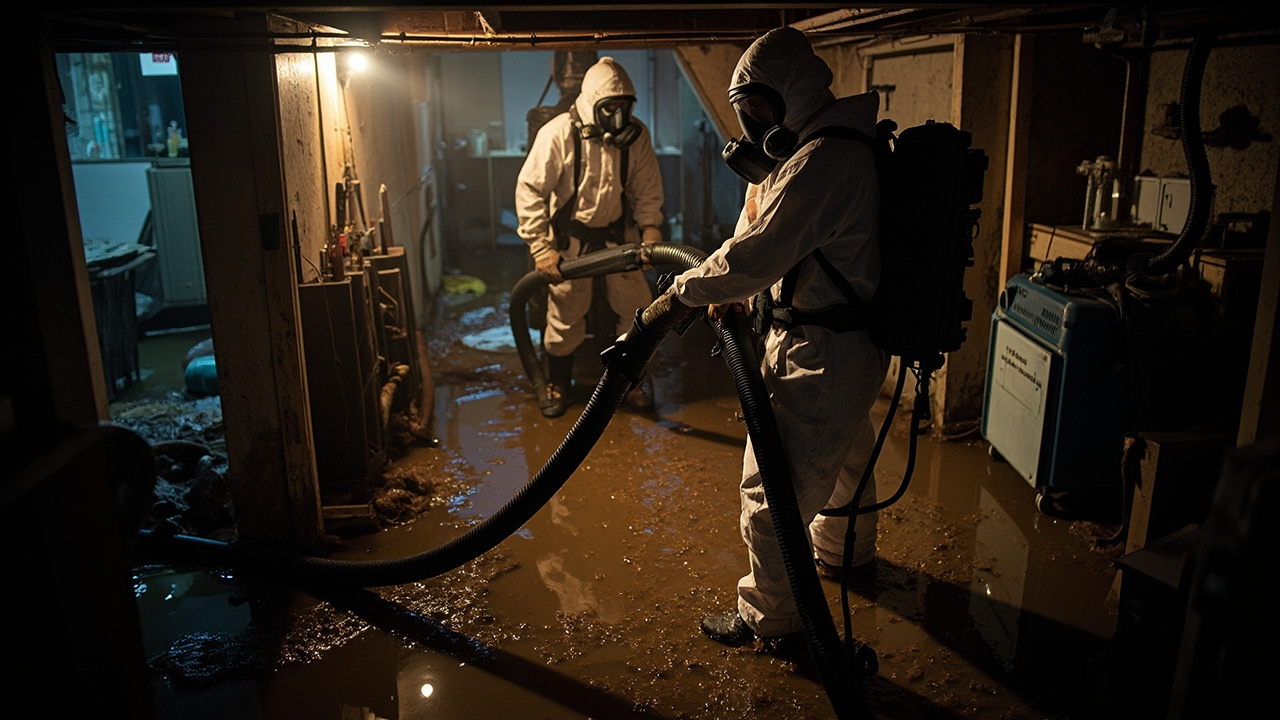
Raw sewage cleanup is not a DIY project. Exposure without proper PPE can lead to serious illness. Professional sewage damage restoration teams use hospital-grade antimicrobial treatments and negative air pressure to prevent cross-contamination during extraction and disposal.

Why Greenwich Properties Face Unique Sewage Backup Risks
How Professional Sewage Removal Protects Your Greenwich Property

How Professional Sewage Removal Protects Your Greenwich Property

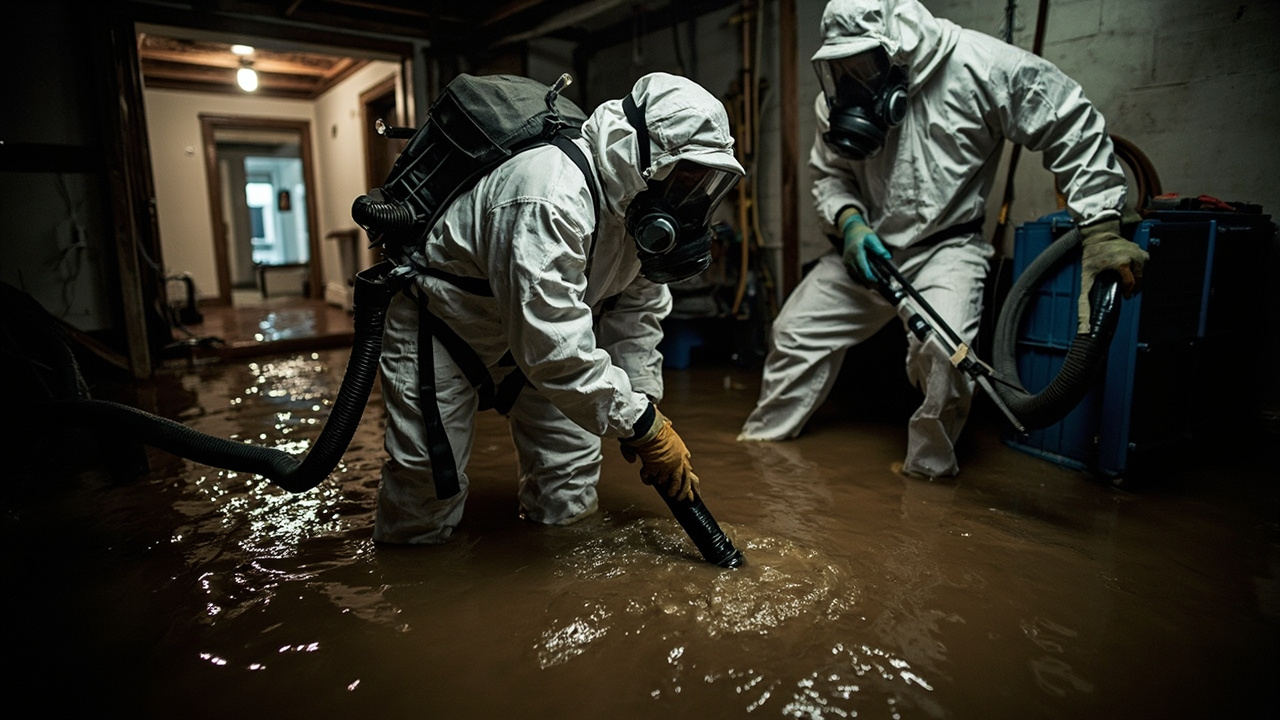
Sewage backup cleanup starts with safety containment. Technicians establish physical barriers to isolate the affected zone, preventing contamination spread to unaffected areas. Power to the impacted space gets shut down to eliminate electrocution risks from standing water.

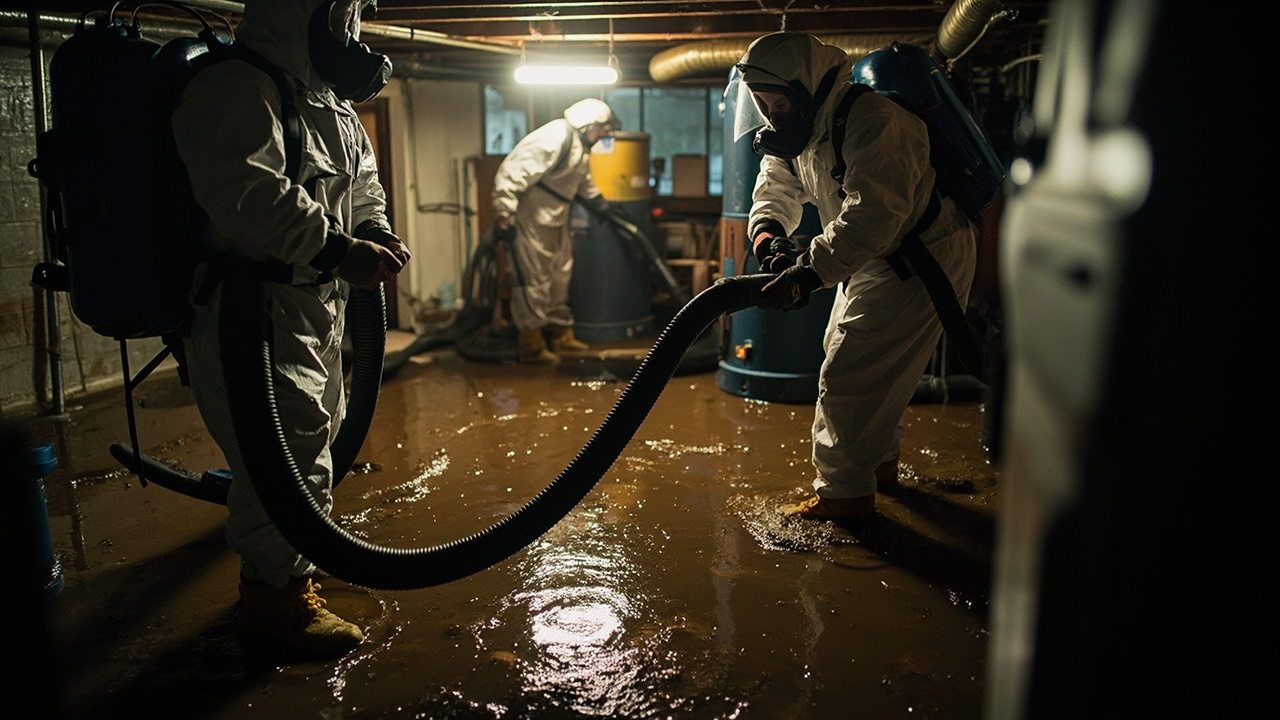
Extraction equipment removes standing sewage and saturated materials. Truck-mounted pumps handle large volumes quickly, while portable extractors target trapped water in crawl spaces and subflooring cavities. Every gallon of contaminated water gets disposed of according to local sanitation codes, not dumped into storm drains or yards.

After extraction, structural drying begins. Industrial air movers and dehumidifiers pull moisture from framing lumber, concrete slabs, and wall cavities. Moisture meters track progress across multiple zones. You cannot visually confirm dryness. Wood studs may read 18% moisture content on the surface while interior fibers hold 40%. Incomplete drying guarantees mold growth and wood rot within weeks.

Antimicrobial application follows EPA-registered protocols. Surfaces get treated with quaternary ammonium compounds or hydrogen peroxide solutions that eliminate bacteria and viruses on contact. HEPA filtration runs continuously during demolition to capture airborne pathogens and particulates.

Material removal focuses on non-salvageable items. Drywall wicks sewage up to 24 inches above the waterline through capillary action. Insulation compresses and loses R-value permanently when saturated. Baseboards and carpet padding harbor bacteria even after surface cleaning. These materials get bagged, labeled as biohazard waste, and removed.

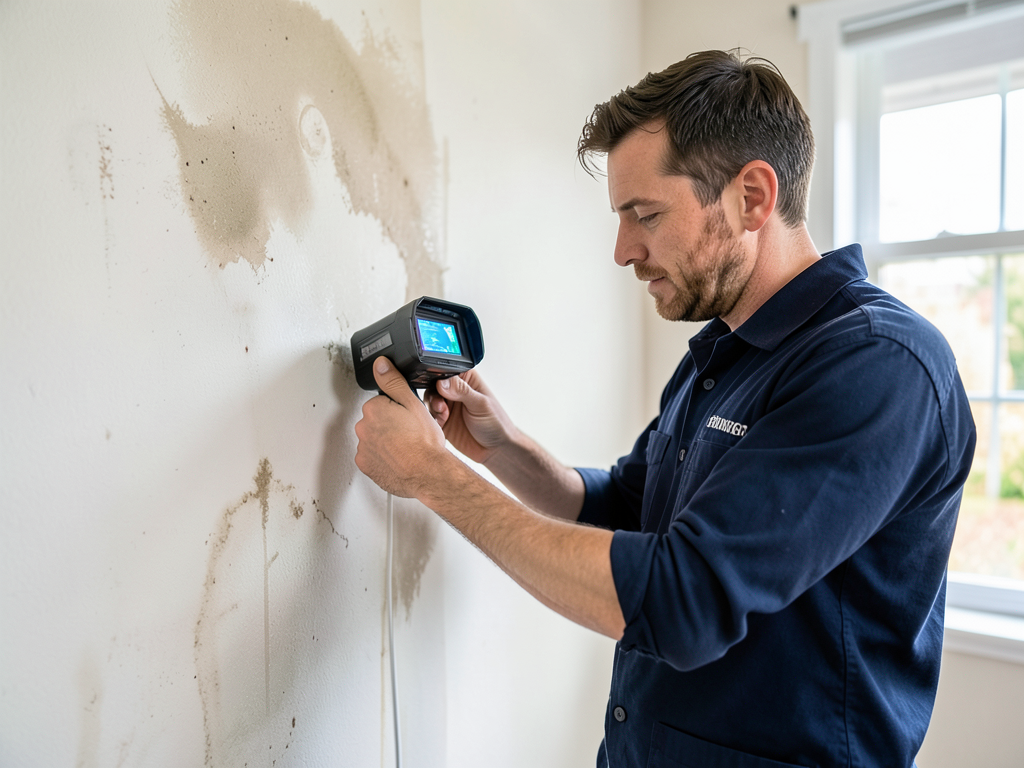
Liberty Water Damage Restoration Riverside uses thermal imaging to identify hidden moisture pockets behind cabinets and inside wall assemblies. Missing a wet zone leads to secondary damage that surfaces weeks later, requiring a second remediation cycle and additional expense.

What Happens During Your Sewage Backup Emergency

Sewage Backup Cleanup in Greenwich – 24/7 Emergency Response to Protect Your Property and Health
01

Immediate Containment and Assessment

Within 60 minutes of your call, technicians arrive with containment barriers and extraction equipment. We shut off water supply lines, document the damage with photos and moisture readings, and establish a safe work zone. You receive an initial assessment explaining contamination extent, affected materials, and projected restoration timeline before any work begins.
02

Extraction and Disinfection

Truck-mounted pumps remove standing sewage while technicians bag and remove saturated porous materials. Every surface that contacted sewage gets treated with EPA-registered antimicrobials. HEPA air scrubbers run continuously to capture airborne bacteria and odor molecules. We monitor air quality and surface contamination levels to confirm disinfection effectiveness before moving to the drying phase.
03

Structural Drying and Verification

Industrial dehumidifiers and air movers run 24/7 until moisture meters confirm all structural materials meet dry standards. We take daily readings and adjust equipment placement based on progress. Once framing lumber, concrete, and subfloors reach acceptable moisture levels, we provide documentation showing your property is safe for reconstruction. This data supports insurance claims and prevents future mold disputes.

Why Greenwich Property Owners Choose Local Sewage Remediation Experts

Sewage emergencies do not wait for business hours. A backup at 2 AM on Sunday requires the same rapid response as a weekday afternoon event. Liberty Water Damage Restoration Riverside maintains 24/7 dispatch because we understand that every hour sewage remains in your property increases health risks and restoration costs.

Greenwich's building stock ranges from 1920s colonials to modern commercial spaces. Each structure type requires different remediation approaches. Older homes often lack vapor barriers and have horsehair plaster that wicks moisture differently than modern drywall. Commercial properties need coordination with health departments and may require temporary closure documentation. We have cleaned sewage backups in Belle Haven estates, Cos Cob retail spaces, and Old Greenwich apartment buildings. This experience means we anticipate structural quirks before they complicate the restoration process.

Local sewage systems vary by neighborhood. Some areas connect to municipal treatment plants while others rely on private septic systems. A backup from a failing septic tank requires different remediation protocols than a municipal main blockage. We work with Greenwich public works departments and private septic contractors to identify the source while we handle the interior cleanup. This coordination prevents recurring backups and addresses root causes.

Insurance claims for sewage damage involve specific documentation requirements. Adjusters need moisture readings, contamination classifications, and material disposal manifests. We photograph every phase, log equipment runtime, and provide detailed estimates that separate emergency mitigation from reconstruction. This documentation helps you maximize coverage and speeds up the claims process.

You want your property restored correctly the first time. Shortcuts lead to lingering odors, hidden mold growth, and failed inspections. We follow IICRC S500 standards for water damage restoration and OSHA guidelines for biohazard handling. These are not suggestions. They are the proven protocols that protect your health and your investment.

What to Expect During Sewage Backup Restoration

Emergency Response Timeline

You reach us any time at (475) 320-3777. We dispatch a crew within one hour for Greenwich emergencies. Sewage creates immediate health hazards, so we prioritize rapid containment over scheduled appointments. Our trucks carry extraction equipment, antimicrobials, and containment barriers so work begins on arrival. You receive an initial assessment within the first hour explaining damage extent, immediate actions needed, and projected restoration timeline. We do not leave you guessing about next steps or costs.

Comprehensive Damage Assessment

Initial assessments cover visible damage, but sewage travels through floor joists, wall cavities, and HVAC ducts. We use thermal imaging cameras to map moisture migration and identify hidden saturation. Moisture meters provide quantified readings in wood framing, concrete slabs, and behind tile. You receive a written scope detailing affected materials, contamination classification, and recommended actions. This assessment includes photos and diagrams showing exactly what needs removal versus what can be salvaged through professional cleaning and disinfection.

Documented Restoration Results

Sewage remediation is not complete when it looks clean. We track moisture levels daily and document when structural materials reach dry standards. You receive final reports showing before and after moisture readings, confirming your property meets safe levels for reconstruction. Air quality testing verifies we eliminated airborne bacteria and odor compounds. This documentation protects you if future buyers question past water events and provides insurance companies with the evidence they need to close claims efficiently.

Post-Remediation Support and Prevention

After restoring your property, we provide maintenance recommendations to prevent future backups. This includes backflow valve inspection schedules, lateral line camera inspection referrals, and sump pump maintenance protocols. We coordinate with your plumber or septic contractor to address the source issue while we handle interior restoration. If you experience odor recurrence or suspect hidden moisture, we return to reassess at no charge within 30 days of project completion. Proper sewage cleanup eliminates problems permanently, not temporarily.

Frequently Asked Questions

You Have Questions,
We Have Answers

How to clean up after sewer back up? +

Stop and evacuate the area immediately. Do not touch sewage. Call a professional restoration company to handle cleanup. They will extract contaminated water, remove damaged materials, apply antimicrobial treatments, and dry affected areas with industrial equipment. Never attempt DIY cleanup. Sewage contains dangerous pathogens like E. coli, hepatitis, and salmonella. You need proper protective gear, EPA-registered disinfectants, and commercial-grade extraction equipment. Greenwich homes with older pipe systems or properties near tidal areas face higher contamination risks. Professional teams follow IICRC protocols to restore your home safely and prevent long-term health hazards.

Is it safe to stay in a house with sewage backup? +

No. Evacuate immediately. Sewage contains harmful bacteria, viruses, and parasites that cause serious illness through skin contact, inhalation, or ingestion. Airborne pathogens spread quickly through HVAC systems. Children, elderly residents, and anyone with compromised immune systems face elevated risks. Category 3 water contamination requires professional remediation before reoccupation. Do not sleep, eat, or spend time in affected areas. Greenwich properties with finished basements or lower-level living spaces need immediate professional assessment. Respiratory issues and infections develop rapidly in contaminated environments. Wait for clearance from your restoration contractor before returning home.

How much does sewage backup cleanup cost? +

Sewage cleanup costs vary based on contamination extent, affected square footage, and structural damage. Basement backups typically range from hundreds to several thousand dollars. Multiple rooms or extended flooding increases costs. Factors include water extraction volume, material removal, antimicrobial treatment, deodorization, and drying time. Greenwich homes with stone foundations or hardwood floors may face higher restoration costs. Insurance coverage varies by policy. Document everything with photos and contact your carrier immediately. Most restoration companies work directly with insurers. Acting fast reduces costs. Sewage left untreated for 48 hours causes exponentially more damage and requires extensive remediation.

How to get rid of sewer smell after a backup? +

Professional odor elimination requires identifying and removing the source. Sewage smell persists when contaminated materials remain. Restoration technicians use hydroxyl generators, ozone treatments, and thermal fogging to neutralize odors at the molecular level. Surface cleaning alone does not work. Porous materials like drywall, insulation, and subflooring absorb sewage and must be removed. Greenwich humidity compounds odor problems. Proper ventilation and dehumidification are essential. Do not mask smells with air fresheners. That signals incomplete remediation. Professional antimicrobial treatments kill odor-causing bacteria. Complete drying and disinfection eliminate smells permanently. If odors persist, contamination remains.

How long do sewage bacteria last on surfaces? +

Sewage bacteria survive on surfaces for days to months depending on conditions. E. coli lives up to several weeks on hard surfaces. Salmonella persists for days. Viruses like hepatitis A survive months in moist environments. Porous materials harbor pathogens longer than non-porous surfaces. Greenwich humidity extends bacterial survival time. Temperature, moisture, and material type affect lifespan. This is why professional disinfection matters. EPA-registered antimicrobials kill pathogens on contact. Surface wiping alone does not eliminate microscopic contamination. Professional restoration teams test surfaces post-treatment to verify disinfection. Never assume surfaces are safe without proper antimicrobial treatment and verification.

Does homeowner insurance cover sewer backup? +

Standard homeowner policies typically exclude sewer backup unless you purchased separate coverage. Review your policy declarations page for sewer and drain backup endorsements. This optional coverage pays for damage from backed-up sewers, drains, or sump pumps. Costs vary but average around 50 dollars annually for substantial coverage. Many Greenwich homeowners add this after experiencing flooding during heavy storms. Without this endorsement, you pay out-of-pocket for all cleanup and repairs. Contact your insurance agent immediately after a backup regardless. Some policies cover resulting damage even if they exclude the backup itself. Document everything with photos before cleanup begins.

How long does it take to get sick from sewage exposure? +

Illness from sewage exposure occurs within hours to days. Gastrointestinal symptoms like nausea, vomiting, and diarrhea appear within six to 48 hours. Skin infections develop within 24 hours of contact. Respiratory issues emerge after inhaling airborne pathogens. Severe infections like leptospirosis show symptoms in two to 30 days. Children and elderly individuals get sick faster. If you contacted sewage, wash thoroughly with soap and hot water immediately. Monitor for fever, stomach cramps, or skin irritation. Seek medical attention if symptoms appear. Tell your doctor about sewage exposure. Greenwich residents should visit urgent care or emergency rooms immediately if exposed during cleanup attempts.

Can heavy rain cause a sewer backup? +

Yes. Heavy rain overwhelms combined sewer systems and causes backups in Greenwich homes, particularly in older neighborhoods near Long Island Sound. When stormwater exceeds system capacity, sewage reverses through floor drains and basement fixtures. Properties in low-lying areas or with aging lateral lines face the highest risk. Spring storms and hurricane season bring significant backup threats. Tree roots infiltrating pipes worsen the problem. Install a backwater valve to prevent reverse flow. Regular drain line inspections identify vulnerabilities before major rain events. If heavy rain causes a backup, contact a restoration company immediately. Standing sewage worsens rapidly in Greenwich humidity.

Who is responsible for blocked sewer drains? +

Responsibility depends on blockage location. Homeowners own lateral sewer lines from the house to the property line or main connection point. You pay for blockages in this section. The town of Greenwich maintains public sewer mains. If the blockage occurs in the municipal line, the town handles repairs. Determining responsibility requires a plumber to camera-inspect the line. Tree roots, grease buildup, and collapsed pipes cause most residential blockages. Shared lines in multi-unit properties complicate responsibility. Review your property deed and contact Greenwich Public Works if unsure. After a backup, act immediately regardless of responsibility. Sewage damage does not wait for liability determination.

Why is my sewer bill 200 dollars? +

This question confuses sewer service bills with sewage cleanup costs. Your municipal sewer bill covers wastewater treatment services, not emergency cleanup. Greenwich sewer rates vary by water consumption and property type. High bills result from increased usage, rate adjustments, or meter errors. Contact Greenwich Water Department for billing questions. Sewage backup cleanup is a separate emergency service you hire privately after contamination events. Restoration companies charge based on damage extent, not monthly utility rates. If you experienced a backup, your concern is immediate remediation costs and insurance claims, not your regular sewer bill. Focus on professional cleanup first to prevent health risks and structural damage.

How Greenwich's Aging Sewer Lines and Coastal Water Tables Complicate Sewage Backup Recovery

Greenwich's sewer infrastructure dates back to the early 1900s in established neighborhoods. Original terracotta and cast iron pipes deteriorate over decades, developing cracks where tree roots infiltrate and create blockages. The town's proximity to Long Island Sound means high groundwater tables, especially during spring runoff and heavy rain events. This hydrostatic pressure pushes against compromised lateral lines, forcing sewage back through floor drains and toilets. Homes in low-lying areas near the Mianus River and Byram Harbor experience backups more frequently when tidal surges coincide with stormwater overflow. Professional sewage damage restoration in Greenwich requires understanding these local conditions and how they affect both the initial backup and the drying process afterward.

Greenwich enforces strict health codes for sewage contamination. The town requires proper disposal documentation and certified biohazard handling for Category 3 water damage. Working with a restoration company that understands local regulations prevents compliance issues and speeds up the permitting process if reconstruction involves structural changes. Liberty Water Damage Restoration Riverside maintains relationships with Greenwich building officials and health inspectors, ensuring your remediation meets code requirements from the start. Local expertise matters when dealing with historic properties in preservation districts where material replacement requires specific approvals. We navigate these requirements while focusing on the urgent work of protecting your health and property.

Water Damage Restoration Services in The Greenwich Area

Our service area is designed to cover the entire region, ensuring that no matter where you are, we can get to you quickly and efficiently. We invite you to view our location on the map and see our central hub, from which we dispatch our rapid response teams. We are committed to serving our local community with speed, expertise, and a dedication to quality that you can always rely on.

Address:
Heritage Water Damage Restoration Greenwich, 145 Mason St, Greenwich, CT, 06830

Additional Services We Offer

Our news updates

Latest Articles & News from The Blogs

Understanding the difference between rain damage and storm surge in Lucas Point Storm surges push saltwater inland at high speeds…

Understanding the difference between rain damage and storm surge in Lucas Point

Understanding the difference between rain damage and storm surge in Lucas Point Storm surges push saltwater inland at high speeds…

Salvaging designer wallpaper after a minor water leak in your Greenwich dining room

Salvaging Designer Wallpaper After a Minor Water Leak in Your Greenwich Dining Room When water seeps behind your designer wallpaper,…

Why you should never touch the standing water in your flooded basement yourself

Why you should never touch the standing water in your flooded basement yourself Standing water in your Greenwich basement is…

Contact Us

Sewage contamination spreads every minute it remains in your property. Call (475) 320-3777 now for emergency sewage removal and remediation. Our crews are on standby 24/7 to contain the damage, protect your health, and start the restoration process immediately.