


menu

Sump Pump Failure Cleanup in Greenwich – 60-Minute Response for Flooded Basements

When your sump pump fails and your basement floods, Liberty Water Damage Restoration Riverside deploys certified technicians to Greenwich homes within one hour to extract standing water, prevent mold growth, and restore your property before structural damage sets in.

Slider Image 1
Slider Image 2
Slider Image 3
Slider Image 4
Slider Image 5
Slider Image 7
Slider Image 8
Slider Image 9
Slider Image 10
Slider Image 11

Why Sump Pumps Fail in Greenwich Basements

Your basement is flooded. The sump pump that was supposed to protect your foundation just quit. You need help now.

Greenwich sits in a flood-prone zone where seasonal storms dump heavy rainfall and snowmelt overwhelms aging drainage systems. Many homes in the Riverside and Old Greenwich neighborhoods were built on low-lying land near Long Island Sound, making basement flooding a recurring threat. When your sump pump stops working during a storm, water rises fast.

Sump pump failures happen for three main reasons in this area. First, power outages during severe weather kill the pump when you need it most. Second, older pumps clog with sediment from Greenwich's clay-heavy soil. Third, inadequate pump capacity cannot handle the volume of water seeping through foundation walls during spring thaws or hurricane season.

The result is the same. Standing water spreads across your basement floor, soaking into drywall, ruining stored belongings, and creating the perfect environment for mold growth within 24 to 48 hours. Sump pump overflow cleanup requires immediate action because every hour of delay increases restoration costs and health risks.

Water damage from broken sump pump failure does not wait for business hours. Neither do we. Our emergency sump pump cleanup services start with water extraction using truck-mounted pumps that remove thousands of gallons per hour. Then we address hidden moisture trapped in wall cavities and subfloors before structural rot begins. Sump pump backup water removal is time-sensitive work that requires industrial equipment and trained technicians who understand how water migrates through Greenwich's older home construction.

Why Sump Pumps Fail in Greenwich Basements
Our Sump Pump Failure Water Extraction Method

Our Sump Pump Failure Water Extraction Method

We do not mop floors and hope for the best. Broken sump pump water damage restoration follows a systematic protocol designed to remove all moisture, not just what you can see on the surface.

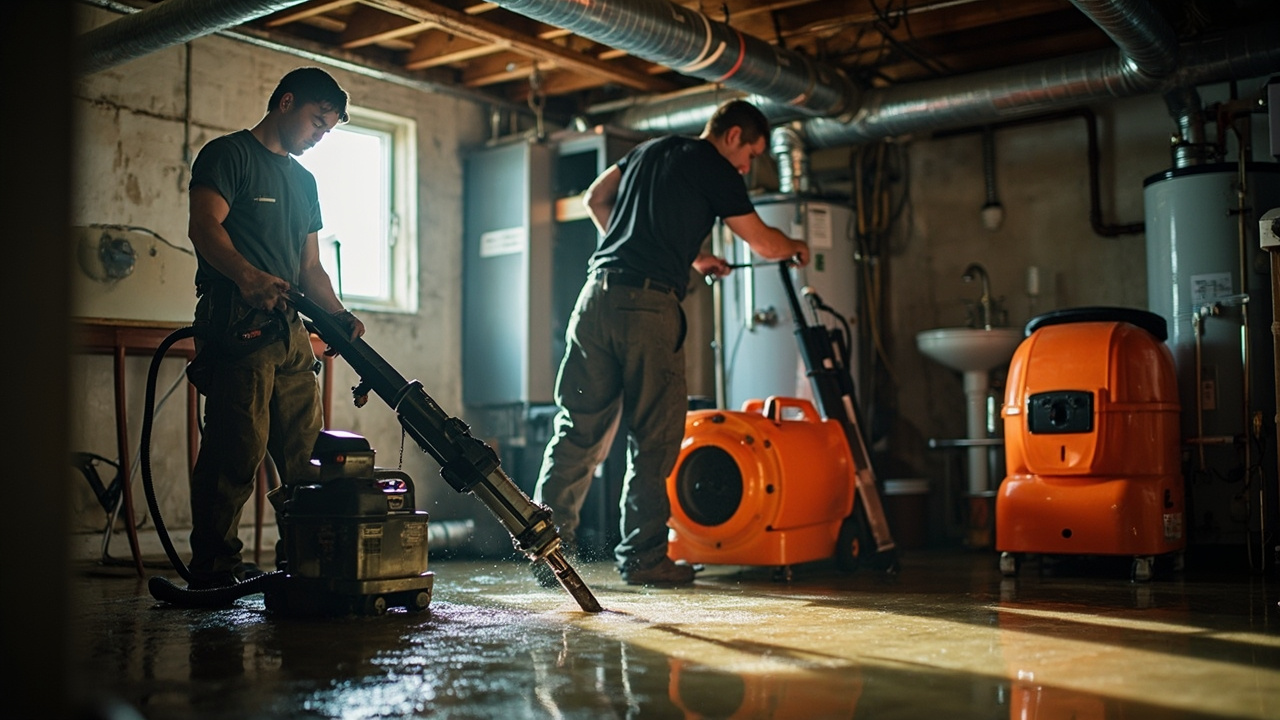
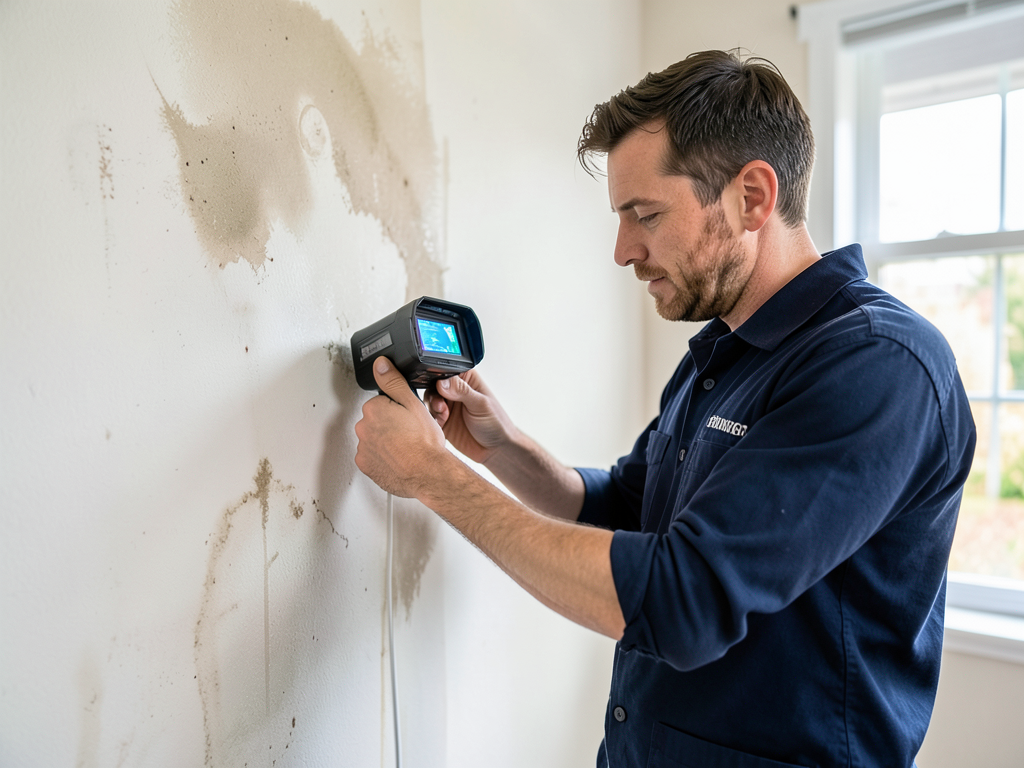
Our technicians arrive with truck-mounted extraction units that generate enough vacuum power to pull water from carpet padding, concrete pores, and subflooring. Portable pumps handle deep standing water first, clearing the basement so we can assess the full scope of damage. We use thermal imaging cameras to map moisture intrusion behind walls and under flooring, identifying wet building materials that will rot or grow mold if left untreated.

After extraction, we deploy commercial dehumidifiers and air movers strategically positioned to create controlled airflow patterns. This is not a single fan pointed at a wet spot. We calculate the grain depression required to dry your specific basement volume, then adjust equipment placement and drying times based on real-time moisture readings taken with penetrating moisture meters.

Antimicrobial treatments go on all affected surfaces to prevent mold colonization. We document moisture levels at multiple locations, creating a drying log that tracks progress until all readings return to normal. This documentation matters for insurance claims and proves the job was completed correctly.

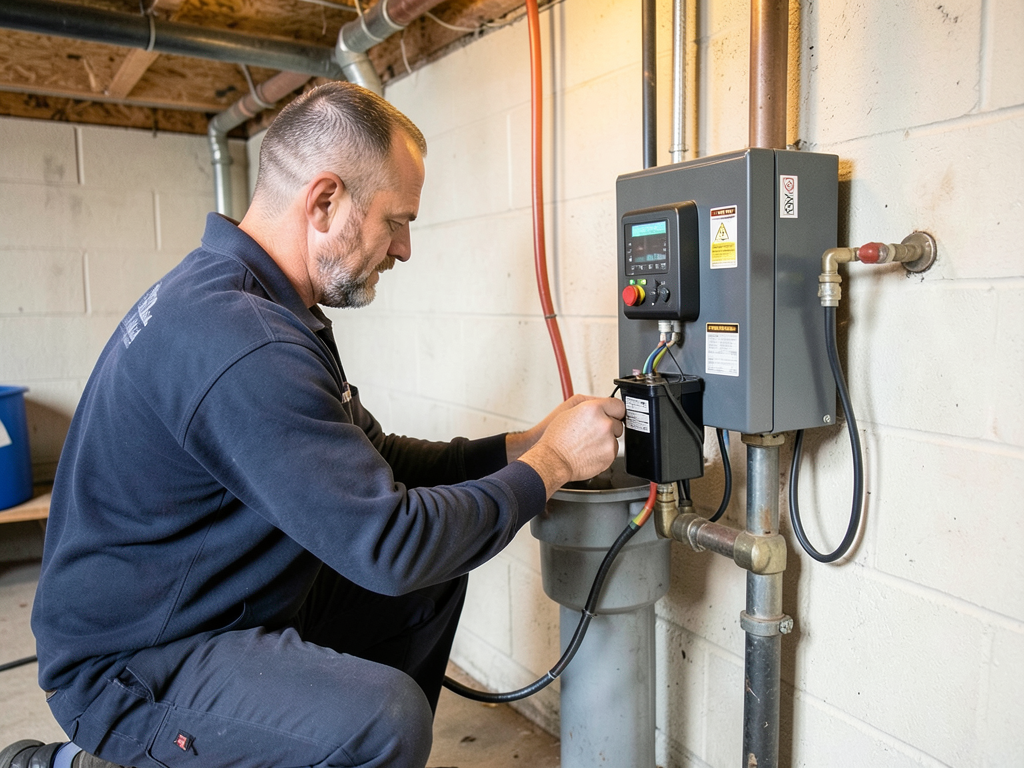
Sump pump failure water extraction also means identifying why the pump failed. We inspect the discharge line for blockages, test the float switch mechanism, and evaluate whether your current pump has adequate horsepower for your home's drainage needs. If the pump is undersized or the backup battery failed, we tell you exactly what needs replacement to prevent this nightmare from happening again.

What Happens During Emergency Basement Water Removal

Sump Pump Failure Cleanup in Greenwich – 60-Minute Response for Flooded Basements
01

Immediate Water Extraction

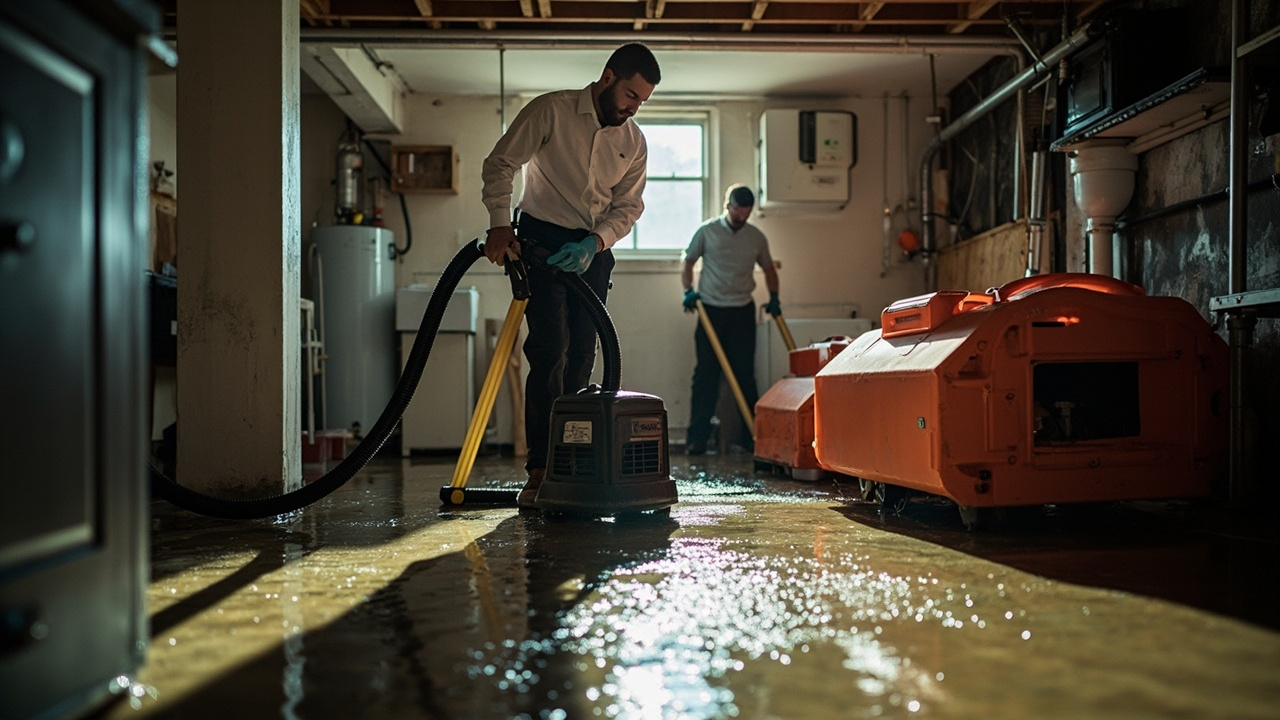
We arrive with truck-mounted pumps and portable extraction units to remove standing water from your basement. Our technicians clear debris from floor drains, extract water from carpets and padding, and pump out deep accumulation areas. Speed matters because the longer water sits, the more it wicks into walls and spreads contamination. We measure moisture content in flooring and walls to establish baseline readings for the drying process.
02

Structural Drying Setup

After extraction, we position industrial dehumidifiers and high-velocity air movers to create optimal drying conditions. Thermal imaging reveals hidden moisture pockets behind baseboards and inside wall cavities. We remove wet insulation, drill weep holes for drainage if needed, and set up containment barriers to prevent humidity from spreading to dry areas. Our equipment runs continuously, monitored by technicians who adjust settings based on humidity readings and drying progress.
03

Restoration and Prevention

Once moisture readings confirm complete drying, we apply antimicrobial treatments to prevent mold growth and begin repairs. Damaged drywall gets replaced, subflooring is restored, and we reinstall baseboards and trim. Before we finish, we inspect your sump pump system and recommend upgrades like battery backup systems or higher-capacity pumps. You get a detailed report documenting the entire restoration process for insurance purposes.

Why Greenwich Homeowners Choose Liberty Water Damage Restoration Riverside

You need a company that knows Greenwich homes and responds immediately when your sump pump fails at 2 a.m. during a nor'easter. We have restored basements in every neighborhood from Belle Haven to Byram, and we understand the specific challenges of this area's older housing stock and flood-prone geography.

Many Greenwich homes were built before modern waterproofing standards existed. Stone foundations, uneven settling, and inadequate drainage systems make these properties vulnerable when sump pumps fail. We know how to work around the quirks of older construction without causing additional damage. Our technicians recognize the difference between a minor backup and a catastrophic failure that requires emergency structural intervention.

We maintain response times under 60 minutes for Greenwich addresses because we position our trucks and equipment locally. When you call, you get a crew that is already nearby, not a dispatcher in another state scheduling you for next Tuesday. Our technicians carry water extraction equipment, moisture meters, and antimicrobial treatments on every truck, ready to start work the moment they arrive.

Insurance companies know our documentation standards. We photograph damage, log moisture readings, and provide detailed scope-of-work reports that streamline the claims process. You will not fight with your adjuster over whether the work was necessary. Our reports speak for themselves.

Liberty Water Damage Restoration Riverside also coordinates with local plumbers and electricians when repairs extend beyond water damage restoration. If your sump pump failure resulted from electrical problems or you need a new pump installed, we manage those subcontractors so you deal with one company, not three separate vendors showing up on different schedules.

What to Expect When You Call for Emergency Sump Pump Cleanup

Emergency Response Time

We dispatch crews to Greenwich locations within 60 minutes of your call, day or night. Our technicians carry full water extraction and drying equipment on every truck, eliminating delays for equipment pickup. You do not wait until morning for help. Flooded basements create mold conditions within 24 hours, so we treat every sump pump failure as a time-sensitive emergency. Our phones are answered by trained staff, not answering services, and you speak directly with someone who can deploy a crew immediately.

Damage Assessment Process

Our initial assessment includes thermal imaging to detect hidden moisture, moisture meter readings on all affected materials, and documentation of water levels and contamination sources. We categorize water damage by class and category to determine the correct restoration protocol. You receive a written scope of work before we begin, outlining what needs to be dried, what needs replacement, and the estimated timeline. This assessment includes photographs and moisture maps that satisfy insurance documentation requirements, giving you clear evidence for your claim.

Restoration Quality Standards

We dry your basement to industry-standard moisture levels, verified by daily meter readings logged in your project file. All affected surfaces receive antimicrobial treatment to prevent mold growth. Damaged materials are removed and replaced with matching materials when possible. We do not stop drying equipment until moisture readings confirm complete dryness, even if it takes longer than the initial estimate. Your basement is restored to pre-loss condition, not just superficially cleaned. Final walk-throughs ensure you understand what was done and why.

Follow-Up and Prevention Planning

After restoration, we provide a detailed report documenting the entire process, including before and after photos, moisture logs, and equipment runtime records. We also evaluate your sump pump system and recommend specific upgrades to prevent future failures, such as battery backup systems, higher-capacity pumps, or secondary pump installations. You receive maintenance recommendations tailored to your home's specific drainage challenges. If issues arise after completion, we return to address them. Our goal is not just fixing the current flood but preventing the next one.

Frequently Asked Questions

You Have Questions,
We Have Answers

How to clean up after sump pump failure? +

Stop water at the source immediately and shut off power to the sump pump area. Remove standing water using a wet vac or submersible pump. Extract water from carpets, padding, and drywall quickly to prevent mold growth. In Greenwich's humid climate, you have 24-48 hours before serious microbial activity begins. Move furniture and belongings to dry areas. Document all damage with photos for insurance claims. Deploy dehumidifiers and air movers to dry structural elements. If water exceeds a few inches or contains sewage, call a professional restoration team immediately. Speed matters.

How do you clean sludge out of a sump pump? +

Disconnect power and remove the sump pump from the pit. Scoop out thick sludge and debris with a plastic container or shop vac designed for wet material. Mix a solution of vinegar and water to scrub interior walls and the pit bottom. For heavy buildup, use a stiff brush to loosen sediment. Rinse thoroughly with clean water and remove all loose material. Greenwich homes with clay soil often see heavier sludge accumulation. Inspect the discharge line for clogs. Reinstall the pump and test operation before restoring power permanently.

How much does it cost to clean a sump pump pit? +

Professional sump pit cleaning typically ranges based on pit depth, sediment volume, and accessibility. Costs vary depending on whether you need pump removal, discharge line cleaning, or additional repairs. Many Greenwich restoration companies include pit inspection during routine maintenance visits. If your sump pump has failed and caused flooding, cleanup costs escalate significantly beyond simple pit maintenance. The price includes labor, disposal of contaminated material, and equipment. Regular annual cleaning prevents expensive emergency failures. Request quotes from local contractors familiar with Greenwich soil conditions for accurate pricing.

What to do when a sump pump fails? +

Cut power to the basement immediately to prevent electrical hazards. Remove standing water using a backup pump, wet vac, or professional extraction equipment. Contact your insurance company to report the loss before cleanup begins. Move valuables and electronics to higher ground. In Greenwich, spring snowmelt and heavy rainfall create high groundwater pressure, making pump failures catastrophic. Start drying within 24 hours to prevent mold colonization. If water damage is extensive or contaminated, call a certified water damage restoration company immediately. Document everything with photos and detailed notes for your claim.

Can I put a chlorine tablet in my sump pump? +

No. Chlorine tablets corrode metal pump components, degrade rubber seals, and void manufacturer warranties. While chlorine kills bacteria temporarily, it creates toxic fumes in enclosed spaces and damages your pump mechanics. For odor control in Greenwich sump pits, use diluted vinegar during manual cleaning or install a sealed lid to contain smells. If you smell sewage or persistent odors, the issue is likely a cracked discharge line or sewage intrusion requiring professional diagnosis. Proper pit maintenance and regular pump cycling prevent most odor problems without harsh chemicals.

How long does it take for mold to grow after flooding? +

Mold spores begin colonizing porous materials within 24 to 48 hours after water exposure. In Greenwich's coastal humidity, this timeline accelerates. Visible mold growth typically appears within 3 to 5 days on drywall, insulation, and wood framing. Carpets and padding grow mold even faster. Temperature, moisture content, and organic material availability all influence growth speed. Once mold establishes, remediation becomes expensive and disruptive. This is why immediate water extraction and aggressive drying are critical after sump pump failures. Delaying cleanup by even one day increases health risks and restoration costs significantly.

How to clean out a sump pump without removing it? +

Disconnect power first. Use a wet vac to remove standing water from the pit while the pump remains in place. Scoop debris around the pump base with a small container or garden trowel. Pour a vinegar and water solution into the pit to loosen sediment, then vacuum again. Use a long brush to scrub pit walls and around the pump float mechanism. Flush with clean water and extract repeatedly until water runs clear. This method works for light maintenance, but heavy sludge buildup in Greenwich's clay-rich soil often requires full pump removal for thorough cleaning.

What is the best cleaner for a sump pump? +

White vinegar mixed with water is the safest and most effective cleaner for sump pumps. Use a 1:1 ratio for general cleaning and descaling. Vinegar breaks down mineral deposits, kills bacteria, and neutralizes odors without damaging pump components or voiding warranties. Avoid bleach, chlorine tablets, or harsh chemical cleaners that corrode metal and degrade seals. For stubborn buildup, a stiff nylon brush works with vinegar to scrub pit walls and pump housing. Commercial enzymatic cleaners designed for septic systems can address organic sludge but read labels carefully to confirm pump compatibility before use.

What are the signs of a failing sump pump? +

Listen for unusual motor noises, grinding, or rattling during pump cycles. Watch for frequent on-off cycling, which signals a failing float switch or check valve issue. If your basement smells musty or you notice water stains on walls, the pump may not be activating properly. Visible rust on the pump housing or discharge pipes indicates corrosion and potential failure. In Greenwich, where spring thaw and heavy storms stress pumps, test your system monthly by pouring water into the pit. If the pump does not activate or runs continuously without shutting off, schedule immediate professional inspection.

What is the most common reason for sump pump failure? +

Stuck or malfunctioning float switches cause most sump pump failures. Debris, sludge, or improper installation prevent the float from triggering the motor. Power outages during storms rank second, leaving pumps inoperable when Greenwich homes need them most. Clogged discharge lines from freezing, root intrusion, or sediment buildup prevent water evacuation. Aging pumps lose efficiency after 7-10 years of operation. Lack of maintenance allows debris accumulation and mechanical wear. Installing a battery backup system and scheduling annual inspections prevent most failures. Test your pump monthly and clean the pit twice yearly.

How Greenwich's Coastal Geography and Aging Infrastructure Increase Sump Pump Failure Risk

Greenwich's location on Long Island Sound creates unique basement flooding risks. Coastal storm surge, combined with heavy rainfall, saturates the ground and overwhelms sump pump capacity in low-lying areas like Riverside and Old Greenwich. Many homes were built when building codes did not require adequate foundation waterproofing or proper sump basin sizing. Clay-heavy soil common throughout Fairfield County expands when wet, putting pressure on foundation walls and increasing water seepage. When aging sump pumps fail during peak demand, basements flood rapidly because the soil is already saturated and has nowhere else to drain.

Liberty Water Damage Restoration Riverside has restored hundreds of Greenwich basements and understands the specific challenges of this area's housing stock. We know which neighborhoods flood first during nor'easters, how to work around the tight spaces in older homes, and what local building inspectors expect during restoration work. Our technicians are trained on Connecticut mold remediation standards and use equipment calibrated for the high humidity levels common in coastal areas. Choosing a local restoration company means working with people who have dried basements in your neighborhood before and know exactly what works in Greenwich conditions.

Water Damage Restoration Services in The Greenwich Area

Our service area is designed to cover the entire region, ensuring that no matter where you are, we can get to you quickly and efficiently. We invite you to view our location on the map and see our central hub, from which we dispatch our rapid response teams. We are committed to serving our local community with speed, expertise, and a dedication to quality that you can always rely on.

Address:
Heritage Water Damage Restoration Greenwich, 145 Mason St, Greenwich, CT, 06830

Additional Services We Offer

Our news updates

Latest Articles & News from The Blogs

Understanding the difference between rain damage and storm surge in Lucas Point Storm surges push saltwater inland at high speeds…

Understanding the difference between rain damage and storm surge in Lucas Point

Understanding the difference between rain damage and storm surge in Lucas Point Storm surges push saltwater inland at high speeds…

Salvaging designer wallpaper after a minor water leak in your Greenwich dining room

Salvaging Designer Wallpaper After a Minor Water Leak in Your Greenwich Dining Room When water seeps behind your designer wallpaper,…

Why you should never touch the standing water in your flooded basement yourself

Why you should never touch the standing water in your flooded basement yourself Standing water in your Greenwich basement is…

Contact Us

Every hour your basement stays flooded increases damage and mold risk. Call Liberty Water Damage Restoration Riverside at (475) 320-3777 right now. Our crews are standing by with trucks ready to deploy to your Greenwich address within 60 minutes. Stop the damage before it gets worse.