
How to Protect Your Fine Art and Antiques During a Water Emergency
When water invades your Greenwich estate, every minute counts for your irreplaceable fine art and antiques. The humid coastal climate of Fairfield County creates unique challenges, with rapid mold growth threatening delicate materials within 24-48 hours. Your immediate actions can mean the difference between restoration and permanent loss of family heirlooms worth thousands or millions. Emergency Water Damage Restoration for Old Greenwich Coastal Homes.
Water damage to valuable items requires specialized knowledge that goes far beyond standard restoration. Fine art, rare books, antique furniture, and delicate textiles each demand specific handling protocols. The IICRC S500 Standard for Professional Water Damage Restoration provides the framework, but high-value items need white-glove treatment that only experienced specialists can provide. Professional Sewage Backup Cleanup and Sanitization for Cos Cob Residents.
The first 24 hours are critical. Mold spores begin colonizing organic materials immediately, and ink migration from wet documents can become irreversible within hours. Understanding these timeframes helps you make smart decisions when every second matters for your most precious possessions.
Immediate Triage: What to Do in the First 24 Hours
Before professionals arrive, your actions can significantly impact restoration success. Move paintings and framed art to a dry area, but never touch the painted surface. Wear clean cotton gloves when handling antiques to prevent oil transfer. Elevate furniture on blocks or aluminum foil to prevent staining from wet carpets. White Glove Water Damage Recovery for Belle Haven Estates.
Document everything with photos before moving items. This creates essential evidence for insurance claims and helps restoration specialists understand the extent of damage. For water-sensitive items like books and documents, avoid the instinct to separate pages immediately. Wet paper tears easily and can cause more damage than leaving items intact. Water Damage Restoration Meriden.
Control the environment as much as possible. If safe, reduce humidity by running air conditioning or dehumidifiers. The ideal range for most valuables is 45-55% relative humidity. Avoid direct heat sources, which can cause warping and cracking in wood and canvas materials.. Read more about Why fire sprinkler malfunctions cause more damage than you might think.
Emergency First Aid for Different Material Types
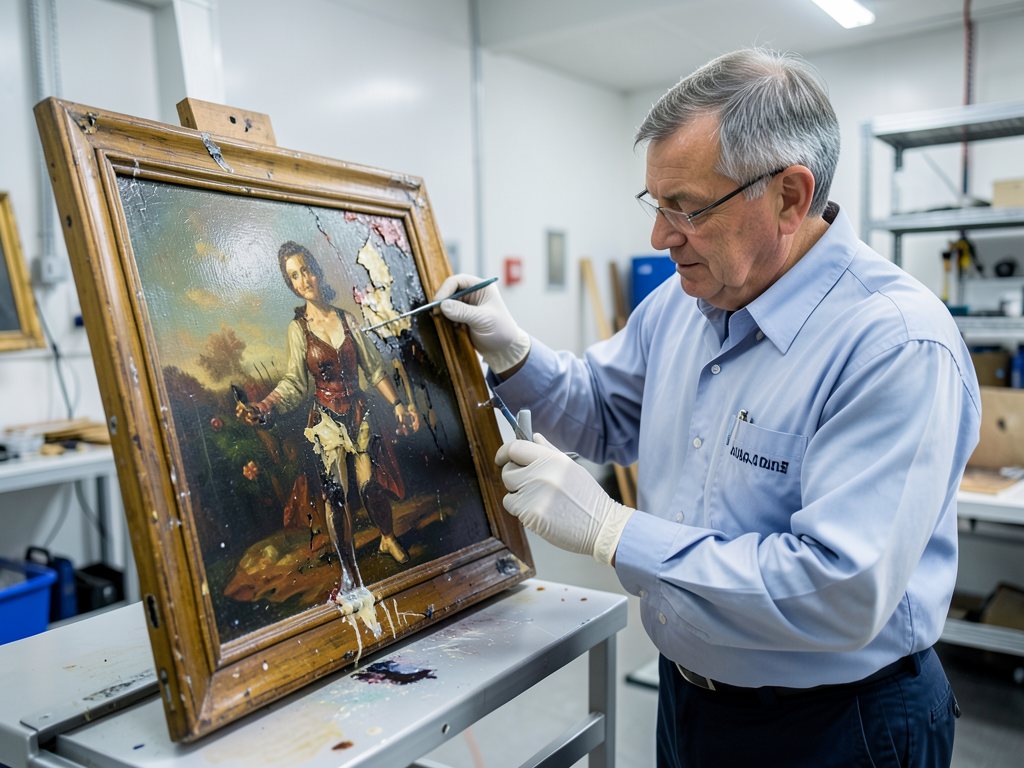
Oil paintings require immediate attention but delicate handling. Remove them from wet walls and lay flat on clean, absorbent material. Never touch the painted surface. For water that has wicked up from the bottom, the canvas may bubble or separate from the stretcher bars. This requires professional intervention to prevent permanent damage.
Antique furniture with water exposure needs careful assessment. Solid wood pieces may survive with proper drying, but veneered surfaces and glued joints are vulnerable. Remove drawers if possible to prevent sticking. For upholstered antiques, the frame is often more valuable than the fabric covering. Focus on protecting the structural elements first.
Textiles and tapestries present unique challenges. Wet fabric becomes extremely heavy and tears easily. Support items from underneath rather than lifting by edges. Mold growth in natural fibers accelerates rapidly in Greenwich’s coastal humidity, making professional cleaning essential even for items that appear salvageable.. Read more about Restoring Your Historic Greenwich Property After Water or Flood Damage.
Specialized Restoration Categories and Techniques
Different materials require vastly different restoration approaches. What works for a Persian rug will destroy a watercolor painting. Understanding these distinctions helps you communicate effectively with restoration professionals and make informed decisions about which items to prioritize.
Fine art restoration involves multiple specialized techniques. Canvas paintings may need relining, where a new canvas backing is attached to stabilize the original. Water-damaged frames often require careful disassembly and reassembly. The restoration process must maintain the artwork’s integrity and value, not just make it look better.
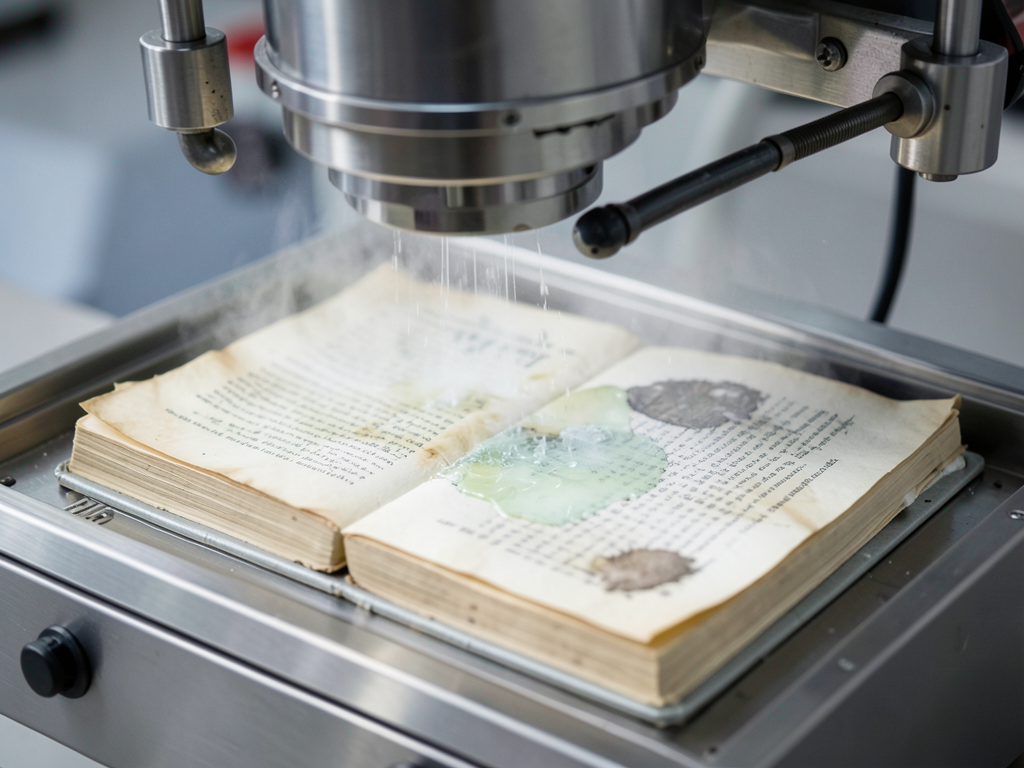
Document recovery has evolved significantly. Modern vacuum freeze-drying technology allows restoration of water-damaged books and papers without page distortion. This process involves freezing materials and then using sublimation to remove moisture without passing through the liquid state. It’s particularly effective for rare manuscripts and historical documents.
Electronics and Digital Media Recovery
Water-damaged electronics present unique challenges for Greenwich residents with sophisticated home automation systems. Hard drives, smart home controls, and entertainment systems all require specialized data recovery techniques. The key is immediate professional intervention before corrosion sets in.
Professional data recovery services use cleanroom environments and specialized tools to recover information from water-damaged devices. Even if the device itself cannot be restored, critical data may be salvageable. This includes family photos, financial records, and important documents stored digitally.. Read more about Why you cannot simply mop up a flood on your Greenwich marble or limestone floors.
Modern restoration includes ultrasonic cleaning for circuit boards and components. This technique uses high-frequency sound waves in specialized solutions to remove contaminants without damaging sensitive electronics. It’s particularly effective for items exposed to contaminated water or fire suppression systems.
The Science of Salvage: Technical Process
Professional restoration follows strict scientific protocols. The process begins with detailed documentation and assessment. Each item receives a condition report, and restoration priorities are established based on material type, damage extent, and item value.
Temperature and humidity control are critical throughout the process. Restoration facilities maintain precise environmental conditions to prevent secondary damage. The IICRC S500 Standard specifies that relative humidity should be maintained below 60% during restoration to prevent mold growth.
Desiccant dehumidification provides the most effective moisture removal for valuable items. Unlike standard dehumidifiers, desiccant systems can achieve much lower humidity levels without freezing. This makes them ideal for drying delicate materials like antique books and musical instruments.
Advanced Drying Technologies
Vacuum freeze-drying represents the gold standard for document and book recovery. This process involves freezing materials to below -20°F, then creating a vacuum environment where ice sublimates directly to vapor. The result is perfectly dried materials with no warping or page distortion.
Ultrasonic cleaning uses high-frequency sound waves to remove contaminants from intricate surfaces. This technique is particularly effective for jewelry, fine metals, and electronic components. The microscopic bubbles created by ultrasonic waves penetrate tiny crevices where manual cleaning cannot reach.
Hydroxyl generators provide safe odor removal without damaging sensitive materials. Unlike ozone generators, hydroxyl technology breaks down odor molecules at the molecular level without leaving harmful residues. This makes it safe for use around artwork, antiques, and textiles.
Navigating Insurance Claims for High-Value Items
Insurance claims for fine art and antiques require specialized documentation. Standard homeowner’s policies often have sub-limits for valuable items, typically $2,500 to $5,000. Collections exceeding these amounts need scheduled personal property endorsements or separate fine art policies.
Document your collection thoroughly before emergencies occur. Create a detailed inventory with photographs, purchase receipts, and professional appraisals. Store this information in multiple secure locations, including cloud storage. This documentation becomes invaluable when filing claims after water damage.
Work with restoration companies that have experience with high-value claims. They understand how to document damage for insurance adjusters and can provide the detailed reports needed for proper compensation. Some companies even offer direct billing to insurance providers, simplifying the claims process.
Understanding Coverage Limitations
Most standard policies exclude flood damage unless you have separate flood insurance through the National Flood Insurance Program. In Greenwich’s coastal areas, this distinction is crucial. Water damage from burst pipes is typically covered, but storm surge or coastal flooding requires specific coverage. Fast Burst Pipe Repair and Water Extraction in Mid-Country Greenwich.
Appraisal requirements vary by insurance company. Some require updates every three years for items over certain value thresholds. Keep current appraisals on file and update them regularly, especially for items that may have appreciated significantly in value.
Consider specialty insurance for high-value collections. Fine art insurance provides broader coverage than standard policies, including protection for accidental damage, mysterious disappearance, and transit. These policies often include restoration cost coverage, which can be substantial for valuable items.
Why Greenwich Estates Trust Our White-Glove Service
Greenwich’s unique coastal environment creates specific challenges for fine art and antique restoration. The combination of high humidity, salt air, and occasional flooding requires specialized knowledge of local conditions. Our team understands these challenges and has developed specific protocols for Fairfield County’s climate.
We maintain climate-controlled storage facilities specifically designed for valuable items. Our security systems include 24/7 monitoring, fire suppression, and environmental controls. Items remain in these controlled environments throughout the restoration process, preventing additional damage from temperature or humidity fluctuations.
Our technicians hold multiple certifications beyond basic restoration training. IICRC certifications in Applied Structural Drying, Fire and Smoke Restoration, and Textile Cleaning provide the foundation. Additional training in fine art handling and antique restoration ensures your most valuable possessions receive appropriate care.
Local Case Studies
A Riverside estate recently experienced a pipe burst that flooded a basement housing a significant art collection. Our team arrived within 60 minutes and implemented immediate triage protocols. Using vacuum freeze-drying, we successfully restored over 200 water-damaged books and documents, including rare first editions and family records dating to the 1800s.
In Belle Haven, a luxury home suffered water damage during a severe storm. The homeowner’s collection included several high-value oil paintings and antique furniture pieces. Our specialized drying chambers and careful handling protocols allowed us to restore all items without compromising their integrity or value.
A Backcountry estate experienced a sump pump failure that affected a finished lower level containing valuable electronics and media equipment. Our data recovery specialists successfully retrieved critical information from water-damaged hard drives, while our ultrasonic cleaning restored water-exposed audio equipment to full functionality.
Prevention and Long-Term Protection
Prevention remains the most effective strategy for protecting valuable items. Install water leak detection systems that can alert you to problems before extensive damage occurs. Modern smart home systems can detect moisture and automatically shut off water supply to prevent flooding.
Consider professional humidity monitoring for rooms containing valuable items. Digital hygrometers provide real-time readings and can trigger alarms when conditions approach dangerous levels. This is particularly important in Greenwich’s humid coastal climate, where seasonal changes can create risky conditions.
Regular maintenance of plumbing and HVAC systems prevents many water emergencies. Annual inspections can identify potential problems before they cause damage. Pay special attention to areas where valuable items are stored, such as basements, attics, and dedicated display rooms.
Creating a Recovery Plan
Develop a written emergency plan for your valuable items. This should include contact information for restoration specialists, insurance agents, and appraisers. Keep copies in multiple locations, including with trusted family members or in secure cloud storage.
Practice your emergency response. Know how to safely move your most valuable items and have appropriate materials ready. This might include clean cotton gloves, acid-free paper, and proper packing materials. Time spent preparing can save irreplaceable items during an actual emergency.
Consider professional pack-out services for high-value collections. These services provide specialized packing, transportation, and storage during restoration. They understand how to handle everything from delicate porcelain to large sculptures, ensuring items remain protected throughout the process.
Frequently Asked Questions
How quickly should I call for help after water damage?
Call immediately. Mold can begin growing within 24-48 hours, and some damage becomes irreversible within hours. Our 24/7 emergency service ensures rapid response to minimize damage to your valuable items.
Can all water-damaged art and antiques be restored?
Not all items can be fully restored, but professional intervention significantly increases success rates. Even items that cannot be completely restored often benefit from stabilization to prevent further deterioration.
How much does fine art restoration cost?
Costs vary widely based on item type, damage extent, and restoration complexity. Simple document drying might cost a few hundred dollars, while extensive painting restoration can cost thousands. We provide detailed estimates before beginning work.
Will insurance cover restoration costs?
Coverage depends on your policy and the damage cause. Most policies cover sudden, accidental damage but exclude flood damage without separate coverage. We work with insurance companies to maximize your coverage and provide detailed documentation for claims.
How long does the restoration process take?
Timeline varies by item and damage extent. Simple drying might take 3-5 days, while complex restoration can take weeks or months. We provide realistic timelines and keep you informed throughout the process.
Additional Resources
For more information about protecting your valuable items, visit these authoritative resources:
Don’t wait until water damage occurs to protect your valuable art and antiques. The coastal climate of Greenwich creates unique risks that require specialized knowledge and immediate response. Our white-glove restoration service combines technical expertise with careful handling to maximize the chances of saving your irreplaceable items.
Call (475) 320-3777 today to schedule your inspection. Whether you need emergency response or want to develop a prevention plan, our team stands ready to protect your most valuable possessions. Pick up the phone and call (475) 320-3777 before the next storm hits your Greenwich estate.
{
“@context”: “https://schema.org”,
“@type”: “BlogPosting”,
“headline”: “How to protect your fine art and antiques during a water emergency”,
“description”: “Protect your valuable art and antiques in Greenwich during water emergencies with expert restoration techniques. Call (475) 320-3777 for immediate white-glove recovery service.”,
“wordCount”: 2084,
“datePublished”: “2026-03-13T07:37:00.000Z”,
“dateModified”: “2026-03-13T07:37:00.000Z”,
“inLanguage”: “en-US”,
“mainEntityOfPage”: {
“@type”: “WebPage”,
“@id”: “https://heritagewaterdamagerestorationgreenwich.com”
},
“publisher”: {
“@type”: “LocalBusiness”,
“name”: “Heritage Water Damage Restoration Greenwich”,
“url”: “https://heritagewaterdamagerestorationgreenwich.com”
},
“author”: {
“@type”: “Organization”,
“name”: “Heritage Water Damage Restoration Greenwich”,
“url”: “https://heritagewaterdamagerestorationgreenwich.com”
},
“image”: {
“@type”: “ImageObject”,
“url”: “https://heritagewaterdamagerestorationgreenwich.com/wp-content/uploads/2026/03/how-to-protect-your-fine-art-and-antiques-during-a-1.png”
}
}
{
“@context”: “https://schema.org”,
“@type”: “LocalBusiness”,
“name”: “Heritage Water Damage Restoration Greenwich”,
“url”: “https://heritagewaterdamagerestorationgreenwich.com”,
“address”: {
“@type”: “PostalAddress”,
“addressLocality”: “Greenwich”
},
“areaServed”: {
“@type”: “City”,
“name”: “Greenwich”
}
}
{
“@context”: “https://schema.org”,
“@type”: “FAQPage”,
“mainEntity”: [
{
“@type”: “Question”,
“name”: “How quickly should I call for help after water damage?”,
“acceptedAnswer”: {
“@type”: “Answer”,
“text”: “Call immediately. Mold can begin growing within 24-48 hours, and some damage becomes irreversible within hours. Our 24/7 emergency service ensures rapid response to minimize damage to your valuable items.”
}
},
{
“@type”: “Question”,
“name”: “Can all water-damaged art and antiques be restored?”,
“acceptedAnswer”: {
“@type”: “Answer”,
“text”: “Not all items can be fully restored, but professional intervention significantly increases success rates. Even items that cannot be completely restored often benefit from stabilization to prevent further deterioration.”
}
},
{
“@type”: “Question”,
“name”: “How much does fine art restoration cost?”,
“acceptedAnswer”: {
“@type”: “Answer”,
“text”: “Costs vary widely based on item type, damage extent, and restoration complexity. Simple document drying might cost a few hundred dollars, while extensive painting restoration can cost thousands. We provide detailed estimates before beginning work.”
}
},
{
“@type”: “Question”,
“name”: “Will insurance cover restoration costs?”,
“acceptedAnswer”: {
“@type”: “Answer”,
“text”: “Coverage depends on your policy and the damage cause. Most policies cover sudden, accidental damage but exclude flood damage without separate coverage. We work with insurance companies to maximize your coverage and provide detailed documentation for claims.”
}
},
{
“@type”: “Question”,
“name”: “How long does the restoration process take?”,
“acceptedAnswer”: {
“@type”: “Answer”,
“text”: “Timeline varies by item and damage extent. Simple drying might take 3-5 days, while complex restoration can take weeks or months. We provide realistic timelines and keep you informed throughout the process.”
}
}
]
}
{
“@context”: “https://schema.org”,
“@type”: “BreadcrumbList”,
“itemListElement”: [
{
“@type”: “ListItem”,
“position”: 1,
“name”: “Home”,
“item”: “https://heritagewaterdamagerestorationgreenwich.com”
},
{
“@type”: “ListItem”,
“position”: 2,
“name”: “Blog”,
“item”: “https://heritagewaterdamagerestorationgreenwich.com/blog”
},
{
“@type”: “ListItem”,
“position”: 3,
“name”: “How to protect your fine art and antiques during a water emergency”
}
]
}
{
“@context”: “https://schema.org”,
“@type”: “Service”,
“serviceType”: “Water Damage Restoration”,
“provider”: {
“@type”: “LocalBusiness”,
“name”: “Heritage Water Damage Restoration Greenwich”,
“url”: “https://heritagewaterdamagerestorationgreenwich.com”
},
“areaServed”: {
“@type”: “City”,
“name”: “Greenwich”
},
“description”: “Protect your valuable art and antiques in Greenwich during water emergencies with expert restoration techniques. Call (475) 320-3777 for immediate white-glove recovery service.”
}