
Restoring Your Historic Greenwich Property After Water or Flood Damage
Historic Greenwich homes face unique water damage challenges that standard restoration methods can’t address. From 18th-century fieldstone foundations to original horsehair plaster walls, these architectural treasures require specialized knowledge and preservation-first techniques. When disaster strikes, you need a team that understands both emergency mitigation and the irreplaceable value of your historic property. Emergency Water Damage Restoration for Old Greenwich Coastal Homes.
Water damage in historic homes moves differently than in modern construction. Original wide-plank flooring absorbs moisture like a sponge, lath and plaster walls trap humidity in ways drywall cannot, and antique timber frames respond to moisture changes in ways modern lumber doesn’t. Standard ‘rip and replace’ methods destroy irreplaceable architectural elements and can violate Greenwich Historic District Commission regulations. Water Damage Restoration Meriden.
Our preservation-first approach combines rapid emergency response with techniques specifically developed for historic materials. We use non-destructive moisture mapping to identify problem areas without demolition, specialized LGR dehumidification that protects antique finishes, and antimicrobial treatments that won’t damage original millwork. Every restoration plan is designed to preserve your home’s architectural integrity while meeting modern building codes and HDC requirements. Emergency Dehumidifier Rental.
Navigating Greenwich’s historic district regulations adds another layer of complexity. The Greenwich Historical Society and local building departments require specific documentation and approval processes for any restoration work on designated properties. Our team maintains current relationships with these agencies and understands the Secretary of the Interior’s Standards for Treatment of Historic Properties, ensuring your restoration proceeds without costly delays or compliance issues. Secretary of the Interior’s Standards for Treatment of Historic Properties.
Don’t let water damage destroy your piece of Greenwich history. Call (475) 320-3777 today for emergency response that protects both your property and its architectural heritage.
The Unique Challenges of Historic Restoration in Greenwich
Greenwich’s architectural landscape tells stories through its building materials and construction methods. Colonial-era homes feature fieldstone foundations that were laid without mortar, creating pathways for groundwater infiltration. Victorian properties often have balloon-frame construction that allows water to travel between walls undetected. These aren’t just building defects; they’re historical fingerprints that require specialized restoration approaches.
Historic materials behave fundamentally differently than modern equivalents. Original heart pine flooring, salvaged from old-growth forests, has a tighter grain pattern than contemporary lumber. This makes it more resistant to surface damage but also more prone to warping when moisture penetrates deep into the wood fibers. Similarly, horsehair plaster walls, common in homes built before 1930, absorb moisture like a sponge but crumble when aggressive drying methods are applied.
The soil composition around Greenwich adds another layer of complexity. Parts of Old Greenwich sit on glacial till with high clay content, creating poor drainage conditions that push water against foundations during heavy rains. This hydrostatic pressure can force water through even the smallest foundation cracks, leading to basement flooding that standard waterproofing methods can’t address in historic structures. Basement Waterproofing Guide.
Climate patterns specific to coastal Fairfield County create additional risks. Nor’easters bring rapid barometric pressure drops that can cause foundation walls to shift slightly, opening new pathways for water infiltration. Summer humidity levels often exceed 80%, creating conditions where mold can establish itself in historic wall cavities within 48 hours of water exposure.
Understanding these unique challenges is why we’ve developed specialized diagnostic protocols for historic properties. Our moisture mapping process uses non-invasive thermal imaging combined with penetrating moisture meters to create a complete picture of water migration through antique materials without causing additional damage.
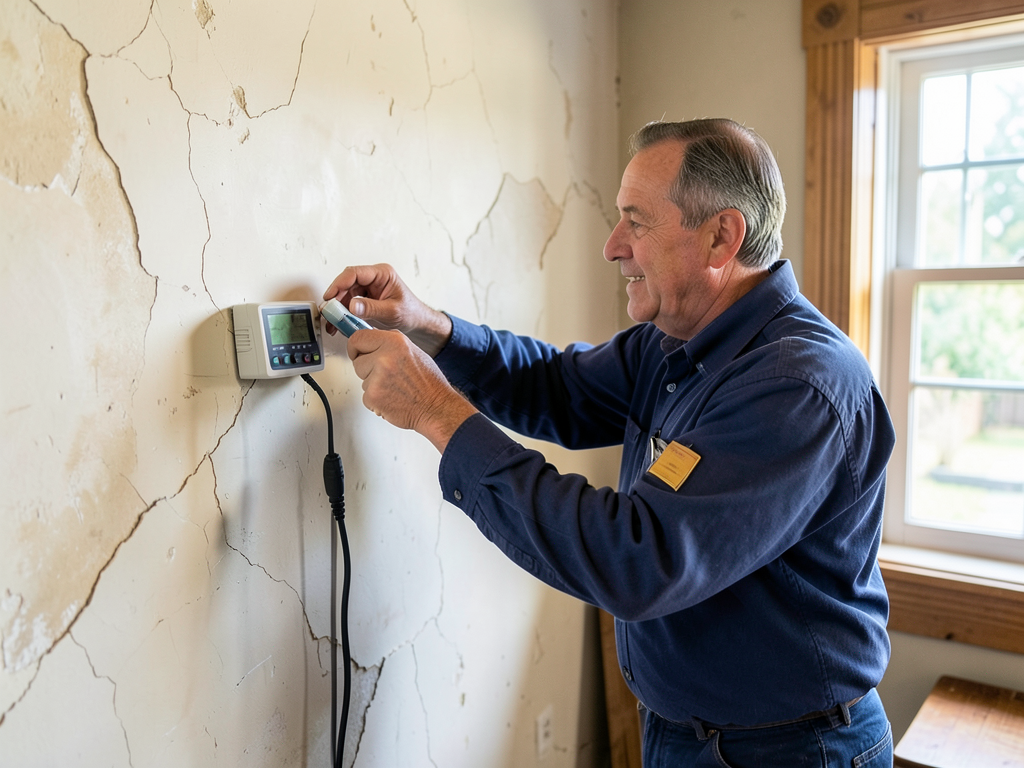
Photo showing moisture meter readings across different historic materials: horsehair plaster, original hardwood, and fieldstone foundation.
Our Preservation-First Approach to Water Mitigation
Standard water damage restoration often involves removing damaged materials and replacing them with modern equivalents. This approach fails completely with historic properties where original materials contribute to architectural significance and property value. Our preservation-first methodology focuses on saving as much original material as possible while ensuring complete moisture removal.
Non-destructive drying is our primary strategy for historic plaster walls. Instead of cutting out damaged sections, we use directed airflow systems that create pressure differentials to draw moisture out through existing pathways. This process can take longer than demolition but preserves original wall finishes, crown moldings, and architectural details that would be impossible to replicate authentically.
For original hardwood flooring, we employ specialized drying chambers that create controlled environments around affected areas. These chambers use LGR (low-grain refrigerant) dehumidifiers combined with gentle heat to extract moisture from deep within wood fibers without causing cupping, crowning, or splitting. The process requires daily monitoring but can save floors that would otherwise require complete replacement.
Antique timber frames present unique challenges because they often contain embedded metal fasteners that can corrode when exposed to moisture. Our team uses corrosion inhibitors specifically formulated for historic applications that protect these structural elements without damaging surrounding wood. We also employ structural drying techniques that maintain the integrity of mortise-and-tenon joints common in pre-1900 construction.
Moisture control in historic masonry requires understanding how original materials interact with water. Fieldstone foundations, common in Greenwich’s oldest homes, were often laid dry or with minimal mortar. This creates natural drainage pathways but also allows groundwater to migrate through foundation walls. We use breathable waterproofing compounds that allow vapor transmission while blocking liquid water, maintaining the foundation’s original drainage characteristics.
Every preservation project follows a specific protocol based on the Secretary of the Interior’s Standards for Treatment of Historic Properties. These federal guidelines establish when preservation is appropriate versus when replacement becomes necessary. Our team includes professionals certified in these standards, ensuring your restoration meets both preservation requirements and modern building codes. Professional Sewage Backup Cleanup and Sanitization for Cos Cob Residents.
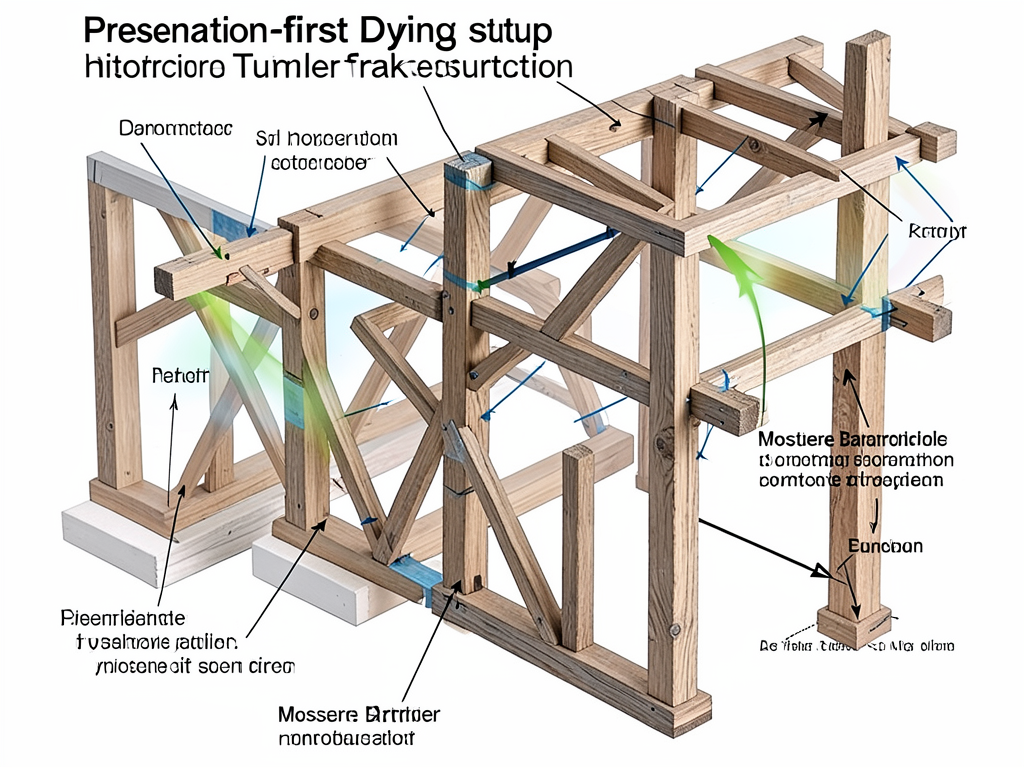
Diagram showing preservation-first drying setup for historic plaster walls, including airflow direction and moisture barrier placement.
Navigating Greenwich Historic District Regulations
Greenwich’s commitment to historic preservation is reflected in its strict Historic District Commission guidelines. Any restoration work on designated properties requires HDC approval, and violations can result in fines, mandatory restoration to original condition, or even criminal penalties in extreme cases. Understanding these regulations before beginning work is essential for a successful restoration.
The HDC jurisdiction covers multiple historic districts throughout Greenwich, including areas along Strickland Road, parts of Round Hill, and the original Greenwich Avenue corridor. Each district has specific guidelines regarding appropriate materials, construction methods, and design elements. Work that might be acceptable in one area could violate regulations in another, making local expertise critical.
Permit requirements for historic properties often exceed those for modern construction. Beyond standard building permits, you may need HDC approval for exterior modifications, material substitutions, or even certain interior restoration techniques. The approval process can take 30-45 days, making it essential to begin permit applications immediately after water damage occurs.
Documentation requirements are particularly stringent for historic properties. The HDC typically requires detailed drawings showing existing conditions, proposed work, and material specifications. For water damage restoration, this means documenting the extent of damage, proposed drying methods, and any necessary repairs with specific attention to maintaining historical accuracy. EPA Lead-Safe Certification Requirements.
Insurance claims for historic properties involve additional complexity. Standard homeowner’s policies often don’t cover the full cost of restoring original materials or meeting HDC requirements. Our team works directly with insurance adjusters to document damage, provide accurate restoration estimates, and ensure claims cover both the emergency mitigation and the specialized restoration required for historic compliance.
Working with the Greenwich Historical Society can provide additional resources during restoration. Their archives contain information about original construction methods, material specifications, and historical context that can inform restoration decisions. We maintain relationships with their research staff and can access this information to ensure your restoration maintains historical accuracy.
State historic preservation office requirements may also apply, particularly for properties listed on the National Register of Historic Places. These requirements can affect everything from drying methods to final finishes, making it essential to understand all applicable regulations before beginning work.
Photo showing HDC-approved restoration work on a historic Greenwich facade, demonstrating period-appropriate materials and techniques.
Mold Prevention in Antique Structures
Historic homes face elevated mold risks due to their construction methods and materials. Original building practices often created conditions that promote moisture retention: balloon framing allows air movement between walls, plaster absorbs and holds moisture, and original insulation (if any) provides no moisture barrier. These factors combine to create ideal conditions for mold growth when water damage occurs.
Traditional mold remediation methods can destroy historic materials. Aggressive chemical treatments, abrasive cleaning, and complete material removal often do more damage than the mold itself. Our approach uses targeted antimicrobial treatments specifically formulated for antique materials, preserving original finishes while eliminating mold colonies.
Ventilation systems in historic homes were designed for different climate conditions than we face today. Original construction relied on passive air movement through wall cavities and under-floor spaces. Modern HVAC systems can create pressure differentials that drive moisture into these spaces, promoting mold growth in areas that remained dry for centuries.
Moisture content monitoring is critical for mold prevention in historic structures. We use penetrating moisture meters that can read through various materials to establish baseline moisture levels and track drying progress. This data helps us determine when materials have returned to safe moisture content levels where mold cannot establish itself.
Specialized drying equipment for historic properties includes desiccant dehumidifiers that remove moisture without raising temperatures significantly. High heat can cause original wood to crack, plaster to delaminate, and paint to blister. Our equipment maintains temperatures below 85°F while achieving the low relative humidity levels necessary for effective drying.
Antimicrobial treatments for historic materials must balance effectiveness with preservation. We use hydrogen peroxide-based products that break down into water and oxygen, leaving no harmful residues that could damage original finishes. These treatments penetrate porous materials to kill mold at the cellular level without requiring aggressive surface cleaning.
Post-remediation verification in historic properties requires specialized testing protocols. Standard air sampling may not detect mold hidden in wall cavities or under floorboards. We use advanced testing methods including cavity sampling and material sampling to ensure complete remediation before reconstruction begins.
Preventative measures for historic homes include installing modern vapor barriers in crawl spaces, improving exterior drainage around foundations, and upgrading ventilation systems to handle current climate conditions. These improvements must be designed to remain invisible from the exterior to maintain historical accuracy.
Case Study: Restoring a Cos Cob Colonial After Storm Surge
A 1790s Colonial in Cos Cob’s historic district faced severe water damage when a January nor’easter caused the Mianus River to overflow. The property, featuring original fieldstone foundation and hand-hewn timber frame, required a restoration approach that balanced emergency mitigation with historic preservation requirements.
Initial assessment revealed water penetration through the fieldstone foundation, affecting the basement and first-floor framing. Standard water extraction would have required removing sections of the original stone foundation, violating HDC guidelines and compromising the home’s structural integrity. Our team developed a preservation-first plan that maintained the foundation’s historical character.
The restoration process began with non-invasive moisture mapping to identify water migration patterns through the timber frame. Thermal imaging revealed moisture accumulation in wall cavities that weren’t visible from the interior. This data guided our drying strategy, allowing us to target specific areas without unnecessary demolition.
Specialized drying chambers were constructed around affected areas of the original hardwood flooring. These chambers used LGR dehumidification combined with gentle heat to extract moisture from deep within the wood fibers. Daily moisture content readings showed the gradual return to safe levels without the warping or splitting that aggressive drying would have caused.
The fieldstone foundation required unique treatment due to its construction method. Rather than applying modern waterproofing that would trap moisture inside the foundation, we used breathable lime-based treatments that allowed vapor transmission while blocking liquid water. This approach maintained the foundation’s original drainage characteristics while preventing future water infiltration.
Antimicrobial treatment of the timber frame presented another challenge. The frame contained original iron fasteners that could corrode when exposed to moisture. Our team applied specialized corrosion inhibitors that protected these fasteners without damaging the surrounding wood or requiring their removal.
The entire restoration process required HDC approval at each phase. Our detailed documentation showed how each technique preserved historical elements while meeting modern building codes. The HDC approved our approach, allowing the restoration to proceed without costly delays or required modifications.
Final testing confirmed complete moisture removal and successful mold prevention. The homeowners retained their property’s historical character while ensuring it meets current safety standards. The restoration demonstrated how modern preservation techniques can protect historic properties from water damage without compromising their architectural significance.
Call (475) 320-3777 today to schedule your inspection. Our emergency response team is ready to protect your historic Greenwich property with preservation-first restoration techniques.
Frequently Asked Questions
Will HDC approval delay my restoration work?
HDC approval can add 30-45 days to project timelines, but beginning the application process immediately after damage occurs minimizes delays. Our team handles all HDC documentation and maintains relationships with commission members to expedite approvals when possible.
Can original plaster walls be saved after water damage?
Many original plaster walls can be saved using non-destructive drying techniques. We use directed airflow systems and specialized dehumidification that draws moisture out without requiring demolition. The success rate depends on the extent of damage and how quickly drying begins.
How do you prevent mold in historic wall cavities?
We use penetrating moisture meters and thermal imaging to identify moisture in wall cavities, then apply targeted antimicrobial treatments that penetrate porous materials. Our drying protocols maintain temperatures that prevent mold growth while protecting original materials from heat damage.
Are your restoration methods covered by insurance?
Most insurance policies cover restoration costs, but historic properties often require additional documentation to justify specialized techniques. We work directly with insurance adjusters to provide detailed damage assessments and restoration plans that ensure full coverage for preservation-first methods.
What makes historic restoration more expensive than standard water damage repair?
Historic restoration requires specialized equipment, materials, and expertise to preserve original elements. The process takes longer than standard demolition and replacement, and may require HDC-approved materials that cost more than modern equivalents. However, this investment protects your property’s historical value and architectural integrity.
{
“@context”: “https://schema.org”,
“@type”: “BlogPosting”,
“headline”: “Restoring Your Historic Greenwich Property After Water or Flood Damage”,
“description”: “Expert water damage restoration for historic Greenwich homes. Specialized care for antique materials, HDC compliance, and preservation-first drying techniques.”,
“wordCount”: 2369,
“datePublished”: “2026-03-04T12:21:00.000Z”,
“dateModified”: “2026-03-04T12:21:00.000Z”,
“inLanguage”: “en-US”,
“mainEntityOfPage”: {
“@type”: “WebPage”,
“@id”: “https://heritagewaterdamagerestorationgreenwich.com”
},
“publisher”: {
“@type”: “LocalBusiness”,
“name”: “Heritage Water Damage Restoration Greenwich”,
“url”: “https://heritagewaterdamagerestorationgreenwich.com”
},
“author”: {
“@type”: “Organization”,
“name”: “Heritage Water Damage Restoration Greenwich”,
“url”: “https://heritagewaterdamagerestorationgreenwich.com”
},
“image”: {
“@type”: “ImageObject”,
“url”: “https://heritagewaterdamagerestorationgreenwich.com/wp-content/uploads/2026/03/restoring-your-historic-greenwich-property-after-w-1.png”
}
}
{
“@context”: “https://schema.org”,
“@type”: “LocalBusiness”,
“name”: “Heritage Water Damage Restoration Greenwich”,
“url”: “https://heritagewaterdamagerestorationgreenwich.com”,
“address”: {
“@type”: “PostalAddress”,
“addressLocality”: “Greenwich”
},
“areaServed”: {
“@type”: “City”,
“name”: “Greenwich”
}
}
{
“@context”: “https://schema.org”,
“@type”: “FAQPage”,
“mainEntity”: [
{
“@type”: “Question”,
“name”: “Will HDC approval delay my restoration work?”,
“acceptedAnswer”: {
“@type”: “Answer”,
“text”: “HDC approval can add 30-45 days to project timelines, but beginning the application process immediately after damage occurs minimizes delays. Our team handles all HDC documentation and maintains relationships with commission members to expedite approvals when possible.”
}
},
{
“@type”: “Question”,
“name”: “Can original plaster walls be saved after water damage?”,
“acceptedAnswer”: {
“@type”: “Answer”,
“text”: “Many original plaster walls can be saved using non-destructive drying techniques. We use directed airflow systems and specialized dehumidification that draws moisture out without requiring demolition. The success rate depends on the extent of damage and how quickly drying begins.”
}
},
{
“@type”: “Question”,
“name”: “How do you prevent mold in historic wall cavities?”,
“acceptedAnswer”: {
“@type”: “Answer”,
“text”: “We use penetrating moisture meters and thermal imaging to identify moisture in wall cavities, then apply targeted antimicrobial treatments that penetrate porous materials. Our drying protocols maintain temperatures that prevent mold growth while protecting original materials from heat damage.”
}
},
{
“@type”: “Question”,
“name”: “Are your restoration methods covered by insurance?”,
“acceptedAnswer”: {
“@type”: “Answer”,
“text”: “Most insurance policies cover restoration costs, but historic properties often require additional documentation to justify specialized techniques. We work directly with insurance adjusters to provide detailed damage assessments and restoration plans that ensure full coverage for preservation-first methods.”
}
},
{
“@type”: “Question”,
“name”: “What makes historic restoration more expensive than standard water damage repair?”,
“acceptedAnswer”: {
“@type”: “Answer”,
“text”: “Historic restoration requires specialized equipment, materials, and expertise to preserve original elements. The process takes longer than standard demolition and replacement, and may require HDC-approved materials that cost more than modern equivalents. However, this investment protects your property’s historical value and architectural integrity.”
}
}
]
}
{
“@context”: “https://schema.org”,
“@type”: “BreadcrumbList”,
“itemListElement”: [
{
“@type”: “ListItem”,
“position”: 1,
“name”: “Home”,
“item”: “https://heritagewaterdamagerestorationgreenwich.com”
},
{
“@type”: “ListItem”,
“position”: 2,
“name”: “Blog”,
“item”: “https://heritagewaterdamagerestorationgreenwich.com/blog”
},
{
“@type”: “ListItem”,
“position”: 3,
“name”: “Restoring Your Historic Greenwich Property After Water or Flood Damage”
}
]
}
{
“@context”: “https://schema.org”,
“@type”: “Service”,
“serviceType”: “Water Damage Restoration”,
“provider”: {
“@type”: “LocalBusiness”,
“name”: “Heritage Water Damage Restoration Greenwich”,
“url”: “https://heritagewaterdamagerestorationgreenwich.com”
},
“areaServed”: {
“@type”: “City”,
“name”: “Greenwich”
},
“description”: “Expert water damage restoration for historic Greenwich homes. Specialized care for antique materials, HDC compliance, and preservation-first drying techniques.”
}