Why luxury vinyl plank flooring can still trap water and mold underneath it
Waterproof luxury vinyl plank flooring feels like the perfect solution for Greenwich homeowners who want beautiful, water-resistant floors. But here’s the problem many don’t realize: while the planks themselves resist moisture, the installation underneath can trap water and create serious mold problems. The seams, edges, and subfloor beneath your LVP can become a hidden breeding ground for mold if water gets underneath after a spill, leak, or flood. Emergency Water Damage Restoration for Old Greenwich Coastal Homes.
In Greenwich’s humid coastal climate, where summer humidity often exceeds 70%, moisture problems under flooring can escalate quickly. What starts as a small spill can turn into a major mold issue within 48 hours if not addressed properly. Understanding why LVP isn’t truly waterproof and knowing the warning signs can save you thousands in repairs and protect your family’s health. EPA Mold Resources.
How water gets trapped under your luxury vinyl planks
Most luxury vinyl plank flooring uses a click-lock installation system that creates small gaps between planks. While these gaps allow for expansion and contraction, they also provide entry points for water. When water spills on LVP, it can seep through the seams, edges near walls, or around floor vents. Once water penetrates these vulnerable areas, it becomes trapped against the subfloor. Water Damage Restoration Meriden.
The problem compounds because LVP creates a vapor barrier over your subfloor. Unlike hardwood or carpet that allows some air circulation, vinyl planks prevent moisture from evaporating naturally. In Greenwich homes with plywood subfloors, this trapped moisture creates the perfect environment for mold growth. Concrete subfloors aren’t immune either – they can absorb water and hold moisture against the underside of your flooring.
According to the IICRC S500 Standard for Professional Water Damage Restoration, water can remain trapped under flooring for days or weeks without visible surface signs. By the time you notice problems, mold colonies may have already established themselves in the warm, dark space beneath your planks. Professional Sewage Backup Cleanup and Sanitization for Cos Cob Residents.
5 warning signs of moisture trapped under your vinyl planks
Early detection is crucial for preventing extensive damage. Here are the five most common warning signs that water has gotten underneath your luxury vinyl flooring:
- Cupping or buckling planks – When the edges of your vinyl planks start to curl upward or create a wavy surface, moisture is causing the planks to expand against each other.
- Musty odors – A persistent damp or earthy smell, especially noticeable when you first enter the room, indicates mold growth beneath the surface.
- Soft or spongy spots – Areas of the floor that feel different underfoot suggest water damage to the subfloor underneath.
- Clicking or popping sounds – When walking across the floor, unusual sounds indicate planks separating from the adhesive or subfloor due to moisture expansion.
- Visible mold at perimeter edges – Dark spots or discoloration where the flooring meets the wall often means mold has spread from underneath.
If you notice any of these signs in your Greenwich home, especially after a recent water event, immediate professional assessment is critical. The humid coastal air in areas like Old Greenwich and Riverside can accelerate mold growth once moisture becomes trapped.
The 24-48 hour mold window: why timing matters
Mold doesn’t need much to start growing – just moisture, organic material, and temperatures between 40-100°F. Under your LVP flooring, the subfloor provides organic material, and Greenwich’s summer temperatures create ideal conditions. The critical window is 24-48 hours after water exposure.
During this period, mold spores that are naturally present in all homes begin to germinate and spread. What makes this particularly dangerous is that you can’t see what’s happening under your flooring. By day three, visible mold colonies may have already formed, and by day five, they can release spores throughout your home.
The Connecticut Department of Public Health recommends immediate professional drying for any water that penetrates flooring materials. In Greenwich’s older homes, particularly those in historic districts with original subflooring, the risk of extensive damage increases significantly. The freeze-thaw cycles common in Connecticut winters can also cause pipes to burst, leading to sudden water events that require immediate professional response. Fast Burst Pipe Repair and Water Extraction in Mid-Country Greenwich.
Can your LVP be saved? Restoration vs. replacement decisions
Not all water-damaged LVP flooring needs replacement. The decision depends on several factors including the water category, how long it’s been wet, and the type of installation. Here’s what determines salvageability:
| Factor | Salvageable | Replace |
|---|---|---|
| Water Category | Clean water (Category 1) | Gray/Black water (Categories 2-3) |
| Time Wet | < 24-48 hours | > 48-72 hours |
| Installation Type | Click-lock (removable) | Glue-down (permanent) |
| Subfloor Material | Concrete (dries well) | Plywood (absorbs moisture) |
| Visible Damage | None | Cupping, discoloration, odor |
Click-lock installations offer the best chance for restoration because individual planks can be removed, the subfloor dried, and planks reinstalled. However, glue-down installations typically require complete replacement since removing planks damages them and the adhesive bonds to the subfloor.
Professional moisture meters are essential for making this determination. A reading above 15% moisture content in plywood subfloors indicates significant water retention that requires professional drying equipment. In Greenwich’s older homes, particularly those built before 1980, asbestos testing may be necessary before disturbing any flooring materials.
Professional drying techniques for Greenwich homeowners
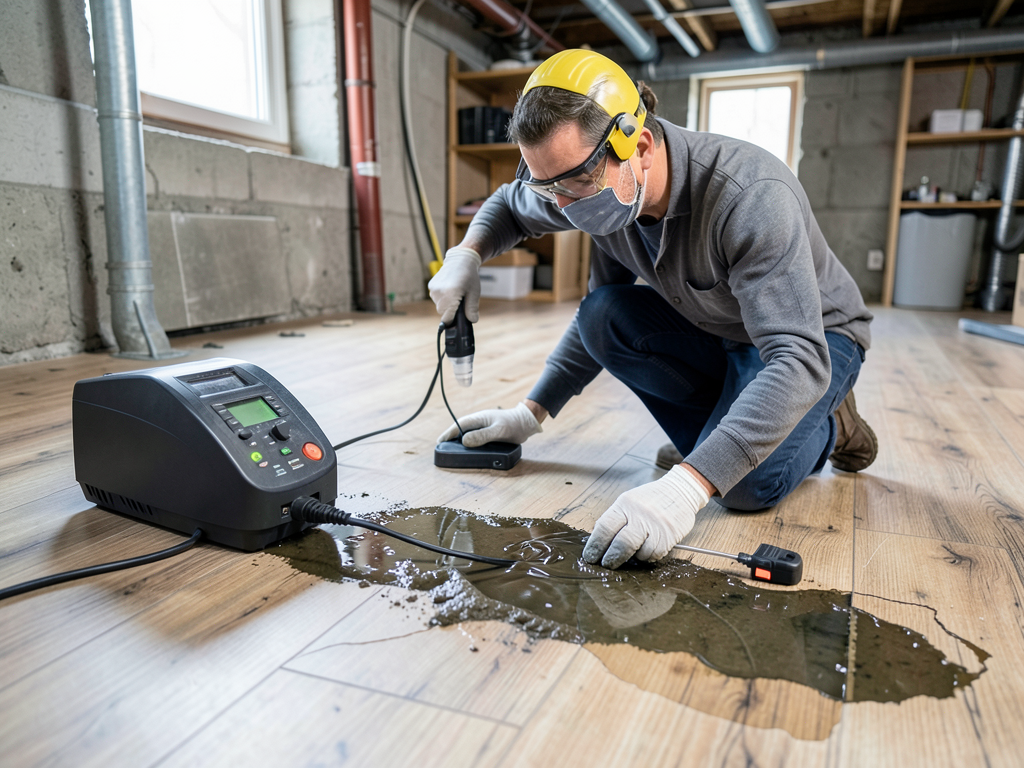
Professional water damage restoration goes far beyond setting up household fans. Certified technicians use specialized equipment designed to remove moisture from hard-to-reach areas under your flooring. The process typically includes:
- Moisture Assessment
Using penetrating and non-penetrating moisture meters to map the extent of water migration under flooring.
- Strategic Removal
Removing baseboards and potentially some planks to create airflow channels to the affected areas.
- Dehumidification
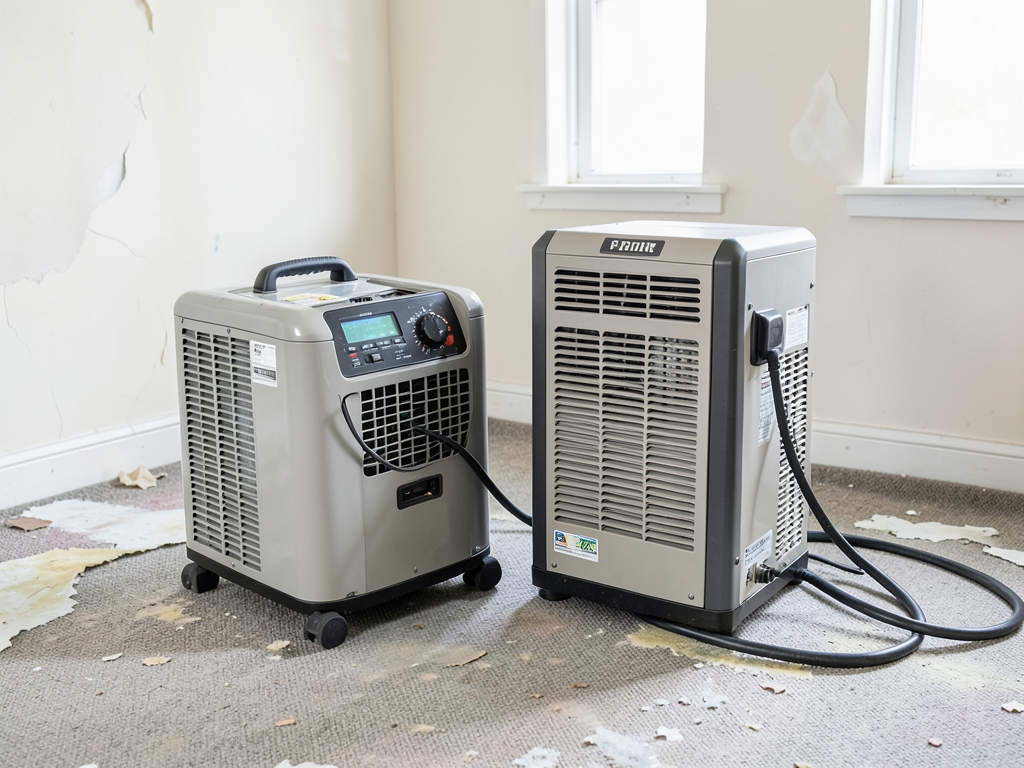
Setting up industrial-grade dehumidifiers that can remove 20-30 gallons of water per day from enclosed spaces.
- Air Movement
Positioning high-velocity air movers at specific angles to create vortex drying patterns under flooring.
- Temperature Control
Maintaining optimal temperatures (70-90°F) to accelerate evaporation without damaging flooring materials.
For severe cases, technicians may use injectidry systems that force dry air under flooring through small, strategically placed holes. This technique can save glue-down installations that would otherwise require complete replacement.
Greenwich’s coastal humidity presents unique challenges. The ambient moisture in the air during summer months means standard drying times can extend from 3-4 days to 5-7 days. Professional restorers monitor progress daily using thermo-hygrometers to track humidity levels and moisture content readings to ensure complete drying before restoration work begins.
Insurance and water damage: what you need to know
Many Greenwich homeowners discover too late that their insurance coverage has limitations for water damage. Standard homeowners policies typically cover sudden, accidental water events like burst pipes but exclude gradual damage or flooding from external sources.
The key to successful claims is immediate documentation. Before any cleanup begins, photograph all affected areas thoroughly. Include close-ups of water levels, damaged items, and the source of the water if visible. Keep all receipts for emergency services, temporary housing if needed, and any repairs.
Professional water damage companies often provide detailed documentation that insurance adjusters require, including moisture mapping, drying logs, and before/after photographs. This documentation can mean the difference between a claim approval and denial.
For Greenwich properties in flood zones, separate flood insurance through the National Flood Insurance Program may be necessary. FEMA flood maps show many areas along the coast and near the Mianus River are in high-risk zones. Even properties outside designated flood zones can experience water damage from plumbing failures, roof leaks, or groundwater seepage. FEMA Flood Insurance.
Understanding your coverage before an emergency occurs can save you thousands in out-of-pocket expenses. Consider scheduling a professional assessment of your property’s water vulnerability, especially if you live in an older Greenwich home with aging plumbing or in a low-lying area prone to groundwater issues.
Preventing future water damage under your LVP flooring
Prevention is always less expensive than restoration. Here are practical steps Greenwich homeowners can take to protect their luxury vinyl flooring:
- Install water sensors – Place them near appliances, under sinks, and in basement areas to get early warnings of leaks.
- Maintain your plumbing – Have a plumber inspect supply lines, especially in homes over 20 years old where pipe corrosion is common.
- Seal perimeter gaps – Use silicone caulk where flooring meets walls in moisture-prone areas like kitchens and bathrooms.
- Control indoor humidity – Use dehumidifiers during Greenwich’s humid summer months to keep indoor levels below 60%.
- Choose proper underlayment – When installing new LVP, select underlayment with built-in vapor barriers for added protection.
For Greenwich’s coastal properties, consider elevating appliances and water heaters in basements to reduce flood damage risk. Many homes in areas like Byram and Glenville sit close to sea level, making them vulnerable during nor’easters and high tide events. Basement Waterproofing Guide.
Regular maintenance of your home’s exterior can also prevent water intrusion. Clean gutters twice yearly, extend downspouts at least 6 feet from foundation walls, and ensure proper grading slopes away from your home. These simple steps can prevent the majority of water damage incidents that lead to mold growth under flooring.
Remember, luxury vinyl plank flooring offers excellent water resistance on the surface, but it’s not a substitute for proper moisture management in your home. The investment in prevention and early professional intervention can save you from the much larger expense of mold remediation and flooring replacement.
Frequently Asked Questions
How can I tell if water got under my luxury vinyl flooring?
Look for cupping or buckling of planks, musty odors, soft spots when walking, clicking sounds, or dark discoloration at the edges where flooring meets walls. These signs often appear within 24-48 hours of water exposure.
Can I dry water under LVP flooring myself with fans?
Household fans rarely provide enough airflow to dry under flooring effectively. Professional restoration uses industrial dehumidifiers and specialized equipment that can reach moisture trapped beneath planks. DIY attempts often lead to mold growth within 48-72 hours.
Does waterproof LVP mean I don’t need to worry about spills?
No. While the surface resists water, seams and edges can allow moisture to penetrate underneath. Even small spills can become trapped and cause mold if not cleaned up promptly. Waterproof refers to the material itself, not the installation system.
How long does professional drying take for water under LVP?
Typical drying time ranges from 3-7 days depending on the extent of water, subfloor material, and environmental conditions. Greenwich’s high summer humidity can extend drying times. Professionals monitor moisture levels daily to ensure complete drying before restoration.
Will my insurance cover water damage under luxury vinyl flooring?
Coverage depends on the water source and your policy. Sudden pipe bursts are typically covered, while gradual leaks or flooding often require separate flood insurance. Document all damage immediately and work with professionals who provide insurance-ready documentation.
Don’t wait until you see visible mold or notice that musty smell. Water trapped under your luxury vinyl flooring can cause extensive damage within days. If you’ve experienced any water event in your Greenwich home, call (475) 320-3777 today for a professional moisture assessment. Our certified technicians use industrial-grade equipment to detect and eliminate hidden moisture before it becomes a costly mold problem. Pick up the phone and call (475) 320-3777 now to protect your home and your family’s health.
{
“@context”: “https://schema.org”,
“@type”: “BlogPosting”,
“headline”: “Why luxury vinyl plank flooring can still trap water and mold underneath it”,
“description”: “LVP flooring isn’t waterproof underneath. Learn how water gets trapped, mold risks, and why Greenwich homeowners need professional drying to protect their subfloor.”,
“wordCount”: 1889,
“datePublished”: “2026-06-12T11:37:00.000Z”,
“dateModified”: “2026-06-12T11:37:00.000Z”,
“inLanguage”: “en-US”,
“mainEntityOfPage”: {
“@type”: “WebPage”,
“@id”: “https://heritagewaterdamagerestorationgreenwich.com”
},
“publisher”: {
“@type”: “LocalBusiness”,
“name”: “Heritage Water Damage Restoration Greenwich”,
“url”: “https://heritagewaterdamagerestorationgreenwich.com”
},
“author”: {
“@type”: “Organization”,
“name”: “Heritage Water Damage Restoration Greenwich”,
“url”: “https://heritagewaterdamagerestorationgreenwich.com”
},
“image”: {
“@type”: “ImageObject”,
“url”: “https://heritagewaterdamagerestorationgreenwich.com/wp-content/uploads/2026/03/why-luxury-vinyl-plank-flooring-can-still-trap-wat-1.png”
}
}
{
“@context”: “https://schema.org”,
“@type”: “LocalBusiness”,
“name”: “Heritage Water Damage Restoration Greenwich”,
“url”: “https://heritagewaterdamagerestorationgreenwich.com”,
“address”: {
“@type”: “PostalAddress”,
“addressLocality”: “Greenwich”
},
“areaServed”: {
“@type”: “City”,
“name”: “Greenwich”
}
}
{
“@context”: “https://schema.org”,
“@type”: “FAQPage”,
“mainEntity”: [
{
“@type”: “Question”,
“name”: “How can I tell if water got under my luxury vinyl flooring?”,
“acceptedAnswer”: {
“@type”: “Answer”,
“text”: “Look for cupping or buckling of planks, musty odors, soft spots when walking, clicking sounds, or dark discoloration at the edges where flooring meets walls. These signs often appear within 24-48 hours of water exposure.”
}
},
{
“@type”: “Question”,
“name”: “Can I dry water under LVP flooring myself with fans?”,
“acceptedAnswer”: {
“@type”: “Answer”,
“text”: “Household fans rarely provide enough airflow to dry under flooring effectively. Professional restoration uses industrial dehumidifiers and specialized equipment that can reach moisture trapped beneath planks. DIY attempts often lead to mold growth within 48-72 hours.”
}
},
{
“@type”: “Question”,
“name”: “Does waterproof LVP mean I don’t need to worry about spills?”,
“acceptedAnswer”: {
“@type”: “Answer”,
“text”: “No. While the surface resists water, seams and edges can allow moisture to penetrate underneath. Even small spills can become trapped and cause mold if not cleaned up promptly. Waterproof refers to the material itself, not the installation system.”
}
},
{
“@type”: “Question”,
“name”: “How long does professional drying take for water under LVP?”,
“acceptedAnswer”: {
“@type”: “Answer”,
“text”: “Typical drying time ranges from 3-7 days depending on the extent of water, subfloor material, and environmental conditions. Greenwich’s high summer humidity can extend drying times. Professionals monitor moisture levels daily to ensure complete drying before restoration.”
}
},
{
“@type”: “Question”,
“name”: “Will my insurance cover water damage under luxury vinyl flooring?”,
“acceptedAnswer”: {
“@type”: “Answer”,
“text”: “Coverage depends on the water source and your policy. Sudden pipe bursts are typically covered, while gradual leaks or flooding often require separate flood insurance. Document all damage immediately and work with professionals who provide insurance-ready documentation.”
}
}
]
}
{
“@context”: “https://schema.org”,
“@type”: “HowTo”,
“name”: “Professional LVP Drying Process”,
“step”: [
{
“@type”: “HowToStep”,
“position”: 1,
“name”: “Moisture Assessment”,
“text”: “Using penetrating and non-penetrating moisture meters to map the extent of water migration under flooring.”
},
{
“@type”: “HowToStep”,
“position”: 2,
“name”: “Strategic Removal”,
“text”: “Removing baseboards and potentially some planks to create airflow channels to the affected areas.”
},
{
“@type”: “HowToStep”,
“position”: 3,
“name”: “Dehumidification”,
“text”: “Setting up industrial-grade dehumidifiers that can remove 20-30 gallons of water per day from enclosed spaces.”
},
{
“@type”: “HowToStep”,
“position”: 4,
“name”: “Air Movement”,
“text”: “Positioning high-velocity air movers at specific angles to create vortex drying patterns under flooring.”
},
{
“@type”: “HowToStep”,
“position”: 5,
“name”: “Temperature Control”,
“text”: “Maintaining optimal temperatures (70-90°F) to accelerate evaporation without damaging flooring materials.”
}
],
“image”: “https://heritagewaterdamagerestorationgreenwich.com/wp-content/uploads/2026/03/why-luxury-vinyl-plank-flooring-can-still-trap-wat-1.png”
}
{
“@context”: “https://schema.org”,
“@type”: “BreadcrumbList”,
“itemListElement”: [
{
“@type”: “ListItem”,
“position”: 1,
“name”: “Home”,
“item”: “https://heritagewaterdamagerestorationgreenwich.com”
},
{
“@type”: “ListItem”,
“position”: 2,
“name”: “Blog”,
“item”: “https://heritagewaterdamagerestorationgreenwich.com/blog”
},
{
“@type”: “ListItem”,
“position”: 3,
“name”: “Why luxury vinyl plank flooring can still trap water and mold underneath it”
}
]
}
{
“@context”: “https://schema.org”,
“@type”: “Service”,
“serviceType”: “Water Damage Restoration”,
“provider”: {
“@type”: “LocalBusiness”,
“name”: “Heritage Water Damage Restoration Greenwich”,
“url”: “https://heritagewaterdamagerestorationgreenwich.com”
},
“areaServed”: {
“@type”: “City”,
“name”: “Greenwich”
},
“description”: “LVP flooring isn’t waterproof underneath. Learn how water gets trapped, mold risks, and why Greenwich homeowners need professional drying to protect their subfloor.”
}