
Who is responsible for water damage when a pipe bursts between condo walls in Downtown Greenwich?
When a pipe bursts between condo walls in Downtown Greenwich, determining responsibility can feel overwhelming. The answer depends on where the leak originated, what your condo documents say, and which insurance policies apply. In most cases, the condo association’s master policy covers common elements like pipes in shared walls, while your individual HO-6 policy covers your personal property and interior finishes. But there are important exceptions. Fast Burst Pipe Repair and Water Extraction in Mid-Country Greenwich.
Connecticut’s Common Interest Ownership Act (CIOA) establishes baseline requirements for condo associations, but your specific declaration of condominium ultimately determines responsibility. Many Downtown Greenwich buildings have unique configurations that affect coverage. The first 24-48 hours after discovering water damage are critical for preventing mold growth and minimizing structural damage. Connecticut Common Interest Ownership Act.
Water spreads quickly through multi-story buildings, often affecting units below the source. If you discover water damage, immediately notify your condo association and document everything with photos and videos. This documentation becomes crucial when insurance companies determine liability and coverage limits. Emergency Water Damage Restoration for Old Greenwich Coastal Homes.
The Connecticut Common Interest Ownership Act (CIOA) and Your Rights
Connecticut General Statutes Section 47-250 through 47-261, known as the Common Interest Ownership Act, governs condominium associations throughout the state. This law requires associations to maintain certain insurance coverages and establishes default rules when condo documents are silent on specific issues.
Under CIOA, the association must maintain property insurance covering all portions of the condominium not within the unit boundaries. This typically includes common elements like shared plumbing systems, exterior walls, and structural components. However, many Downtown Greenwich condos have “walls-in” coverage, meaning the association only insures studs-out.
Your unit’s specific boundaries are defined in the declaration of condominium. Some Downtown Greenwich buildings define units as “airspace” only, while others include interior walls and fixtures. This distinction becomes critical when determining who pays for repairs after a pipe burst. The association’s insurance covers damage to common elements, but not necessarily the finishes inside your unit. Water Damage Restoration Meriden.
CIOA also addresses deductible allocation. If the association’s insurance deductible applies to damage originating in a specific unit, that unit owner may be responsible for the deductible amount. This can range from $5,000 to $25,000 or more in high-value Downtown Greenwich properties.
Master Policy vs. HO-6: The “Standard Unit” Definition
Understanding the difference between your condo association’s master policy and your individual HO-6 policy is essential. The master policy typically covers the building’s structure, common areas, and sometimes fixtures. Your HO-6 policy covers your personal property, liability, and often “walls-in” coverage for interior finishes.
The “standard unit” definition in your condo documents determines exactly what the master policy covers. Some Downtown Greenwich associations define standard units as studs-out, meaning they only cover exterior walls and structural components. Others include drywall, flooring, and cabinetry. This definition directly impacts who pays for repairs.
“All-in” coverage is less common but provides more comprehensive protection. With all-in coverage, the master policy includes interior finishes, fixtures, and sometimes even appliances. This shifts more repair costs to the association but typically results in higher monthly fees. Many luxury buildings in Downtown Greenwich have adopted all-in coverage to simplify claims processes.
Betterments and improvements create another layer of complexity. If you’ve upgraded your unit’s finishes beyond the standard unit definition, those improvements may not be covered by the master policy. Your HO-6 policy should include coverage for betterments, but you’ll need documentation of these improvements to ensure proper reimbursement.
Common Scenarios in Downtown Greenwich Condos
Pipe bursts in common walls between units are among the most frequent causes of water damage in Downtown Greenwich condominiums. These pipes often run vertically through multiple floors, meaning a single burst can affect several units simultaneously. The association’s master policy typically covers the pipe repair, but damage to individual units depends on the standard unit definition.. Read more about Why high water pressure is secretly damaging the plumbing in your Riverside home.
Overflowing tubs or sinks from units above can cause extensive damage to lower units. In these cases, the unit where the overflow originated may be found negligent if the incident resulted from carelessness. Connecticut courts have held unit owners liable for damages when they left faucets running or failed to maintain plumbing fixtures properly.
Roof leaks affecting top-floor units present unique challenges. While the roof is a common element covered by the master policy, the interior damage to the top unit may fall under individual coverage. Many Downtown Greenwich buildings have flat roofs that require specialized maintenance, and neglect of these systems can shift liability to the association.
Supply line failures in units above can cause sudden, catastrophic damage. These flexible lines connecting toilets, sinks, and appliances have a typical lifespan of 5-7 years. When they fail, they can release hundreds of gallons of water before anyone notices. Regular inspection and replacement of these lines is considered routine maintenance that unit owners must perform.
The Role of Negligence and Deductibles
Connecticut law allows associations to shift insurance deductibles to unit owners who cause damage through negligence. This means if a pipe burst results from your failure to maintain plumbing or address known issues, you could be responsible for the entire deductible amount. Some Downtown Greenwich associations have deductibles exceeding $10,000.
Determining negligence requires examining whether the unit owner knew or should have known about the potential problem. A slow leak that goes unreported for months might constitute negligence, while a sudden pipe burst with no prior warning typically does not. Documentation of maintenance requests and repairs becomes crucial evidence.
Loss assessment coverage in your HO-6 policy protects you from unexpected deductible charges. This coverage typically ranges from $1,000 to $50,000 and can be increased based on your association’s deductible amounts. Without this coverage, a single incident could result in a substantial out-of-pocket expense.
Subrogation rights allow insurance companies to recover payments from responsible parties. If your unit suffers damage from a neighbor’s negligence, your insurance company may pursue the neighbor’s insurer for reimbursement. This process can take months but ultimately protects you from bearing costs you shouldn’t have to pay.
Immediate Steps to Take for Greenwich Condo Owners
When you discover water damage in your Downtown Greenwich condo, time is critical. Within the first 24-48 hours, mold can begin growing in damp materials. Immediately shut off the water source if possible, then contact both your condo association and your insurance company. Most associations have emergency contact procedures for after-hours incidents. Emergency Dehumidifier Rental.
Document everything before cleanup begins. Take photos and videos of all damaged areas, including water levels, affected materials, and any visible pipe damage. This documentation supports your insurance claim and helps establish the extent of damage for liability purposes. Don’t dispose of damaged items until your insurance adjuster has seen them.
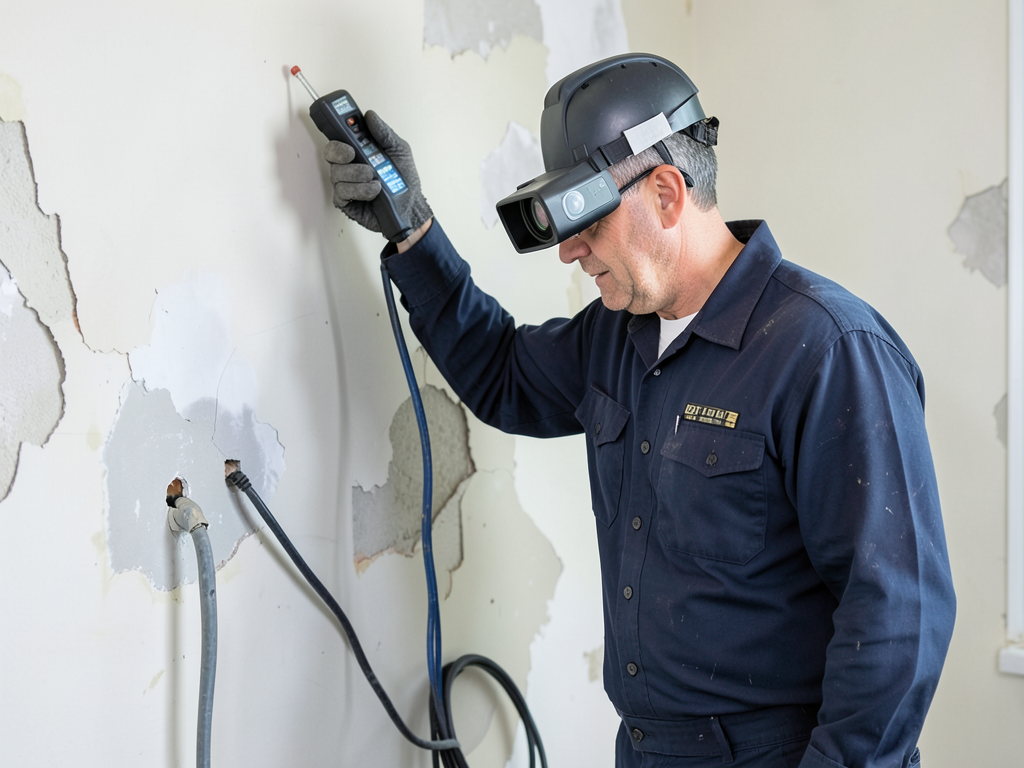
Professional water damage restoration companies use moisture meters and thermal imaging cameras to detect hidden water in walls, ceilings, and floors. These tools can identify moisture levels that aren’t visible to the naked eye. In Downtown Greenwich’s older buildings, water can travel along structural members and appear far from the original source. Professional Sewage Backup Cleanup and Sanitization for Cos Cob Residents.
Emergency water extraction and drying equipment should be deployed immediately. Industrial-grade dehumidifiers, air movers, and air scrubbers work together to remove moisture and prevent secondary damage. The drying process typically takes 3-5 days depending on the extent of saturation and the materials involved.
Insurance Claim Process and Documentation
Filing an insurance claim after water damage requires careful documentation and timely action. Start by notifying your insurance company within 24 hours of discovering the damage. Most policies require prompt notification, and delays can result in claim denials. Keep records of all communications with your insurer, including dates, times, and the names of representatives you speak with.
Your insurance adjuster will assess the damage and determine coverage based on your policy terms and the cause of loss. Be present during the inspection to point out all affected areas and explain the sequence of events. Provide your documentation, including photos, videos, and any maintenance records that support your claim.
Many Downtown Greenwich condos have high-value finishes that require specialized restoration. Marble countertops, hardwood flooring, and custom millwork can be expensive to repair or replace. Your insurance policy should reflect these upgrades, and you may need appraisals to establish their current value for replacement purposes.
Business interruption coverage may apply if you work from home or rent your unit. This coverage compensates for lost income during the restoration period. Document your typical monthly income and any contracts or commitments that were affected by the water damage to support your claim for lost revenue.
Preventing Future Water Damage in Your Condo
Preventive maintenance can significantly reduce your risk of water damage in Downtown Greenwich condos. Schedule annual plumbing inspections to check for corrosion, loose connections, and potential failure points. Pay special attention to supply lines, which are common failure points in older buildings. Replace rubber hoses with braided stainless steel lines for increased durability.
Install water leak detection systems that can shut off your water supply automatically when leaks are detected. These systems use sensors placed near appliances, under sinks, and in other high-risk areas. Some advanced systems connect to your smartphone, allowing you to monitor your condo’s water status remotely.
Know your condo association’s maintenance responsibilities and stay informed about building-wide projects. If the association plans to work on plumbing systems, understand how this might affect your unit and what precautions are being taken. Request advance notice of any work that could impact your water service or create leak risks.
Review your insurance coverage annually to ensure it keeps pace with your unit’s value and any improvements you’ve made. High-end finishes and smart home technology can significantly increase replacement costs. Work with an insurance agent who understands Downtown Greenwich’s unique market and can recommend appropriate coverage limits.
Understanding Your Rights Under Connecticut Law
Connecticut law provides specific protections for condo owners facing water damage disputes. The Connecticut Unfair Insurance Practices Act prohibits insurers from engaging in deceptive practices or unreasonably delaying claim payments. If you believe your insurance company is acting in bad faith, you can file a complaint with the Connecticut Insurance Department.
Mediation and arbitration clauses in condo documents can affect how disputes are resolved. Many Downtown Greenwich associations require mediation before litigation, which can be faster and less expensive than court proceedings. Understand your dispute resolution options before conflicts arise, as these processes have strict timelines and procedural requirements.
Small claims court provides a venue for disputes under $5,000 in Connecticut. For water damage claims, this might include deductible amounts or repair costs not covered by insurance. The informal nature of small claims court makes it accessible for individual owners without requiring attorneys.
Statute of limitations for property damage claims in Connecticut is typically two years from the date of discovery. This means you have limited time to pursue legal action if your insurance company denies your claim or if you need to sue a negligent party. Document all damage and communications carefully to preserve your rights.
Choosing the Right Restoration Partner
When water damage occurs in your Downtown Greenwich condo, selecting the right restoration company is crucial. Look for firms with specific experience in multi-family buildings and condominium associations. These projects require coordination with building management, adherence to association rules, and minimal disruption to other residents.
IICRC certification indicates that technicians have received training in water damage restoration best practices. Certified firms follow industry standards for water extraction, drying, and mold prevention. Ask potential contractors about their certifications, insurance coverage, and experience with similar properties in Downtown Greenwich. IICRC water damage restoration standards.
24/7 emergency response is essential for water damage. The first 24-48 hours are critical for preventing mold growth and minimizing structural damage. Choose a company that can arrive quickly and begin mitigation immediately. Delays in starting the drying process can significantly increase restoration costs and project timelines.
Experience with high-end finishes common in Downtown Greenwich condos is valuable. Restoration of marble, exotic hardwoods, and custom millwork requires specialized knowledge and techniques. Ask contractors about their experience with similar materials and request references from other condo owners in the area.
Frequently Asked Questions
Who pays for water damage if a pipe bursts in a shared wall?
The condo association’s master policy typically covers the pipe repair and damage to common elements. Your HO-6 policy covers damage to your unit’s interior and personal property, depending on your condo documents’ standard unit definition. If negligence is involved, the responsible party may be liable for the association’s insurance deductible.
How quickly should I respond to water damage in my condo?
Immediate action is critical. Shut off the water source if possible, then notify your condo association and insurance company within 24 hours. Document all damage with photos and videos before cleanup begins. Professional water extraction and drying should start within 24-48 hours to prevent mold growth.
Does my HO-6 policy cover improvements I’ve made to my unit?
Standard HO-6 policies cover your personal property and often “walls-in” coverage, but upgrades beyond the standard unit definition may require additional coverage. Document all improvements with receipts and photos, and consider scheduling endorsements for high-value items like custom cabinetry or premium flooring.
Can the condo association charge me for the insurance deductible?
Yes, if the damage resulted from your negligence or failure to maintain your unit. Connecticut law allows associations to pass insurance deductibles to unit owners who cause damage through carelessness. Review your condo documents to understand the specific circumstances under which you might be charged.
What should I do if my insurance claim is denied?
Request a written explanation of the denial and review your policy to understand the coverage limitations. If you believe the denial is incorrect, file an appeal with your insurance company. You can also contact the Connecticut Insurance Department for assistance or consult with an attorney specializing in insurance disputes.
Don’t Let Water Damage Drain Your Finances
Water damage in Downtown Greenwich condos can quickly become a financial nightmare if you don’t understand your rights and responsibilities. The complex interplay between condo association policies, individual insurance coverage, and Connecticut law means that liability isn’t always clear-cut. When a pipe bursts between walls, the clock starts ticking on preventing further damage and protecting your investment.
Many Downtown Greenwich condo owners discover too late that their insurance coverage has gaps or that their condo documents place unexpected financial burdens on them. Understanding these potential pitfalls before an emergency occurs can save you thousands of dollars and countless headaches. Regular maintenance, proper insurance coverage, and knowledge of your condo documents are your best defenses.
If you’re facing water damage in your Downtown Greenwich condo, don’t navigate this complex situation alone. Professional restoration companies familiar with local building codes and insurance requirements can guide you through the process while protecting your interests. From emergency water extraction to final repairs, the right partner makes all the difference.
Call (475) 320-3777 today to schedule your inspection. Our certified technicians are standing by to help you understand your options and start the restoration process immediately. Don’t wait until mold sets in or structural damage worsens. Pick up the phone and call (475) 320-3777 before the next storm hits. We’re here to help you protect your investment and restore your peace of mind.
Water damage doesn’t wait, and neither should you. Whether it’s a burst pipe at 2 AM or a slow leak discovered during renovations, professional help is just a phone call away. Trust the experts who understand Downtown Greenwich’s unique challenges and can deliver the rapid, professional service you deserve.
{
“@context”: “https://schema.org”,
“@type”: “BlogPosting”,
“headline”: “Who is responsible for water damage when a pipe bursts between condo walls in Downtown Greenwich?”,
“description”: “Learn who pays for water damage in Downtown Greenwich condos when pipes burst between walls. CT law, insurance policies, and HOA responsibilities explained.”,
“wordCount”: 2619,
“datePublished”: “2026-05-21T12:32:00.000Z”,
“dateModified”: “2026-05-21T12:32:00.000Z”,
“inLanguage”: “en-US”,
“mainEntityOfPage”: {
“@type”: “WebPage”,
“@id”: “https://heritagewaterdamagerestorationgreenwich.com”
},
“publisher”: {
“@type”: “LocalBusiness”,
“name”: “Heritage Water Damage Restoration Greenwich”,
“url”: “https://heritagewaterdamagerestorationgreenwich.com”
},
“author”: {
“@type”: “Organization”,
“name”: “Heritage Water Damage Restoration Greenwich”,
“url”: “https://heritagewaterdamagerestorationgreenwich.com”
},
“image”: {
“@type”: “ImageObject”,
“url”: “https://heritagewaterdamagerestorationgreenwich.com/wp-content/uploads/2026/03/who-is-responsible-for-water-damage-when-a-pipe-bu-1.png”
}
}
{
“@context”: “https://schema.org”,
“@type”: “LocalBusiness”,
“name”: “Heritage Water Damage Restoration Greenwich”,
“url”: “https://heritagewaterdamagerestorationgreenwich.com”,
“address”: {
“@type”: “PostalAddress”,
“addressLocality”: “Greenwich”
},
“areaServed”: {
“@type”: “City”,
“name”: “Greenwich”
}
}
{
“@context”: “https://schema.org”,
“@type”: “FAQPage”,
“mainEntity”: [
{
“@type”: “Question”,
“name”: “Who pays for water damage if a pipe bursts in a shared wall?”,
“acceptedAnswer”: {
“@type”: “Answer”,
“text”: “The condo association’s master policy typically covers the pipe repair and damage to common elements. Your HO-6 policy covers damage to your unit’s interior and personal property, depending on your condo documents’ standard unit definition. If negligence is involved, the responsible party may be liable for the association’s insurance deductible.”
}
},
{
“@type”: “Question”,
“name”: “How quickly should I respond to water damage in my condo?”,
“acceptedAnswer”: {
“@type”: “Answer”,
“text”: “Immediate action is critical. Shut off the water source if possible, then notify your condo association and insurance company within 24 hours. Document all damage with photos and videos before cleanup begins. Professional water extraction and drying should start within 24-48 hours to prevent mold growth.”
}
},
{
“@type”: “Question”,
“name”: “Does my HO-6 policy cover improvements I’ve made to my unit?”,
“acceptedAnswer”: {
“@type”: “Answer”,
“text”: “Standard HO-6 policies cover your personal property and often \”walls-in\” coverage, but upgrades beyond the standard unit definition may require additional coverage. Document all improvements with receipts and photos, and consider scheduling endorsements for high-value items like custom cabinetry or premium flooring.”
}
},
{
“@type”: “Question”,
“name”: “Can the condo association charge me for the insurance deductible?”,
“acceptedAnswer”: {
“@type”: “Answer”,
“text”: “Yes, if the damage resulted from your negligence or failure to maintain your unit. Connecticut law allows associations to pass insurance deductibles to unit owners who cause damage through carelessness. Review your condo documents to understand the specific circumstances under which you might be charged.”
}
},
{
“@type”: “Question”,
“name”: “What should I do if my insurance claim is denied?”,
“acceptedAnswer”: {
“@type”: “Answer”,
“text”: “Request a written explanation of the denial and review your policy to understand the coverage limitations. If you believe the denial is incorrect, file an appeal with your insurance company. You can also contact the Connecticut Insurance Department for assistance or consult with an attorney specializing in insurance disputes.”
}
}
]
}
{
“@context”: “https://schema.org”,
“@type”: “BreadcrumbList”,
“itemListElement”: [
{
“@type”: “ListItem”,
“position”: 1,
“name”: “Home”,
“item”: “https://heritagewaterdamagerestorationgreenwich.com”
},
{
“@type”: “ListItem”,
“position”: 2,
“name”: “Blog”,
“item”: “https://heritagewaterdamagerestorationgreenwich.com/blog”
},
{
“@type”: “ListItem”,
“position”: 3,
“name”: “Who is responsible for water damage when a pipe bursts between condo walls in Downtown Greenwich?”
}
]
}
{
“@context”: “https://schema.org”,
“@type”: “Service”,
“serviceType”: “Water Damage Restoration”,
“provider”: {
“@type”: “LocalBusiness”,
“name”: “Heritage Water Damage Restoration Greenwich”,
“url”: “https://heritagewaterdamagerestorationgreenwich.com”
},
“areaServed”: {
“@type”: “City”,
“name”: “Greenwich”
},
“description”: “Learn who pays for water damage in Downtown Greenwich condos when pipes burst between walls. CT law, insurance policies, and HOA responsibilities explained.”
}