
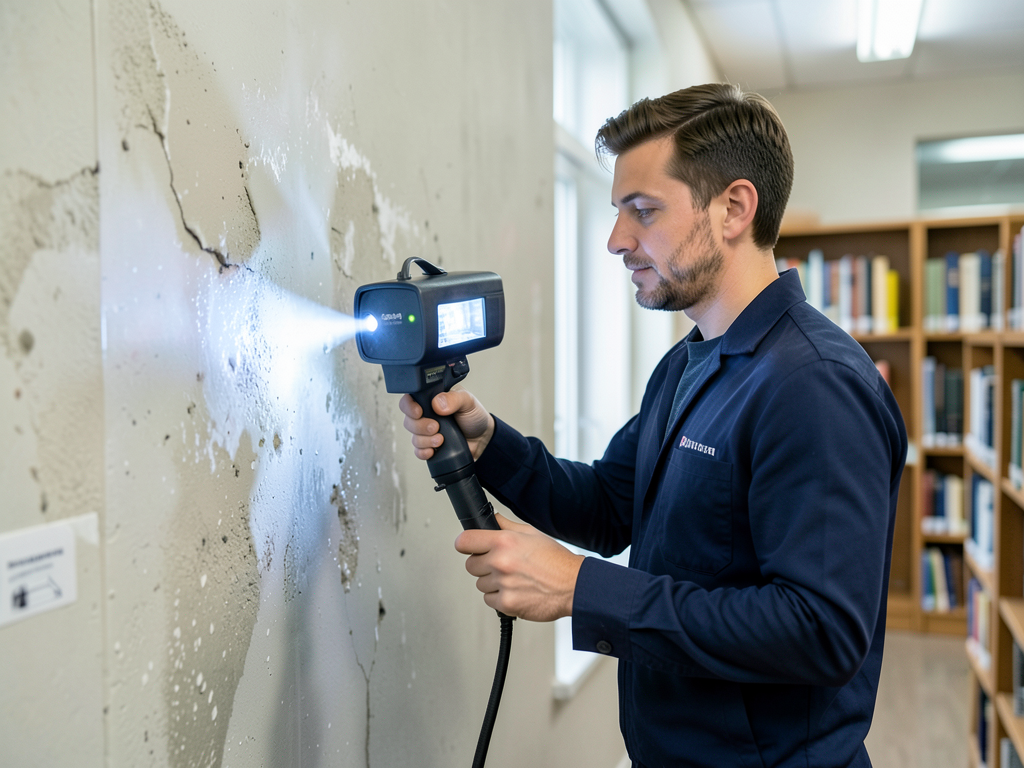
Protecting Your Rare Book Collection and Home Library from High Greenwich Humidity
Greenwich’s coastal location means your home library faces unique moisture challenges. The combination of Long Island Sound humidity, historic stone foundations, and temperature swings in back-country estates creates perfect conditions for book damage. Understanding these local risks and implementing proper moisture control can mean the difference between preserving a lifetime collection and watching rare volumes warp, fox, and mold. Library of Congress preservation guidelines.
The Greenwich Climate and Your Collection
Greenwich experiences summer humidity levels that regularly exceed 70% relative humidity. During July and August, coastal air from Long Island Sound pushes moisture deep into stone and brick foundations common in Riverside and Old Greenwich homes. The average July humidity reading at Greenwich Point Park is 72%, with afternoon spikes reaching 85% after rain events.. Read more about Managing humidity and moisture around an indoor living wall or vertical garden.
Historic properties along Greenwich Avenue and in the Back Country area face additional challenges. Many were built before modern vapor barriers existed, allowing moisture to migrate through fieldstone walls. The freeze-thaw cycles common to Connecticut winters cause microscopic cracks that expand over decades, creating pathways for water vapor. Emergency Water Damage Restoration for Old Greenwich Coastal Homes.
The Science of Book Preservation: The 50/50 Rule
Archival science establishes clear parameters for paper preservation. The Library of Congress recommends maintaining relative humidity at 50% ± 5% and temperature between 50-65°F for optimal book storage. These conditions slow cellulose degradation and prevent mold spore activation.
Books are hygroscopic materials, meaning they absorb and release moisture from the surrounding air. When humidity exceeds 65%, paper fibers swell and adhesives soften. Covers warp, pages ripple, and inks may bleed. Below 30% humidity, paper becomes brittle and prone to cracking.
The 50/50 Rule applies differently to various materials:
- Vellum and parchment: 45-55% RH
- Modern coated paper: 40-60% RH
- Leather bindings: 40-60% RH with temperature control
Greenwich’s climate makes year-round compliance challenging. Summer requires active dehumidification while winter may need supplemental humidification to prevent static electricity damage to delicate pages. Water Damage Restoration Meriden.
Structural Vulnerabilities in Luxury Estates
Many Greenwich estates feature finished basements converted to libraries. These spaces present multiple moisture entry points. Hydrostatic pressure from high water tables pushes moisture through concrete foundations. Clay-heavy soil in inland areas retains water, creating constant vapor drive toward living spaces. Basement Waterproofing Guide.
Thermal bridging occurs when library walls connect to unheated crawl spaces or exterior stone walls. Temperature differentials create condensation points where warm, moist air meets cold surfaces. This invisible moisture source can damage books without any visible water intrusion.
Common structural issues in Greenwich libraries:
- Missing or deteriorated vapor barriers in older homes
- Improper HVAC sizing leading to short cycling
- Crawl space moisture affecting above-floor collections
- Window condensation on single-pane historic windows
Properties in Belle Haven and along the coast face salt air corrosion of HVAC components. Salt particles attract moisture, creating localized humidity pockets around ductwork and registers.
Professional Monitoring vs. DIY Solutions
Basic hygrometers provide only surface readings. Professional environmental monitoring uses calibrated sensors placed at multiple heights and wall positions. Temperature stratification in tall rooms means ceiling air may be 5-8°F warmer than floor level, creating different moisture conditions at various heights. Professional Sewage Backup Cleanup and Sanitization for Cos Cob Residents.
Integrated smart-home systems offer continuous monitoring but require proper sensor placement. Wall-mounted units near exterior walls read cooler, potentially triggering unnecessary dehumidification. Professional assessment identifies optimal sensor locations based on air flow patterns and heat sources.
Comparison of monitoring approaches:
| Method | Accuracy | Cost Range | Best For |
|---|---|---|---|
| Basic Hygrometer | ±5% RH | $20-50 | Quick checks |
| Digital Thermometer/Hygrometer | ±3% RH | $50-200 | Small collections |
| Professional Monitoring | ±1% RH | $500-2,000 | Valuable collections |
| Smart Home Integration | ±2% RH | $300-1,500 | Tech-savvy owners |
Professional monitoring includes data logging to identify patterns. A spike at 3 AM might indicate a failing HVAC system, while gradual increases suggest foundation moisture migration.
When Prevention Fails: Identifying Early Water Damage
Early detection prevents catastrophic loss. The musty odor of active mold indicates spore colonies already established. By the time you smell mold, colonies may cover 1-2 square feet and require professional remediation.
Foxing appears as reddish-brown spots on paper pages. These are iron deposits that accelerate under high humidity. While not immediately destructive, foxing spreads and reduces collectible value. Temperature above 70°F accelerates foxing formation by 300%.
Physical indicators of moisture damage:
- Warped book boards creating a concave spine profile
- Ruffled page edges where humidity caused uneven expansion
- Adhesive failure causing pages to detach from binding
- Metal bookmark corrosion leaving rust stains
Professional moisture meters detect hidden problems. A pin-type meter reading above 18% moisture content in wooden shelves indicates active water intrusion. Non-invasive scanning identifies temperature anomalies suggesting moisture behind walls.
Professional Restoration When Disaster Strikes
Water damage requires immediate response. Mold spores germinate within 24-48 hours of moisture exposure. The EPA’s Mold Remediation guidelines require containment and negative air pressure for areas exceeding 10 square feet of visible mold. EPA mold remediation standards.
Restoration process for water-damaged libraries:
- Emergency water extraction using commercial-grade pumps
- Content removal and cataloging for insurance purposes
- Structural drying with industrial dehumidifiers
- Content cleaning using specialized book restoration techniques
- Final moisture verification before reinstallation
Insurance considerations matter. Standard homeowners policies exclude gradual water damage and mold. Sudden pipe bursts are covered, but slow foundation leaks are not. Document collection values separately as many policies limit book coverage to $2,500. Fast Burst Pipe Repair and Water Extraction in Mid-Country Greenwich.
Professional restoration services coordinate with insurance adjusters, providing detailed damage assessments and restoration plans. This expertise often results in higher claim approvals and faster processing.
Creating a Library Preservation Plan
Prevention costs less than restoration. A comprehensive plan includes regular monitoring, HVAC maintenance, and emergency response procedures. Document your collection with photographs and appraisals for insurance purposes.
Essential preservation steps:
- Install humidity monitors in multiple locations
- Schedule annual HVAC inspections before cooling season
- Check foundation walls for efflorescence (white mineral deposits)
- Test sump pumps quarterly during rainy seasons
- Maintain dehumidifier filters according to manufacturer schedules
Emergency kit contents for library owners:
- Plastic sheeting and waterproof tape
- Portable battery-operated fans
- Moisture-absorbent packets
- Contact information for restoration professionals
- Inventory list with replacement values
Greenwich’s specific risks require local knowledge. Coastal flooding from Long Island Sound storm surges can back up municipal drainage systems. Properties near Greenwich Point Park may experience saltwater intrusion during extreme high tides.
Advanced Protection Technologies
Modern library preservation uses technology beyond basic dehumidifiers. Desiccant dehumidification systems remove moisture without cooling air, making them ideal for temperature-sensitive collections. These systems achieve 20-30% lower humidity than conventional refrigeration-based units.
Thermal imaging cameras detect moisture behind walls without destructive testing. Wet insulation appears 10-15°F cooler than dry areas. This non-invasive scanning identifies problems before visible damage occurs.
Emerging technologies for library protection:
- Wireless sensor networks with smartphone alerts
- UV-C light systems for airborne mold spore neutralization
- Smart HVAC zoning for library-specific climate control
- Automated water leak detection with shut-off valves
Integration with home automation systems allows remote monitoring. Receive alerts when humidity exceeds preset thresholds, enabling rapid response even when away from home.
Local Resources and Support
Greenwich offers specialized resources for book collectors. The Greenwich Library’s conservation department provides free consultations on basic preservation techniques. The Bruce Museum occasionally hosts workshops on paper conservation.
Local building codes affect library construction. Connecticut State Building Code requires specific vapor barrier installation in finished basements. FEMA Flood Insurance Rate Maps show high-risk zones along the coast, affecting insurance requirements and construction methods.
Professional associations provide additional guidance:
- American Institute for Conservation
- Library of Congress Preservation Directorate
- American Library Association’s Rare Books and Manuscripts Section
Networking with other collectors provides practical insights. Greenwich estates often share similar construction challenges, making peer advice valuable for identifying local solutions.
Call to Action
Your rare book collection represents years of careful acquisition and significant financial investment. Don’t wait for disaster to strike. Call (475) 320-3777 today to schedule a professional library moisture assessment. Our certified technicians understand Greenwich’s unique environmental challenges and can recommend specific solutions for your home.
Early intervention prevents costly restoration. A simple assessment now could save thousands in potential damage. Pick up the phone and call (475) 320-3777 before the next coastal storm hits. Your collection deserves professional protection.
Frequently Asked Questions
What humidity level is safe for rare books?
The ideal range is 45-55% relative humidity at temperatures between 50-65°F. This prevents paper degradation, mold growth, and binding damage while maintaining proper material flexibility.
How quickly does mold grow on wet books?
Mold spores begin germinating within 24-48 hours of moisture exposure. Active mold colonies become visible within 72 hours and can spread rapidly through a collection if not addressed immediately.
Can I use a regular dehumidifier for my library?
Basic dehumidifiers work for small spaces but lack the precision needed for valuable collections. Professional systems offer better humidity control, air filtration, and monitoring capabilities essential for preservation.
Does homeowners insurance cover water damage to books?
Standard policies cover sudden, accidental water damage but exclude gradual damage and mold. Valuable collections often need separate coverage with documented appraisals and specific riders.
How often should I check my library’s humidity?
Monitor continuously with automated systems. Manual checks should occur weekly, with more frequent monitoring during seasonal changes when humidity fluctuates most dramatically.
You may also find this helpful. Protecting your designer wardrobe and couture from mold after a bedroom leak.
{
“@context”: “https://schema.org”,
“@type”: “BlogPosting”,
“headline”: “Protecting your rare book collection and home library from high Greenwich humidity”,
“description”: “Expert moisture control for Greenwich home libraries. Learn the 50/50 Rule, detect early water damage, and protect rare books from coastal humidity. Call (475) 320-3777 for professional monitoring.”,
“wordCount”: 1548,
“datePublished”: “2026-06-06T14:33:00.000Z”,
“dateModified”: “2026-06-06T14:33:00.000Z”,
“inLanguage”: “en-US”,
“mainEntityOfPage”: {
“@type”: “WebPage”,
“@id”: “https://heritagewaterdamagerestorationgreenwich.com”
},
“publisher”: {
“@type”: “LocalBusiness”,
“name”: “Heritage Water Damage Restoration Greenwich”,
“url”: “https://heritagewaterdamagerestorationgreenwich.com”
},
“author”: {
“@type”: “Organization”,
“name”: “Heritage Water Damage Restoration Greenwich”,
“url”: “https://heritagewaterdamagerestorationgreenwich.com”
},
“image”: {
“@type”: “ImageObject”,
“url”: “https://heritagewaterdamagerestorationgreenwich.com/wp-content/uploads/2026/03/protecting-your-rare-book-collection-and-home-libr-1.png”
}
}
{
“@context”: “https://schema.org”,
“@type”: “LocalBusiness”,
“name”: “Heritage Water Damage Restoration Greenwich”,
“url”: “https://heritagewaterdamagerestorationgreenwich.com”,
“address”: {
“@type”: “PostalAddress”,
“addressLocality”: “Greenwich”
},
“areaServed”: {
“@type”: “City”,
“name”: “Greenwich”
}
}
{
“@context”: “https://schema.org”,
“@type”: “FAQPage”,
“mainEntity”: [
{
“@type”: “Question”,
“name”: “What humidity level is safe for rare books?”,
“acceptedAnswer”: {
“@type”: “Answer”,
“text”: “The ideal range is 45-55% relative humidity at temperatures between 50-65°F. This prevents paper degradation, mold growth, and binding damage while maintaining proper material flexibility.”
}
},
{
“@type”: “Question”,
“name”: “How quickly does mold grow on wet books?”,
“acceptedAnswer”: {
“@type”: “Answer”,
“text”: “Mold spores begin germinating within 24-48 hours of moisture exposure. Active mold colonies become visible within 72 hours and can spread rapidly through a collection if not addressed immediately.”
}
},
{
“@type”: “Question”,
“name”: “Can I use a regular dehumidifier for my library?”,
“acceptedAnswer”: {
“@type”: “Answer”,
“text”: “Basic dehumidifiers work for small spaces but lack the precision needed for valuable collections. Professional systems offer better humidity control, air filtration, and monitoring capabilities essential for preservation.”
}
},
{
“@type”: “Question”,
“name”: “Does homeowners insurance cover water damage to books?”,
“acceptedAnswer”: {
“@type”: “Answer”,
“text”: “Standard policies cover sudden, accidental water damage but exclude gradual damage and mold. Valuable collections often need separate coverage with documented appraisals and specific riders.”
}
},
{
“@type”: “Question”,
“name”: “How often should I check my library’s humidity?”,
“acceptedAnswer”: {
“@type”: “Answer”,
“text”: “Monitor continuously with automated systems. Manual checks should occur weekly, with more frequent monitoring during seasonal changes when humidity fluctuates most dramatically.”
}
}
]
}
{
“@context”: “https://schema.org”,
“@type”: “BreadcrumbList”,
“itemListElement”: [
{
“@type”: “ListItem”,
“position”: 1,
“name”: “Home”,
“item”: “https://heritagewaterdamagerestorationgreenwich.com”
},
{
“@type”: “ListItem”,
“position”: 2,
“name”: “Blog”,
“item”: “https://heritagewaterdamagerestorationgreenwich.com/blog”
},
{
“@type”: “ListItem”,
“position”: 3,
“name”: “Protecting your rare book collection and home library from high Greenwich humidity”
}
]
}
{
“@context”: “https://schema.org”,
“@type”: “Service”,
“serviceType”: “Water Damage Restoration”,
“provider”: {
“@type”: “LocalBusiness”,
“name”: “Heritage Water Damage Restoration Greenwich”,
“url”: “https://heritagewaterdamagerestorationgreenwich.com”
},
“areaServed”: {
“@type”: “City”,
“name”: “Greenwich”
},
“description”: “Expert moisture control for Greenwich home libraries. Learn the 50/50 Rule, detect early water damage, and protect rare books from coastal humidity. Call (475) 320-3777 for professional monitoring.”
}