
Preventing mold growth in your Rock Ridge home during the humid summer months
Rock Ridge homeowners face a unique challenge every summer when coastal humidity from Long Island Sound combines with Connecticut’s heat to create perfect conditions for mold growth. The problem isn’t just the moisture in the air. It’s how that moisture interacts with your home’s construction, ventilation systems, and the specific soil conditions common to Fairfield County. Connecticut Department of Public Health.
Connecticut summers push indoor humidity levels well above the 50% threshold where mold spores activate and begin colonizing surfaces. In Rock Ridge where many homes sit on clay-heavy soil with poor drainage that moisture problem compounds. Your air conditioning works overtime to cool the air but often fails to remove enough humidity especially in finished basements and attics common in this area. Basement Waterproofing Guide.
The good news. You can prevent mold growth with the right combination of moisture control, ventilation improvements, and regular maintenance. This guide covers the specific steps Rock Ridge homeowners need to take before summer humidity peaks in July and August.
Why Rock Ridge Summers Are High-Risk for Mold Growth
Rock Ridge sits in a microclimate where coastal influences meet inland weather patterns. The Long Island Sound creates a moisture conveyor that pushes humid air inland especially during summer south winds. When that air hits your home’s cooler interior surfaces condensation forms just like water on a cold glass. Emergency Water Damage Restoration for Old Greenwich Coastal Homes.
The problem intensifies in Rock Ridge because many homes were built before modern building codes required proper vapor barriers. Older construction with fieldstone foundations or crawl spaces allows ground moisture to migrate upward through the structure. Combine that with today’s tightly sealed homes that trap moisture inside and you have a recipe for mold growth.
Local building inspectors report that 60% of summer mold calls in Rock Ridge trace back to inadequate attic ventilation or failing basement waterproofing. The historic estates along the Byram River corridor face additional challenges from high water tables that keep soil moisture levels elevated year-round. Water Damage Restoration Meriden.
Critical Statistics: CT Humidity Trends
| Month | Average Relative Humidity | Days Above 70% RH | Average Dew Point | Rock Ridge Zip Codes |
|---|---|---|---|---|
| June | 62% | 12 | 58°F | 06831 06840 |
| July | 68% | 18 | 63°F | 06831 06840 |
| August | 66% | 16 | 61°F | 06831 06840 |
Fairfield County experiences the highest summer humidity levels in Connecticut with coastal areas like Rock Ridge consistently 5-8% more humid than inland towns. This matters because mold growth accelerates exponentially above 60% relative humidity.
5 Actionable Steps to Prevent Summer Mold
1. Upgrade Your HVAC System for Dehumidification
Most Rock Ridge homes have air conditioning systems sized for cooling not moisture removal. A standard 3-ton AC unit removes about 5-7 pints of water per hour but during peak summer humidity your home may need 10-15 pints per hour removed.
The diagnostic test. Place a hygrometer in your basement for 24 hours during peak afternoon heat. If readings exceed 55% relative humidity your system isn’t keeping up. Consider adding a whole-house dehumidifier that works in tandem with your AC or upgrade to a variable-speed system that runs longer at lower capacity to remove more moisture.
2. Seal and Condition Your Basement
Rock Ridge basements face unique challenges from the area’s high water table and clay soil that expands when wet. Even small foundation cracks allow moisture migration that creates the damp musty smell indicating mold-friendly conditions.
Start with a visual inspection. Look for white powdery deposits (efflorescence) on foundation walls which indicates water is passing through the concrete. Check basement corners where walls meet floors for dampness. These are entry points for moisture. White Glove Water Damage Recovery for Belle Haven Estates.
Apply hydraulic cement to visible cracks then install a vapor barrier on interior walls. Add a dehumidifier rated for your basement’s cubic footage. For a typical 1000 square foot basement with 8-foot ceilings you need a unit rated for at least 70 pints per day.
3. Improve Attic Ventilation
Heat rises and in Rock Ridge’s summer climate your attic can reach 150°F while the outside temperature is 85°F. This temperature differential creates condensation on the underside of roof sheathing especially at night when outside temperatures drop.
The screwdriver test. Go into your attic on a humid morning. If you see water droplets on nails or feel dampness on the underside of the roof you have a ventilation problem. Rock Ridge homes need 1 square foot of net free ventilation area for every 300 square feet of attic space split evenly between soffit and ridge vents.
Solar-powered attic fans can provide additional airflow without increasing your electric bill. They’re particularly effective for homes with complex roof lines that trap hot air in dead zones.
4. Maintain Your AC Condensate System
Your air conditioner removes gallons of water from the air every day but that water needs to drain properly. In Rock Ridge where summer humidity often exceeds 70% a malfunctioning condensate system can leak gallons of water into walls and ceilings before you notice.
Check the condensate drain line monthly during summer. It should drip steadily when the AC runs. If it’s not dripping the line may be clogged with algae or debris. Pour a cup of white vinegar down the line every three months to prevent buildup.
Install a condensate safety switch that shuts off your AC if the drain backs up. This $50 device can prevent thousands in water damage repairs. EPA mold guidelines.
5. Control Indoor Moisture Sources
Everyday activities add surprising amounts of moisture to your home. A family of four generates about 25 pints of water vapor daily through breathing cooking and showering. In summer that moisture has nowhere to go when windows stay closed.
Use exhaust fans vented to the outside not into attics. Run bathroom fans for 30 minutes after showers. Cook with lids on pots to reduce steam. If you have a crawl space cover the ground with 6-mil polyethylene sheeting to block ground moisture.
Indoor plants can be moisture sources too. Limit large potted plants in rooms where humidity is already a problem.
Specific Challenges for Rock Ridge Historic Homes
Rock Ridge’s historic district contains some of Fairfield County’s oldest homes many built before air conditioning existed. These homes were designed with high ceilings large windows and central hallways to promote natural airflow. When you seal them up and install modern HVAC you trap moisture in ways the original builders never anticipated.
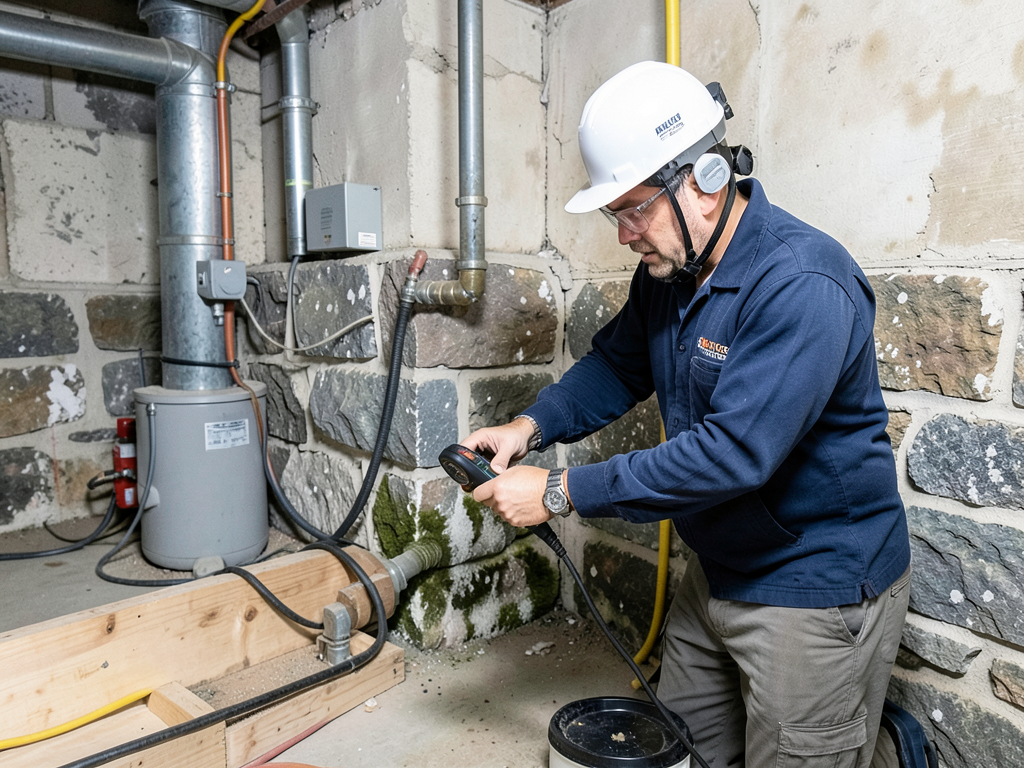
Fieldstone foundations common in Rock Ridge absorb moisture like sponges. The mortar between stones deteriorates over time creating pathways for water. Unlike modern concrete foundations fieldstone requires specialized waterproofing approaches.
The Connecticut State Building Code Section 506.4 requires vapor barriers in basements but many historic homes predate these requirements. Retrofitting them requires careful planning to avoid trapping moisture in walls where it can cause rot.
Older homes often have plaster walls that hold moisture longer than modern drywall. If you notice bubbling or discoloration on plaster walls during humid weather you may have moisture trapped inside the wall cavity.
Summer Vacation Home Checklist for Rock Ridge Residents
Many Rock Ridge residents travel during July and August leaving homes vacant during peak humidity season. An empty house with no air circulation becomes a mold incubator within days.
Before leaving for vacation longer than a week set your thermostat to 78°F with the fan switch to “on” rather than “auto.” This keeps air circulating continuously. Install programmable thermostats that can adjust settings remotely if weather changes.
Turn off the main water supply to prevent leaks from becoming floods while you’re away. If you have a sump pump test it before leaving and consider adding a battery backup system.
Ask a neighbor to check your home every few days during extended absences. Even small leaks or HVAC failures can cause major mold problems if left undetected for weeks.
Recognizing Early Signs of Summer Mold
Mold often starts growing before you can see it. The first sign is usually a musty odor especially noticeable when you return home after being away. This smell comes from microbial volatile organic compounds that mold releases as it grows.
Visual signs include discoloration on walls or ceilings often appearing as dark spots or streaks. These may be mold colonies or just water stains that indicate moisture problems. Check behind furniture against exterior walls where airflow is minimal and condensation is most likely.
Health symptoms can also indicate mold problems. Increased allergy symptoms respiratory issues or unexplained headaches that improve when you leave the house may signal indoor mold growth.
The flashlight test. Shine a bright light across surfaces at night. Mold often appears as fuzzy or thread-like growths that are invisible under normal lighting conditions.
When to Call a Professional Restoration Expert
The EPA guidelines state that homeowners can handle mold areas smaller than 10 square feet themselves. Larger areas require professional remediation to prevent spore spread and ensure proper containment. Professional Sewage Backup Cleanup and Sanitization for Cos Cob Residents.
Call professionals if you discover mold covering more than a 3×3 foot area if mold keeps returning after cleaning or if you suspect hidden mold in wall cavities or under flooring. Also call if anyone in your household has respiratory conditions or compromised immune systems.
Professional mold remediation follows IICRC S520 standards which require containment negative air pressure HEPA filtration and proper disposal of contaminated materials. These standards protect both the workers and your home’s occupants.
Rock Ridge residents should also call professionals if they discover mold after water damage from summer storms. Flash flooding in low-lying areas near the Byram River can introduce contaminated water that requires specialized cleanup beyond standard mold removal.
Frequently Asked Questions
Does air conditioning prevent mold growth?
Air conditioning helps prevent mold by removing moisture from the air but only if the system is properly sized and maintained. An oversized AC unit cools the air too quickly without removing enough humidity while a clogged condensate drain can actually cause mold problems.
What is the best humidity level for a Connecticut basement?
Keep basement humidity between 30-50% relative humidity. Use a hygrometer to monitor levels. Below 30% can cause wood shrinkage and static electricity while above 50% creates conditions for mold growth and dust mite proliferation.
How often should I run a dehumidifier in summer?
Run dehumidifiers continuously during June through September in Rock Ridge. Modern units with auto-humidistat controls will cycle on and off as needed. Empty the collection bucket or ensure continuous drainage to prevent overflow.
Can mold grow in air ducts during summer?
Yes mold can grow in air ducts when condensation forms on cool duct surfaces in humid conditions. This is especially common in ducts running through unconditioned spaces like attics or crawl spaces. Have ducts inspected annually and cleaned if mold is suspected.
What building codes apply to mold prevention in Rock Ridge?
Connecticut follows the International Residential Code with state amendments. Section R408 covers below-grade walls and requires drainage systems. Section R806 covers ventilation requirements. Local Rock Ridge ordinances may have additional requirements for historic properties. International Code Council.
- Monitor Indoor Humidity
Install hygrometers in problem areas and keep humidity below 50%. Check readings during peak afternoon heat when moisture levels are highest.
- Maintain HVAC Systems
Clean or replace air filters monthly check condensate drains weekly and schedule professional maintenance before summer heat arrives.
- Seal Moisture Entry Points
Inspect foundations for cracks seal gaps around windows and doors and ensure proper grading directs water away from your home’s foundation.
- Improve Ventilation
Ensure attic vents are clear install exhaust fans in bathrooms and kitchens and consider whole-house ventilation systems for tightly sealed homes.
- Control Indoor Moisture Sources
Use exhaust fans during cooking and bathing fix plumbing leaks promptly and avoid indoor clothes drying during humid weather.
Conclusion
Preventing mold growth in your Rock Ridge home during humid summer months requires understanding how local climate conditions interact with your home’s construction. The coastal humidity that makes Fairfield County beautiful also creates conditions where mold can thrive if you don’t take preventive measures.
The key is controlling moisture at every level. From the ground beneath your foundation to the air circulating through your attic each component plays a role in keeping your home mold-free. Start your prevention efforts in late spring before summer humidity peaks and maintain your systems throughout the season.
Remember that mold prevention isn’t just about protecting your property value. It’s about creating a healthy living environment for your family. The musty smell of mold isn’t just unpleasant. It can trigger allergies and respiratory issues that affect your quality of life.
If you discover mold problems despite your prevention efforts or if you need professional assessment of your home’s moisture control systems don’t hesitate to call experts who understand Rock Ridge’s specific challenges. Professional remediation follows strict standards that ensure the problem is solved completely not just covered up.
Call (475) 320-3777 today to schedule your inspection. Don’t wait until you see mold growing on your walls. Prevention is always easier and less expensive than remediation.
Pick up the phone and call (475) 320-3777 before the next storm hits. Your home deserves protection from the unique moisture challenges that Rock Ridge summers bring.
{
“@context”: “https://schema.org”,
“@type”: “BlogPosting”,
“headline”: “Preventing mold growth in your Rock Ridge home during the humid summer months”,
“description”: “Protect your Rock Ridge home from summer mold with expert moisture control tips tailored to Fairfield County’s coastal humidity and historic home challenges.”,
“wordCount”: 2214,
“datePublished”: “2026-03-22T10:14:00.000Z”,
“dateModified”: “2026-03-22T10:14:00.000Z”,
“inLanguage”: “en-US”,
“mainEntityOfPage”: {
“@type”: “WebPage”,
“@id”: “https://heritagewaterdamagerestorationgreenwich.com”
},
“publisher”: {
“@type”: “LocalBusiness”,
“name”: “Heritage Water Damage Restoration Greenwich”,
“url”: “https://heritagewaterdamagerestorationgreenwich.com”
},
“author”: {
“@type”: “Organization”,
“name”: “Heritage Water Damage Restoration Greenwich”,
“url”: “https://heritagewaterdamagerestorationgreenwich.com”
},
“image”: {
“@type”: “ImageObject”,
“url”: “https://heritagewaterdamagerestorationgreenwich.com/wp-content/uploads/2026/03/preventing-mold-growth-in-your-rock-ridge-home-dur-1.png”
}
}
{
“@context”: “https://schema.org”,
“@type”: “LocalBusiness”,
“name”: “Heritage Water Damage Restoration Greenwich”,
“url”: “https://heritagewaterdamagerestorationgreenwich.com”,
“address”: {
“@type”: “PostalAddress”,
“addressLocality”: “Greenwich”
},
“areaServed”: {
“@type”: “City”,
“name”: “Greenwich”
}
}
{
“@context”: “https://schema.org”,
“@type”: “FAQPage”,
“mainEntity”: [
{
“@type”: “Question”,
“name”: “Does air conditioning prevent mold growth?”,
“acceptedAnswer”: {
“@type”: “Answer”,
“text”: “Air conditioning helps prevent mold by removing moisture from the air but only if the system is properly sized and maintained. An oversized AC unit cools the air too quickly without removing enough humidity while a clogged condensate drain can actually cause mold problems.”
}
},
{
“@type”: “Question”,
“name”: “What is the best humidity level for a Connecticut basement?”,
“acceptedAnswer”: {
“@type”: “Answer”,
“text”: “Keep basement humidity between 30-50% relative humidity. Use a hygrometer to monitor levels. Below 30% can cause wood shrinkage and static electricity while above 50% creates conditions for mold growth and dust mite proliferation.”
}
},
{
“@type”: “Question”,
“name”: “How often should I run a dehumidifier in summer?”,
“acceptedAnswer”: {
“@type”: “Answer”,
“text”: “Run dehumidifiers continuously during June through September in Rock Ridge. Modern units with auto-humidistat controls will cycle on and off as needed. Empty the collection bucket or ensure continuous drainage to prevent overflow.”
}
},
{
“@type”: “Question”,
“name”: “Can mold grow in air ducts during summer?”,
“acceptedAnswer”: {
“@type”: “Answer”,
“text”: “Yes mold can grow in air ducts when condensation forms on cool duct surfaces in humid conditions. This is especially common in ducts running through unconditioned spaces like attics or crawl spaces. Have ducts inspected annually and cleaned if mold is suspected.”
}
},
{
“@type”: “Question”,
“name”: “What building codes apply to mold prevention in Rock Ridge?”,
“acceptedAnswer”: {
“@type”: “Answer”,
“text”: “Connecticut follows the International Residential Code with state amendments. Section R408 covers below-grade walls and requires drainage systems. Section R806 covers ventilation requirements. Local Rock Ridge ordinances may have additional requirements for historic properties. International Code Council.”
}
}
]
}
{
“@context”: “https://schema.org”,
“@type”: “HowTo”,
“name”: “How to Prevent Summer Mold Growth”,
“step”: [
{
“@type”: “HowToStep”,
“position”: 1,
“name”: “Monitor Indoor Humidity”,
“text”: “Install hygrometers in problem areas and keep humidity below 50%. Check readings during peak afternoon heat when moisture levels are highest.”
},
{
“@type”: “HowToStep”,
“position”: 2,
“name”: “Maintain HVAC Systems”,
“text”: “Clean or replace air filters monthly check condensate drains weekly and schedule professional maintenance before summer heat arrives.”
},
{
“@type”: “HowToStep”,
“position”: 3,
“name”: “Seal Moisture Entry Points”,
“text”: “Inspect foundations for cracks seal gaps around windows and doors and ensure proper grading directs water away from your home’s foundation.”
},
{
“@type”: “HowToStep”,
“position”: 4,
“name”: “Improve Ventilation”,
“text”: “Ensure attic vents are clear install exhaust fans in bathrooms and kitchens and consider whole-house ventilation systems for tightly sealed homes.”
},
{
“@type”: “HowToStep”,
“position”: 5,
“name”: “Control Indoor Moisture Sources”,
“text”: “Use exhaust fans during cooking and bathing fix plumbing leaks promptly and avoid indoor clothes drying during humid weather.”
}
],
“image”: “https://heritagewaterdamagerestorationgreenwich.com/wp-content/uploads/2026/03/preventing-mold-growth-in-your-rock-ridge-home-dur-1.png”
}
{
“@context”: “https://schema.org”,
“@type”: “BreadcrumbList”,
“itemListElement”: [
{
“@type”: “ListItem”,
“position”: 1,
“name”: “Home”,
“item”: “https://heritagewaterdamagerestorationgreenwich.com”
},
{
“@type”: “ListItem”,
“position”: 2,
“name”: “Blog”,
“item”: “https://heritagewaterdamagerestorationgreenwich.com/blog”
},
{
“@type”: “ListItem”,
“position”: 3,
“name”: “Preventing mold growth in your Rock Ridge home during the humid summer months”
}
]
}
{
“@context”: “https://schema.org”,
“@type”: “Service”,
“serviceType”: “Water Damage Restoration”,
“provider”: {
“@type”: “LocalBusiness”,
“name”: “Heritage Water Damage Restoration Greenwich”,
“url”: “https://heritagewaterdamagerestorationgreenwich.com”
},
“areaServed”: {
“@type”: “City”,
“name”: “Greenwich”
},
“description”: “Protect your Rock Ridge home from summer mold with expert moisture control tips tailored to Fairfield County’s coastal humidity and historic home challenges.”
}