
Evaluating the flood history and water risk when buying near the Mianus River
The Mianus River’s flood patterns can turn a dream home into a disaster zone within hours. Understanding the river’s behavior near Cos Cob and Riverside neighborhoods helps you make informed decisions before signing on the dotted line. This guide breaks down flood zone designations FEMA flood insurance requirements and emergency restoration steps specific to Greenwich’s Mianus River basin. FEMA Flood Map Service Center.
Understanding the Mianus River Flood Plain
The Mianus River flows through a 40-square-mile watershed that includes dense residential development in Greenwich’s Cos Cob and Riverside areas. During heavy rainfall events the river’s response time from normal flow to flood stage averages just 6 to 8 hours. This rapid rise catches many homeowners off guard especially those unfamiliar with the area’s flood history. Emergency Water Damage Restoration for Old Greenwich Coastal Homes.
The USGS maintains a real-time gauge near the Mianus River’s mouth at Cos Cob Harbor. This gauge measures water levels every 15 minutes and provides critical data during storm events. When the gauge reads 7.5 feet above sea datum minor flooding begins along River Road and Valley Road. At 9.0 feet moderate flooding affects basements and first floors in the flood plain. Major flooding starts at 10.5 feet when water reaches Route 1 and the Metro North tracks. USGS Mianus River Gauge.
High-Risk Areas in Greenwich
Properties within 500 feet of the Mianus River face the highest flood risk in Greenwich. The 100-year floodplain covers approximately 350 acres including portions of North Mianus Cos Cob and areas near Mianus River Park. FEMA designates these areas as Zone AE meaning base flood elevations have been determined and flood insurance is mandatory for federally backed mortgages.
The 500-year floodplain extends further upland and includes parts of Glenville and areas along the Byram River tributary. While the risk is lower the consequences remain severe. A 500-year flood event would affect over 800 structures in Greenwich including historic homes along Valley Road and commercial properties on East Putnam Avenue.
North Mianus residents face unique challenges due to the area’s topography. The neighborhood sits in a bowl-like depression where stormwater collects. During intense rainfall events water backs up from storm drains creating localized flooding even outside FEMA designated zones. This phenomenon known as urban flooding affects properties on Brookside Drive and Mead Avenue where drainage systems cannot keep pace with rainfall rates exceeding 2 inches per hour. Water Damage Restoration Meriden.
Interactive Greenwich Flood Maps & Resources
The Town of Greenwich provides an online GIS portal where you can enter any address and see flood zone designations base flood elevations and historical flood extent. This tool uses FEMA’s Digital Flood Insurance Rate Maps updated in 2022. The portal shows whether your property sits in Zone AE Zone X or an undetermined risk area.
Zone AE properties require flood insurance with premiums averaging $2,000 to $4,000 annually depending on elevation and construction type. Zone X properties outside the 500-year floodplain may still face flooding from local drainage issues or river overflow during extreme events. Properties in Zone X can purchase flood insurance at reduced rates typically $400 to $800 per year.
The Connecticut Department of Energy and Environmental Protection maintains records of all Mianus River flood events since 1950. These records show that major flooding occurs on average every 7 to 10 years with minor flooding happening multiple times per decade. The most severe recent event was Hurricane Ida in 2021 which pushed the Mianus River to 11.2 feet causing widespread damage in Cos Cob and Riverside.
Immediate Steps During a Mianus River Flood Event
When the Mianus River gauge approaches 7.5 feet you have limited time to protect your property. First shut off electricity at the main breaker if water threatens your electrical system. Water and electricity create lethal conditions within seconds. Next move valuable items from basements and ground floors to upper levels. Focus on irreplaceable items like family photos documents and electronics. Basement Waterproofing Guide.
Document everything before waters rise. Take photos of your property’s condition appliances and valuable items. This documentation proves invaluable for insurance claims. Store these photos in cloud storage or on a waterproof device you can access from anywhere.
If flooding occurs despite your preparations prioritize safety over property. Never enter standing water in your home. Water may conceal hazards like live electrical wires or contaminated sewage. Wait for professional assessment before re-entering. When waters recede the damage assessment begins immediately. Professional Sewage Backup Cleanup and Sanitization for Cos Cob Residents.
Professional water damage restoration teams arrive within 60 to 90 minutes of your call. They assess structural integrity identify contamination risks and begin water extraction. The first 24 to 48 hours determine whether materials can be salvaged or must be replaced. Mold begins growing within 24 to 48 hours in damp conditions making rapid response critical.
Professional Water Damage Restoration in Greenwich
Greenwich’s unique flood challenges require specialized restoration expertise. The Mianus River carries sediment silt and sometimes sewage creating Category 3 water damage situations. This contamination requires specific protocols under IICRC S500 standards the industry benchmark for water damage restoration.
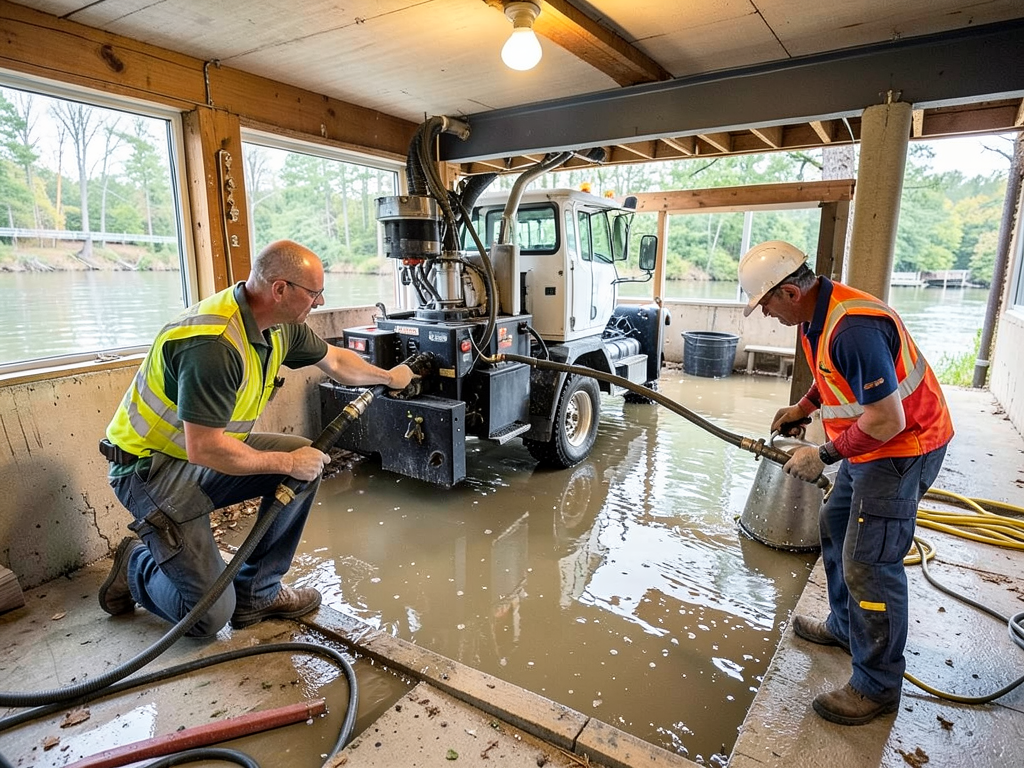
Professional restoration teams use industrial-grade equipment to handle Greenwich’s flood scenarios. Truck-mounted water extractors remove thousands of gallons per hour. High-capacity dehumidifiers with desiccants work in cold conditions common during spring floods. Air scrubbers with HEPA filtration remove airborne contaminants and prevent cross-contamination between affected and unaffected areas.
The restoration process follows a specific sequence. First water extraction removes standing water. Second contaminated materials like carpet padding and drywall get removed. Third structural drying uses moisture meters to verify materials reach target moisture content typically 12 to 16 percent for wood framing. Finally antimicrobial treatments prevent mold growth in remaining materials.
Greenwich properties often require specialized handling due to historic construction methods. Many homes in Cos Cob and Riverside feature plaster walls wood lath and fieldstone foundations. These materials absorb water differently than modern construction requiring adjusted drying times and techniques. Plaster walls may take 7 to 10 days to dry completely while drywall dries in 3 to 5 days.
Insurance coordination presents another challenge. Most Greenwich homeowners discover their standard policies exclude flood damage. FEMA’s National Flood Insurance Program covers structural damage but not contents. Restoration companies work directly with insurance adjusters providing detailed documentation and moisture mapping to support claims.
The restoration timeline varies by damage extent. Minor flooding affecting 100 square feet may take 3 to 5 days. Moderate flooding covering 500 square feet typically requires 7 to 10 days. Major flooding affecting entire basements or first floors extends to 14 to 21 days especially when structural repairs become necessary. Fast Burst Pipe Repair and Water Extraction in Mid-Country Greenwich.
Prevention strategies help minimize future damage. Installing backflow preventers on sewer lines stops sewage backup during river flooding. Elevating critical utilities like furnaces and water heaters above base flood elevation protects expensive equipment. Grading improvements direct water away from foundations reducing hydrostatic pressure.
Regular maintenance prevents many flood scenarios. Cleaning gutters and downspouts ensures proper drainage during heavy rainfall. Testing sump pumps monthly confirms they work when needed. Inspecting foundation cracks and sealing them prevents water infiltration during high water table conditions common in spring.
Greenwich’s coastal location creates additional challenges. Nor’easters combine high winds with heavy rainfall pushing ocean water up the Mianus River. This storm surge compounds river flooding creating more severe conditions than rainfall alone. Properties near Cos Cob Harbor face both riverine and coastal flood risks requiring comprehensive protection strategies.
Climate change increases flood frequency and severity. Historical data shows a 30 percent increase in heavy rainfall events over the past 30 years. This trend suggests properties previously considered low risk now face moderate risk. Elevation certificates become essential tools for understanding individual property vulnerability.
Professional assessment identifies vulnerabilities specific to your property. Moisture meters detect hidden dampness in walls and floors. Thermal imaging cameras reveal temperature differences indicating water presence. These diagnostic tools guide restoration efforts and prevention strategies ensuring comprehensive property protection.
The cost of professional restoration varies significantly. Minor water extraction and drying typically costs $2,000 to $5,000. Moderate damage requiring material removal and replacement ranges from $10,000 to $25,000. Major flooding affecting entire structures can exceed $50,000 especially when structural repairs become necessary.
Emergency response capability matters during flood events. Restoration companies with local presence arrive faster than those traveling from distant locations. Greenwich’s geography with limited access routes means travel times increase during severe weather. Local companies maintain equipment and personnel ready for immediate deployment.
Documentation throughout the restoration process protects your interests. Daily moisture readings show drying progress. Photo documentation records damage extent and restoration work. These records support insurance claims and provide peace of mind that restoration meets industry standards.
Post-restoration verification ensures complete recovery. Final moisture readings confirm materials reach safe levels. Air quality testing verifies no mold growth occurred during the drying process. These verification steps prevent future problems and protect your family’s health.
Understanding flood risk helps you make better decisions about property purchase and protection. Properties in Zone AE require flood insurance but also need comprehensive restoration planning. Properties in Zone X may still face flooding requiring similar preparation and response capabilities.
The Mianus River’s flood patterns will continue evolving with climate change and development patterns. Properties that flood today may flood more frequently tomorrow. Understanding these patterns and having restoration plans in place protects your investment and your family’s safety.
Frequently Asked Questions
What flood zone is my property in near the Mianus River?
You can check your flood zone designation using the Town of Greenwich GIS portal or by reviewing your property’s elevation certificate. Most properties within 500 feet of the Mianus River fall in FEMA Zone AE requiring mandatory flood insurance.
How quickly does the Mianus River flood during storms?
The Mianus River can rise from normal levels to flood stage within 6 to 8 hours during heavy rainfall. This rapid response time means you have limited warning to protect your property once heavy rain begins.
What should I do if my basement floods during a Mianus River overflow?
Never enter standing water in your basement. Shut off electricity if safe to do so and call professional restoration services immediately. The first 24 to 48 hours determine whether materials can be saved or must be replaced.
How much does flood damage restoration cost in Greenwich?
Restoration costs vary by damage extent. Minor flooding typically costs $2,000 to $5,000 while major flooding affecting entire structures can exceed $50,000. Insurance may cover some costs but flood damage often requires separate flood insurance policies.
Can I prevent Mianus River flooding from damaging my property?
While you cannot stop river flooding you can minimize damage through elevation of utilities installation of backflow preventers and proper grading. Regular maintenance of drainage systems and sump pumps also reduces flood risk during heavy rainfall events.
Ready to Protect Your Property?
Don’t wait for the next flood to discover your property’s vulnerabilities. Call (475) 320-3777 today to schedule a comprehensive flood risk assessment and learn about prevention strategies specific to your Mianus River area home. Our local experts understand Greenwich’s unique flood challenges and can help you prepare before disaster strikes.
You may also find this helpful. What happens to your home’s resale value after a major water damage restoration.
{
“@context”: “https://schema.org”,
“@type”: “BlogPosting”,
“headline”: “Evaluating the flood history and water risk when buying near the Mianus River”,
“description”: “Discover Mianus River flood zones, historical crest levels, and emergency restoration services for Greenwich homeowners. Protect your property with expert water damage recovery.”,
“wordCount”: 1881,
“datePublished”: “2026-06-11T15:55:00.000Z”,
“dateModified”: “2026-06-11T15:55:00.000Z”,
“inLanguage”: “en-US”,
“mainEntityOfPage”: {
“@type”: “WebPage”,
“@id”: “https://heritagewaterdamagerestorationgreenwich.com”
},
“publisher”: {
“@type”: “LocalBusiness”,
“name”: “Heritage Water Damage Restoration Greenwich”,
“url”: “https://heritagewaterdamagerestorationgreenwich.com”
},
“author”: {
“@type”: “Organization”,
“name”: “Heritage Water Damage Restoration Greenwich”,
“url”: “https://heritagewaterdamagerestorationgreenwich.com”
},
“image”: {
“@type”: “ImageObject”,
“url”: “https://heritagewaterdamagerestorationgreenwich.com/wp-content/uploads/2026/03/evaluating-the-flood-history-and-water-risk-when-b-1.png”
}
}
{
“@context”: “https://schema.org”,
“@type”: “LocalBusiness”,
“name”: “Heritage Water Damage Restoration Greenwich”,
“url”: “https://heritagewaterdamagerestorationgreenwich.com”,
“address”: {
“@type”: “PostalAddress”,
“addressLocality”: “Greenwich”
},
“areaServed”: {
“@type”: “City”,
“name”: “Greenwich”
}
}
{
“@context”: “https://schema.org”,
“@type”: “FAQPage”,
“mainEntity”: [
{
“@type”: “Question”,
“name”: “What flood zone is my property in near the Mianus River?”,
“acceptedAnswer”: {
“@type”: “Answer”,
“text”: “You can check your flood zone designation using the Town of Greenwich GIS portal or by reviewing your property’s elevation certificate. Most properties within 500 feet of the Mianus River fall in FEMA Zone AE requiring mandatory flood insurance.”
}
},
{
“@type”: “Question”,
“name”: “How quickly does the Mianus River flood during storms?”,
“acceptedAnswer”: {
“@type”: “Answer”,
“text”: “The Mianus River can rise from normal levels to flood stage within 6 to 8 hours during heavy rainfall. This rapid response time means you have limited warning to protect your property once heavy rain begins.”
}
},
{
“@type”: “Question”,
“name”: “What should I do if my basement floods during a Mianus River overflow?”,
“acceptedAnswer”: {
“@type”: “Answer”,
“text”: “Never enter standing water in your basement. Shut off electricity if safe to do so and call professional restoration services immediately. The first 24 to 48 hours determine whether materials can be saved or must be replaced.”
}
},
{
“@type”: “Question”,
“name”: “How much does flood damage restoration cost in Greenwich?”,
“acceptedAnswer”: {
“@type”: “Answer”,
“text”: “Restoration costs vary by damage extent. Minor flooding typically costs $2,000 to $5,000 while major flooding affecting entire structures can exceed $50,000. Insurance may cover some costs but flood damage often requires separate flood insurance policies.”
}
},
{
“@type”: “Question”,
“name”: “Can I prevent Mianus River flooding from damaging my property?”,
“acceptedAnswer”: {
“@type”: “Answer”,
“text”: “While you cannot stop river flooding you can minimize damage through elevation of utilities installation of backflow preventers and proper grading. Regular maintenance of drainage systems and sump pumps also reduces flood risk during heavy rainfall events.”
}
},
{
“@type”: “Question”,
“name”: “Ready to Protect Your Property?”,
“acceptedAnswer”: {
“@type”: “Answer”,
“text”: “Don’t wait for the next flood to discover your property’s vulnerabilities. Call (475) 320-3777 today to schedule a comprehensive flood risk assessment and learn about prevention strategies specific to your Mianus River area home. Our local experts understand Greenwich’s unique flood challenges and can help you prepare before disaster strikes.”
}
}
]
}
{
“@context”: “https://schema.org”,
“@type”: “BreadcrumbList”,
“itemListElement”: [
{
“@type”: “ListItem”,
“position”: 1,
“name”: “Home”,
“item”: “https://heritagewaterdamagerestorationgreenwich.com”
},
{
“@type”: “ListItem”,
“position”: 2,
“name”: “Blog”,
“item”: “https://heritagewaterdamagerestorationgreenwich.com/blog”
},
{
“@type”: “ListItem”,
“position”: 3,
“name”: “Evaluating the flood history and water risk when buying near the Mianus River”
}
]
}
{
“@context”: “https://schema.org”,
“@type”: “Service”,
“serviceType”: “Water Damage Restoration”,
“provider”: {
“@type”: “LocalBusiness”,
“name”: “Heritage Water Damage Restoration Greenwich”,
“url”: “https://heritagewaterdamagerestorationgreenwich.com”
},
“areaServed”: {
“@type”: “City”,
“name”: “Greenwich”
},
“description”: “Discover Mianus River flood zones, historical crest levels, and emergency restoration services for Greenwich homeowners. Protect your property with expert water damage recovery.”
}