Understanding the difference between Category 1 and Category 3 water damage
Water damage in Greenwich homes falls into distinct categories based on contamination levels. Category 1 water comes from clean sources like broken pipes and poses minimal health risks. Category 3 water contains sewage, chemicals, or other hazardous contaminants that require professional remediation. The difference affects cleanup costs, insurance coverage, and most importantly, your family’s safety. Professional Sewage Backup Cleanup and Sanitization for Cos Cob Residents.
Category 1 water starts clean but can degrade into Category 2 or 3 within 24-48 hours in Greenwich’s humid climate. Category 3 water requires specialized equipment, personal protective gear, and strict disposal protocols to prevent illness. Understanding these differences helps you make informed decisions during emergencies. Emergency Water Damage Restoration for Old Greenwich Coastal Homes.
Sources of Category 1 and Category 3 Water Damage
Category 1 water originates from sanitary sources. Common examples include broken water supply lines, melting ice, rainwater from intact roofs, and toilet tanks without contaminants. These sources contain no significant contamination initially and present minimal risk if addressed promptly. Water Damage Restoration Meriden.
Category 3 water contains pathogenic agents, toxins, or other harmful substances. Sources include sewage backups, flooding from rivers or streams, seawater intrusion, and water from hurricanes or tropical storms. Even clean water that sits for 72 hours can develop Category 3 contamination due to bacterial growth.
Greenwich’s coastal location creates unique Category 3 risks. Long Island Sound storm surges can push contaminated seawater miles inland, affecting properties far from the coast. The high water table in coastal areas means groundwater can rise rapidly during storms, bringing soil contaminants into basements and crawl spaces.
Health Risks and Safety Protocols
Category 1 water exposure typically causes no health issues beyond slip hazards. However, Category 3 water contains dangerous pathogens including E. coli, Salmonella, Hepatitis A, and various parasites. Direct contact can cause severe gastrointestinal illness, skin infections, and respiratory problems. EPA emergency disinfection guidelines.
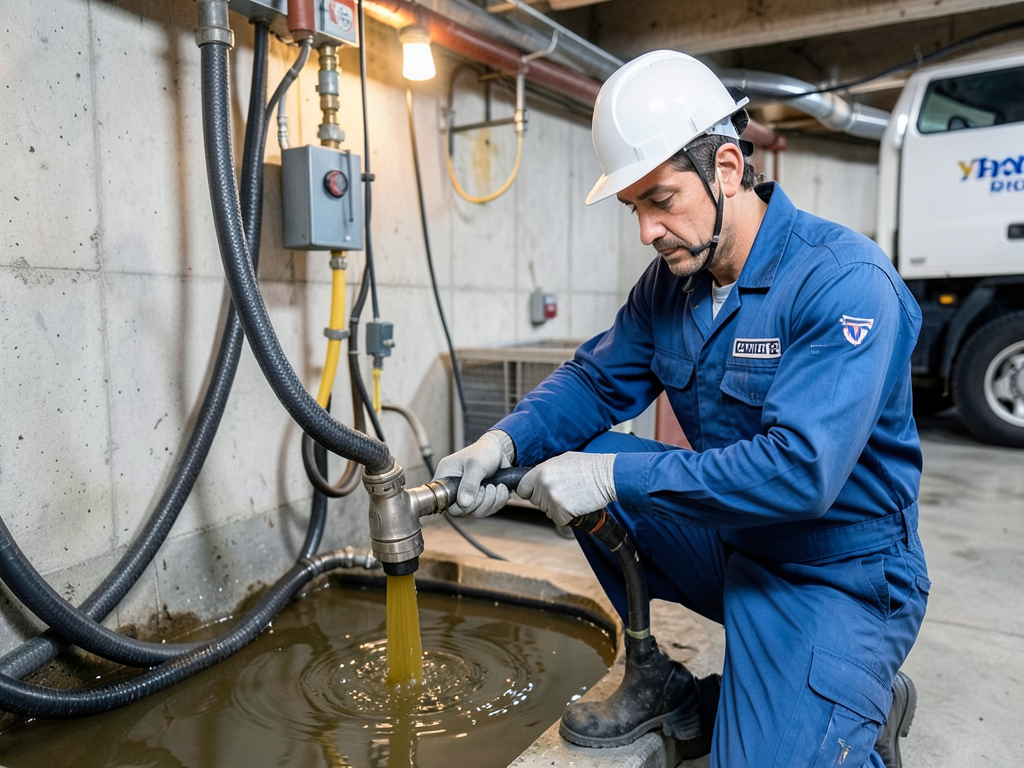
Professional remediation for Category 3 water requires full personal protective equipment including respirators, Tyvek suits, gloves, and eye protection. Technicians follow EPA guidelines for biohazard containment and disposal. The contaminated materials must be removed and disposed of as hazardous waste at approved facilities. White Glove Water Damage Recovery for Belle Haven Estates.
Greenwich residents should never attempt Category 3 cleanup themselves. The health risks extend beyond immediate exposure. Mold growth begins within 24-48 hours in Connecticut’s humid summers, creating additional respiratory hazards. Professional equipment includes industrial-grade air scrubbers and HEPA filtration systems that homeowners cannot rent from hardware stores.. Read more about Why you should never touch the standing water in your flooded basement yourself.
Cleanup Costs and Insurance Coverage
Category 1 water damage typically costs $3-5 per square foot to remediate, including extraction and drying. Category 3 water damage ranges from $7-10 per square foot due to specialized equipment, protective gear, and disposal fees. Sewage contamination can push costs higher depending on the extent of contamination.
Standard homeowners insurance covers sudden Category 1 water damage from burst pipes but excludes gradual damage or Category 3 contamination. Flood insurance through the National Flood Insurance Program covers Category 3 water from external sources but not internal sewage backups. Many Greenwich homeowners need both policies for complete protection. Fast Burst Pipe Repair and Water Extraction in Mid-Country Greenwich.
The Connecticut Insurance Department requires insurers to cover sudden and accidental water damage but allows exclusions for maintenance-related issues. A pipe that bursts due to freezing receives coverage, but a slow leak that causes mold over months typically does not. Documentation of the water source and timing becomes crucial for claims.. Read more about Why fire sprinkler malfunctions cause more damage than you might think.
Professional Equipment and Techniques
Category 1 water cleanup uses standard extraction equipment, fans, and dehumidifiers. Technicians monitor moisture levels with meters to ensure complete drying. The process typically takes 3-5 days depending on humidity levels and material types.
Category 3 remediation requires truck-mounted extraction units, industrial air movers, LGR dehumidifiers, and negative air machines. Technicians use moisture mapping to identify hidden contamination in wall cavities and under flooring. Contaminated porous materials like carpet, padding, and drywall must be removed and replaced.. Read more about How to tell if your wet drywall needs to be replaced or just dried.
The drying process for Category 3 water takes longer due to the need to sanitize affected areas. Technicians apply antimicrobial treatments to prevent mold growth and use thermal imaging cameras to verify complete moisture removal. The final testing ensures bacterial levels return to safe standards before reconstruction begins.
Greenwich-Specific Considerations
Greenwich’s historic homes present unique challenges for water damage remediation. Many properties in Old Greenwich and Riverside were built before modern building codes and contain plaster walls, hardwood floors, and fieldstone foundations that respond differently to water exposure than modern materials.
The town’s combined sewer system in older neighborhoods can cause Category 3 contamination during heavy rains. When stormwater overwhelms the system, sewage backs up into basements through floor drains and toilets. This creates immediate Category 3 conditions requiring professional intervention.
Greenwich building codes require specific protocols for Category 3 water remediation. The Connecticut State Building Code references IICRC S500 standards for water damage restoration. Licensed contractors must follow these guidelines for proper containment, removal, and disposal of contaminated materials.
Prevention and Early Detection
Preventing Category 3 water damage starts with regular maintenance. Test sump pumps quarterly, especially before storm season. Install backwater valves on sewer lines to prevent backups. Keep floor drains clear and consider installing water sensors that alert you to leaks before they become major problems.
Category 1 water damage often provides warning signs before becoming severe. Look for water stains on ceilings, bubbling paint, or musty odors. Address these issues immediately to prevent degradation into more serious categories. A small pipe leak today can become a Category 3 sewage backup tomorrow if left unattended.
Greenwich’s freeze-thaw cycles create additional risks. When temperatures fluctuate around freezing, pipes can burst without visible warning. Insulate exposed pipes and maintain consistent indoor temperatures during cold snaps. Consider installing water leak detection systems that automatically shut off supply lines when leaks occur.
When to Call Professionals
Category 1 water damage confined to small areas might be manageable for homeowners with proper equipment. However, any water affecting multiple rooms, electrical systems, or structural components requires professional assessment. The cost of professional evaluation often saves money by preventing secondary damage.
Category 2 water damage always requires professional assessment. The contamination levels can vary significantly, and improper cleanup creates health risks. Gray water from washing machines or dishwashers contains detergents and microorganisms that require specific treatment protocols.
Category 3 water damage demands immediate professional response. The health risks, equipment requirements, and disposal regulations make DIY cleanup dangerous and potentially illegal. Professional teams arrive with proper PPE, containment equipment, and disposal resources to handle the contamination safely.
Frequently Asked Questions
How can I tell if water damage is Category 1 or Category 3?
Category 1 water looks clean and typically comes from obvious sources like broken pipes or overflowing sinks. Category 3 water often has a foul odor, dark color, or visible contaminants. When in doubt, treat all flooding as Category 3 until professionals assess it.
How long does it take for clean water to become contaminated?
In Greenwich’s humid climate, Category 1 water can develop Category 2 contamination within 24 hours and Category 3 contamination within 48-72 hours. Temperature, organic material presence, and initial water quality affect the timeline. Prompt water removal and drying prevent degradation.
Does homeowners insurance cover Category 3 water damage?
Coverage depends on the water source. Internal sewage backups require specific rider coverage. External flooding needs separate flood insurance. Sudden and accidental damage receives better coverage than gradual issues. Review your policies and consider additional coverage for comprehensive protection.
Protecting Your Greenwich Home
Understanding water damage categories helps you respond appropriately during emergencies. Category 1 water might seem harmless, but quick action prevents costly degradation. Category 3 water demands immediate professional response to protect your family’s health and your home’s value.
Greenwich’s unique geography, from coastal properties to historic inland homes, creates specific water damage risks. The high water table, combined sewer systems, and freeze-thaw cycles require proactive prevention measures. Regular maintenance and early detection systems provide the best protection against all categories of water damage.
When water damage occurs, time becomes your most critical factor. Category 1 water left untreated becomes more dangerous and expensive to remediate. Category 3 water poses immediate health risks requiring professional intervention. Knowing these differences helps you make informed decisions that protect your family and your investment.
Call (475) 320-3777 today to schedule your inspection. Our certified technicians assess water damage categories, provide detailed remediation plans, and work directly with your insurance company to streamline the claims process. Don’t wait until clean water becomes hazardous. For more information, visit FEMA flood insurance information.
{
“@context”: “https://schema.org”,
“@type”: “BlogPosting”,
“headline”: “Understanding the difference between Category 1 and Category 3 water damage”,
“description”: “Learn the critical differences between clean water and hazardous black water damage in Greenwich homes. Discover health risks, cleanup protocols, and when to call professionals.”,
“wordCount”: 1443,
“datePublished”: “2026-03-20T16:15:00.000Z”,
“dateModified”: “2026-03-20T16:15:00.000Z”,
“inLanguage”: “en-US”,
“mainEntityOfPage”: {
“@type”: “WebPage”,
“@id”: “https://heritagewaterdamagerestorationgreenwich.com”
},
“publisher”: {
“@type”: “LocalBusiness”,
“name”: “Heritage Water Damage Restoration Greenwich”,
“url”: “https://heritagewaterdamagerestorationgreenwich.com”
},
“author”: {
“@type”: “Organization”,
“name”: “Heritage Water Damage Restoration Greenwich”,
“url”: “https://heritagewaterdamagerestorationgreenwich.com”
},
“image”: {
“@type”: “ImageObject”,
“url”: “https://heritagewaterdamagerestorationgreenwich.com/wp-content/uploads/2026/03/understanding-the-difference-between-category-1-an-1.png”
}
}
{
“@context”: “https://schema.org”,
“@type”: “LocalBusiness”,
“name”: “Heritage Water Damage Restoration Greenwich”,
“url”: “https://heritagewaterdamagerestorationgreenwich.com”,
“address”: {
“@type”: “PostalAddress”,
“addressLocality”: “Greenwich”
},
“areaServed”: {
“@type”: “City”,
“name”: “Greenwich”
}
}
{
“@context”: “https://schema.org”,
“@type”: “FAQPage”,
“mainEntity”: [
{
“@type”: “Question”,
“name”: “How can I tell if water damage is Category 1 or Category 3?”,
“acceptedAnswer”: {
“@type”: “Answer”,
“text”: “Category 1 water looks clean and typically comes from obvious sources like broken pipes or overflowing sinks. Category 3 water often has a foul odor, dark color, or visible contaminants. When in doubt, treat all flooding as Category 3 until professionals assess it.”
}
},
{
“@type”: “Question”,
“name”: “How long does it take for clean water to become contaminated?”,
“acceptedAnswer”: {
“@type”: “Answer”,
“text”: “In Greenwich’s humid climate, Category 1 water can develop Category 2 contamination within 24 hours and Category 3 contamination within 48-72 hours. Temperature, organic material presence, and initial water quality affect the timeline. Prompt water removal and drying prevent degradation.”
}
},
{
“@type”: “Question”,
“name”: “Does homeowners insurance cover Category 3 water damage?”,
“acceptedAnswer”: {
“@type”: “Answer”,
“text”: “Coverage depends on the water source. Internal sewage backups require specific rider coverage. External flooding needs separate flood insurance. Sudden and accidental damage receives better coverage than gradual issues. Review your policies and consider additional coverage for comprehensive protection.”
}
}
]
}
{
“@context”: “https://schema.org”,
“@type”: “BreadcrumbList”,
“itemListElement”: [
{
“@type”: “ListItem”,
“position”: 1,
“name”: “Home”,
“item”: “https://heritagewaterdamagerestorationgreenwich.com”
},
{
“@type”: “ListItem”,
“position”: 2,
“name”: “Blog”,
“item”: “https://heritagewaterdamagerestorationgreenwich.com/blog”
},
{
“@type”: “ListItem”,
“position”: 3,
“name”: “Understanding the difference between Category 1 and Category 3 water damage”
}
]
}
{
“@context”: “https://schema.org”,
“@type”: “Service”,
“serviceType”: “Water Damage Restoration”,
“provider”: {
“@type”: “LocalBusiness”,
“name”: “Heritage Water Damage Restoration Greenwich”,
“url”: “https://heritagewaterdamagerestorationgreenwich.com”
},
“areaServed”: {
“@type”: “City”,
“name”: “Greenwich”
},
“description”: “Learn the critical differences between clean water and hazardous black water damage in Greenwich homes. Discover health risks, cleanup protocols, and when to call professionals.”
}