

menu

Sanitization & Odor Removal in Greenwich – Eliminating Contaminants and Restoring Air Quality After Water Damage

Expert disinfection and deodorization services that target hidden microbial growth, persistent moisture odors, and airborne pathogens throughout Greenwich properties affected by flooding, sewage backups, or storm damage.

Slider Image 1
Slider Image 2
Slider Image 3
Slider Image 4
Slider Image 5
Slider Image 7
Slider Image 8
Slider Image 9
Slider Image 10
Slider Image 11

Why Greenwich Properties Face Persistent Odor and Contamination Issues After Water Events

Water damage in Greenwich creates a perfect environment for microbial growth and stubborn odors. The town's proximity to Long Island Sound brings humid maritime air that lingers in basements and crawl spaces long after visible water recedes. Historic homes in Belle Haven and Riverside often have plaster walls and older insulation that absorbs moisture deeply, creating hidden pockets where bacteria and mold spores thrive.

When floodwater enters your property, it carries contaminants from soil, roadways, and storm drains. Sewage backups introduce category 3 water containing fecal matter, pathogens, and chemical waste. Simply drying the space does not address these hazards. Organic matter trapped in wall cavities, beneath flooring, and within HVAC ductwork continues to decompose, releasing volatile organic compounds that create persistent musty smells.

The problem intensifies in Greenwich's older neighborhoods where homes lack vapor barriers. Ground moisture wicks through foundation walls, especially during spring thaws when snow melt saturates the soil. This chronic dampness feeds bacterial colonies that produce sulfur compounds and ammonia odors. Without proper antimicrobial treatment and odor control services, these smells permeate furniture, clothing, and building materials.

You cannot mask these issues with air fresheners or surface cleaning. Effective sanitizing and deodorizing requires penetrating contaminated materials, neutralizing odor molecules at the source, and treating air circulation systems that spread contaminants throughout your property. The goal is complete odor abatement and disinfection, not temporary coverage.

Why Greenwich Properties Face Persistent Odor and Contamination Issues After Water Events
The Science Behind Effective Antimicrobial Treatment and Odor Neutralization

The Science Behind Effective Antimicrobial Treatment and Odor Neutralization

Professional sanitization begins with identifying the contamination category and selecting appropriate biocides. We use EPA-registered disinfectants that target specific pathogens without damaging building materials. For category 2 and 3 water losses, we apply hospital-grade quaternary ammonium compounds or hydrogen peroxide solutions that penetrate porous surfaces and eliminate bacteria, viruses, and fungi at the cellular level.

Odor removal requires understanding chemistry. Organic odors result from decomposition byproducts like skatole, cadaverine, and putrescine. These molecules bond to surfaces and cannot be washed away with soap. We deploy hydroxyl generators and ozone machines that oxidize odor compounds, breaking molecular bonds and converting them to odorless substances. Hydroxyl radicals work safely in occupied spaces, while ozone treatment requires evacuation but provides deeper penetration into materials.

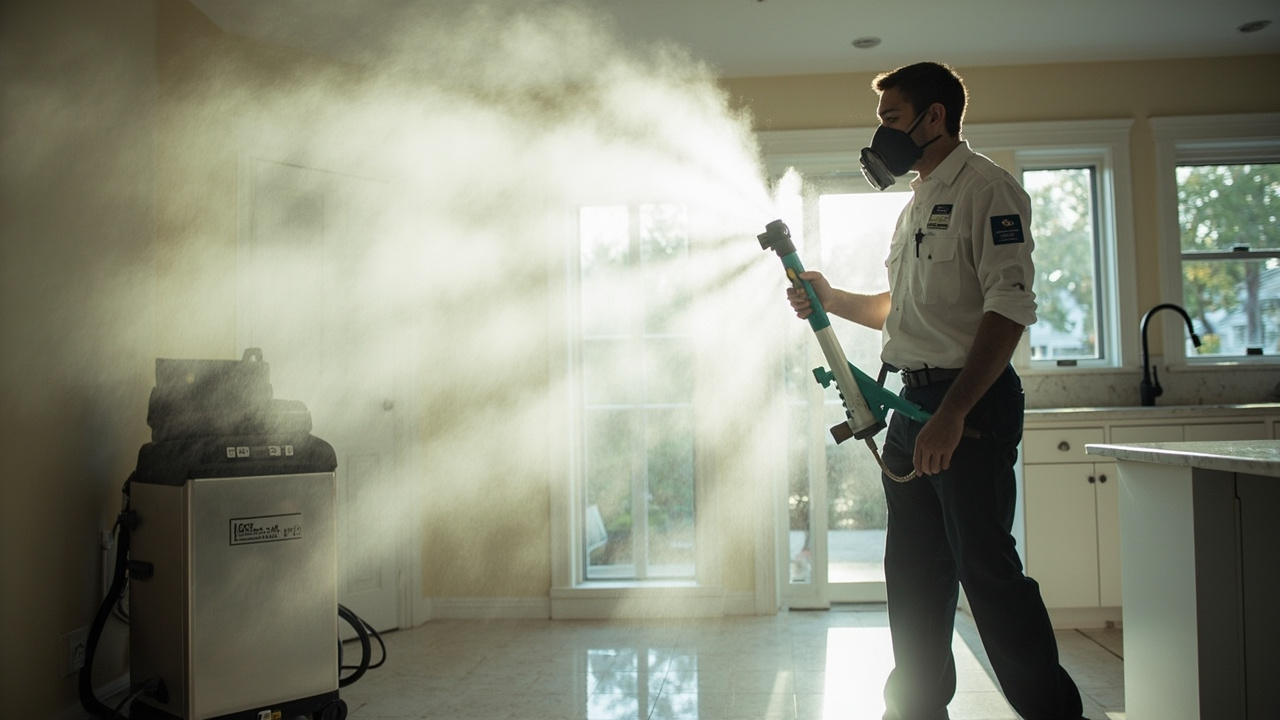
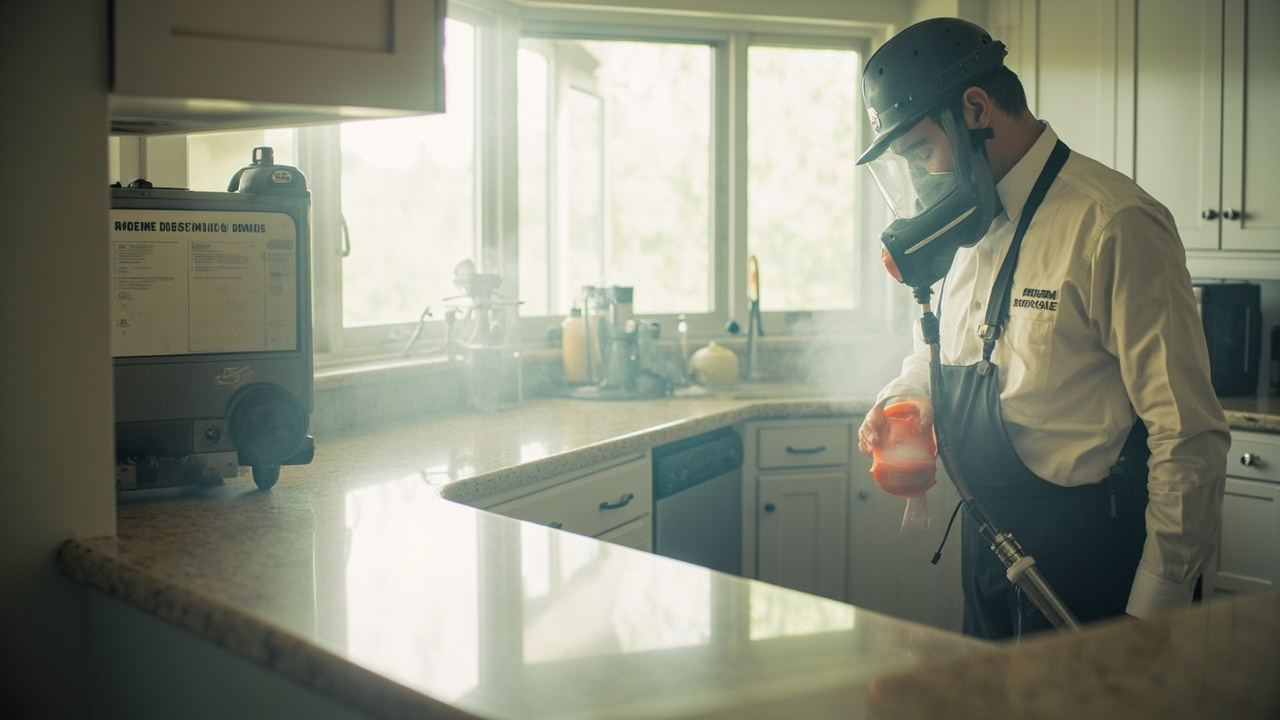
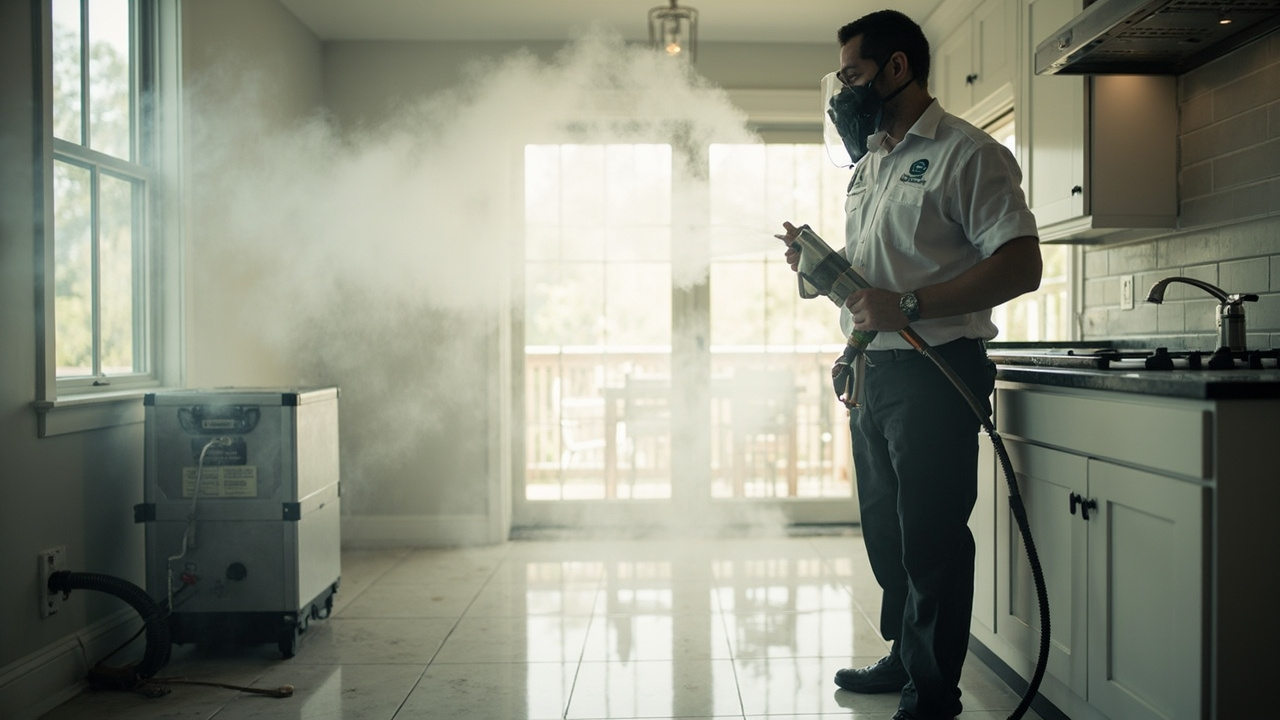
For Greenwich properties with HVAC contamination, we fog ductwork with antimicrobial agents and install HEPA filtration to capture airborne particulates. We inject thermal foggers into wall cavities where liquid cleaners cannot reach. The fog particles measure 0.5 to 10 microns, small enough to penetrate insulation and coat studs, subfloors, and wiring where bacteria hide.

We apply encapsulants to seal residual odors in concrete and wood framing that cannot be fully extracted. These polymer coatings trap odor molecules and prevent off-gassing. For severe cases involving decomposition or sewage, we remove and dispose of compromised materials rather than attempt remediation. Some contamination levels exceed safe treatment thresholds.

Air scrubbers with activated carbon filters run continuously during treatment, capturing airborne contaminants and preventing cross-contamination to unaffected areas. We measure particle counts and VOC levels before and after treatment to verify results.

How We Restore Safe, Odor-Free Environments

Sanitization & Odor Removal in Greenwich – Eliminating Contaminants and Restoring Air Quality After Water Damage
01

Contamination Assessment and Mapping

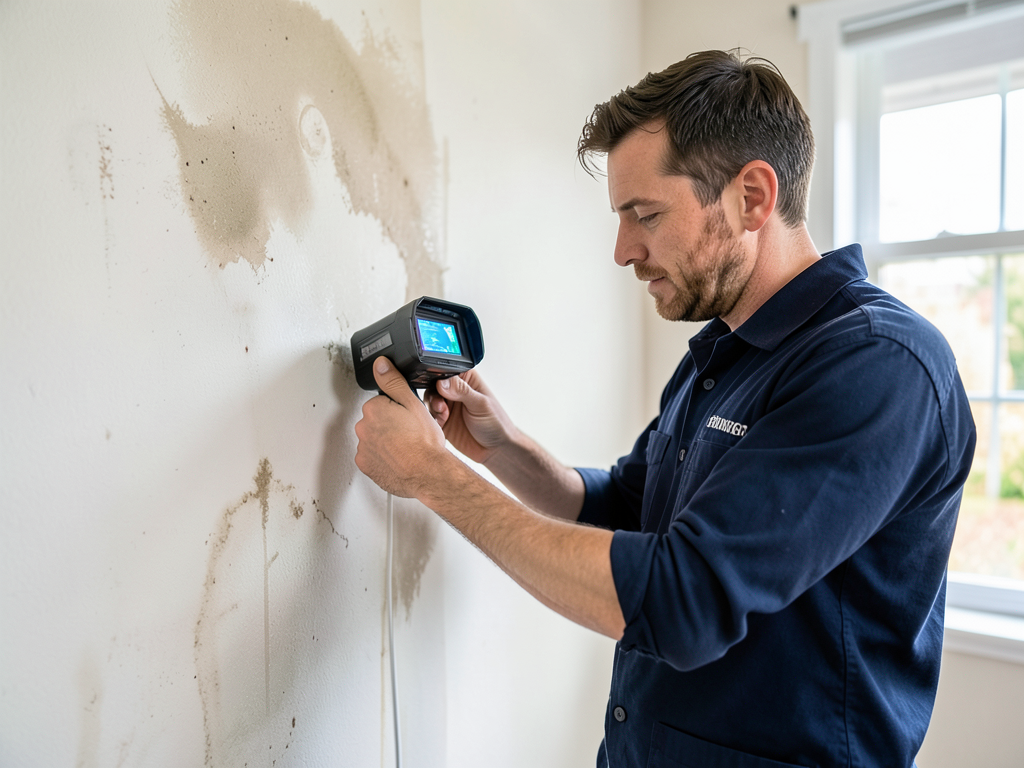
We inspect all affected areas with moisture meters and thermal imaging to identify hidden dampness in walls, ceilings, and subfloors. Borescope cameras examine inside wall cavities without demolition. We document water category, extent of saturation, and contamination severity. Air quality samples measure mold spore counts and bacterial load. This assessment determines which materials can be saved and which require removal for safety.
02

Targeted Disinfection and Treatment

We apply antimicrobial solutions to all contaminated surfaces using electrostatic sprayers that wrap disinfectant around objects and into crevices. Foggers treat wall cavities and ductwork. Hydroxyl generators or ozone machines run for calculated exposure periods based on cubic footage and contamination level. HEPA air scrubbers capture airborne particles throughout treatment. We treat contents separately, using ultrasonic cleaning for delicate items and immersion disinfection for hard goods.
03

Verification and Clearance Testing

After treatment, we test air quality again to confirm particle counts and VOC levels meet acceptable standards. ATP bioluminescence testing verifies surface cleanliness by measuring residual organic matter. We inspect for visible contamination and use odor detection instruments to identify any remaining smell sources. Only after clearance testing confirms safe conditions do we remove containment barriers and return the space to use.

Why Greenwich Property Owners Trust Our Sanitization Expertise

Greenwich properties demand specialized knowledge. The town's mix of historic estates and modern construction requires different treatment protocols. We understand that a 1920s fieldstone foundation in Old Greenwich absorbs water differently than a newer concrete basement in Cos Cob. Historic plaster walls need gentler treatment than modern drywall to avoid damage during disinfection.

Our technicians hold IICRC certifications in applied microbial remediation and odor control. We stay current with EPA guidelines for antimicrobial application and follow OSHA safety protocols for handling contaminated materials. This training matters when treating category 3 water losses where improper cleanup creates health risks for occupants.

We work directly with Greenwich insurance adjusters who know our documentation meets claim requirements. Our moisture mapping and photo documentation help you receive fair settlements. We itemize treatment methods and materials used so adjusters can verify necessary procedures versus optional upgrades.

For commercial clients in central Greenwich, we schedule treatment during off-hours to minimize business disruption. We understand that law offices, medical practices, and retail spaces cannot close for extended periods. Our rapid deployment and efficient treatment protocols reduce downtime while ensuring thorough decontamination.

Local property managers appreciate our familiarity with Greenwich's older apartment buildings and condo complexes. We know which properties have shared HVAC systems that can spread odors between units. We treat common areas and individual units while coordinating with residents to minimize inconvenience.

Liberty Water Damage Restoration Riverside maintains relationships with local contractors for reconstruction work after sanitization. We coordinate directly with your chosen builders or recommend trusted partners who understand historical preservation requirements in Greenwich's regulated neighborhoods.

What the Sanitization Process Looks Like for Your Property

Response Time and Availability

We dispatch technicians to Greenwich properties within hours of your call. Rapid response matters because bacterial growth accelerates after 24 hours in wet materials. Delayed treatment allows contamination to spread deeper into porous surfaces, increasing the scope of required work. Our trucks carry sanitization equipment, so we begin treatment immediately after assessment. For sewage emergencies, we prioritize same-day service because category 3 water poses immediate health risks. Weekend and holiday availability ensures you get help when disaster strikes, not just during business hours.

Initial Evaluation and Testing

Our assessment includes moisture readings throughout affected and adjacent spaces. We identify hidden saturation that creates future contamination risks if left untreated. Thermal imaging reveals temperature differentials indicating trapped moisture. Air samples establish baseline contamination levels for comparison after treatment. We explain findings in clear terms and outline required procedures. You receive a written scope detailing which areas need disinfection, what equipment we will use, and estimated treatment duration. We identify any necessary demolition before beginning work so you understand the full extent of required repairs.

Final Results and Air Quality

Completed treatment leaves your property with neutral odor and safe air quality. You receive documentation showing before and after test results, confirming contamination levels meet health standards. Treated surfaces are clean, dry, and ready for reconstruction. We provide recommendations for preventing future moisture issues based on conditions we observed during treatment. Your property feels fresh without chemical smells or masking fragrances. The difference is immediate when you enter treated spaces. Properly sanitized areas stay odor-free because we eliminated the source rather than covering it.

Post-Treatment Monitoring Options

We offer follow-up inspections to verify conditions remain stable after treatment. This matters in Greenwich basements prone to recurring dampness from high water tables or foundation seepage. We can install continuous monitoring devices that alert you to elevated humidity before new contamination develops. For properties with chronic moisture issues, we recommend dehumidification systems and drainage improvements to prevent future problems. Our documentation includes maintenance recommendations for HVAC filters, dehumidifier cleaning schedules, and ventilation improvements that maintain air quality long-term. You receive guidance for protecting your investment beyond the immediate restoration.

Frequently Asked Questions

You Have Questions,
We Have Answers

What is the most powerful odor eliminator? +

Ozone generators and hydroxyl generators are the most effective odor eliminators for severe contamination. Ozone works by breaking down odor molecules at a molecular level, but requires complete evacuation due to toxicity. Hydroxyl generators are safer for occupied spaces and work well on organic odors like smoke or sewage. For home use, enzymatic cleaners target protein-based odors like pet urine or vomit. Greenwich homes dealing with flood damage or mold often need professional-grade thermal fogging combined with antimicrobial treatments. Surface sprays only mask odors temporarily. True elimination requires identifying the source, removing contaminated materials, and treating remaining surfaces with the appropriate technology.

What do nursing homes use to get rid of urine smell? +

Nursing homes rely on enzymatic cleaners and oxidizing agents to neutralize urine odors. Enzyme-based products break down uric acid crystals that cause persistent smell. Many facilities use quaternary ammonium compounds for surface disinfection combined with odor control. For severe cases, hydroxyl generators run continuously to oxidize airborne odor molecules without evacuating residents. Greenwich senior care facilities also address humidity control, as Connecticut's high moisture levels can reactivate dried urine salts. Professional remediation includes subfloor treatment when urine penetrates flooring. Hydrogen peroxide vapor systems are gaining use for deep sanitization. The key is treating contaminated materials, not just masking the smell with fragrances.

How do I permanently get rid of a bad smell in my house? +

Permanent odor removal requires finding and eliminating the source. Start by inspecting crawl spaces, attics, HVAC ducts, and behind appliances for mold, dead animals, or water damage. Greenwich homes with basements often harbor moisture issues that cause musty smells. Remove contaminated materials like soaked drywall, carpets, or insulation. Clean remaining surfaces with enzymatic or oxidizing cleaners. Run HEPA air scrubbers to capture airborne particles. Address ventilation problems, as poor airflow traps odors. For persistent smells, thermal fogging or ozone treatment may be needed. Dehumidifiers help in humid months. Surface cleaners and candles only mask odors temporarily. True elimination means treating the root cause.

What do nurses use to block smells? +

Nurses use mentholated ointments like Vicks VapoRub applied under the nose to block strong odors during patient care. Peppermint oil or eucalyptus oil on surgical masks provides similar relief. Some use scented lip balm or essential oil rollers. Activated charcoal masks filter odor molecules but are less common in clinical settings. For environmental control, nurses advocate for proper ventilation and immediate waste removal. In Greenwich medical facilities, hydroxyl generators run in occupied rooms to neutralize airborne odors without chemicals. Coffee grounds placed in rooms absorb some smells. These are temporary solutions. Professional remediation addresses the odor source directly rather than just blocking it.

What kills all smells? +

No single product kills all smells, but ozone and hydroxyl technology come closest. Ozone oxidizes nearly any organic odor molecule but requires evacuation. Hydroxyl generators work similarly while allowing occupancy. Activated charcoal absorbs many odor molecules but needs replacement. Enzymatic cleaners break down protein-based smells like urine and decay. Thermal fogging penetrates porous materials to neutralize embedded odors. Greenwich homes need different approaches based on the source. Smoke damage requires different treatment than sewage or mold. Professional assessment identifies the contamination type and selects the right technology. Combining source removal, surface treatment, and air purification provides the most complete odor elimination.

What do hotels use to make the room smell good? +

Hotels use commercial HVAC scent diffusion systems that disperse fragrance oils through air ducts. High-end properties often use signature scents to create brand recognition. Between guests, housekeeping uses odor-neutralizing sprays rather than masking fragrances. Ozone machines treat rooms with smoke or strong odors when unoccupied. Greenwich hospitality properties also focus on prevention: thorough cleaning protocols, immediate stain treatment, and humidity control to prevent mustiness. Linens are washed with oxygen boosters. Carpets receive hot water extraction regularly. Air purifiers with activated carbon filters run continuously. The goal is eliminating odor sources first, then adding subtle fragrance. Home air fresheners mask smells temporarily without addressing underlying contamination.

What is the old lady's smell called? +

The smell associated with older adults is called nonenal. This odor results from 2-nonenal, a chemical compound produced when omega-7 unsaturated fatty acids in skin break down with age. Production increases after age 40 and intensifies in poorly ventilated spaces. The smell is not caused by poor hygiene. Greenwich senior living facilities address nonenal through increased ventilation, regular laundering of fabrics, and moisture control. Oxidizing cleaners break down the compound on surfaces. Frequent bathing with antioxidant-rich soaps helps. Air purifiers with activated carbon filters capture airborne molecules. Hydroxyl generators oxidize the compound without harsh chemicals. The smell becomes problematic mainly in enclosed spaces with inadequate airflow.

How do professionals remove urine smells? +

Professional urine odor removal starts with moisture meters and UV lights to locate all contaminated areas. Technicians extract liquid with truck-mounted equipment, then apply enzymatic cleaners that break down uric acid crystals. If urine penetrated subfloors, professionals remove finished flooring and treat or replace underlayment. Severe cases require sealing agents or complete material removal. Greenwich homes with pet damage often need pad and carpet replacement. Professionals use hydroxyl generators during treatment to oxidize airborne ammonia. Thermal fogging penetrates porous materials. After treatment, air scrubbers capture remaining particles. Surface cleaning alone fails because uric acid crystals reactivate with humidity. Professional equipment and detection tools ensure complete treatment.

What do morticians use to block smells? +

Morticians use a combination of formaldehyde-based embalming fluids, glutaraldehyde disinfectants, and commercial odor counteractants containing essential oils and oxidizing agents. They apply mentholated ointment under the nose during procedures. Facilities use industrial ventilation systems and ozone generators in unoccupied prep rooms. Activated charcoal air filters capture airborne molecules. Phenol-based disinfectants clean surfaces and equipment. Some use enzymatic cleaners on porous materials. Greenwich funeral homes must balance odor control with OSHA regulations on chemical exposure. Professional death scene cleanup uses similar technology: oxidizers, enzymes, and thermal fogging to eliminate decomposition odors from structures. These methods address the biological source rather than masking the smell.

What is the hardest smell to get rid of in a house? +

Decomposition odors are the hardest to eliminate because they penetrate porous materials deeply and contain complex organic compounds. The smell comes from cadaverine and putrescine, which bond to surfaces at a molecular level. Smoke damage ranks second, as particles infiltrate walls, ducts, and insulation. Pet urine is difficult because uric acid crystals reactivate with moisture. Greenwich homes with undiscovered water damage develop persistent mold odors that require material removal. Sewage backup introduces bacteria that continue producing odor until completely sanitized. Professional remediation combines source removal, antimicrobial treatment, oxidizing technology, and sealing to eliminate these smells. DIY methods fail because they only mask odors temporarily.

Greenwich's Coastal Climate and Historic Architecture Create Unique Sanitization Challenges

Greenwich's location on Long Island Sound brings persistent humidity that complicates sanitization work. Marine air carries salt spray that corrodes HVAC components and traps moisture in insulation. Historic properties in Riverside and Old Greenwich often have stone foundations without proper waterproofing. These porous walls absorb groundwater during storms, creating chronic dampness that feeds bacterial growth. Many older homes lack adequate ventilation in basements and crawl spaces, allowing stagnant air to concentrate odors. The town's mature tree canopy shades properties and slows evaporation, extending drying times after water events. These conditions mean surface cleaning fails to address deep contamination in building assemblies.

Effective odor control services in Greenwich require understanding the town's building stock and environmental conditions. Properties built before 1950 have different material composition than modern construction, affecting how we select disinfectants and application methods. Our familiarity with local architecture means we anticipate hidden moisture sources and target treatment accordingly. We work within Greenwich's building department requirements when treatment involves temporary power connections or equipment placement. This local expertise prevents delays and ensures compliance with municipal regulations. Greenwich residents value providers who understand their properties and deliver results without unnecessary demolition or extended timelines.

Water Damage Restoration Services in The Greenwich Area

Our service area is designed to cover the entire region, ensuring that no matter where you are, we can get to you quickly and efficiently. We invite you to view our location on the map and see our central hub, from which we dispatch our rapid response teams. We are committed to serving our local community with speed, expertise, and a dedication to quality that you can always rely on.

Address:
Heritage Water Damage Restoration Greenwich, 145 Mason St, Greenwich, CT, 06830

Additional Services We Offer

Our news updates

Latest Articles & News from The Blogs

Understanding the difference between rain damage and storm surge in Lucas Point Storm surges push saltwater inland at high speeds…

Understanding the difference between rain damage and storm surge in Lucas Point

Understanding the difference between rain damage and storm surge in Lucas Point Storm surges push saltwater inland at high speeds…

Salvaging designer wallpaper after a minor water leak in your Greenwich dining room

Salvaging Designer Wallpaper After a Minor Water Leak in Your Greenwich Dining Room When water seeps behind your designer wallpaper,…

Why you should never touch the standing water in your flooded basement yourself

Why you should never touch the standing water in your flooded basement yourself Standing water in your Greenwich basement is…

Contact Us

Do not let contamination and odors compromise your property's safety and comfort. Call Liberty Water Damage Restoration Riverside at (475) 320-3777 for immediate assessment and treatment. We respond quickly to Greenwich properties and restore healthy indoor environments.